If you’re a parent or caregiver, you’ve probably wondered: can you re refrigerate warmed breast milk? It’s a common question that comes up during those busy feeding moments.
You want to keep your baby safe and healthy, but you also don’t want to waste precious milk. Understanding the right way to handle breast milk can save you time, reduce stress, and protect your baby from harmful bacteria. Keep reading to discover simple, clear answers that will help you feel confident every time you feed your little one.
Breast Milk Storage Basics
Storing breast milk correctly is key to keeping it safe and nutritious for your baby. Understanding the basics of breast milk storage helps you avoid waste and ensures your little one gets the best nourishment possible. Let’s look at how temperature and timing affect the quality of stored breast milk.
Ideal Storage Temperatures
Keeping breast milk at the right temperature stops harmful bacteria from growing. Here are the best practices:
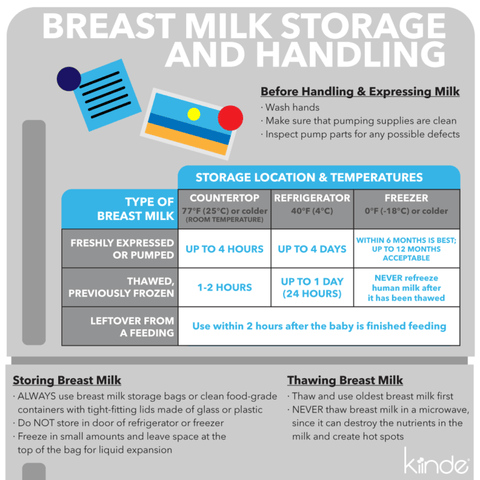
- Room temperature:Up to 77°F (25°C) for 4 hours is generally safe.
- Refrigerator:Store milk at 39°F (4°C) or lower for up to 4 days.
- Freezer:Milk stays good for 6 months at 0°F (-18°C) or colder.
Did you know that storing milk in the back of the fridge is better than the door? The temperature is more stable there, which helps maintain freshness.
How Long Breast Milk Stays Fresh
Time matters just as much as temperature. Using milk within the right timeframe keeps nutrients intact and prevents spoilage.
- Freshly expressed milk should be used or refrigerated within 4 hours.
- Once refrigerated, use within 4 days for best quality.
- If frozen, thawed milk should be used within 24 hours and never refrozen.
Have you ever wondered if you can re-refrigerate milk after warming it? The answer depends on these time and temperature rules, so it’s best to plan feeding times carefully.

Credit: www.breastfeedingnetwork.org.uk
Warmed Breast Milk Risks
Warming breast milk is common for feeding convenience. Yet, reheating and then refrigerating warmed milk carries risks. These risks affect milk safety and quality. Understanding these risks helps protect your baby’s health.
Bacterial Growth Concerns
Warmed breast milk creates a perfect environment for bacteria. Bacteria multiply quickly at warm temperatures. If warmed milk is refrigerated again, bacteria already present can grow more. This increases the chance of feeding your baby milk with harmful bacteria.
Refrigerating warmed milk does not kill bacteria. It only slows their growth. Repeated warming and cooling cycles raise contamination risks. This can lead to stomach upset or infections in babies. Fresh milk is always safer than re-warmed and re-cooled milk.
Nutrient Degradation
Warming breast milk can reduce its nutrient content. Important proteins and antibodies may break down from heat. Re-refrigerating warmed milk can cause further nutrient loss. This lowers the milk’s ability to nourish and protect your baby.
Essential vitamins, like vitamin C, are sensitive to temperature changes. Continuous warming and cooling cycles damage these nutrients. Feeding milk with fewer nutrients affects your baby’s growth and immunity. Use breast milk soon after warming to keep nutrients intact.
Refrigerating Warmed Milk
Refrigerating warmed breast milk requires care to keep it safe for your baby. Once milk is warmed, bacteria can grow faster. Proper handling helps prevent illness and waste. Understanding when and how to refrigerate warmed milk is important for every parent.
Safety Guidelines
- Use warmed milk within 2 hours.
- Do not leave warmed milk at room temperature for more than 1 hour.
- Store milk in a clean container with a tight lid.
- Label the container with the date and time it was warmed.
- Keep the refrigerator temperature below 40°F (4°C).
When It’s Acceptable
You can refrigerate warmed milk if your baby does not finish the bottle within 1 hour. Place the milk in the fridge immediately after warming. Use the refrigerated milk within 24 hours. Avoid mixing freshly warmed milk with older refrigerated milk.
When To Avoid Refrigeration
Do not refrigerate milk left out for more than 1 hour. Avoid refreezing milk once it has been warmed. Discard milk if it smells or looks spoiled. Never save milk from a bottle your baby has fed from. This prevents bacteria from spreading.

Credit: www.reddit.com
Best Practices For Handling Breast Milk
Handling breast milk properly keeps it safe and nutritious for your baby. Careful storage, thawing, and warming prevent germs and protect important nutrients. Knowing the best practices helps avoid waste and ensures your baby gets the best milk every time.
Safe Thawing Methods
Thaw frozen breast milk slowly to keep it fresh. The best way is to place the milk in the fridge overnight. This lets it thaw gently without growing bacteria. If you need it faster, hold the bottle under warm running water. Avoid using a microwave or hot water. These can create hot spots and harm nutrients.
Proper Warming Techniques
Warm breast milk just before feeding. Use a bowl of warm water or a bottle warmer. Stir the milk gently to even the temperature. Check the milk on your wrist to avoid burning your baby. Do not reheat milk more than once. Throw away any leftover milk after feeding.
Using Fresh Vs. Previously Frozen Milk
Fresh milk is best for feeding but frozen milk is a good backup. Use fresh milk within 4 hours after pumping. Frozen milk can last up to 6 months in a freezer. Once thawed, use frozen milk within 24 hours. Do not refreeze thawed milk. Mixing fresh and frozen milk is okay if both are chilled.
Signs Of Spoiled Breast Milk
Knowing the signs of spoiled breast milk is essential to keep your baby safe and healthy. Breast milk can change after being warmed and stored, so it’s important to check for any spoilage before feeding. Recognizing these signs will help you avoid giving your little one milk that could cause discomfort or illness.
Visual Indicators
Fresh breast milk usually looks creamy or slightly yellowish. If you notice clumps or a chunky texture, it’s a red flag. Sometimes spoiled milk separates into distinct layers, with a watery layer on top and thicker curds below, and doesn’t mix back smoothly after shaking.
Also, look for any discoloration, such as a gray or greenish tint. These changes often mean the milk has gone bad. If you see mold spots or an unusual film on the surface, throw the milk away immediately.
Smell And Taste Changes
Smell the milk carefully. Fresh breast milk has a mild, sweet scent, but spoiled milk can smell sour, rancid, or even like rotten cheese. If the smell makes you hesitate, it’s safer not to feed it to your baby.
While tasting breast milk isn’t common, some mothers notice a bitter or soapy taste when milk spoils. If you ever detect this taste, avoid feeding it and check your storage practices. Your baby’s health is worth this extra caution.
Credit: www.cafeoflifesandiego.com
Tips For Minimizing Waste
Minimizing waste when handling breast milk is essential for both your baby’s health and your peace of mind. Careful planning and smart storage decisions help ensure you use every drop efficiently. These tips will guide you in reducing waste while maintaining the quality and safety of your breast milk.
Portion Control
Pouring the right amount of milk into each feeding session can save you from throwing away leftovers. Try warming only what your baby is likely to finish. If your little one often drinks less, prepare smaller portions to avoid wasting extra milk.
Have you noticed your baby’s feeding patterns change during the day? Adjust your portion sizes accordingly. Keeping a feeding log can help you track how much milk your baby consumes and refine your amounts over time.
Storage Container Choices
Choosing the right containers can make a big difference in preserving breast milk and reducing waste. Use small, airtight containers or pre-measured milk storage bags to freeze milk in manageable portions.
Glass containers are great for durability and safety but can be bulky. Plastic storage bags save space and are disposable, which might be more convenient when you’re on the go. Whichever you pick, make sure they seal tightly to prevent leaks and contamination.
Frequently Asked Questions
Can You Re Refrigerate Warmed Breast Milk Safely?
No, it is not safe to re refrigerate warmed breast milk. Bacteria can grow during warming, increasing contamination risk. Always use warmed milk within two hours or discard leftovers to protect your baby’s health.
How Long Can Warmed Breast Milk Stay At Room Temperature?
Warmed breast milk should not stay at room temperature for more than two hours. Beyond this time, bacterial growth increases, making it unsafe for your baby. Use or discard milk within this window for safety.
Is It Okay To Warm Breast Milk Twice?
Warming breast milk more than once is not recommended. Repeated warming can degrade nutrients and promote bacterial growth. Warm only the amount needed to ensure your baby receives safe and nutritious milk.
Why Shouldn’t You Refreeze Warmed Breast Milk?
Refreezing warmed breast milk can cause bacterial contamination and nutrient loss. The thawing and warming process allows bacteria to multiply, risking your baby’s health. Always use or discard warmed milk without refreezing.
Conclusion
Refrigerating warmed breast milk requires care. Freshness is crucial for baby’s health. Always handle milk with clean hands. Store promptly if not used. Safe storage practices protect your baby. Reheating can impact milk quality. Discard milk that’s sat out too long.
Fresh milk is best for baby’s nutrients. Ensure bottles are properly sealed. Follow guidelines for safe milk handling. Your baby deserves the best care. Breastfeeding offers many benefits. Proper storage ensures these benefits remain. Always prioritize safety and quality. Your little one’s health is most important.
Keep milk storage simple and effective.