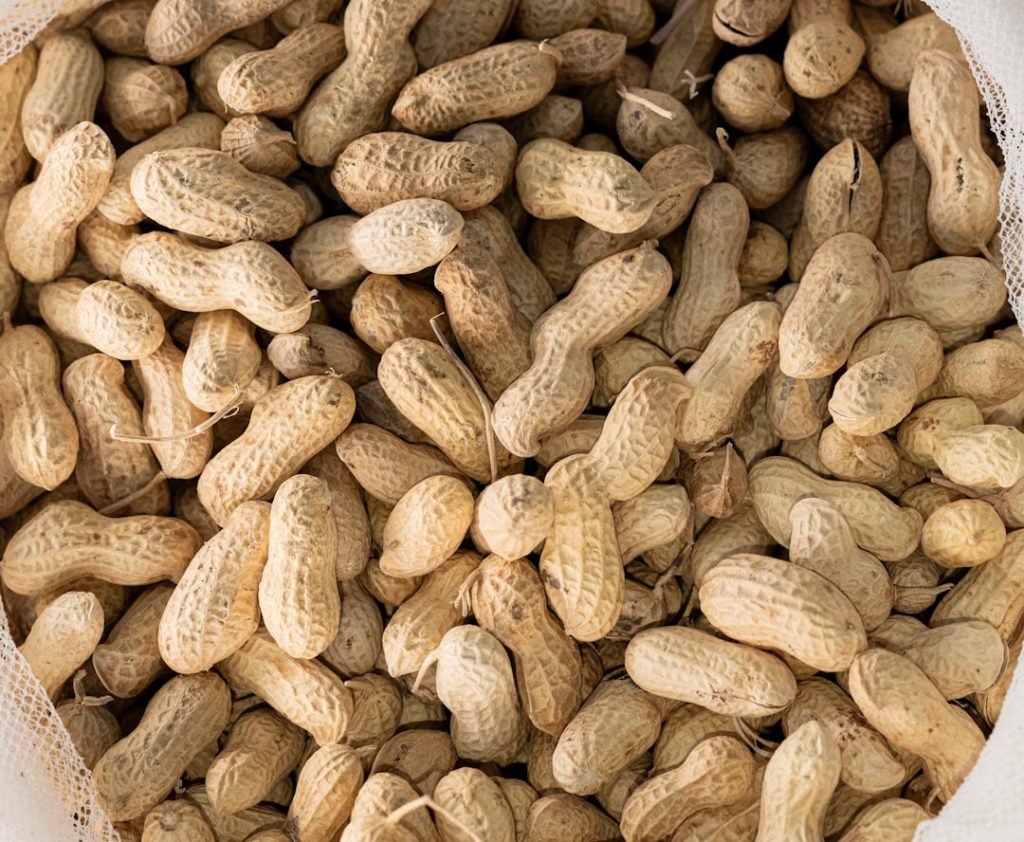
Do you love the salty, savory goodness of boiled peanuts? You’re not alone!
This Southern delicacy is a favorite for many. But once you’ve cooked up a batch or bought some from a roadside stand, you might wonder: Do you have to refrigerate boiled peanuts? This question isn’t just about preserving flavor; it’s about keeping your favorite snack safe and delicious.
We’ll uncover the truth about storing boiled peanuts. Whether you’re new to this tasty treat or a seasoned fan, understanding how to keep them fresh can make all the difference. Stick around to discover the best way to enjoy your boiled peanuts anytime you crave them!

Credit: www.kimschob.com
Shelf Life Of Boiled Peanuts
Understanding the shelf life of boiled peanuts is essential to enjoy them safely and at their best flavor. Unlike raw peanuts, boiled peanuts are moist and perishable, which affects how long they stay fresh. Storing them properly can make a big difference in taste and safety.
Fresh Vs. Cooked Peanuts
Fresh peanuts, straight from the shell, can last for several months if kept dry and cool. Their low moisture content helps prevent mold and spoilage. Boiled peanuts, however, absorb water during cooking, which makes them soft and tasty but also more prone to bacteria and mold growth.
Have you noticed how freshly boiled peanuts have that unique texture and flavor that fades after a few days? That’s because once cooked, their shelf life shortens dramatically. You can’t treat boiled peanuts the same way as raw ones—they need more careful handling.
Factors Affecting Longevity
- Storage Temperature:Refrigeration slows bacterial growth, extending boiled peanuts’ freshness for about 7 to 10 days. Leaving them at room temperature can cause spoilage within a day or two.
- Packaging:Airtight containers help maintain moisture balance and prevent exposure to contaminants. Using plastic bags or sealed jars works well.
- Salt Content:Salt acts as a natural preservative. Heavily salted boiled peanuts tend to last longer than lightly salted or unsalted ones.
- Freshness at Cooking:Starting with fresh peanuts and boiling them properly affects how long they stay good. Overcooked or undercooked peanuts may spoil faster.
Have you ever left boiled peanuts out overnight only to find them sour the next day? That’s a clear sign they need refrigeration. If you want to keep enjoying boiled peanuts without worry, consider these factors carefully. Would you rather have a small batch fresh every week or a larger batch stored properly for longer?

Credit: wonkywonderful.com
Refrigeration Benefits
Refrigerating boiled peanuts offers several clear benefits. It helps keep them safe to eat for longer periods. It also preserves their taste and texture, making every bite enjoyable. Understanding these benefits can guide proper storage and extend freshness.
Slowing Bacterial Growth
Bacteria grow quickly in warm, moist foods like boiled peanuts. Cooling them in the refrigerator slows this growth. This reduces the chance of spoilage and foodborne illness. Keeping boiled peanuts cold helps maintain safety and freshness.
Maintaining Flavor And Texture
Boiled peanuts have a unique soft texture and rich flavor. Storing them in the fridge helps keep these qualities. It prevents them from becoming mushy or sour. Proper refrigeration locks in taste and texture for days.
Storing Boiled Peanuts Without Refrigeration
Storing boiled peanuts without refrigeration can be tricky, but it’s possible if you pay close attention to how you handle them. Many people enjoy boiled peanuts as a snack but wonder if they can keep them fresh without using a fridge. Understanding the limits and best practices for room temperature storage helps you enjoy your peanuts safely and with good flavor.
Short-term Storage Tips
If you plan to eat your boiled peanuts within a day or two, keeping them at room temperature is doable. Place them in a clean, airtight container to prevent exposure to air and moisture.
Storing them in a cool, shaded spot away from direct sunlight helps maintain their texture and taste. You might also wrap the container in a clean towel to reduce temperature fluctuations. These small steps can make a big difference in keeping your peanuts fresh for a short time.
Risks Of Room Temperature Storage
Leaving boiled peanuts out for too long increases the risk of spoilage and bacterial growth. Peanuts are moist after boiling, which creates a perfect environment for harmful bacteria if not refrigerated.
Have you ever noticed a sour or off smell from peanuts left out too long? That’s a clear sign they’ve gone bad. Eating spoiled boiled peanuts can cause stomach upset or food poisoning, so it’s essential to be cautious.
If you’re unsure about the freshness, trust your senses—smell and look closely. When in doubt, it’s safer to refrigerate or discard them.
Credit: intentionalhospitality.com
Best Practices For Refrigerating Boiled Peanuts
Knowing the best ways to store boiled peanuts in the fridge can save you from wasting this tasty snack. Improper storage can lead to spoilage and loss of flavor. Let’s look at how to keep your boiled peanuts fresh and delicious for longer.
Proper Containers
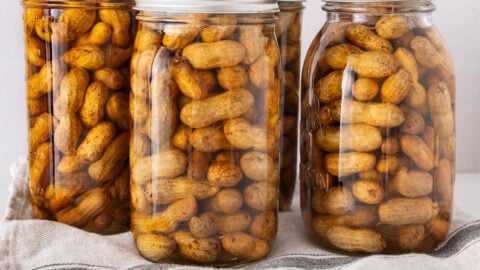
Choosing the right container is key to preserving boiled peanuts. Use airtight containers to prevent moisture loss and stop other fridge odors from mixing in.
Glass jars with tight-fitting lids or BPA-free plastic containers work well. Avoid storing peanuts in loose bags or open containers since this speeds up drying and spoilage.
Have you noticed how stale peanuts taste after just a day or two? That’s often because they weren’t sealed properly. Keeping them snug in a proper container keeps the texture soft and the flavor intact.
Optimal Temperature Settings
Setting your fridge to the correct temperature is just as important. Aim for around 35-40°F (1.5-4°C) to keep boiled peanuts fresh without freezing them.
Temperatures lower than this can cause the peanuts to become hard, while warmer temps increase the risk of bacteria growth. If your fridge doesn’t have a precise setting, try placing peanuts in the main compartment rather than the door, where temperatures fluctuate more.
Have you ever wondered why some homemade boiled peanuts taste better days after cooking? It’s often because they were stored at the right temperature. Keeping them chilled properly extends their shelf life and preserves their natural taste.
Freezing Boiled Peanuts For Long-term Storage
Freezing boiled peanuts is a smart way to keep them fresh for a long time. It helps preserve their flavor and texture. Proper freezing stops spoilage and keeps your peanuts tasty. You can enjoy boiled peanuts anytime without rushing to eat them.
Preparation Before Freezing
Start by cooling boiled peanuts to room temperature. Drain any excess water to avoid ice crystals. Pack peanuts in airtight containers or freezer bags. Remove as much air as possible to prevent freezer burn. Label the container with the date for easy tracking. Store the peanuts flat to save space and speed up freezing.
Thawing Methods
Thaw frozen boiled peanuts in the refrigerator overnight. This keeps them safe and preserves their texture. For a quicker option, place the sealed bag in cold water. Avoid using hot water or a microwave to prevent sogginess. After thawing, warm peanuts in a steamer or microwave before serving. This helps restore their soft and salty taste.
Signs Of Spoiled Boiled Peanuts
Knowing the signs of spoiled boiled peanuts can save you from an unpleasant taste and potential stomach upset. Spoiled peanuts don’t always look obviously bad at first, so paying attention to subtle changes is key. Let’s look at how you can spot if your boiled peanuts have gone bad before you take a bite.
Visual Indicators
Check the peanuts carefully for any unusual changes in appearance. If you see moldgrowing on the surface, that’s a clear warning sign. Also watch out for dark spotsor a slimy texture, which often means the peanuts have started to spoil.
Sometimes the peanuts might look shriveled or discolored, turning from their usual pale color to a darker or grayish hue. These visual cues are your first line of defense against eating spoiled peanuts.
Smell And Taste Changes
Smell can tell you a lot about whether boiled peanuts are still good. Fresh boiled peanuts have a mild, earthy aroma, but spoiled ones often develop a sour or rancid smell. If you notice any off-putting odors, don’t taste them to check—trust your nose.
Taste changes are another red flag. Spoiled boiled peanuts might taste sour, bitter, or just “off” compared to their usual savory flavor. If you ever find yourself questioning the taste, it’s safer to discard them than risk food poisoning.
Frequently Asked Questions
Do Boiled Peanuts Need Refrigeration?
Yes, boiled peanuts should be refrigerated to prevent spoilage. Keeping them cold slows bacterial growth and keeps them fresh longer. Store in an airtight container in the fridge for up to a week.
How Long Do Boiled Peanuts Last Unrefrigerated?
Boiled peanuts can last about 1-2 days at room temperature. Beyond that, they risk spoiling due to moisture and heat. Refrigeration is recommended for safety and extended freshness.
Can You Freeze Boiled Peanuts For Storage?
Yes, boiled peanuts freeze well. Place them in a sealed container or freezer bag. They can last up to 6 months frozen without losing flavor or texture.
Why Do Boiled Peanuts Spoil Quickly Without Refrigeration?
Boiled peanuts are moist and warm, ideal for bacterial growth. Without refrigeration, they spoil fast and develop off flavors. Refrigeration slows this process and maintains quality.
Conclusion
Boiled peanuts taste best when fresh and soft. Storing them in the fridge helps keep their flavor and texture longer. Leaving them out can cause spoilage and bad smell. Always use a sealed container to stop moisture loss. Enjoy boiled peanuts cold or warm, as you like.
Proper storage means less waste and more tasty snacks. Keep these tips in mind for the best boiled peanut experience.