Imagine this: you reach for your semaglutide medication, only to realize it spent the night outside the refrigerator. Panic sets in as you wonder if it’s still safe to use.
You’re not alone in this moment of uncertainty, and it’s crucial to know the right steps to take. This article is your go-to guide for understanding the impact of improper storage on your semaglutide. By the end, you’ll have the clarity and confidence to make informed decisions about your medication.
Stick around, because your peace of mind is just a few paragraphs away.
Semaglutide Storage Guidelines
Proper storage of semaglutide is essential to keep it effective. Semaglutide is a medication that can lose its strength if not stored correctly. Following the right guidelines helps maintain its quality and safety. Understanding how to store semaglutide ensures you use it safely and get the best results from the treatment.
Recommended Temperature Range
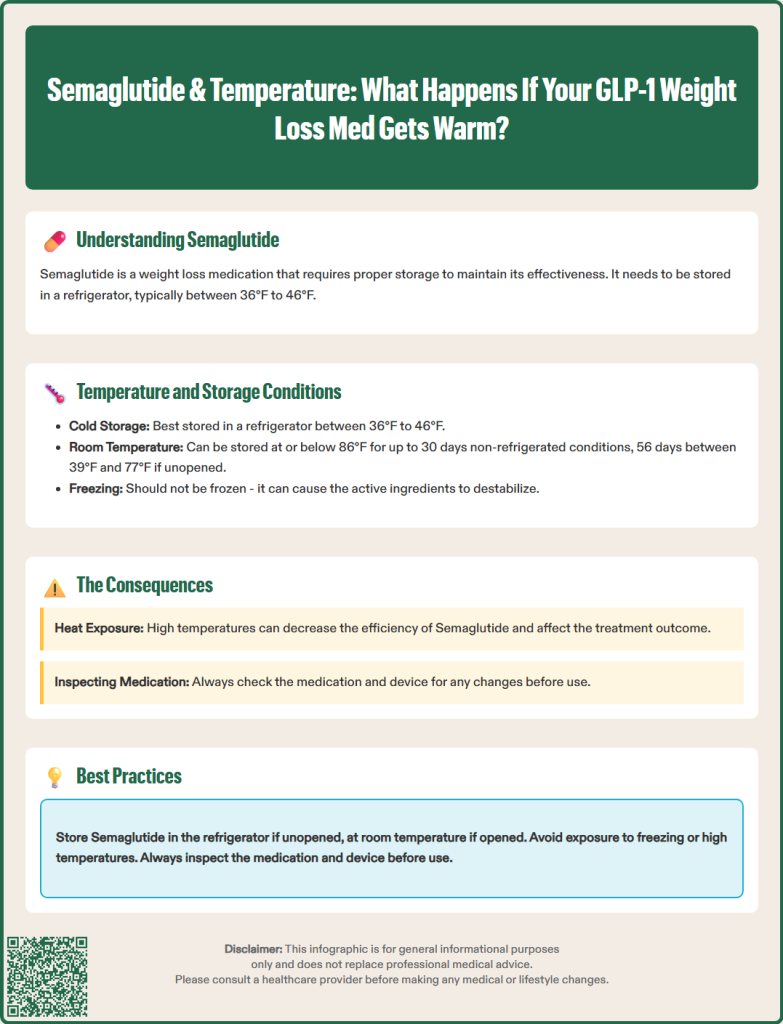
Semaglutide must be kept within a specific temperature range. The ideal storage temperature is between 2°C and 8°C (36°F and 46°F). This range is the usual temperature of a refrigerator. Avoid freezing semaglutide, as freezing can damage the medication. Also, do not expose it to temperatures above 30°C (86°F). High temperatures can reduce its effectiveness.
Importance Of Refrigeration
Refrigeration helps preserve semaglutide’s stability. It slows down the breakdown of the active ingredients. Without refrigeration, semaglutide may degrade faster and become less potent. Using semaglutide that was not refrigerated may lead to poor blood sugar control. Always store semaglutide in the fridge until ready to use. Once opened, some products may be kept at room temperature for a short time. Check the product instructions carefully for these details.
Effects Of Not Refrigerating Semaglutide
Semaglutide is a sensitive medication that needs careful storage. Not refrigerating it can cause several issues. These problems affect how well the medicine works and how safe it is to use. Understanding these effects helps you keep your medication effective.
Chemical Stability Issues
Semaglutide’s molecules can break down without proper cooling. Heat speeds up this breakdown process. This causes the medicine to lose its original structure. Once altered, the drug may not work as it should. There is also a risk of forming harmful byproducts. These changes reduce the medicine’s safety and effectiveness.
Potency Loss Over Time
The strength of semaglutide decreases if left unrefrigerated. The longer it stays warm, the weaker it becomes. This means it may not lower blood sugar as expected. Patients might not get the full benefit of their treatment. Using less potent medication can affect health outcomes negatively.
Potential Health Risks
Failing to refrigerate your Semaglutide can pose serious risks to your health. This medication is sensitive to temperature changes, and improper storage can alter its chemical makeup. Understanding these risks helps you protect your treatment and maintain your well-being.
Reduced Effectiveness
Semaglutide needs to be kept cold to stay effective. If it’s left out of the refrigerator for too long, the medication can break down. This breakdown means your body won’t get the full benefit of the drug.
Imagine relying on Semaglutide to control your blood sugar, only to find it’s not working as expected. This can lead to unstable blood sugar levels and increased health risks. Have you ever wondered why your medication suddenly stops working? Improper storage might be the cause.
Unexpected Side Effects
When Semaglutide degrades, it can produce substances your body isn’t prepared for. These changes might cause side effects that don’t usually occur with properly stored medication.
People have reported nausea, dizziness, or allergic reactions after using Semaglutide that wasn’t refrigerated correctly. These symptoms can be confusing and worrying, especially if you don’t realize the medication’s storage is the issue.
Can you afford to risk your health with unexpected side effects? Always ensure your Semaglutide is stored as directed to avoid unnecessary complications.

Credit: www.reddit.com
Signs Of Degraded Semaglutide
Semaglutide must be stored correctly to keep its strength and safety. When not refrigerated, it can break down. Knowing the signs of degraded semaglutide helps avoid using ineffective or unsafe medicine. These signs show that the drug may no longer work as intended or could cause harm.
Changes In Appearance
One clear sign of degraded semaglutide is a change in how it looks. The solution may become cloudy or develop particles. Normally, it should be clear and colorless. If you see any discoloration, such as yellow or brown hues, avoid using it. Also, clumps or crystals inside the vial suggest the medicine has broken down.
Unusual Odor Or Texture
Semaglutide usually has little to no smell. A strong or strange odor means it may have spoiled. The texture can also change, feeling thicker or sticky. These changes indicate chemical changes in the drug. Do not use semaglutide that smells off or feels different from normal.
How To Handle Semaglutide Mishandling
Handling semaglutide that hasn’t been refrigerated properly can feel stressful, but knowing the right steps can protect your health and avoid waste. Semaglutide is sensitive to temperature changes, so mishandling it can reduce its effectiveness. Understanding how to manage this situation gives you control and confidence in your treatment.
Safe Disposal Methods
If you suspect your semaglutide has been exposed to heat or left out too long, it’s safer not to use it. Disposing of medication properly prevents accidental ingestion or environmental harm.
- Check if your local pharmacy offers a medication take-back program.
- Use a drug disposal pouch or mix the medication with an undesirable substance like coffee grounds before throwing it away.
- Never flush semaglutide down the toilet unless the label specifically says it’s safe to do so.
- Keep the medication in its original packaging while disposing to avoid confusion.
Have you ever wondered why some medications require special disposal? It’s about safety for everyone around you and the environment.
When To Replace Your Medication
Determining if your semaglutide needs replacing depends on how long it was unrefrigerated and the temperature exposure. The general rule is that if it’s been out of the fridge for more than a few days or exposed to temperatures above 86°F (30°C), it’s time for a new supply.
Always inspect the medication before use. If the solution looks cloudy, discolored, or contains particles, don’t take a chance. Contact your healthcare provider or pharmacist immediately for advice on replacement.
Remember, using ineffective medication can delay your treatment progress and cause frustration. Isn’t it better to be safe and confident in what you’re injecting?

Credit: www.aol.com
Tips To Maintain Proper Storage
Proper storage keeps semaglutide effective and safe to use. It requires cool temperatures to maintain its quality. Avoid exposure to heat or direct sunlight. This helps prevent loss of potency and reduces risk of side effects.
Follow simple tips to store semaglutide correctly. This ensures the medication works as intended and lasts until the expiration date.
Traveling With Semaglutide
Traveling with semaglutide needs special care. Keep the medication cool during transit. Carry it in a sealed container to avoid contamination. Plan ahead to keep the drug within recommended temperature ranges.
- Pack semaglutide in carry-on luggage, not checked bags.
- Check temperature regulations for flights and destinations.
- Bring a doctor’s note for carrying injectable medication.
- Avoid long exposure to heat or freezing temperatures.
Using Portable Coolers
Portable coolers are ideal for keeping semaglutide cold. They provide a controlled environment during travel or daily use. Use ice packs or gel packs to maintain a steady temperature.
- Place semaglutide away from direct contact with ice packs.
- Use insulated bags designed for medications.
- Check the temperature inside the cooler regularly.
- Replace ice packs before they melt completely.

Credit: www.reddit.com
Frequently Asked Questions
Q: What Happens If Semaglutide Is Left At Room Temperature?
A: Semaglutide is a refrigerated medication that requires storage at 36-46°F (2-8°C). If left at room temperature, its potency and efficacy may be compromised, potentially leading to reduced effectiveness or even loss of benefits. Always store semaglutide in the refrigerator to maintain its stability.
Q: Can Semaglutide Be Exposed To High Temperatures?
A: Exposing semaglutide to high temperatures above 46°F (8°C) can cause it to degrade rapidly, reducing its effectiveness and potentially leading to adverse effects. Always store semaglutide in a refrigerator and avoid exposing it to direct sunlight, heat sources, or high temperatures.
Q: How Long Can Semaglutide Be Left Unrefrigerated?
A: The duration semaglutide can be left unrefrigerated varies, but it’s generally recommended not to exceed 30 days. Leaving it unrefrigerated for an extended period can lead to a significant loss of potency, affecting its therapeutic benefits. Always check the expiration date and store it in a refrigerator.
Q: Can Semaglutide Be Frozen For Extended Storage?
A: Freezing semaglutide is not recommended, as it can cause the medication to degrade or become less effective. Instead, store it in the refrigerator at a consistent temperature between 36-46°F (2-8°C) to maintain its stability and ensure optimal efficacy.
Conclusion
Semaglutide needs cold storage to keep its strength. Without refrigeration, the medicine may lose power. This means it might not work as well. Always check the storage instructions on the label. Using spoiled medicine can affect your health. If the medicine wasn’t refrigerated, ask your doctor or pharmacist.
They can guide you on what to do next. Keeping semaglutide cold helps it stay safe and effective. Don’t take risks with your treatment. Proper care of your medicine supports better health results.