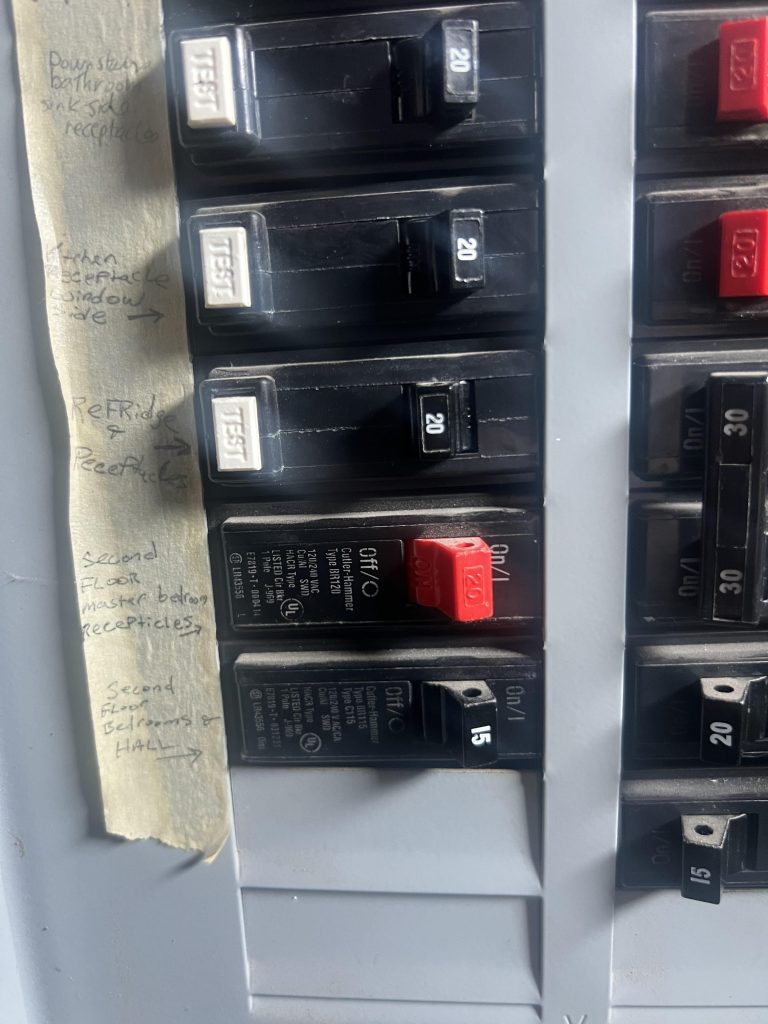
If you’ve ever experienced the frustration of a refrigerator that keeps tripping your GFCI outlet, you’re not alone. This common issue can be both perplexing and inconvenient, but don’t worry—you’re in the right place to find a solution.
Imagine the peace of mind you’ll feel once you resolve this problem and ensure your kitchen runs smoothly. You’ll not only save time but also protect your food from unexpected spoilage. In this guide, we’ll break down the reasons why your refrigerator might be causing the GFCI outlet to trip and provide straightforward steps to fix it.
Whether you’re a seasoned DIYer or just someone who wants to understand your kitchen appliances better, these insights are crafted with you in mind. Stick around to discover how you can restore harmony in your kitchen setup and keep your appliances running without a hitch.

Credit: www.onesto-ep.com
Why Refrigerators Trip Gfci Outlets
Understanding why refrigerators trip GFCI outlets is key to fixing the problem effectively. GFCI outlets are designed to protect you from electrical shocks, but refrigerators have unique electrical behaviors that can cause unexpected trips. Knowing the root causes helps you prevent these interruptions and keep your fridge running smoothly.
Common Causes Of Gfci Trips
GFCI outlets trip when they detect an imbalance in electrical current, which may happen due to:
- Moisture or water leaks near the outlet
- Faulty wiring or loose connections in the circuit
- Electrical surges or spikes when the refrigerator compressor starts
- Internal faults within the refrigerator’s electrical components
Have you noticed your fridge trips the outlet more often during high humidity? That’s often due to moisture affecting the outlet’s sensors.
Refrigerator Electrical Characteristics
Refrigerators have compressors that cycle on and off, causing sudden changes in electrical current. These startup surges can sometimes appear as leakage current to the GFCI, triggering a trip. Additionally, some refrigerators have defrost heaters that momentarily draw extra power, which might confuse sensitive GFCI outlets.
Think about how your fridge sounds when it kicks on—it’s a sign of electrical activity that might be tripping your GFCI.
Gfci Sensitivity Explained
GFCI outlets monitor small differences between the hot and neutral wires, tripping if they detect leakage currents as low as 5 milliamps. This high sensitivity is great for safety but can cause nuisance trips with appliances like refrigerators that naturally produce minor leakage currents. Understanding this sensitivity helps you realize why a perfectly safe fridge might still cause issues.
Would you consider replacing your GFCI with a less sensitive model if it means fewer interruptions? Keep in mind, safety should never be compromised.
Diagnosing The Problem
Identifying why your refrigerator trips a GFCI outlet is crucial to fixing the issue without unnecessary expense or risk. Diagnosing the problem involves a careful look at both the outlet and the refrigerator itself. You’ll need to test electrical components and check wiring to pinpoint the fault.
Testing The Outlet And Circuit
Start by checking if the GFCI outlet is functioning properly. Press the “Test” button on the outlet to see if it trips as expected, then reset it.
If the outlet trips without the refrigerator plugged in, the problem likely lies with the outlet or the circuit, not the appliance. Try plugging the refrigerator into a regular outlet to see if it still trips.
Ask yourself: Is the circuit overloaded? Are other devices causing interference? This can help isolate the issue and avoid unnecessary repairs.
Inspecting The Refrigerator Wiring
Next, examine the refrigerator’s power cord and plug for damage. Look for cracks, frays, or burn marks that could cause a short circuit.
Check inside the plug if you feel comfortable doing so—loose or exposed wires can cause the GFCI to trip. A tight, clean connection is essential for safe operation.
Sometimes, moisture inside the wiring or compressor can trigger the GFCI. Have you noticed any water leaks or unusual humidity around the fridge?
Using A Multimeter For Troubleshooting
A multimeter is an invaluable tool to check for electrical faults. Set it to measure resistance (ohms) and test the refrigerator’s power cord and internal components.
Measure between the live and neutral wires for shorts, and from live to ground for leakage. A reading other than infinite resistance indicates a potential problem.
If you’re new to using a multimeter, practice on simple devices first. This hands-on approach will give you confidence and prevent accidental damage while troubleshooting.
Simple Fixes To Prevent Tripping
Refrigerators sometimes cause GFCI outlets to trip, cutting power unexpectedly. Simple fixes can reduce or stop this issue. These solutions help keep your fridge running without interruptions. Try these easy steps to prevent tripping and protect your appliances.
Resetting The Gfci Outlet
Start by pressing the reset button on the GFCI outlet. This action restores power after a trip. If the outlet trips frequently, test it by pressing the test button. Resetting may solve minor electrical glitches causing trips.
Keep the outlet clean and dry. Moisture can cause false trips. Regularly check the outlet for any damage or wear that might affect performance.
Relocating The Refrigerator Plug
Move the refrigerator plug to a different GFCI outlet or a non-GFCI outlet if safe. Some GFCI outlets are sensitive to the fridge’s compressor motor. Relocating reduces the chance of nuisance tripping.
Ensure the new outlet is grounded and meets electrical codes. Avoid extension cords, as they increase the risk of power issues and tripping.
Using A Dedicated Circuit
Plug the refrigerator into a dedicated circuit designed for heavy appliances. Shared circuits often overload and cause GFCI trips. A dedicated line provides stable power without interference.
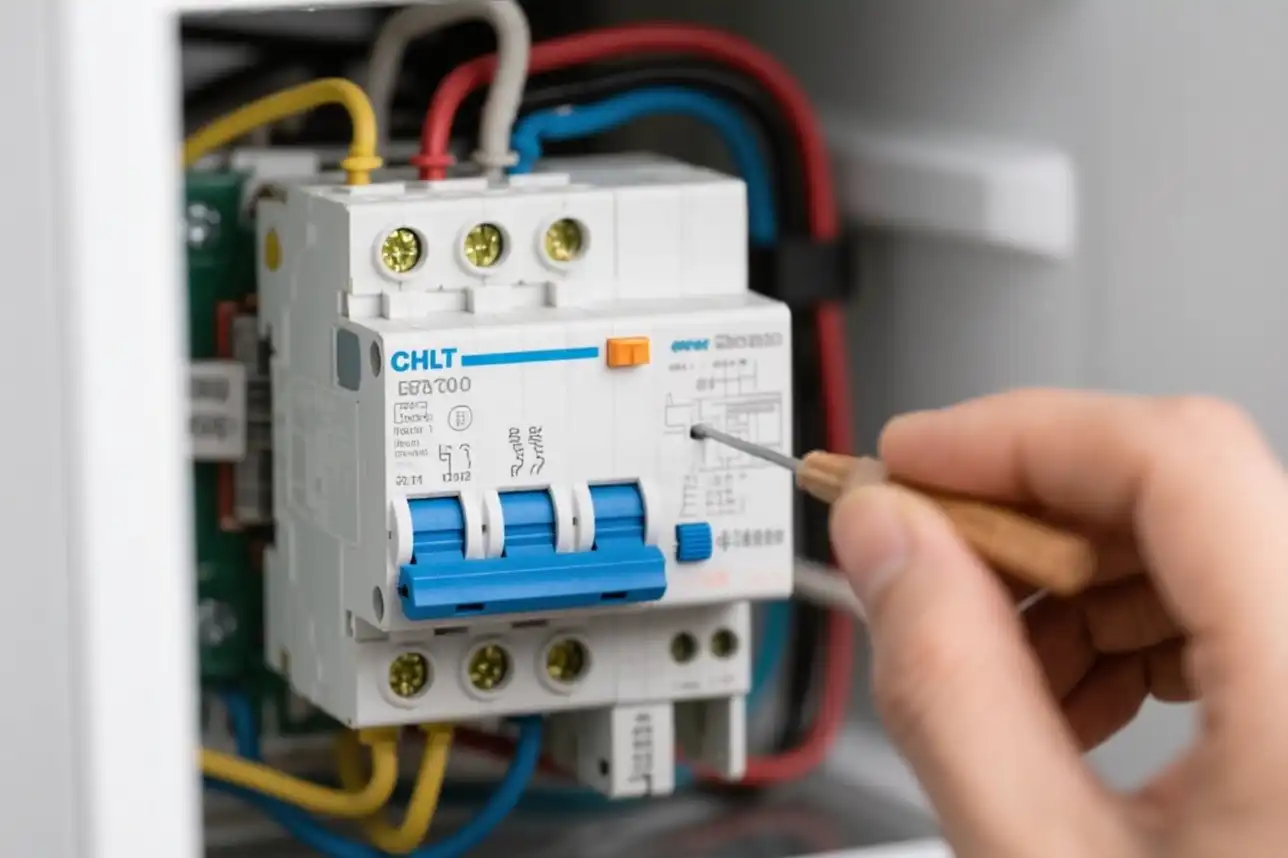
Hire an electrician to install a dedicated circuit if needed. This step improves safety and reduces electrical problems with your fridge.
Credit: www.onesto-ep.com
Advanced Solutions
Advanced solutions can help stop a refrigerator from tripping a GFCI outlet. These options go beyond basic fixes and target deeper electrical issues. They provide more reliable and lasting results. Applying these solutions often requires some technical skills or professional help.
Installing A Gfci With Higher Trip Threshold
Standard GFCI outlets may trip too easily with refrigerators. A GFCI with a higher trip threshold can tolerate small, normal electrical surges. This reduces unnecessary power cuts without compromising safety. These outlets still protect against real electrical faults. A licensed electrician should install this type of GFCI to ensure proper function and code compliance.
Adding A Surge Protector
Surge protectors guard appliances from sudden voltage spikes. Installing one between the refrigerator and outlet helps stabilize power flow. This prevents the GFCI from tripping due to minor surges. Choose a surge protector rated for refrigerators or heavy appliances. Check for certifications and adequate joule ratings for effective protection.
Replacing Faulty Refrigerator Components
Electrical faults in the refrigerator itself often cause GFCI trips. Components like compressors, defrost heaters, or wiring might be damaged. Replacing these parts can stop leakage currents that trigger the GFCI. Have a qualified technician inspect and repair the refrigerator. Regular maintenance also reduces the risk of electrical faults over time.
When To Call A Professional
Knowing when to call a professional is crucial if your refrigerator keeps tripping a GFCI outlet. Electrical problems can escalate quickly, posing risks to your safety and home. Recognizing the right moment to seek expert help can save you time, money, and stress.
Signs Of Electrical Hazards
Watch for unusual signs like frequent GFCI trips, sparks, burning smells, or warm outlets near your refrigerator. Flickering lights or a buzzing sound from the outlet also signal trouble. Ignoring these warnings could lead to electrical fires or appliance damage.
Hiring A Licensed Electrician
Choosing a licensed electrician ensures the job is done safely and up to code. They have the training to diagnose complex wiring issues that might cause your GFCI to trip. Don’t hesitate to ask for credentials and references before hiring someone.
Safety Precautions During Repairs
Before any repair, turn off power at the breaker to avoid shocks. Never attempt to fix electrical wiring unless you are confident and knowledgeable. Keeping your safety in mind protects you and prevents further damage to your refrigerator or home wiring.

Credit: appliquix.com
Frequently Asked Questions
Why Does My Refrigerator Trip The Gfci Outlet?
A refrigerator may trip a GFCI outlet due to electrical surges or motor startup currents. Faulty wiring or moisture inside the outlet can also cause this issue. GFCIs are sensitive and detect ground faults to prevent shocks, which can lead to frequent trips if the fridge has minor electrical problems.
Can A Refrigerator Cause False Gfci Trips?
Yes, refrigerators can cause false GFCI trips. The compressor draws a high starting current, sometimes triggering the GFCI. Minor leaks in insulation or internal faults may cause nuisance trips. Using a dedicated circuit or replacing the GFCI with a less sensitive model can help reduce these trips.
How Do I Stop My Refrigerator From Tripping Gfci?
To stop tripping, check for moisture or damaged wiring near the outlet. Use a dedicated circuit for the refrigerator without other appliances. Ensure the GFCI outlet is properly rated and replace it if faulty. Regular maintenance of the fridge’s electrical components also helps prevent trips.
Is It Safe To Bypass A Gfci For A Refrigerator?
No, bypassing a GFCI outlet is unsafe and not recommended. GFCIs protect against electrical shocks and fire hazards. Instead, troubleshoot the cause of tripping or consult a professional electrician. Proper installation and maintenance keep both the fridge and users safe.
Conclusion
Stopping a refrigerator from tripping a GFCI outlet needs care. Check the outlet and fridge for faults first. Avoid overloading the circuit with too many devices. Use a dedicated circuit if possible. Keep the fridge clean and well-maintained. Simple fixes can save time and money.
Stay safe by following these easy steps. Your fridge and outlet will work smoothly again. No more sudden power trips.