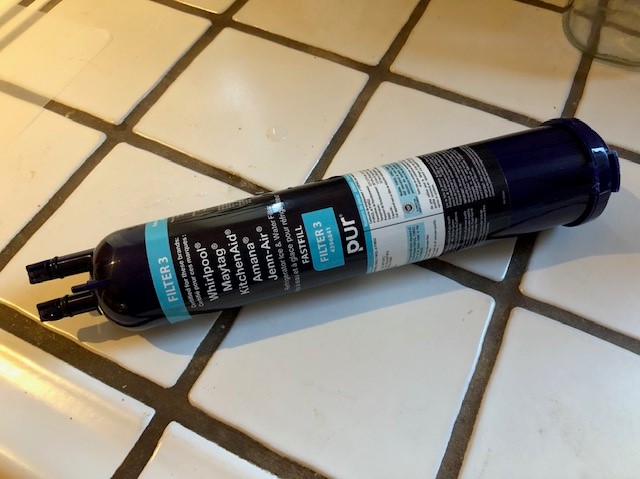
Are you staring at your old refrigerator water filter, wondering what to do with it? You’re not alone.
Many people are unsure about the right way to dispose of these filters. Tossing them in the trash might seem easy, but it isn’t always the best choice for the environment or your conscience. In this guide, you’ll discover simple and eco-friendly ways to dispose of your refrigerator water filter.
Imagine feeling good about your decision and knowing you’ve made a positive impact. Let’s dive in and explore the steps you can take today to handle this small but significant task responsibly.
Credit: www.lg.com
Types Of Refrigerator Water Filters
Refrigerator water filters come in different types, each designed to improve the taste and quality of your drinking water. Understanding the types can help you choose the right filter and know how to dispose of it properly. Let’s look at the common materials used and how often these filters need replacement.
Common Filter Materials
Most refrigerator water filters use activated carbon as their main filtering material. This carbon traps impurities like chlorine, sediment, and some harmful chemicals, making your water cleaner and better tasting.
Some filters include additional layers, such as ion exchange resins, which reduce heavy metals like lead. Others may have pleated polyester or spun polypropylene to catch larger particles.
Knowing these materials helps you understand what’s inside your filter and whether it requires special disposal methods. For example, filters with heavy metals need careful handling to avoid environmental harm.
Filter Lifespan And Replacement Frequency
Most refrigerator water filters last between 3 to 6 months, depending on your water usage and quality. If your water tastes off or the flow slows down, it’s a sign to replace the filter.
Manufacturers often recommend replacing filters every 200 to 300 gallons. But if you live in an area with hard water or high sediment, you might need to change it more often.
Keeping track of your filter’s lifespan ensures your water stays fresh and your refrigerator runs smoothly. How do you currently remember to change your filter? A simple calendar reminder can save you from bad water and extra costs.

Credit: www.dtappliance.com
Why Proper Disposal Matters
Proper disposal of your refrigerator water filter matters more than you might think. It’s not just about clearing out space or following rules—it’s about protecting the environment and your health. Throwing away these filters carelessly can lead to serious consequences that affect you and your community.
Environmental Impact Of Improper Disposal
Used water filters contain plastic and materials that don’t break down easily. When tossed in regular trash, they often end up in landfills or oceans, where they pollute soil and water.
Did you know that a single plastic filter can take hundreds of years to decompose? This slow breakdown releases harmful chemicals into the environment, affecting wildlife and plants around us.
By disposing of filters properly, you help reduce plastic waste and prevent harmful toxins from leaking out. Recycling programs or designated drop-off points exist in many areas—are you aware of where to take your old filters?
Health Risks From Contaminated Filters
Filters trap impurities, bacteria, and chemicals from your drinking water. Over time, these trapped contaminants accumulate and can become a health hazard if filters are not handled correctly.
Imagine if these dirty filters leak or get crushed in the trash—bacteria and toxins can spread, potentially contaminating local water sources or soil.
Protecting your health means treating used filters like hazardous waste. Have you considered that your old filter might carry more risks than just being old plastic?
Step-by-step Disposal Process
Disposing of a refrigerator water filter properly is essential to avoid environmental harm and ensure safety. The process is straightforward but requires attention to detail. Here’s a clear guide to help you handle this task effectively.
Removing The Filter Safely
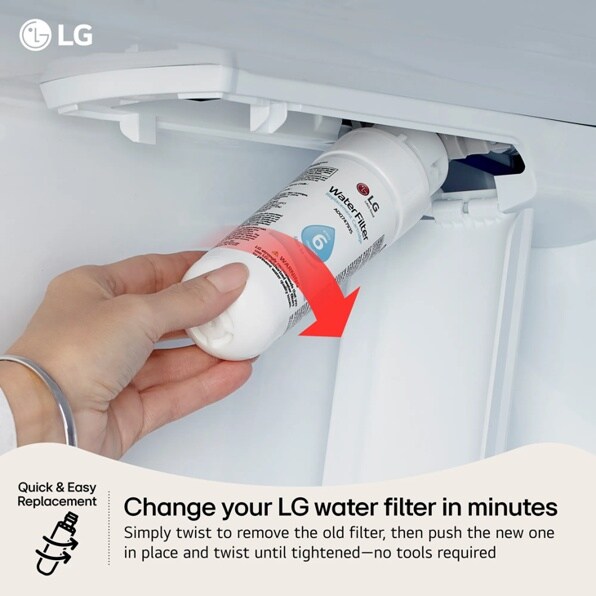
Before you start, unplug your refrigerator to prevent any electrical hazards. Locate the water filter—usually inside the fridge or at the base—and twist it gently to remove. Avoid using excessive force; if it’s stuck, try wiggling it slightly instead of pulling hard.
Wear gloves if you can, especially if the filter has been in use for a while. This protects your hands from bacteria buildup or sharp edges. Have a towel handy to catch any drips of water that might leak during removal.
Cleaning And Preparing For Disposal
Once removed, rinse the filter under running water to clear out loose debris. This step helps reduce odors and makes handling cleaner. Let the filter dry on a paper towel for a few minutes to avoid mold growth in your trash.
Check your local recycling guidelines—some filters are recyclable while others are not. If recycling isn’t an option, wrap the filter in a plastic bag or newspaper before discarding it. This prevents contamination and keeps waste collectors safe.
Have you considered turning your used filters into a small garden project? Some creative DIYers use parts for planters or craft projects, giving the filter a second life before final disposal.

Credit: berkeleyca.gov
Eco-friendly Disposal Methods
Disposing of refrigerator water filters responsibly helps reduce waste and protect nature. These filters contain plastics and materials that can harm the environment if thrown away carelessly. Choosing eco-friendly disposal methods supports recycling efforts and lowers landfill impact. Many communities offer programs to recycle or repurpose these filters safely.
Recycling Programs And Drop-off Locations
Many brands and local centers accept used water filters for recycling. These programs break down filters into reusable parts. You can find drop-off spots at stores, recycling centers, or special collection events. Some manufacturers provide mail-back options for convenience. Check with local waste management for specific guidelines. Recycling helps recover plastic and metal components effectively.
Upcycling And Reuse Ideas
Creative reuse extends the life of old water filters. They can be transformed into small planters for succulents or herbs. Some people use filter casings as organizers for desk supplies. Art projects or DIY crafts also benefit from their sturdy materials. Before reusing, clean filters thoroughly to avoid dirt or bacteria. Upcycling reduces waste and adds value to discarded items.
Alternatives To Traditional Filters
Traditional refrigerator water filters often end up in landfills, creating waste and environmental concerns. Exploring alternatives helps reduce this impact. Some options offer durability and less waste without sacrificing water quality.
Reusable Water Filters
Reusable water filters can be cleaned and used multiple times. They often have washable filter media made from materials like ceramic or carbon. This reduces the need for frequent replacements. Users save money and create less plastic waste. These filters fit many refrigerator models. They provide clean water without tossing out the entire filter cartridge.
Water Filtration Systems With Minimal Waste
Some water filtration systems use cartridges designed for easy recycling. These systems break down waste into smaller parts. This makes disposal simpler and greener. Another option uses filter elements that last longer. They reduce the number of replacements needed each year. Such systems often focus on eco-friendly packaging. They help minimize the environmental footprint of filtered water at home.
Tips To Reduce Filter Waste
Reducing filter waste is an important step toward a greener home and a healthier planet. Simple choices in how you select and maintain your refrigerator water filter can make a big difference in how often you need to replace it. This not only cuts down on waste but also saves you money over time.
Choosing Long-lasting Filters
Look for filters that are designed to last longer than standard ones. Some brands offer filters that can purify water for up to six months or more, compared to typical three-month filters. This means fewer replacements and less waste heading to the landfill.
Check product details for certifications and customer reviews that highlight durability. Choosing a high-quality filter might cost a bit more upfront but pays off by reducing how often you dispose of used filters. Have you considered how much packaging waste comes with frequent filter changes?
Maintaining Filters For Extended Use
Proper care can stretch your filter’s life. Regularly cleaning your refrigerator’s water system and following manufacturer instructions help keep filters working efficiently. Avoid ignoring warning signs like slow water flow or strange tastes, as these can mean your filter needs attention but might not always require immediate replacement.
Think about flushing your filter with clean water if recommended. This small step can clear out trapped particles and improve performance. Have you noticed how a little maintenance sometimes prevents bigger problems later?
Frequently Asked Questions
How Should I Dispose Of A Refrigerator Water Filter?
You should recycle your refrigerator water filter if possible. Check local recycling programs or manufacturer take-back options. If recycling is unavailable, dispose of it in regular trash following local waste guidelines.
Can Refrigerator Water Filters Be Recycled Safely?
Yes, many refrigerator water filters contain recyclable plastic and materials. Contact your local recycling center or the filter brand for specific recycling instructions and programs.
Is It Harmful To Throw Water Filters In The Trash?
Throwing water filters in the trash can harm the environment. Filters contain contaminants and plastics that may pollute landfills. Recycling or proper disposal is strongly recommended.
How Often Should I Replace And Dispose Of Water Filters?
Replace your refrigerator water filter every 6 months or as recommended. Dispose of the old filter promptly to maintain water quality and avoid contamination.
Conclusion
Proper disposal of a refrigerator water filter helps protect the environment. Many filters contain plastic and small parts that need special handling. Check local recycling rules before throwing the filter away. Some stores offer recycling programs for used filters. Never toss filters in regular trash if recycling is possible.
Taking time to dispose of filters correctly saves resources. It also keeps harmful materials out of landfills. Small actions like this make a big difference. Keep your home and planet clean by disposing responsibly. Simple steps matter for a healthier world.