Are you worried about a refrigerant leak in your air conditioning or refrigeration system? If so, you’re not alone.
Detecting a refrigerant leak can be a daunting task, but it’s crucial for maintaining efficiency and preventing costly damage. In this guide, you’ll discover the various methods available to pinpoint these sneaky leaks. From traditional techniques to cutting-edge technology, we’ll explore how each approach works and why it’s important for your system’s health.
Stay with us, and you’ll gain the knowledge and confidence to tackle this common yet challenging issue head-on. You don’t want to miss this essential information that could save you time and money!

Credit: insights.carbonconnector.com
Common Signs Of Refrigerant Leaks
Detecting a refrigerant leak early can save your air conditioning system from serious damage. Certain signs often indicate the presence of a leak. Knowing these signs helps you act quickly. This section covers the common signs that suggest refrigerant is leaking from your system.
Decreased Cooling Efficiency
Your AC may not cool the room as well as before. The temperature stays higher than usual. The system runs longer but cools less. This happens because less refrigerant lowers the cooling power. Watch for uneven cooling in different rooms too.
Ice Formation On Coils
Frost or ice may form on the evaporator coils. Ice build-up looks like white or clear frost. It blocks airflow and reduces cooling. Ice forms because the refrigerant level is low. This causes the coils to become too cold and freeze.
Hissing Or Bubbling Sounds
Unusual noises near your AC unit can signal a leak. A hissing or bubbling sound means refrigerant is escaping. These sounds occur because gas or liquid refrigerant leaks under pressure. Listen closely around the refrigerant lines and coils for these noises.
Visual Inspection Techniques
Visual inspection techniques are a straightforward way to spot refrigerant leaks without needing complex tools. These methods rely on your keen observation skills to identify signs that refrigerant might be escaping. While visual checks might seem simple, they can save you time and money by catching leaks early.
Checking For Oil Residue
Refrigerant leaks often leave behind oily stains because refrigerant carries compressor oil with it when it escapes. Look closely around joints, connections, and valves for any greasy or wet spots. Even a small oil residue can indicate a slow leak that might not be obvious otherwise.
Have you ever missed a leak just because the oil was barely visible? Using a flashlight can help highlight these subtle signs, especially in dimly lit areas. Pay attention to unusual discoloration or sticky patches on metal surfaces.
Inspecting Refrigerant Lines
Refrigerant lines are common leak points due to vibration and wear. Carefully examine the entire length of these lines for cracks, corrosion, or damaged insulation. Damaged insulation can also hint at leaks since escaping refrigerant tends to cause frost or wet spots.
Don’t forget to check fittings and bends where stress is higher. You might find tiny bubbles or moisture build-up around these spots, which often go unnoticed. Are your eyes trained to spot these small but critical details?
Using Uv Dye
UV dye is a powerful tool that makes leaks visible under ultraviolet light. You add the dye to the refrigerant system, run it for a while, then inspect with a UV lamp. Leaks will glow brightly, revealing the exact location.
This method is especially useful when other signs like oil residue aren’t obvious. It’s also helpful in complex systems where pinpointing leaks visually is challenging. Have you tried using UV dye to make hidden leaks impossible to miss?
Electronic Leak Detectors
Electronic leak detectors are a popular choice for identifying refrigerant leaks quickly and accurately. These devices detect the presence of refrigerant gas in the air, alerting you to leaks that might otherwise go unnoticed. If you’ve ever struggled to find a tiny leak in a complex HVAC system, electronic detectors can save you time and frustration.
How Electronic Detectors Work
Electronic leak detectors sense refrigerant molecules by detecting changes in electrical conductivity or by using sensors that respond to specific gases. When refrigerant molecules come into contact with the sensor, the device signals the presence of a leak through sound or visual alerts.
The sensitivity of these detectors allows you to pinpoint even small leaks quickly. Some models adjust their sensitivity automatically, making it easier to use in different environments.
Types Of Electronic Detectors
- Halide Torch Detectors:These use a flame to detect refrigerant leaks but are less common due to safety concerns.
- Infrared Detectors:Detect refrigerant by measuring the absorption of infrared light. They are highly sensitive but more expensive.
- Ultrasonic Detectors:These pick up the ultrasonic sound generated by gas escaping under pressure.
- Heated Diode Detectors:Common and affordable, these detect refrigerant by changes in electrical resistance caused by gas molecules.
Pros And Cons
| Pros | Cons |
|---|---|
|
|
Have you noticed how a simple, handheld device can cut down hours of searching for leaks? Choosing the right electronic detector depends on your specific needs and budget. What features matter most to you when hunting for refrigerant leaks?
Soap Bubble Method
The soap bubble method is a simple and effective way to detect refrigerant leaks without needing expensive equipment. It relies on a basic chemical reaction you can create with household items. This method helps you pinpoint leaks by visually spotting bubbles that form where gas escapes.
Applying Soap Solution
Start by mixing a few drops of dish soap with water to create a soapy solution. Use a spray bottle or a brush to apply this solution generously over the suspected leak areas, such as joints, valves, or pipe connections.
Make sure the surface is clean and dry before applying the solution, so bubbles can form easily. If you’ve ever tried this on a bike tire or a garden hose, you know how satisfying it is to watch bubbles reveal the problem.
Identifying Bubble Formation
Once the solution is applied, watch closely for bubbles appearing on the surface. Even tiny bubbles indicate escaping refrigerant gas, signaling a leak. The bubbles may appear steady or grow over time, depending on the leak size.
Try moving slowly and observing from different angles. Sometimes leaks are subtle, and the soap film can help you catch the smallest hisses of escaping gas that you might otherwise miss.
Limitations
The soap bubble method works best for visible and accessible areas. It may not detect very small leaks or leaks hidden inside equipment. Also, if the area is windy or wet, bubbles might not form properly or may burst too quickly.
Remember, this method won’t measure leak size or pressure levels, so it’s more of a first step in leak detection. If you don’t see bubbles but still suspect a leak, consider more sensitive tools like electronic leak detectors or UV dye tests.
Pressure Testing
Pressure testing is a reliable way to detect refrigerant leaks by checking if a system can hold pressure without losing it. This method helps you identify leaks early before they cause major damage or efficiency loss. It involves pressurizing the refrigeration system and observing any pressure changes over time.
Using Nitrogen For Pressure Test
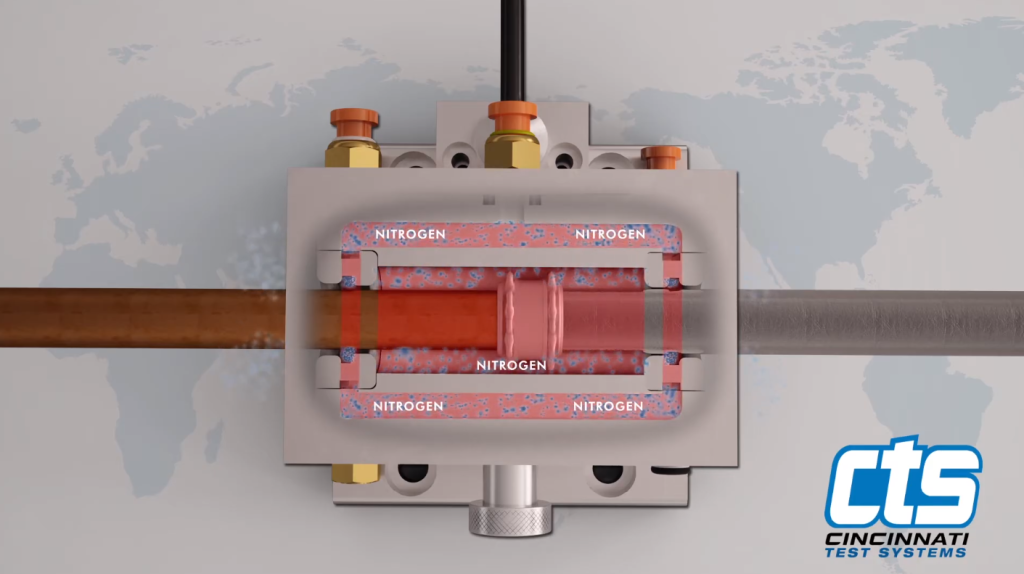
Nitrogen is the preferred gas for pressure testing because it is inert and non-flammable, making it safe to use around electrical components and refrigerants. You fill the system with nitrogen to a specific pressure level, usually a bit higher than the system’s normal operating pressure.
Using nitrogen prevents moisture contamination, which can happen if you use compressed air. Moisture inside the system can cause corrosion and ice formation, leading to more problems down the line.
Interpreting Pressure Drops
Once the system is pressurized, you watch for any pressure drops over a set period. A steady drop indicates a leak, but small fluctuations might happen due to temperature changes, so understanding the context is key.
To pinpoint the leak, you might combine pressure testing with soap bubble solutions or electronic leak detectors. Have you noticed how a tiny pressure drop can save you hours of guesswork?
Safety Precautions
Always wear safety goggles and gloves when performing pressure tests to protect yourself from sudden gas releases. Make sure the system is rated for the test pressure to avoid damage or accidents.
Release pressure slowly after the test to prevent a rapid decompression event. Handling pressurized gases carelessly can be dangerous, so double-check your setup before starting.

Credit: www.achrnews.com
Ultrasonic Leak Detection
Ultrasonic leak detection offers a smart way to find refrigerant leaks by listening for sounds beyond normal human hearing. This method picks up high-frequency noises created by escaping gas, making it easier to pinpoint leaks quickly and accurately. If you want to catch leaks without invasive tools or messy sprays, ultrasonic detection might be the tool you need.
Detecting High-frequency Sounds
When refrigerant leaks, it creates ultrasonic sound waves that your ear cannot hear naturally. Ultrasonic detectors translate these high-frequency sounds into audible signals or visual indicators. This helps you locate even the smallest leaks hidden behind panels or in tight spaces.
Have you ever struggled to find a leak that seemed invisible? Ultrasonic detection gives you a new sense—almost like a superpower to hear what’s normally silent.
Equipment Needed
- Ultrasonic Leak Detector:The main device that captures and converts ultrasonic sounds.
- Headphones:To clearly hear the converted signals without background noise interference.
- Calibration Tools:Some models require calibration to ensure accuracy.
- Optional Accessories:Directional microphones or probes can help focus on specific areas.
Most handheld ultrasonic detectors are portable and user-friendly. You don’t need complex setup or training to start using one effectively.
Applications
Ultrasonic leak detection shines in environments where traditional methods might fail. It works well in noisy or hard-to-reach places where sprays or dyes can’t be applied easily.
Technicians use ultrasonic detection in HVAC systems, refrigeration units, and even automotive air conditioning. It’s especially helpful for ongoing maintenance because it can detect leaks before they cause major damage.
What part of your system would benefit most from a non-intrusive, fast leak check? Trying ultrasonic detection might reveal issues you didn’t even know existed.
Using Refrigerant Sniffers
Using refrigerant sniffers offers a quick and efficient way to find leaks in HVAC systems. These devices detect refrigerant gas escaping from pipes or fittings. They help technicians locate leaks that are invisible to the eye. Refrigerant sniffers vary in sensitivity and design but serve the same purpose: early leak detection.
Sensitivity Levels
Sensitivity determines how small a leak the sniffer can detect. High-sensitivity sniffers pick up even tiny leaks quickly. Lower sensitivity devices require larger leaks to trigger an alert. Choosing the right sensitivity depends on the system size and refrigerant type. Some sniffers allow users to adjust sensitivity to match job conditions.
Proper Usage Tips
- Turn on the sniffer before approaching the system.
- Move the probe slowly along pipes and joints.
- Avoid strong winds that can disperse refrigerant gas.
- Keep the probe tip clean for accurate detection.
- Calibrate the device regularly to maintain reliability.
Common Brands
| Brand | Key Features | Price Range |
|---|---|---|
| Fieldpiece | Adjustable sensitivity, easy-to-read display | $$ |
| Inficon | High sensitivity, durable design | $$$ |
| Robinair | Fast response, compact size | $ |
Benefits Of Regular Leak Testing
Regular leak testing of refrigerant systems offers many important benefits. It helps maintain system performance and prevents small issues from turning into big problems. Checking for leaks often ensures safety and reliability in your cooling equipment.
Energy Efficiency
Leaks reduce the cooling system’s ability to work properly. The system must run longer to reach the desired temperature. This wastes energy and increases electricity use. Regular testing keeps the system tight and running smoothly. It lowers energy waste and helps save power.
Environmental Impact
Refrigerants can harm the environment if they escape. Many refrigerants contribute to global warming and ozone damage. Finding leaks early stops harmful gases from leaking into the air. Regular testing protects the environment. It supports cleaner air and reduces pollution risks.
Cost Savings
Leak testing prevents costly repairs by catching problems early. Lost refrigerant means more frequent refills, which cost money. A system with leaks also uses more power, raising bills. Regular checks lower repair costs and energy expenses. This keeps your budget safe and your system healthy.

Credit: www.achrnews.com
Frequently Asked Questions
What Are Common Methods To Detect Refrigerant Leaks?
Common methods include using electronic leak detectors, UV dye, soap bubble tests, and pressure gauges. Each technique offers quick and accurate leak identification. Choosing the right method depends on the system type and leak size. Combining methods often improves detection accuracy and reliability.
How Does An Electronic Leak Detector Work?
An electronic leak detector senses refrigerant gas in the air using sensors. It emits an audible or visual alert when detecting leaks. These detectors are highly sensitive and can find small leaks quickly. They are widely used in HVAC maintenance for their efficiency and ease.
Can Uv Dye Help Find Refrigerant Leaks?
Yes, UV dye is added to the refrigerant and circulates in the system. When leaks occur, the dye escapes and glows under UV light. This method is useful for visually pinpointing leak locations. It is non-invasive and helps in detecting hard-to-find leaks.
Is Soap Bubble Test Effective For Leak Detection?
Soap bubble tests involve applying soapy water to suspected leak areas. Bubbles form where refrigerant escapes, indicating a leak. It’s a simple, low-cost method suitable for visible pipe joints and fittings. However, it may miss very small or internal leaks.
Conclusion
Testing for refrigerant leaks can be done in many simple ways. Each method has its own strengths and suits different needs. Choosing the right test helps find leaks quickly and saves energy. Regular checks keep systems running smoothly and prevent costly repairs.
Understanding these methods empowers you to maintain your equipment better. Keep your tools ready and test often for best results. A small effort today avoids big problems tomorrow.