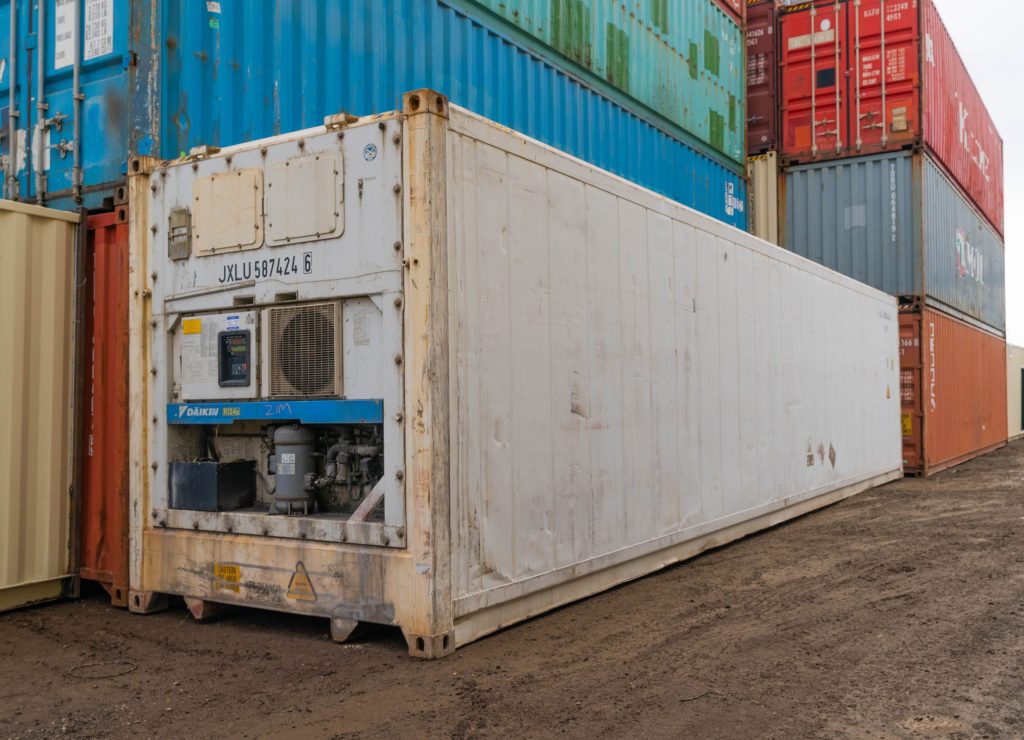
Are you wondering how much refrigerated shipping will cost you? Whether you’re a small business owner shipping perishable goods or an individual looking to send a temperature-sensitive package, understanding the costs involved can save you time and money.
Refrigerated shipping isn’t just about keeping items cool; it’s about ensuring they arrive fresh and intact. But how much should you budget for this service? You’ll discover the key factors that influence refrigerated shipping costs, helping you make informed decisions.
Don’t let unexpected fees catch you off guard—read on to get a clear picture of what to expect and how to optimize your shipping expenses.
Factors Affecting Refrigerated Shipping Costs
Understanding the factors that affect refrigerated shipping costs is key to managing your budget effectively. These costs can vary widely depending on several elements that influence how much you pay. Knowing what drives these expenses helps you make smarter choices for your shipping needs.
Distance And Route Impact
Longer distances generally mean higher costs because the shipment requires more fuel and time. But the route also matters—some paths have tolls or require special permits that add to expenses. Have you ever wondered why shipping to a nearby city can sometimes cost more than a longer trip? It might be due to route complexities or less frequent service.
Type Of Goods Shipped
The nature of your cargo affects the cost significantly. Perishable items like fresh seafood or pharmaceuticals need stricter temperature controls, which raises prices. Shipping frozen foods might require different handling than chilled produce, so your specific product influences the refrigeration technology and monitoring used.
Packaging And Insulation
Proper packaging reduces temperature fluctuations and prevents spoilage, but it can add to your shipping expenses. High-quality insulation materials keep goods at the right temperature longer, especially during delays. Have you noticed how some shipments come with extra layers or gel packs? Those small additions help protect your items but also increase costs.
Seasonal Demand Variations
Shipping costs can spike during certain seasons when demand for refrigerated transport rises. Summer months, for instance, often see higher prices due to increased need for cooling shipments. Planning your shipments during off-peak times could save you money and avoid last-minute premium charges.
Fuel Prices And Surcharges
Fuel costs directly impact refrigerated shipping prices because trucks and planes consume more energy to maintain cold temperatures. When fuel prices climb, carriers usually add surcharges to cover extra expenses. Watching fuel trends can help you decide when to schedule shipments or negotiate better rates with your provider.

Credit: www.freightos.com
Common Pricing Models
Understanding common pricing models helps to estimate refrigerated shipping costs better. Different carriers use various ways to charge for their services. These models affect the final price and the way you plan your shipment.
Flat Rate Vs. Variable Pricing
Flat rate means a fixed cost for shipping, regardless of weight or distance. This pricing is simple and easy to predict. Variable pricing changes based on factors like distance, weight, and temperature needs. It offers flexibility but can be harder to estimate.
Per Pound Or Per Cubic Foot Charges
Some carriers charge based on the weight of the shipment, known as per pound pricing. Others use volume, charging per cubic foot, especially for bulky but light items. Choosing the right model depends on your cargo’s size and weight. Heavy goods cost more with weight-based pricing. Large but light goods cost more with volume-based pricing.
Minimum Fees And Accessorial Charges
Minimum fees set the lowest price for any shipment. Even small shipments pay this fee. Accessorial charges cover extra services like loading, unloading, or temperature control. These fees can add up and increase the total cost. Always check for these charges before booking shipping.
Cost Breakdown By Shipping Method
Refrigerated shipping costs vary widely depending on the transport method. Each shipping mode has unique expenses based on distance, speed, and cargo type. Understanding these costs helps businesses choose the best option for their needs.
Below is a detailed cost breakdown by shipping method. This guide covers trucking, air freight, and sea freight refrigeration expenses.
Refrigerated Trucking Costs
Refrigerated trucking is common for short to medium distances. Costs include fuel, driver wages, and refrigeration equipment operation. Prices depend on distance, weight, and route complexity.
- Base rate per mile ranges from $1.50 to $3.00
- Extra fees may apply for temperature control and special handling
- Loading and unloading charges can add to total cost
Trucking offers flexibility and quick delivery for regional shipments.
Air Freight For Perishables
Air freight is fastest but costs the most. It suits high-value or extremely perishable goods. Pricing depends on weight, volume, and distance.
- Rates typically range from $4 to $10 per kilogram
- Special refrigeration units increase fuel and handling costs
- Additional fees for urgent or overnight delivery
Air freight reduces spoilage risks but requires higher budget.
Sea Freight Refrigeration Expenses
Sea freight handles large volumes at lower costs. It suits non-urgent shipments. Expenses include container rental, refrigeration energy, and port fees.
- Costs vary from $1,000 to $4,000 per container per shipment
- Refrigeration adds around 10-20% to regular sea freight rates
- Long transit times increase refrigeration fuel consumption
Sea freight is cost-effective but slower than other methods.
Tips To Reduce Refrigerated Shipping Costs
Reducing refrigerated shipping costs can make a big difference to your bottom line. Small changes in how you package, schedule, and combine your shipments can lead to significant savings. Let’s dive into some practical tips you can start using today to keep your refrigerated shipping expenses under control.
Optimizing Packaging
Using the right packaging keeps your products cold without wasting space or materials. Choose insulated containers that fit your items snugly to avoid extra cooling needs. Sometimes, swapping bulky ice packs for gel packs can lower weight and shipping fees.
Think about this: Are you using oversized boxes that increase volume charges? Downsizing your packaging not only saves money but also reduces environmental waste. Efficient packaging also helps prevent damage, cutting down on costly returns.
Consolidating Shipments
Shipping multiple smaller orders separately often costs more than sending one larger shipment. Combining your refrigerated goods into fewer shipments can reduce handling fees and fuel surcharges. This approach also simplifies tracking and reduces the chance of delays.
Ask yourself if you can coordinate with suppliers or customers to schedule bulk shipments. Even shifting from daily to weekly deliveries could lead to noticeable savings. Remember, less frequent shipments mean fewer opportunities for temperature fluctuations, improving product quality.
Choosing Off-peak Shipping Times
Shipping during off-peak hours or days can lower your costs significantly. Many carriers offer discounts for early morning or late evening pickups. Avoiding weekends and holidays can also reduce fees and speed up transit times.
Consider how your shipping schedule aligns with carrier demand patterns. Could adjusting your dispatch times save you money without disrupting your supply chain? Testing different time slots may reveal surprising cost differences worth capitalizing on.
How To Get Accurate Shipping Quotes
Getting an accurate shipping quote for refrigerated goods can feel tricky. Prices depend on many factors like distance, weight, temperature needs, and timing. To avoid surprises and budget wisely, you need precise quotes that reflect your specific shipment details.
Using Online Calculators
Online calculators offer a quick way to estimate refrigerated shipping costs. You simply enter key details such as pickup and delivery locations, shipment weight, and required temperature range.
These tools provide instant estimates, helping you compare prices from multiple carriers. However, keep in mind that calculators might not capture all nuances like special handling or urgent delivery fees. Have you tried using these tools for your shipments yet? They can save time but sometimes need follow-up for clarity.
Consulting With Freight Brokers
Freight brokers act as intermediaries between you and carriers, leveraging their industry connections to find competitive rates. They understand the market and can negotiate deals tailored to your refrigerated shipping needs.
Working with a broker can uncover cost-saving opportunities you might miss on your own. But remember to ask about their fees and how transparent they are with pricing. Could a broker’s expertise be the difference in managing complex shipments for you?
Requesting Detailed Estimates
When you reach out to shipping companies, ask for detailed quotes that break down costs clearly. Look for line items such as fuel surcharges, refrigeration fees, and any additional service charges.
Detailed estimates help you spot hidden costs and compare offers more effectively. Don’t hesitate to ask follow-up questions if something is unclear. How often do you receive quotes that leave you guessing about the final price? Detailed estimates give you control over your shipping budget and reduce surprises.

Credit: reefervannetwork.com
Emerging Trends Impacting Costs In 2025
Costs for refrigerated shipping are changing in 2025. New trends are shaping prices and services. These trends affect how businesses plan their budgets for cold transport. Understanding these changes helps companies stay competitive and efficient.
Advancements In Refrigeration Technology
New refrigeration systems use less energy and cool faster. These advances reduce fuel costs and maintenance needs. Improved insulation materials keep cargo colder longer. Tech upgrades also allow better temperature control. This means less spoilage and fewer losses. Over time, these changes lower overall shipping expenses.
Sustainability And Green Shipping Initiatives
Shipping companies adopt eco-friendly practices to cut emissions. Use of electric and hybrid refrigerated trucks is growing. Renewable energy sources power some cold storage facilities. These steps add costs upfront but save money later. Green shipping also meets stricter government rules. Businesses investing in sustainability may get tax benefits or incentives.
Automation And Smart Logistics
Automation streamlines loading, unloading, and monitoring processes. Smart sensors track cargo conditions in real time. Data helps prevent delays and reduce waste. Automated routes optimize fuel use and delivery times. These technologies lower labor costs and improve reliability. Smarter logistics means better cost control for refrigerated shipping.

Credit: targetbox.ca
Frequently Asked Questions
What Factors Affect Refrigerated Shipping Costs?
Refrigerated shipping costs depend on distance, shipment size, temperature needs, and fuel prices. Seasonal demand and delivery speed also impact prices.
How Much Does Refrigerated Shipping Cost Per Mile?
On average, refrigerated shipping costs range from $1. 50 to $3. 00 per mile. Prices vary based on load size and route specifics.
Are There Extra Fees In Refrigerated Shipping?
Yes, extra fees may include fuel surcharges, handling charges, and special packaging costs. These fees vary by carrier and service type.
Can Packaging Affect Refrigerated Shipping Cost?
Proper packaging reduces spoilage but may add to weight and size, slightly increasing costs. Efficient packaging balances protection and cost-effectiveness.
Conclusion
Refrigerated shipping costs depend on many factors. Distance, package size, and temperature needs all matter. Choosing the right service can save money. Planning ahead helps avoid extra fees. Always compare prices before deciding. Keeping goods fresh is worth the cost.
Understanding these basics makes shipping easier. Stay informed to make smart shipping choices.