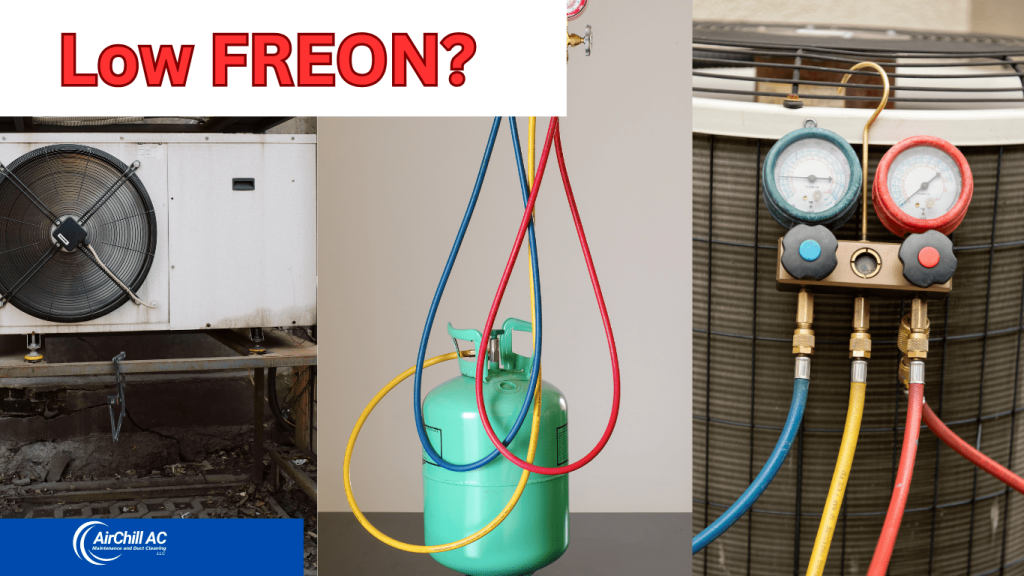
When the chill of winter sets in, the last thing you want is a heating system that blows cold air. If you’ve found yourself shivering despite cranking up the thermostat, you might be wondering if low refrigerant is the culprit.
Could this seemingly small issue be the reason your home feels more like a walk-in freezer than a cozy haven? You’re not alone in this puzzle, and unraveling it can save you both discomfort and money. Understanding how refrigerant levels impact your heating system is crucial.
This knowledge not only arms you with the power to diagnose problems but also helps you make informed decisions about repairs and maintenance. Stay with us as we delve deeper into the connection between refrigerant levels and heating efficiency. Discover what signs to watch for, and learn the best steps to take if low refrigerant is leaving you out in the cold. Your comfort is just a read away!
Credit: nicksac.com
How Refrigerant Affects Heating
Understanding how refrigerant affects heating can help you spot problems before they leave you in the cold. Refrigerant is often associated with cooling, but it plays a crucial role in heating systems too. Low refrigerant levels can disrupt this balance, causing your heater to perform poorly or stop working altogether.
Role Of Refrigerant In Hvac Systems
Refrigerant moves heat from one place to another in your HVAC system. In cooling mode, it absorbs heat from inside your home and releases it outside. When heating, especially in heat pumps, refrigerant reverses this process, pulling heat from outside air and delivering it indoors.
Without enough refrigerant, your system can’t transfer heat efficiently. This makes your heater work harder, increasing energy costs and wear on components. Have you ever noticed your heat pump running nonstop without warming your space? Low refrigerant could be the reason.
Impact On Heat Generation
Low refrigerant levels reduce the system’s ability to generate heat effectively. The compressor struggles to maintain the right pressure, leading to insufficient heat output. This often results in uneven heating or no heat at all.
Additionally, low refrigerant can cause the evaporator coil to freeze, blocking heat transfer. This stops warm air from circulating and can damage your system over time. If your heater feels weak or your energy bills spike, checking refrigerant levels should be a priority.

Credit: crewairconditioning.com
Signs Of Low Refrigerant
Noticing signs of low refrigerant early can save you from costly repairs and uncomfortable days without heat. Low refrigerant doesn’t just reduce your system’s cooling ability—it can also cause your heating to fail. Recognizing the symptoms helps you decide when to call a professional before the problem worsens.
Reduced Heating Efficiency
If your heater suddenly struggles to warm your home, low refrigerant might be the cause. You may find that rooms take longer to heat or never reach your desired temperature. This inefficiency often means your system is working harder but delivering less warmth.
Unusual Noises And Frost
Have you heard strange sounds like hissing or bubbling from your heating unit? These noises can indicate refrigerant leaks. Additionally, frost or ice buildup on the heat exchanger or refrigerant lines is a clear sign that the refrigerant level is too low.
Frequent Cycling
Does your heater switch on and off more often than usual? Frequent cycling can be a direct result of low refrigerant. Your system short-cycles because it can’t maintain a stable temperature, which stresses the components and raises your energy bills.
Common Causes Of Low Refrigerant
Low refrigerant levels in heating systems often cause no heat issues. Understanding why refrigerant runs low helps prevent system failures. Several common factors lead to refrigerant loss. These include leaks, poor installation, and natural wear over time. Each cause affects the system differently but results in reduced heating performance.
Leaks In The System
Leaks are the main reason refrigerant levels drop. Small holes or cracks in pipes or coils let refrigerant escape. Leaks often occur at joints or where parts connect. Corrosion and physical damage also create openings. Detecting leaks early prevents major heating problems. Professionals use special tools to find and fix leaks quickly.
Improper Installation
Incorrect installation can cause low refrigerant. If the system is not sealed properly, refrigerant escapes. Poor connections and loose fittings increase leak risks. The wrong refrigerant amount may be added during setup. These errors reduce system efficiency and cause heating failures. Proper installation ensures the right refrigerant charge and tight seals.
Wear And Tear
Over time, system parts wear down naturally. Old pipes and components develop cracks or corrosion. This wear allows refrigerant to leak slowly. Frequent use speeds up the process. Regular maintenance helps catch wear before it causes low refrigerant. Replacing worn parts keeps the system running smoothly.
Why Low Refrigerant Can Stop Heat
Low refrigerant in a heating system can cause it to stop producing heat. Refrigerant is vital for transferring heat inside HVAC units. Without enough refrigerant, the system cannot work properly. This leads to a lack of warm air in your home. Understanding why low refrigerant stops heat helps you spot problems early. It also shows why professional help is important for repairs.
Pressure Drops And System Shutdown
Refrigerant keeps pressure balanced inside the system. When levels drop, pressure falls too. Low pressure triggers safety switches to stop the system. This shutdown prevents damage to key parts. The system cannot heat air without correct pressure. Pressure drops also reduce heat transfer, making the system less effective.
Compressor Damage Risks
The compressor relies on refrigerant for cooling and lubrication. Low refrigerant causes the compressor to overheat. Overheating can cause permanent damage to the compressor. A damaged compressor stops the heating system completely. Repairing or replacing a compressor is costly and time-consuming. Maintaining proper refrigerant levels protects the compressor and ensures steady heat output.
Diagnosing Refrigerant Issues
Diagnosing refrigerant issues is essential for fixing heating problems in your HVAC system. Low refrigerant can stop your heater from working properly. Detecting leaks and checking refrigerant levels helps identify the problem early. This prevents more damage and costly repairs.
Professional Leak Detection
Experts use special tools to find refrigerant leaks quickly. They may apply a soap solution to pipes and connections. Bubbles form where gas escapes. Electronic leak detectors sense small amounts of refrigerant in the air. Professional detection ensures no leaks go unnoticed.
Timely leak detection keeps your system running efficiently. It also protects the environment from harmful refrigerant release. Trust trained technicians for accurate and safe leak checks.
Checking System Pressures
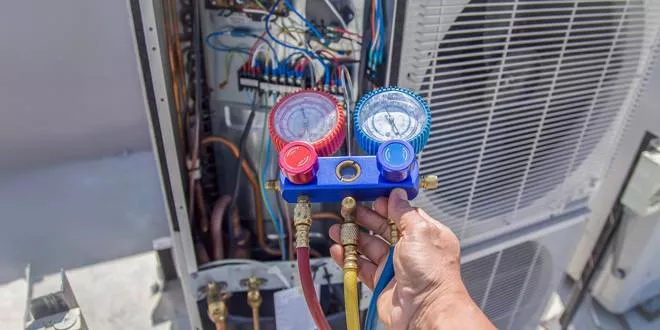
Measuring refrigerant pressure reveals if levels are too low or high. Pressure gauges attach to service ports on the unit. Technicians compare readings to manufacturer specifications. Low pressure usually means a leak or insufficient refrigerant charge.
Pressure checks help diagnose system problems fast. They guide the right amount of refrigerant to add. Balanced pressure keeps heating performance steady and reliable.
Fixing Low Refrigerant Problems
Fixing low refrigerant problems is essential to restore your heating system’s efficiency and comfort. Low refrigerant doesn’t just reduce heat output; it can also damage your equipment over time. Addressing the issue quickly ensures your system runs smoothly and prevents costly repairs down the line.
Leak Repairs
Low refrigerant usually means there’s a leak somewhere in your system. Locating the leak is the first step, but it’s not always easy. Technicians use special tools like electronic leak detectors or UV dyes to find even the smallest holes.
Once the leak is found, it must be sealed properly to prevent refrigerant from escaping again. Ignoring a leak might seem like a quick fix, but it will lead to repeated refrigerant loss and poor heating performance. Have you checked your system for leaks if your heater feels weak?
Recharging Refrigerant
After fixing leaks, the refrigerant needs to be recharged to the correct level. Too little refrigerant means your system can’t produce enough heat; too much can cause pressure problems. Proper charging requires precise measurement tools that professionals use to match manufacturer specifications.
Recharging refrigerant isn’t a DIY task because handling refrigerants requires certification and safety knowledge. If you’ve ever wondered why your heating system isn’t warming your home properly, improper refrigerant levels might be the culprit. How often do you have your HVAC system checked by a professional?
System Maintenance Tips
Keeping your heating system in good shape prevents refrigerant issues from recurring. Regular maintenance includes checking for leaks, cleaning coils, and ensuring all parts work properly. Simple steps like replacing air filters can improve airflow and reduce strain on your system.
- Schedule annual HVAC inspections with a licensed technician.
- Keep outdoor units free of debris and dirt.
- Listen for unusual noises that might indicate refrigerant leaks.
Maintaining your system may seem like extra work, but it saves money and keeps your home comfortable. When was the last time you had your heating system fully serviced?
Preventing Refrigerant Loss
Preventing refrigerant loss is key to keeping your heating system working well. Low refrigerant levels can stop your system from producing heat effectively. Taking simple steps can help maintain the right refrigerant amount and avoid costly repairs.
Regular Inspections
Schedule routine checks for your heating system. Technicians can spot leaks or damage early. Catching problems early stops refrigerant from escaping. Inspections also ensure the system runs efficiently and safely.
Quality Installation Practices
Proper installation prevents many refrigerant issues. Use experienced professionals for setup. They follow guidelines to avoid leaks and damage. Good installation supports long-term system performance and reliability.
Timely Repairs
Fix leaks or damage as soon as possible. Delaying repairs lets refrigerant levels drop further. Prompt action restores heating function quickly. Regular maintenance keeps your system in good shape and prevents heat loss.
Other Causes Of No Heat
Low refrigerant isn’t the only reason your heating system might stop working. Several other issues can cause your heater to blow cold air or fail to turn on altogether. Understanding these common problems can help you troubleshoot effectively and decide when to call a professional.
Thermostat Issues
Your thermostat controls the temperature in your home, so if it’s malfunctioning, your heater won’t respond properly. Sometimes the thermostat is set incorrectly or the batteries are dead, leading to no heat. Have you ever thought that a simple thermostat reset or replacement could solve your heating problems?
Another common issue is a faulty thermostat sensor. This can cause inaccurate temperature readings, making your system think the house is already warm when it isn’t. Checking your thermostat settings and replacing batteries is a quick first step before calling a technician.
Electrical Problems
Heating systems rely heavily on electrical components to function. A tripped circuit breaker or blown fuse can stop your heater from turning on. When was the last time you checked your electrical panel for issues?
Wiring problems can also disrupt power supply. Loose or damaged wires might prevent your furnace from igniting. It’s important to inspect the electrical connections carefully or hire a professional if you’re unsure.
Clogged Filters
Dirty or clogged filters can restrict airflow, causing the heater to overheat and shut down as a safety measure. How often do you change your furnace filter? Regular maintenance keeps your system running efficiently.
Neglecting filter changes not only reduces heat output but also damages your HVAC system over time. Replacing filters every 1-3 months depending on usage can prevent many heating issues. It’s a small task that can save you from bigger repairs.

Credit: thefurnaceoutlet.com
Frequently Asked Questions
Can Low Refrigerant Cause Heating Problems?
Yes, low refrigerant can cause heating problems by reducing the heat pump’s ability to transfer heat. This leads to insufficient warmth in your home and may result in the system shutting down to prevent damage.
How Does Refrigerant Affect Heat Output?
Refrigerant absorbs and releases heat during the heating cycle. Low refrigerant levels reduce this process’s efficiency, causing weak or no heat output from your HVAC system.
Can A Heat Pump Run With Low Refrigerant?
A heat pump can run with low refrigerant, but it will struggle to produce heat efficiently. Running it this way may cause further damage and higher energy bills.
What Are Signs Of Low Refrigerant In Heating?
Signs include weak heat, longer heating cycles, ice buildup on coils, and unusual noises. These indicate the refrigerant level is low and your system needs inspection.
Conclusion
Low refrigerant can often cause your heater to stop working. It affects the system’s ability to produce warm air. Checking refrigerant levels helps find heating problems fast. Fixing leaks and adding refrigerant restores heat quickly. Regular maintenance keeps your heating system in good shape.
Don’t ignore signs of low refrigerant or no heat. Stay warm by addressing issues early and avoiding bigger repairs. Simple care makes a big difference in your home comfort.