Imagine being able to enjoy your favorite foods without the worry of them spoiling quickly, even without the trusty refrigerator. Sounds intriguing, right?
Whether you’re looking to save on electricity, live off the grid, or simply want to explore traditional methods, learning how to preserve food without a refrigerator can be a game-changer for you. Picture a pantry stocked with delicious, long-lasting fruits, vegetables, and meats, all ready to delight your taste buds at any moment.
As you dive into this article, you’ll discover time-tested techniques and clever hacks that not only keep your food fresh but also enhance its flavors. Get ready to unlock the secrets of food preservation and transform the way you think about storing your meals. Your kitchen is about to get a fascinating upgrade!

Credit: www.youtube.com
Natural Cooling Methods
Natural cooling methods offer practical ways to keep your food fresh without electricity. These techniques use the environment around you to slow down spoilage and maintain food quality. Let’s look at some easy-to-apply methods that rely on simple, natural processes.
Cool Cellars And Root Pits
Cool cellars and root pits have been used for centuries to store vegetables, fruits, and root crops. These underground spaces maintain a steady, cool temperature that slows down decay. You can create a root pit by digging a hole in your yard, lining it with straw or leaves, and placing your produce inside before covering it with soil.
Have you tried using a cool cellar or pit? You might be surprised how well potatoes, carrots, and apples stay fresh for weeks when stored this way.
Evaporative Cooling Techniques
Evaporative cooling works by using water evaporation to lower temperature around your food. Wrapping food in wet cloths or storing it in a clay pot surrounded by damp sand can create a cooler microclimate. This method works best in dry, hot areas where evaporation is faster.
One tip: place the setup in a shaded, well-ventilated spot to maximize cooling. Have you noticed how a wet cloth feels cooler on a hot day? That’s the same principle protecting your food here.
Using Underground Storage
Underground storage uses the earth’s natural coolness to preserve food. You can bury containers filled with perishables or build a small underground chamber. The soil keeps temperatures low and stable, which is ideal for storing items like dairy, eggs, and root vegetables.
Try storing your goods just a few feet underground and check the difference in freshness compared to room temperature. What foods in your kitchen could benefit from this simple, natural solution?
Drying And Dehydration
Drying and dehydration are some of the oldest and most effective ways to keep food safe without refrigeration. Removing moisture stops bacteria and mold from growing, extending the life of your fruits, vegetables, herbs, and even meat. You don’t need fancy equipment to start drying food; simple techniques can yield great results right at home.
Sun Drying Fruits And Vegetables
Sun drying uses natural heat and airflow to remove moisture from food. Fruits like apples, apricots, and tomatoes work well because they have a high sugar content that helps preserve flavor. Slice your produce evenly and place it on a clean tray or screen in direct sunlight.
Cover the food with a thin cloth or mesh to keep insects away, and turn the pieces regularly for even drying. A sunny, dry day with low humidity is ideal; otherwise, moisture can cause spoilage. Have you ever tried drying tomatoes this way? The intense flavor you get is worth the wait.
Air Drying Herbs And Meat
Air drying is perfect for delicate herbs like rosemary, thyme, and oregano. Gather small bundles, tie them with string, and hang them upside down in a warm, dry, and well-ventilated spot. This gentle drying preserves the aroma and essential oils better than heat methods.
Meat can also be dried through air drying, but it requires careful preparation. Slice the meat thinly, season it with salt, and hang it in a clean, cool place with good airflow. This method is the base for traditional jerky and cured meats, which can last for months if done right.
Using Homemade Dehydrators
If you want faster results, building a simple dehydrator at home is a great option. Use a cardboard box or wooden crate, add wire racks, and place a small fan or solar-powered heater to circulate warm air. This controlled environment speeds up drying without cooking the food.
You can experiment with temperature by placing the dehydrator in the sun or near a heat source. Homemade dehydrators give you more control and reduce the risk of insects or dust contamination. Have you thought about making one yourself? It’s a fun project that saves money and preserves your food efficiently.
Salting And Curing
Salting and curing are ancient ways to preserve food without refrigeration. These methods remove moisture from food, stopping bacteria growth. They extend shelf life and keep flavors rich. Ideal for meat, fish, and some vegetables, salting and curing are simple yet effective. Understanding the basics helps anyone store food safely for days or weeks.
Salt Preservation Basics
Salt draws water out of food and bacteria through a process called osmosis. This drying effect slows down decay. Use coarse or kosher salt for best results. Cover the food completely with salt to prevent spoilage. Store salted food in a cool, dry place. Salt also adds flavor and texture to the food.
Curing Meat And Fish
Curing uses salt combined with sugar, spices, or nitrates. This mix protects meat and fish from harmful bacteria. Rub the cure evenly over the surface. Wrap tightly to keep moisture out. Cure times vary:
- Thin cuts: a few hours to one day
- Thicker cuts: several days to a week
Cured meat and fish develop a firmer texture and richer taste. They stay safe longer without refrigeration.
Brining Techniques
Brining means soaking food in saltwater. This adds moisture and flavor while preserving. Use a ratio of about 1 cup salt per gallon of water. Keep the food fully submerged. Brine times depend on food size:
- Small pieces: 30 minutes to 2 hours
- Larger pieces: up to 24 hours
After brining, rinse the food lightly and dry. Brining helps keep meat juicy and tender during cooking.

Credit: www.youtube.com
Fermentation Techniques
Fermentation is an ancient way to preserve food that doesn’t require refrigeration. It works by encouraging good bacteria to grow, which then prevents harmful bacteria from spoiling your food. This technique not only extends the shelf life but also adds unique flavors and boosts the nutritional value of your meals.
Making Sauerkraut And Kimchi
Both sauerkraut and kimchi are fermented vegetables that you can easily make at home. Start by shredding cabbage and mixing it with salt; the salt draws out water, creating a brine that covers the vegetables. This environment allows beneficial bacteria to thrive while keeping the bad ones away.
Kimchi takes this a step further by adding garlic, ginger, chili flakes, and other spices, giving it a bold, spicy kick. You can store these in a clean jar, pressing the vegetables down so they stay submerged in the brine. Have you ever noticed how the flavor changes the longer it ferments? That’s the magic of fermentation at work.
Fermented Dairy Products
Fermented dairy products like yogurt, kefir, and buttermilk are great options to preserve milk without a fridge. They rely on live cultures that turn lactose into lactic acid, thickening the milk and creating a tangy taste. Making yogurt at home only requires warm milk and a small amount of existing yogurt as a starter.
Kefir is a bit different since it uses kefir grains, which are a mix of bacteria and yeast. These grains ferment milk quickly, and the result is a drink that’s packed with probiotics. If you’re cautious about spoilage, taste a small amount before storing, as a sour smell or off taste indicates it may have gone bad.
Storing Fermented Foods Safely
Once you’ve made your fermented foods, storing them correctly is key to keeping them safe. Use clean, airtight containers to prevent contamination and always keep the ferment submerged under its liquid. This stops mold from forming and preserves the good bacteria.
Fermented foods usually do well in cool, dark places if you don’t have a fridge. Check your ferments daily for bubbles or changes in smell—these are signs of active fermentation. Have you tried tasting small amounts regularly to track flavor development? It’s a simple way to know when your ferment is ready to enjoy.
Smoking Foods
Smoking food is an ancient technique that lets you preserve meat and fish without a refrigerator. It adds a unique smoky flavor while drying out the food, which helps stop bacteria from growing. You might be surprised how simple it is to create your own smoked delicacies with just a few tools and some patience.
Types Of Smoking Methods
There are different ways to smoke food, each with its own advantages:
- Cold Smoking:This method smokes food at temperatures below 90°F (32°C). It’s ideal for items like cheese or fish, where you want flavor without cooking the food.
- Hot Smoking:Food is smoked at 165-185°F (74-85°C), which cooks and preserves it at the same time. This works well for meats like sausages or chicken.
- Smoke Roasting:Combines smoking and roasting by using higher heat, perfect for larger cuts of meat.
Which method suits your needs depends on how long you want to preserve the food and the flavor intensity you prefer.
Preparing Meat And Fish For Smoking
Before smoking, preparation is key to safety and taste. Start by trimming excess fat, which can cause flare-ups and bitterness during smoking.
Next, cure the meat with salt or a brine solution to draw out moisture and inhibit bacterial growth. You can also add spices or herbs to the cure for an extra flavor boost.
Dry the meat thoroughly after curing; a dry surface helps smoke adhere better, improving flavor and preservation.
Maintaining Flavor And Safety
Keeping your smoked food safe means controlling temperature and smoke exposure carefully. Avoid temperatures that are too low, as they may allow harmful bacteria to survive.
Use hardwoods like apple, hickory, or oak to create smoke; they add great flavor without harmful chemicals found in softwoods.
Store your smoked food in a cool, dry place. Have you ever noticed how smoked jerky lasts longer than fresh meat on your camping trips? That’s the power of proper smoking and storage.
Using Natural Preservatives
Using natural preservatives is a smart way to keep your food fresh without relying on a refrigerator. These time-tested methods use ingredients you might already have in your kitchen. They not only extend shelf life but also add unique flavors to your food.
Honey And Sugar Preservation
Honey is a powerful natural preservative because of its low moisture content and natural antibacterial properties. You can store fruits like berries or even meat by coating them in honey. This seals out air and keeps bacteria from growing.
Sugar works similarly by drawing moisture out of food, which stops bacteria from thriving. Try making jams or fruit preserves by cooking fruit with sugar. It’s a tasty way to keep fresh fruit edible for months.
Vinegar And Pickling
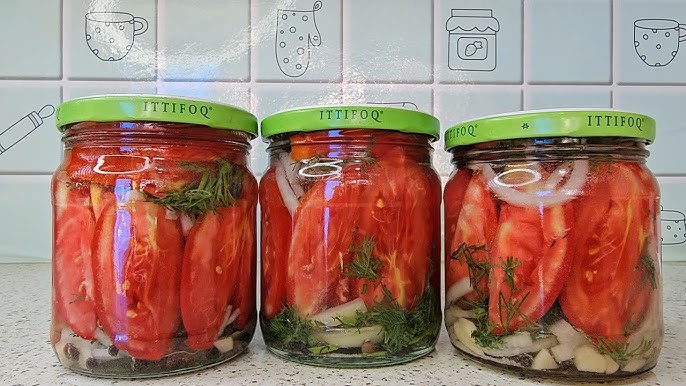
Vinegar’s acidity creates an environment that prevents harmful bacteria from growing. Pickling vegetables in vinegar is an excellent way to preserve them without refrigeration. You can pickle cucumbers, carrots, or even eggs for later use.
Think about the tangy crunch of a pickle—this isn’t just flavor, it’s preservation in action. Have you ever tried making your own pickles? It’s easier than you might think and gives you control over the taste and ingredients.
Herbs And Spices As Preservatives
Many herbs and spices have natural antimicrobial properties that help keep food fresh. Cloves, cinnamon, rosemary, and garlic are great examples. Adding these to your food or storage containers can slow down spoilage.
Using herbs and spices also enhances flavor, so you get the double benefit of preservation and taste. Why settle for bland preserved food when you can make it delicious? Experiment with different combinations to find what works best for your needs.
Storage Tips Without Refrigeration
Storing food without a refrigerator requires smart choices. Proper storage keeps food fresh longer and prevents spoilage. Small changes in how you store food can make a big difference. It is important to protect food from moisture, heat, and pests. Follow these tips to maintain food quality and safety.
Choosing Proper Containers
Use containers that seal tightly to keep air out. Glass jars with lids work well for dry goods. Metal tins help protect from light and pests. Avoid plastic bags that can tear easily. Containers should be clean and dry before use. Clear containers let you see the food inside. Label containers with the date to track freshness.
Avoiding Moisture And Contamination
Moisture causes food to spoil quickly without refrigeration. Store food in a cool, dry place to reduce moisture. Use airtight containers to stop humidity from entering. Keep food away from raw meat or dirty surfaces. Wash hands before handling food to avoid germs. Cover food tightly to prevent bugs and dust.
Optimal Storage Locations
Choose dark, cool, and dry areas for food storage. Basements and cellars are perfect spots. Avoid places near heat sources like stoves or ovens. A pantry with good airflow helps keep food fresh. Use shelves or racks to keep food off the floor. Rotate stock to use older items first.

Credit: extension.msstate.edu
Frequently Asked Questions
How Can I Preserve Fruits Without A Refrigerator?
You can dry, ferment, or store fruits in a cool, dark place. Sun drying and making jams are effective methods to extend shelf life.
What Are Natural Ways To Keep Vegetables Fresh?
Use root cellars, cool basements, or wrap vegetables in damp cloths. Fermentation and pickling also help preserve nutrients and freshness.
Can Salt Help In Preserving Food Without Refrigeration?
Yes, salt draws out moisture and inhibits bacterial growth. It’s commonly used in curing meats and fermenting vegetables for preservation.
How Does Drying Food Preserve It Effectively?
Drying removes moisture, preventing bacteria and mold growth. Sun drying, air drying, or using dehydrators are popular techniques for long-term storage.
Conclusion
Preserving food without a refrigerator is simple and useful. Drying, salting, and fermenting keep food fresh longer. These methods save money and reduce waste. You can try different ways at home easily. Small changes make a big difference in food storage.
Stay safe by keeping your food clean and dry. Enjoy fresh food even without electricity or cold storage. Remember, good habits help your food last longer. Try these tips and see what works best for you.