Have you ever found yourself standing in front of the sake section at your local store, pondering whether you should refrigerate your newly purchased bottle? You’re not alone.
Many sake enthusiasts, both new and experienced, often wonder about the best way to store this delicate Japanese beverage. Is it best served cold or should it sit on your countertop? Understanding the right storage method can significantly enhance your drinking experience.
By the end of this article, you’ll know exactly what to do with your sake, ensuring every sip is as delightful as the first. Get ready to unlock the secrets of sake storage and make the most out of every bottle you buy.
Sake Storage Basics
Proper storage of sake is key to preserving its flavor and aroma. Whether you’re a casual drinker or a sake enthusiast, knowing how to store your bottle makes a big difference. Let’s dive into the basics of sake storage to help you enjoy every sip at its best.
Types Of Sake And Storage Needs
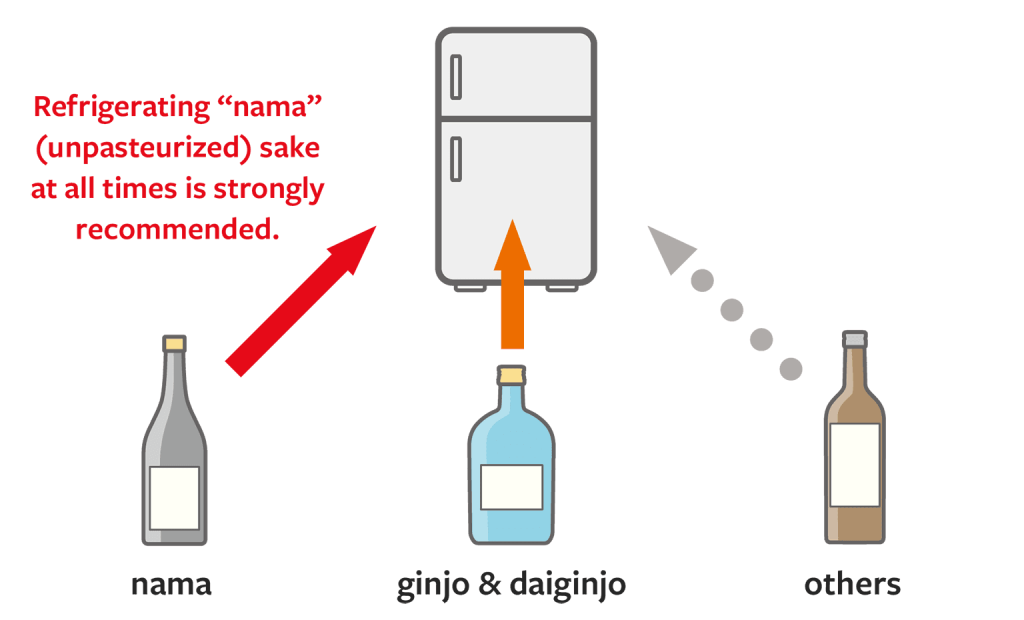
Different types of sake need different care. Fresh sake, like namazake, is unpasteurized and very sensitive to heat and light. It almost always needs refrigeration to stay fresh.
On the other hand, pasteurized sake such as futsu-shuor junmaican handle room temperature for a short time but still prefers cool, dark places.
Delicate sakes with fruity or floral notes benefit from cold storage to keep those flavors intact. Have you ever noticed a sake tasting dull or flat? Improper storage is often the culprit.
Shelf Life Of Sake
Sake doesn’t improve with age like some wines. Most sake is best consumed within 6 to 12 months of bottling. After that, the taste starts to fade and off-flavors may develop.
Once opened, sake should be finished within a few days to a week. Keep it sealed tightly and refrigerated to slow down oxidation.
Here’s a quick guide:
| Sake Type | Unopened Shelf Life | After Opening |
|---|---|---|
| Namazake (Unpasteurized) | Up to 6 months in fridge | Drink within 2 days, keep refrigerated |
| Pasteurized (Junmai, Futsu-shu) | 6-12 months, cool dark place | Drink within 5-7 days, refrigerate |
Have you tried storing sake at room temperature and noticed a change? Next time, try keeping it chilled and compare the taste. Your palate will thank you.

Credit: www.sakedesu.com
When To Refrigerate Sake
Knowing when to refrigerate sake is key to enjoying its best flavor. Temperature affects sake’s taste and freshness. Different types and storage conditions need different care. Understanding these helps keep sake delicious and safe to drink.
Importance Of Temperature Control
Sake is sensitive to heat and light. Warm temperatures can spoil its delicate flavors. Chilling sake slows down chemical changes. It keeps aromas fresh and taste crisp. Some sake types are made to be served cold. Others might be better at room temperature. Proper temperature control preserves sake’s quality longer.
Unopened Vs Opened Bottles
Unopened sake can last longer without refrigeration. Store it in a cool, dark place away from sunlight. Refrigeration helps extend shelf life, especially for premium sake. Once opened, sake starts to lose freshness quickly. Oxygen causes flavor to fade and turn sour. Keep opened bottles in the fridge. Seal them tightly to keep air out. Drink opened sake within a week for best taste.
How To Store Sake Properly
Storing sake correctly keeps its flavor fresh and enjoyable. Proper storage protects sake from changes that harm its taste. Understanding how to store sake helps you enjoy each bottle fully.
Ideal Temperature Range
Sake stays best between 41°F and 59°F (5°C to 15°C). Cooler temperatures slow down chemical changes. Avoid freezing sake; it can change the taste and texture. Room temperature can be okay for short periods. For longer storage, a refrigerator is safer.
Avoiding Light And Air Exposure
Light damages sake, causing off-flavors and color changes. Keep sake in a dark place or inside a box. Air exposure oxidizes sake, reducing its freshness. Store sake in a tightly sealed bottle. Avoid opening the bottle too often to keep it fresh.

Credit: www.wsetglobal.com
Effects Of Improper Storage
Improper storage of sake can drastically affect its quality, leaving you with a disappointing drink instead of a delightful one. Sake is sensitive to temperature, light, and air exposure, so neglecting proper storage can alter its taste and aroma. Understanding these effects helps you enjoy sake at its best, avoiding unpleasant surprises.
Flavor And Aroma Changes
When sake is stored improperly, especially at warm temperatures, the delicate balance of flavors can shift. You might notice a loss of freshness, with the sake tasting dull or flat. Sometimes, it develops off-flavors, like sourness or bitterness, that overpower its natural sweetness.
Light exposure also plays a role, causing sake to develop a stale or “sunburned” aroma. If you’ve ever opened a bottle that smelled strange or tasted off, improper storage might be the culprit. Keeping sake cool and away from light preserves its subtle fruity and floral notes.
Signs Of Spoiled Sake
Not sure if your sake has gone bad? Watch for these clear signs that indicate spoilage:
- Unpleasant smell:Sour, vinegar-like, or musty odors suggest fermentation has gone wrong.
- Cloudiness:Sake should be clear or slightly hazy; excessive cloudiness can mean contamination.
- Off taste:If it tastes sharply sour or overly bitter, it’s likely spoiled.
- Excessive fizz:Unless it’s a sparkling sake, bubbles may indicate unwanted fermentation.
Have you ever tried a sake that just didn’t taste right? Recognizing these signs early saves you from wasting your time and money on a bottle past its prime.
Tips For Serving Stored Sake
Serving stored sake properly can transform your drinking experience. The way you handle temperature and pouring affects the flavor and aroma significantly. Paying attention to these details helps you enjoy sake at its best, whether chilled, room temperature, or warm.
Bringing Sake To The Right Temperature
Stored sake is often kept in the fridge to maintain freshness, but serving it cold might not always bring out its full character. Some types, like junmai or honjozo, reveal richer flavors when slightly warmed to about 104°F (40°C). Others, such as ginjo or daiginjo, are best served chilled around 50°F (10°C) to highlight their delicate aromas.
Try this: take your chilled sake out of the fridge 20 minutes before serving. If you want it warm, gently heat it using a water bath—avoid microwaves as they can unevenly heat and spoil the taste. Have you noticed how warming sake changes its smoothness and opens up new flavors?
Best Practices For Pouring
Pouring sake is more than just filling a cup; it’s about respecting the drink and your guests. Always pour with a gentle hand to avoid splashing or foaming, which can alter the sake’s texture. Use a tokkuri (sake carafe) for warming and serving—it controls the flow better than a bottle.
Remember to fill the glass or ochoko only halfway. This allows the aroma to develop and gives you space to appreciate the scent before sipping. When sharing sake with friends, pour for others rather than yourself—it’s a simple way to enhance the social experience.

Credit: www.tippsysake.com
Frequently Asked Questions
Should You Refrigerate Sake After Opening?
Yes, refrigerate sake after opening to maintain freshness. Cold storage slows oxidation and preserves flavor. Keep it sealed tightly and consume within a week for best taste.
Can Unopened Sake Be Stored At Room Temperature?
Unopened sake can be stored at room temperature. Keep it in a cool, dark place away from heat and sunlight. Refrigeration is optional but recommended for premium sake to preserve quality.
How Long Does Refrigerated Sake Last?
Refrigerated sake lasts about one to two weeks after opening. Unopened sake stored in the fridge can last several months. Always check for off smells or taste before consuming.
Does Refrigeration Affect Sake Flavor?
Refrigeration helps preserve sake flavor by preventing spoilage. Warm storage can cause deterioration and off-flavors. Serve chilled sake cold or slightly warmed depending on the type.
Conclusion
Sake tastes best when stored properly. Refrigeration keeps its flavor fresh and crisp. Warm sake can lose taste and quality fast. Always seal the bottle tightly before cooling. Store sake in the fridge if you want it to last. Enjoy chilled sake for a smooth and clean drink.
Remember, how you store sake affects your drinking experience. Keep it cool, drink it fresh, and savor every sip. Simple steps make a big difference in taste.