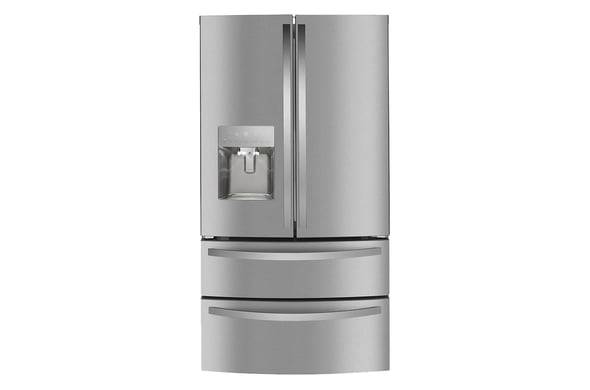
Are you frustrated because your Kenmore refrigerator isn’t making ice? You’re not alone.
Many people encounter this issue, and it can be quite inconvenient. Imagine reaching for a cold drink only to find your ice bin empty. It’s enough to make anyone want to fix the problem right away. But before you call a repair technician, there might be a simple solution that you can handle on your own.
We’ll explore the common reasons why your Kenmore refrigerator might not be producing ice and how you can troubleshoot these issues quickly and effectively. Keep reading to discover how you can have your refrigerator back to making ice in no time, saving you both time and money.
Credit: www.searspartsdirect.com
Common Ice Maker Issues
When your Kenmore refrigerator stops making ice, it can be frustrating and inconvenient. Several common issues could be the cause, ranging from simple electrical problems to water supply interruptions. Understanding these common ice maker problems can help you diagnose and fix the issue quickly, saving you time and the cost of a service call.
Ice Maker Not Turning On
Sometimes, the ice maker won’t start because it’s simply turned off. Check if the ice maker’s power switch is in the “on” position or if the control arm is raised, which stops the ice maker from cycling. Also, inspect the electrical connections; a loose wire can prevent it from turning on.
Water Supply Problems
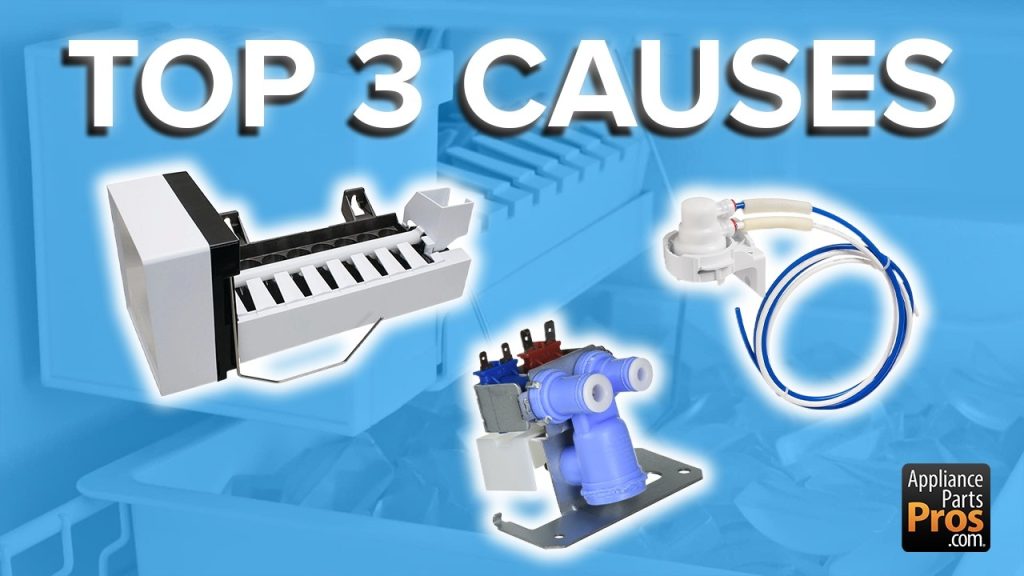
Your ice maker needs a steady water supply to function. If the water line is kinked or blocked, ice production will stop. Another common issue is a faulty water inlet valve, which may fail to open and allow water to flow into the ice maker.
Clogged Water Filter
A clogged water filter reduces water flow and affects ice production. Filters need regular replacement—usually every six months—to keep water clean and flowing. If you notice slow ice production or small, misshapen ice cubes, the filter could be the culprit.
Frozen Water Line
Have you ever found no ice but noticed water dripping inside your freezer? This might be due to a frozen water line. When the line freezes, it blocks water from reaching the ice maker. Thawing the line carefully can restore normal function, but if it freezes often, you may need to check your freezer’s temperature settings.

Credit: www.youtube.com
Quick Fixes For Ice Maker
When your Kenmore refrigerator stops making ice, it can be frustrating, especially on a hot day or when you have guests over. Luckily, many ice maker issues have simple fixes you can try yourself. These quick solutions often save you the hassle and cost of a service call.
Resetting The Ice Maker
Sometimes, your ice maker just needs a quick reset to start working again. Look for a reset button on the ice maker unit or check your model’s manual for specific instructions. Pressing the reset button often clears minor errors and restarts the ice-making process.
Have you ever noticed your ice maker stops suddenly and then works fine after a reset? This simple step can fix glitches caused by power interruptions or temporary malfunctions.
Checking The Water Valve
The water valve controls the flow of water to your ice maker. If it’s clogged or stuck, your ice maker won’t get water to freeze. Listen for a humming sound when the ice maker tries to cycle—no sound might mean the valve is faulty.
Try turning off the water supply, disconnecting the valve, and inspecting it for blockages or damage. Replacing a faulty valve can restore water flow and get your ice maker back on track.
Replacing The Water Filter
A clogged water filter can restrict water flow, causing your ice maker to stop producing ice. Filters usually need replacement every six months, but if you notice less ice or a change in taste, it’s time to change it.
Check your filter’s status light or replace it manually to keep water clean and ice production steady. Have you checked your filter lately? It might be the simplest fix you need.
Thawing Frozen Lines
Sometimes water lines freeze inside your refrigerator, blocking water from reaching the ice maker. Frozen lines are common in colder climates or if the fridge temperature is set too low.
To fix this, unplug the fridge and let the frozen lines thaw naturally or use a hairdryer on low heat to speed up the process carefully. Avoid sharp tools that could damage the lines. After thawing, monitor your ice maker to see if ice production resumes.
When To Call A Technician
Knowing when to call a technician saves time and prevents more damage. Some ice maker problems need expert help beyond simple fixes. Early repair stops bigger issues and keeps your Kenmore fridge working well.
Persistent Ice Maker Failures
If your ice maker stops working repeatedly after basic checks, a technician should inspect it. Ongoing problems might mean deeper issues inside the unit. A specialist can diagnose hidden faults and fix them properly.
Electrical And Mechanical Issues
Ice makers rely on both electrical and mechanical parts to function. A technician can test wiring, motors, and switches safely. Problems in these areas require tools and knowledge beyond regular maintenance.
Replacing Ice Maker Components
Sometimes parts like the ice mold, water inlet valve, or motor need replacement. A professional can source correct parts and install them. This ensures your ice maker runs smoothly again without causing damage.
Preventive Tips For Ice Maker Care
Taking care of your Kenmore refrigerator’s ice maker can save you from frequent breakdowns and the frustration of empty ice trays. Small, consistent actions can keep the ice flowing smoothly and your drinks perfectly chilled. Here are some practical tips that help prevent common issues and extend your ice maker’s life.
Regular Filter Replacement
Your refrigerator’s water filter plays a crucial role in ice quality and ice maker performance. Over time, filters get clogged with impurities, reducing water flow and causing ice production to slow down or stop.
Check your Kenmore’s manual for the recommended filter change schedule—usually every 6 months. Ignoring this can lead to ice that tastes off or even damages the ice maker. Have you noticed a strange odor or taste in your ice? It might be time to swap that filter.
Maintaining Proper Temperature
Ice makers need the right temperature to work efficiently. The freezer should be set between 0°F and 5°F (-18°C to -15°C). Temperatures outside this range can cause ice to form too slowly or melt prematurely.
Do you often find your ice cubes are smaller or misshapen? Fluctuating freezer temps could be the culprit. Keep the door closed as much as possible to maintain stable cold air inside. This simple habit can make a big difference in ice production.
Routine Ice Maker Cleaning
Dirt, mineral deposits, and mold can build up inside the ice maker over time. This buildup can block water flow or cause the ice tray to stick, stopping ice production completely.
Cleaning your ice maker every few months is a smart move. Use a mixture of warm water and mild soap to wipe down the ice bin and tray. If you notice white spots or scale, a vinegar solution can help dissolve mineral deposits without damaging the unit.
Have you ever cleaned your ice maker and noticed a sudden improvement? It’s a simple task but often overlooked until problems arise. Regular cleaning keeps everything running smoothly and your ice tasting fresh.

Credit: authorizedco.com
Frequently Asked Questions
Why Is My Kenmore Fridge Ice Maker Not Working?
A common cause is a frozen water line or clogged filter. Check the water supply and replace the filter if needed. Also, ensure the ice maker is turned on and the freezer temperature is set between 0-5°F.
How Do I Reset My Kenmore Ice Maker?
Locate the reset button on the ice maker module. Press and hold it for about 10 seconds until you hear a chime. This will restart the ice maker cycle and may fix minor issues.
Can A Clogged Water Filter Stop Ice Production?
Yes, a clogged water filter restricts water flow, stopping ice production. Replace the filter every 6 months or when water flow decreases. Always use Kenmore recommended filters for best performance.
What Freezer Temperature Is Ideal For Ice Making?
Set your freezer temperature between 0°F and 5°F (-18°C to -15°C). Temperatures outside this range can prevent proper ice formation or cause ice to melt prematurely.
Conclusion
Troubleshooting your Kenmore refrigerator ice maker can save time and money. Check the water supply, temperature, and ice maker parts first. Small fixes often solve the problem quickly. Regular cleaning helps keep ice flowing smoothly. Don’t ignore warning signs; they prevent bigger issues later.
With patience, your ice maker can work like new again. Stay calm and follow simple steps. Your cold drinks will thank you.