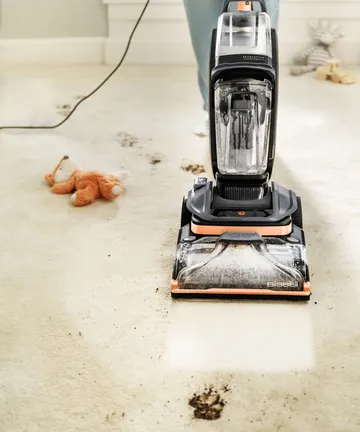
Imagine this: you’ve just had a spill, or maybe a leak, and now your carpet is soaked. You’re probably asking yourself, “Can I vacuum wet carpet?”
It’s a common question, and the answer might surprise you. Before you rush to grab your vacuum cleaner, there are a few crucial things you need to know. Using the wrong tool on a wet carpet can cause more harm than good, potentially damaging your equipment and your flooring.
But don’t worry, we’re here to guide you through the process. You’ll discover safe and effective methods to tackle that wet mess, ensuring your carpet stays in good condition and your home remains a healthy environment. Stick around, and we’ll clear up the confusion, saving you time, effort, and possibly a costly mistake. Let’s dive into what you need to know!

Credit: shopsavvy.com
Risks Of Vacuuming Wet Carpets
Vacuuming a wet carpet might seem like a quick fix to remove water, but it comes with serious risks. Using your vacuum cleaner on damp or soaked carpet can cause damage to both your machine and the carpet itself. Understanding these risks helps you avoid costly repairs and long-term problems in your home.
Potential Damage To Vacuum Cleaner
Most household vacuum cleaners are not designed to handle wet materials. Running a vacuum on a wet carpet can cause water to seep into the motor and electrical components, leading to shorts or complete failure. Have you ever noticed a strange smell or your vacuum suddenly stopping during cleaning? That could be a sign of water damage inside your machine.
Wet debris can also clog filters and hoses, reducing suction power and forcing you to replace parts sooner than expected. Using a wet/dry vacuum is a safer choice if you need to clean wet surfaces.
Effects On Carpet Fibers
Vacuuming wet carpet fibers can cause them to stretch, fray, or lose their original texture. When fibers are wet, they are more vulnerable to damage from the vacuum’s brushes or suction. You might notice your carpet looking worn out or patchy after vacuuming it while still damp.
This kind of damage shortens the carpet’s lifespan and affects its appearance. Instead, consider blotting the water first and allowing the carpet to dry partially before vacuuming.
Mold And Mildew Growth
Using a vacuum on a wet carpet can push moisture deeper into the padding and subfloor. This trapped moisture creates the perfect environment for mold and mildew to grow. Have you ever walked on a damp carpet and smelled a musty odor afterward? That’s a warning sign of mold development.
Mold spores can affect your indoor air quality and cause health problems like allergies or respiratory issues. To prevent this, focus on thorough drying before using any vacuum cleaner.
When Vacuuming Wet Carpet Is Possible
Vacuuming a wet carpet might seem risky, but there are situations where it’s actually a smart move. Knowing exactly when you can safely vacuum moisture from your carpet can save you time and prevent damage. Let’s look at some practical scenarios where vacuuming wet carpet is not only possible but effective.
Using A Wet-dry Vacuum
A wet-dry vacuum is designed to handle water safely, making it perfect for carpets with excess moisture. Unlike regular vacuums, these machines can suck up water without damaging the motor or electrical parts.
If you’ve spilled a drink or experienced minor flooding, a wet-dry vacuum can quickly remove the water before it seeps deeper into the carpet fibers. Do you have one at home? It’s worth considering for emergencies and general cleaning.
Partial Moisture Situations
Sometimes only a section of your carpet is damp, like near a window or under a plant. In these cases, vacuuming can help speed up drying by removing surface moisture.
Use a regular vacuum only if the carpet feels just slightly wet—never soak wet. This can prevent mold growth and reduce unpleasant odors in those targeted spots.
Quick Cleanup Scenarios
Have you ever dropped a small amount of liquid and needed to act fast? Vacuuming wet carpet can be a quick cleanup trick if done immediately.
Swift action limits water absorption and staining. Pair vacuuming with proper drying—like fans or open windows—to protect your carpet fully.
Steps To Prepare Carpet For Vacuuming
Preparing a wet carpet for vacuuming is important to avoid damage and ensure effective cleaning. Drying the carpet properly helps prevent mold and mildew growth. The process involves removing excess water, improving air circulation, and checking the carpet’s base. These steps make vacuuming safer and more efficient.
Blotting Excess Water
Start by blotting the wet area with clean towels or absorbent cloths. Press gently to soak up as much water as possible. Avoid rubbing, as this can push water deeper into the carpet fibers. Replace towels when they become too wet. This step reduces moisture and protects the vacuum cleaner from damage.
Using Fans And Dehumidifiers
Place fans around the wet carpet to boost air circulation. Fans help speed up the drying process by moving air across the surface. Use a dehumidifier to remove moisture from the air. This lowers humidity and prevents dampness from returning to the carpet. Run fans and dehumidifiers for several hours until the carpet feels dry.
Checking Carpet Padding
Lift the carpet edge to check the padding underneath. Wet padding can hold moisture and cause mold growth. If the padding is soaked, remove it and let the floor dry completely. Replace the padding only after it is fully dry. This step is key to stopping long-term damage and bad smells.
Credit: www.portotheme.com
Choosing The Right Vacuum For Wet Carpets
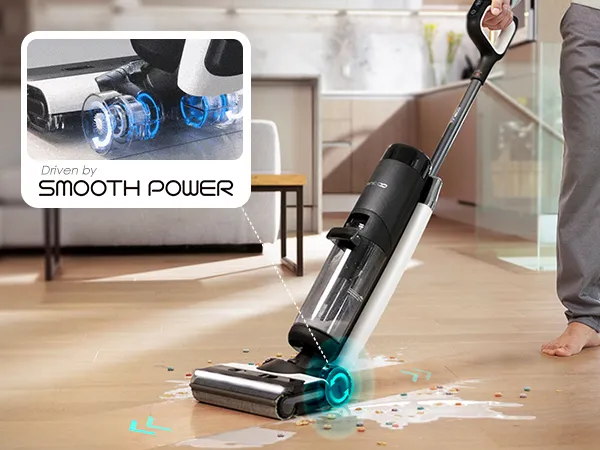
Choosing the right vacuum for wet carpets is important for safety and cleaning efficiency. Not all vacuums handle wet surfaces well. Using the wrong type can damage the machine or your carpet. Select a vacuum designed to handle moisture and debris together.
Features Of Wet-dry Vacuums
- Strong suction power for both wet and dry messes
- Water-resistant and sealed motor to prevent damage
- Detachable tanks for easy emptying of dirty water
- Filter systems that handle moisture without clogging
- Durable build to withstand heavy-duty cleaning
Avoiding Standard Vacuum Cleaners
Standard vacuums are not made for wet carpets. Their motors and electrical parts can short circuit. Wet dirt can clog filters and damage internal parts. Using regular vacuums on wet surfaces risks electric shock. Always choose a vacuum designed for wet use to avoid accidents and damage.
Maintenance Tips After Use
- Empty the water tank immediately after cleaning
- Rinse and dry filters thoroughly before reinserting
- Check hoses and nozzles for trapped debris or moisture
- Store the vacuum in a dry, ventilated area
- Run the vacuum briefly after cleaning to dry internal parts
Alternative Methods For Cleaning Wet Carpets
Wet carpets need special care to avoid damage and mold growth. Vacuuming wet carpets can harm your vacuum and may not remove all moisture. Alternative methods help clean and dry carpets safely and effectively. These approaches reduce the risk of stains and bad smells while protecting your flooring investment.
Using Carpet Extractors
Carpet extractors are machines designed to clean and dry carpets. They spray water mixed with cleaning solutions deep into the carpet fibers. Then they suck up the dirty water, removing dirt and moisture. These machines work well for heavy spills and flooded areas. They speed up drying time and improve carpet cleanliness.
Professional Cleaning Services
Hiring professionals is a smart choice for severe wet carpet issues. Experts use advanced tools and techniques to clean and dry carpets thoroughly. They can detect hidden moisture and prevent mold growth. Professionals also know how to handle delicate carpet materials safely. Their service saves time and ensures better results.
Diy Drying Techniques
Simple drying methods help reduce moisture after cleaning or spills. Use fans to increase air circulation around the carpet area. Open windows to let fresh air in and speed evaporation. Place towels on wet spots to absorb water quickly. Avoid walking on the carpet until it is fully dry to prevent dirt and damage.
Preventing Future Carpet Water Damage
Preventing future carpet water damage protects your floors and saves money. It also keeps your home safe and fresh. Taking simple actions reduces the risk of wet carpet problems.
Regular Maintenance Tips
- Vacuum carpets often to remove dirt and dust.
- Use a carpet cleaner every few months to deep clean.
- Check for leaks under sinks and near appliances regularly.
- Keep air circulation strong to help carpets dry faster.
- Trim indoor plants to avoid excess moisture buildup.
Installing Moisture Barriers
Moisture barriers stop water from reaching carpet fibers. These barriers go under carpet padding. They prevent mold and mildew growth.
Use plastic or foil sheets for moisture barriers. These sheets block water from leaking up. Barriers work well in basements and humid rooms.
Immediate Spill Response
Act fast when spills happen on carpet. Blot the spill with a clean cloth or paper towel. Avoid rubbing, as it pushes water deeper.
Use fans or open windows to dry the area quickly. If the spill is large, use a wet/dry vacuum. Quick action stops stains and mold from forming.

Credit: www.goodhousekeeping.com
Frequently Asked Questions
Can I Use A Regular Vacuum On Wet Carpet?
No, regular vacuums can be damaged by water. Use a wet/dry vacuum designed for wet carpets to avoid electrical hazards and ensure effective cleaning.
How To Safely Vacuum A Wet Carpet?
Use a wet/dry vacuum with proper settings. Avoid using standard vacuums, unplug devices, and ensure the carpet is not soaking wet but damp enough for vacuuming.
What Risks Exist When Vacuuming Wet Carpet?
Vacuuming wet carpet with regular vacuums risks electrical shock, damage to the machine, and ineffective cleaning. Always use equipment designed for wet surfaces.
When Should I Avoid Vacuuming Wet Carpet?
Avoid vacuuming immediately after a spill. Wait until excess water is removed by blotting or drying to prevent damage to your vacuum and carpet.
Conclusion
Vacuuming a wet carpet can cause damage to your vacuum cleaner. Always dry the carpet before using a regular vacuum. For wet carpets, use a wet-dry vacuum designed for moisture. Acting quickly helps prevent mold and bad smells. Proper care keeps your carpet clean and safe.
Choose the right tools for the job. Stay safe and protect your home’s flooring.