Are you curious about the different types of refrigerants and how they impact your daily life? Understanding which refrigerants are environmentally friendly and efficient is crucial, especially as we aim to reduce our carbon footprint.
Among the various options available, HFC refrigerants stand out for their unique properties and applications. But how do you identify them? Knowing which of the following is an HFC refrigerant could make a significant difference in your choices, whether you’re considering a new air conditioning system or managing an existing one.
Stay with us as we unravel the mystery behind HFC refrigerants and why they matter to you. This knowledge could empower you to make informed decisions that benefit both you and the planet.

Credit: www.freemalaysiatoday.com
What Are Hfc Refrigerants
Understanding what HFC refrigerants are is essential if you’re dealing with cooling systems or concerned about environmental impacts. HFC stands for Hydrofluorocarbon, a group of chemical compounds widely used as refrigerants in air conditioners, refrigerators, and heat pumps. These refrigerants replaced older ones that harmed the ozone layer, but they come with their own challenges.
Definition Of Hfc Refrigerants
HFC refrigerants are man-made chemicals composed of hydrogen, fluorine, and carbon atoms. Unlike their predecessors, they do not contain chlorine, which means they don’t damage the ozone layer. However, they still contribute to global warming because they have a high global warming potential (GWP).
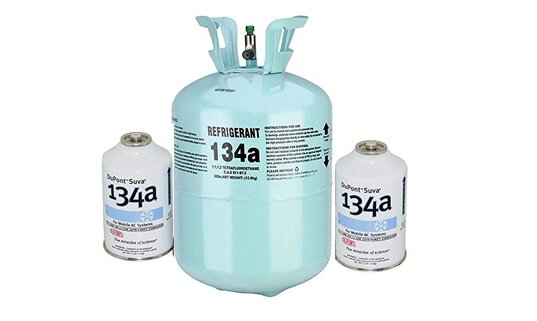
- R-134a:Frequently used in car air conditioners and domestic refrigerators.
- R-410A:Popular in residential and commercial air conditioning systems.
- R-404A:Often found in commercial refrigeration like supermarket freezers.
Knowing these examples can help you identify if your system uses HFC refrigerants or not.
Why Are Hfc Refrigerants Important?
HFCs became the go-to refrigerants after the phase-out of ozone-depleting substances like CFCs and HCFCs. They help keep your environment cool without creating holes in the ozone layer. But since they trap heat in the atmosphere, understanding their impact is vital for choosing greener alternatives.
How Do Hfc Refrigerants Affect You?
If you own or maintain cooling equipment, using HFC refrigerants affects both your system’s efficiency and environmental footprint. Some HFCs require special handling to avoid leaks that can worsen climate change. Have you ever wondered what refrigerant your air conditioner uses and how it affects the planet?

Credit: www.carrierenterprise.com
Common Types Of Hfc Refrigerants
Hydrofluorocarbon (HFC) refrigerants are widely used in cooling systems due to their efficiency and lower ozone depletion potential. Understanding the common types of HFC refrigerants can help you choose the right one for your air conditioning or refrigeration needs. Each type has unique properties that affect performance, environmental impact, and compatibility.
R-134a
R-134a is one of the most popular HFC refrigerants, especially in automotive air conditioning. It replaced older refrigerants like R-12 due to its safer environmental profile. If you’ve ever had your car’s AC serviced recently, chances are it used R-134a.
It offers good cooling performance and is non-toxic, making it a practical choice for many applications. However, it has a relatively high global warming potential (GWP), which has led to newer alternatives emerging in the market.
R-410a
R-410A is commonly used in residential and commercial air conditioning units. It provides higher efficiency and better heat transfer compared to older refrigerants such as R-22. This makes your cooling system work harder, but with less energy consumption.
One important aspect to note: R-410A operates at a higher pressure, so your system must be designed specifically for it. Have you checked if your AC unit is compatible with R-410A? This can save you from costly repairs later.
R-407c
R-407C is a blend of three HFC refrigerants and is often used as a retrofit option for systems originally designed for R-22. This makes it a convenient choice if you want to upgrade your system without replacing all equipment. It balances cooling efficiency and environmental safety.
Its moderate GWP and zero ozone depletion potential make it a reasonable middle ground. If you’re thinking about switching refrigerants, R-407C could be a practical option that minimizes disruptions.
R-32
R-32 is gaining popularity as a next-generation HFC refrigerant with lower GWP than many others. It delivers excellent energy efficiency and requires less refrigerant charge, reducing overall environmental impact. Many modern air conditioners now use R-32 because it strikes a good balance between performance and eco-friendliness.
Keep in mind, R-32 is mildly flammable, so proper handling and system design are critical. Are you ready to consider newer refrigerants like R-32 for your next cooling upgrade?
How To Identify Hfc Refrigerants
Knowing how to identify HFC refrigerants is essential if you work with cooling systems or want to make smarter choices about eco-friendly options. HFCs, or Hydrofluorocarbons, have unique traits that set them apart from other refrigerants. Understanding these traits helps you recognize them quickly and use them safely.
Chemical Composition
HFC refrigerants mainly contain hydrogen, fluorine, and carbon atoms. Unlike older refrigerants like CFCs, HFCs do not include chlorine. This absence of chlorine is important because it means HFCs don’t harm the ozone layer as much.
For example, the popular refrigerant R-134a is an HFC with the chemical formula C2H2F4. Its structure shows it contains hydrogen and fluorine but no chlorine. Recognizing these chemical clues can help you identify HFCs on safety data sheets or product labels.
Labeling And Codes
Manufacturers use specific codes to label HFC refrigerants, making identification easier. Most HFCs have numbers starting with “R-” followed by a series of digits. For instance, R-134a, R-125, and R-410A are common HFC refrigerants.
Look for labels on containers or equipment that include these codes. You might also find safety labels indicating the refrigerant type. If you ever wonder whether a refrigerant is an HFC, checking the label for these codes is a quick way to find out.
Environmental Impact Of Hfcs
Understanding the environmental impact of HFC refrigerants is crucial, especially as their use grows in cooling systems worldwide. These chemicals, while effective in refrigeration, have significant consequences for the planet. Let’s look closely at how HFCs affect our environment and what measures are in place to address these effects.
Global Warming Potential
HFCs have a high global warming potential (GWP), meaning they trap heat in the atmosphere much more effectively than carbon dioxide. Some HFCs can be thousands of times more potent than CO2. This means even small leaks from refrigeration systems can cause a big impact on climate change.
Think about your air conditioner or refrigerator. If it uses an HFC refrigerant, any leakage contributes directly to global warming. Are you aware of the type of refrigerant in your home or workplace appliances? Knowing this can help you make eco-friendly choices.
Regulations And Phase-outs
Governments worldwide are taking steps to reduce HFC emissions by setting strict regulations and phasing out high-GWP refrigerants. Agreements like the Kigali Amendment to the Montreal Protocol require countries to gradually replace HFCs with safer alternatives.
This shift is already impacting manufacturers and consumers. New products now often use refrigerants with lower environmental footprints. Have you noticed newer cooling systems advertising eco-friendly refrigerants? This reflects a broader push towards sustainability that affects your purchasing decisions.
Top Alternatives To Hfc Refrigerants
Choosing the right alternative to HFC refrigerants matters a lot for your environment and equipment. You want something that works efficiently but also reduces harm to the planet. Let’s look at some of the top alternatives that are gaining popularity today and see what makes them stand out.
Natural Refrigerants
Natural refrigerants are substances you can find in nature, such as carbon dioxide, ammonia, and hydrocarbons. They have very low or zero global warming potential, making them friendly to the environment.
Many industries are switching to natural refrigerants because they offer excellent cooling performance without adding to climate change. However, some require special handling due to flammability or toxicity, so safety measures are essential.
Have you ever considered how your choice of refrigerant impacts both your energy bills and the planet? Using natural refrigerants could help you balance efficiency and eco-friendliness.
Hydrofluoroolefins (hfos)
HFOs are synthetic refrigerants designed to replace HFCs with much lower global warming potential. They break down quickly in the atmosphere, reducing long-term environmental damage.
These refrigerants combine the benefits of traditional refrigerants with improved safety and environmental profiles. Many new refrigeration and air conditioning systems now use HFOs to meet stricter regulations.
Would switching to HFOs in your system give you better performance while staying compliant with evolving environmental laws? It’s a question worth asking as these options become more accessible.

Credit: cen.acs.org
Choosing The Right Hfc Refrigerant
Choosing the right HFC refrigerant matters for performance and safety. Different refrigerants serve different machines and environments. Selecting the best one improves efficiency and reduces risks. Understanding your needs helps make the right choice.
Application Needs
Each refrigeration system requires a specific type of HFC refrigerant. Consider the equipment design and cooling capacity needed. Some refrigerants work better in air conditioning, others in refrigeration units. Check compatibility with existing systems before deciding. Matching the refrigerant to the application avoids damage and boosts lifespan.
Efficiency And Safety
Energy efficiency saves money and reduces environmental impact. Choose HFC refrigerants with high cooling efficiency ratings. Safety is crucial; some refrigerants are less toxic and less flammable. Verify the safety standards and regulations in your area. Using the right refrigerant ensures safe operation and better performance.
Frequently Asked Questions
What Is An Hfc Refrigerant?
An HFC refrigerant is a hydrofluorocarbon used in cooling systems. It replaces older refrigerants like CFCs and HCFCs due to lower ozone depletion potential.
Which Refrigerants Are Classified As Hfcs?
Common HFC refrigerants include R-134a, R-125, R-32, and R-143a. They are widely used in air conditioners, refrigerators, and heat pumps.
Why Are Hfc Refrigerants Preferred Over Cfcs?
HFCs do not harm the ozone layer, unlike CFCs. They offer efficient cooling and comply with environmental regulations.
Are Hfc Refrigerants Environmentally Friendly?
HFCs have zero ozone depletion potential but high global warming potential. Efforts exist to phase them out in favor of greener alternatives.
Conclusion
HFC refrigerants play a key role in cooling systems today. They help keep homes and businesses comfortable. Knowing which chemicals are HFCs helps with safe handling. It also supports better choices for the environment. Always check labels carefully before use or purchase.
Proper use lowers risks and protects the ozone layer. Stay informed to use refrigerants wisely and safely. Understanding HFC refrigerants benefits both users and nature. Keep learning and stay aware of changes in refrigerant types.