
Ever tried to move a refrigerator and wondered how something so essential could weigh so much? You’re not alone.
Understanding the weight of a refrigerator is crucial, especially if you’re planning a move or considering a new purchase for your kitchen. But here’s the thing: the weight isn’t just about numbers. It affects installation, transportation, and even the overall design of your kitchen space.
By diving into this topic, you’ll discover why knowing how heavy a refrigerator is can save you time, money, and a lot of back pain. So, if you’re curious about what goes into the weight of this everyday appliance, stick around. You might just find the insights you need to make smarter decisions.
Refrigerator Weight Basics
Understanding the basics of refrigerator weight can help you make smarter choices when buying or moving one. The weight varies widely depending on the type, size, and materials used. Knowing these details saves you from surprises during delivery or installation.
Average Weight By Type
Different types of refrigerators come with different weight ranges. Here’s a quick look at some common types and their average weights:
| Refrigerator Type | Average Weight |
|---|---|
| Mini Fridge | 30 to 50 pounds (14 to 23 kg) |
| Top-Freezer Refrigerator | 150 to 250 pounds (68 to 113 kg) |
| Bottom-Freezer Refrigerator | 200 to 300 pounds (91 to 136 kg) |
| Side-by-Side Refrigerator | 250 to 350 pounds (113 to 159 kg) |
| French Door Refrigerator | 250 to 400 pounds (113 to 181 kg) |
Have you ever tried moving a fridge without knowing its weight? It’s a tough job if you don’t prepare for it!
Factors Affecting Weight
Weight depends on more than just size. The number of compartments, additional features like ice makers, and built-in water dispensers add to the load.
Energy efficiency components and insulation thickness also play a role. Heavier insulation means better cooling but adds pounds to the fridge.
Consider these factors before choosing a model if weight is a concern for your space or delivery.
Materials And Construction
Most refrigerators use steel or aluminum for the frame and outer shell. Steel tends to be heavier but more durable, while aluminum offers a lighter option.
The interior shelves and drawers are usually plastic or glass, which add some weight but less than the metal parts. The type of compressor and cooling system inside also influence total weight.
Have you noticed how premium models feel solid compared to budget ones? That’s often due to the materials and build quality, which directly impact weight and longevity.
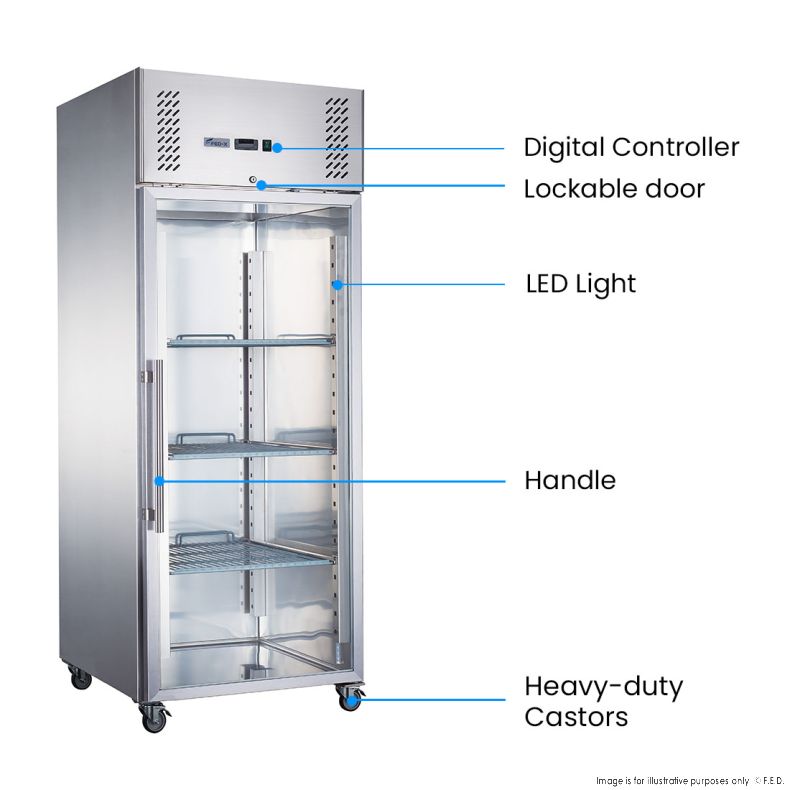
Credit: www.foodequipment.com.au
Size Categories And Dimensions
Refrigerators come in different sizes and shapes. Each size category has unique dimensions and weight ranges. Knowing these helps you choose the right fridge for your space and needs. This section explains the main size categories and their typical dimensions.
Compact Refrigerators
Compact refrigerators are small and lightweight. They usually weigh between 40 to 80 pounds. Their height ranges from 20 to 36 inches, and width is about 18 to 24 inches. These fridges fit well in dorm rooms, offices, or small kitchens.
Top-freezer Models
Top-freezer refrigerators are the most common type. They often weigh 150 to 250 pounds. Their height ranges from 60 to 70 inches, width from 28 to 33 inches, and depth around 28 to 34 inches. These fridges offer good storage for families and fit in most kitchen spaces.
Side-by-side Units
Side-by-side refrigerators have two vertical doors. They usually weigh between 250 and 350 pounds. Typical height is 65 to 70 inches, width about 32 to 39 inches, and depth around 30 to 36 inches. These models provide easy access to fridge and freezer sections.
French Door Refrigerators
French door refrigerators combine a wide fridge with a bottom freezer. They weigh about 250 to 350 pounds. Their height ranges from 68 to 72 inches, width from 29 to 36 inches, and depth around 30 to 36 inches. These fridges are ideal for larger kitchens and families needing more space.
Impact Of Weight On Installation
The weight of a refrigerator greatly affects its installation process. Heavy models need careful planning before moving and setting them up. Ignoring the weight can cause damage to floors, walls, or the appliance itself. Proper handling ensures safety and prevents costly mistakes.
Moving And Handling Tips
- Use a sturdy dolly to move the refrigerator easily.
- Keep the appliance upright during transport to avoid damage.
- Wear gloves for a better grip and hand protection.
- Get help from another person to handle heavy units safely.
- Clear the path to avoid tripping or bumping into objects.
Floor Support Considerations
Heavy refrigerators put pressure on the floor structure. Check if the floor can hold the appliance’s weight. Reinforce weak floors before installation. Use a protective mat to spread the load evenly. Avoid placing the fridge on soft or uneven surfaces.
Transporting Safely
- Secure the refrigerator in the moving vehicle to prevent shifting.
- Use straps or ropes to hold it firmly in place.
- Protect corners and edges with padding or blankets.
- Avoid sudden stops and sharp turns during transport.
- Unload carefully, following the same handling steps as moving.

Credit: www.foodequipment.com.au
Energy Efficiency And Weight
Energy efficiency and weight are closely linked when it comes to refrigerators. The weight of a refrigerator often reflects its insulation quality and build materials, which directly affect how well it conserves energy. Understanding this connection can help you make smarter choices for your home and your electricity bill.
Weight Vs. Insulation
Heavier refrigerators usually have thicker insulation layers. This extra insulation keeps cold air inside more effectively, reducing the workload on the compressor. Less energy is used, which means lower utility bills for you.
However, more insulation also adds to the fridge’s overall weight. If you’ve ever tried moving a fridge, you know how much the weight matters. Ask yourself: is a heavier fridge worth the energy savings in the long run?
Modern Design Improvements
Manufacturers are now using lighter, more efficient insulation materials. These innovations reduce the fridge’s weight without sacrificing energy efficiency. You can find models that are easier to move and still keep your food cold without draining power.
Additionally, improved compressor technology and smart sensors help keep energy use low regardless of weight. So, a lighter fridge doesn’t always mean less efficient anymore. When shopping, check energy ratings alongside weight to find the best balance for your needs.
Choosing The Right Size And Weight
Choosing the right size and weight for your refrigerator is more than just picking what looks good in your kitchen. It affects how easily you can move it, how much space it takes up, and how well it fits your lifestyle. Understanding these factors helps you avoid common buying mistakes that can cost you time and money.
Space Constraints
Measure your kitchen space carefully before deciding on a refrigerator. Doorways, narrow hallways, and tight corners can make moving heavy appliances a real challenge. Don’t forget to leave enough clearance for ventilation and door swing.
Think about the floor’s strength too—some older homes may struggle with very heavy units. Have you checked if the spot you chose can handle the weight without damage?
Usage Needs
How often do you shop and cook? If you buy in bulk or have a large family, a bigger fridge might be necessary despite the added weight. On the other hand, if you live alone or cook minimally, a compact, lighter model might suit you better.
Consider features like adjustable shelves or multiple compartments that can make organizing easier without adding unnecessary bulk. What’s more important to you—storage capacity or ease of movement?
Budget And Features
Heavier refrigerators often come with advanced features like built-in ice makers or smart controls, which can increase the price. Decide which features are essential and which you can do without.
Sometimes, a lighter, simpler model provides better value and less hassle. Are you willing to pay extra for convenience, or do you prefer a basic model that meets your core needs?

Credit: solarpowerstore.ca
Frequently Asked Questions
How Heavy Is A Standard Refrigerator?
A standard refrigerator weighs between 150 to 250 pounds (68 to 113 kg). The weight varies based on size and model. Compact models weigh less, while larger, double-door refrigerators are heavier.
What Factors Affect Refrigerator Weight?
Refrigerator weight depends on size, type, and materials used. Larger capacity and additional features add weight. Stainless steel models usually weigh more than plastic or aluminum variants.
How To Safely Move A Heavy Refrigerator?
Use a dolly or hand truck to move a refrigerator. Secure the doors and avoid tilting it excessively. Get help to prevent injury and damage to the appliance.
Do Mini Refrigerators Weigh Less Than Full-size Ones?
Yes, mini refrigerators typically weigh between 40 to 80 pounds (18 to 36 kg). They are lighter due to smaller size and fewer features compared to full-size models.
Conclusion
Refrigerators vary in weight depending on size and type. Small models weigh less and are easier to move. Large refrigerators can be heavy and need help during transport. Knowing the weight helps plan for delivery and placement. Always check the product details before buying.
This way, you avoid surprises and stay safe. Understanding weight also helps with energy use and space planning. Keep these points in mind for a smooth refrigerator purchase.