Have you ever wondered how you can tell if a refrigerant is dangerous just by looking at its label? When it comes to refrigerants with higher toxicity levels, clear and accurate labeling isn’t just important—it’s essential for your safety.
Knowing how these chemicals are marked can protect you and those around you from serious health risks. You’ll discover exactly how toxic refrigerants are labeled, what the warning signs mean, and why understanding these labels can make all the difference in handling them safely.
Keep reading to make sure you’re fully informed and prepared.
Refrigerant Toxicity Classes
Understanding refrigerant toxicity classes is essential for anyone working with or around cooling systems. These classes help identify the potential health risks associated with different refrigerants, especially those with higher toxicity levels. Knowing how these substances are labeled can keep you safe and ensure you handle them correctly.
Classification Criteria
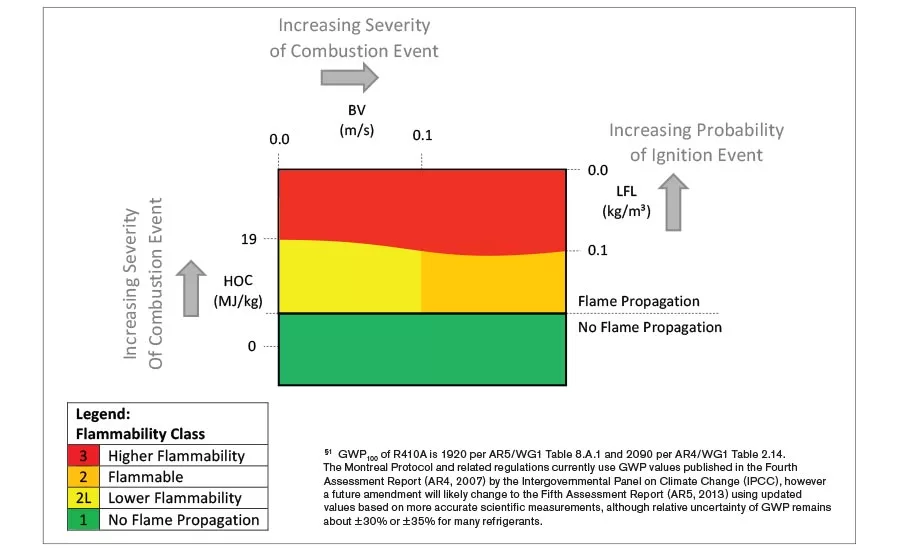
Refrigerants are classified based on their toxicity and flammability. Toxicity classification focuses on how harmful a refrigerant can be if inhaled or absorbed. The key factors include lethal dose levels, exposure limits, and effects on the human body.
These criteria are set by organizations like ASHRAE (American Society of Heating, Refrigerating and Air-Conditioning Engineers). They use test data from animal studies and human exposure cases to assign each refrigerant a toxicity class. This system helps you quickly understand the health risks involved.
Common Toxicity Categories
Refrigerants are mainly divided into two toxicity categories: A and B.
- Class A:Low toxicity. These refrigerants are safer to handle under normal conditions and have higher allowable exposure limits.
- Class B:High toxicity. These require strict handling procedures and special labeling to warn users of potential health hazards.
For example, ammonia (R-717) falls under Class B due to its high toxicity, demanding careful monitoring and protective gear. On the other hand, R-134a is a Class A refrigerant, considered less toxic for routine use.
Are you aware of the toxicity class of the refrigerants in your equipment? This knowledge can guide your safety practices and emergency response plans.

Credit: www.achrnews.com
Labeling Standards For Toxic Refrigerants
Labeling standards for toxic refrigerants ensure safety and clear communication. Proper labels warn users about the potential hazards of these chemicals. They help in handling, storage, and emergency response. Clear labels reduce risks and protect health and the environment.
International Regulations
Several global rules guide the labeling of toxic refrigerants. The United Nations’ GHS (Globally Harmonized System) sets a standard for hazard communication. It requires labels to show toxicity levels and safety information. The EPA in the United States also sets strict rules for refrigerant labeling. These regulations ensure consistency across countries and industries.
Color Codes And Symbols
Color coding helps quickly identify refrigerant toxicity. Toxic refrigerants often have red or orange labels to signal danger. Symbols like skull and crossbones show high toxicity risk. Other icons may indicate flammability or environmental harm. These visual cues make it easier for workers to recognize hazards fast.
Safety Precautions And Handling
Handling refrigerants with higher toxicity requires strict safety measures to protect yourself and others. Understanding the right precautions can prevent accidents and health hazards. Let’s look at essential safety steps you need to follow during handling and storage.
Protective Equipment
Wearing the correct protective gear is crucial when working with toxic refrigerants. You should always use chemical-resistant gloves and safety goggles to shield your skin and eyes from harmful exposure.
Respiratory protection, like masks or respirators rated for chemical vapors, is necessary in poorly ventilated areas. Have you ever underestimated the importance of a mask until you felt the effects of toxic fumes? Don’t risk it—proper gear saves lives.
Additionally, wearing long sleeves and pants made of materials that resist chemical penetration adds an extra layer of safety. Always inspect your protective equipment before use to ensure it’s in good condition.
Storage Guidelines
Storing toxic refrigerants properly minimizes risks of leaks and accidental exposure. Keep containers in a cool, dry, well-ventilated area away from direct sunlight and heat sources.
Label the storage area clearly with hazard warnings and ensure only trained personnel have access. Do you know exactly where your refrigerants are stored and who can reach them in an emergency?
Containers should be upright and secured to prevent tipping or damage. Avoid storing incompatible chemicals nearby, as reactions could worsen hazards. Regularly check for signs of corrosion or damage to containers and replace them promptly.

Credit: www.achrnews.com
Emergency Response Measures
Handling refrigerants with higher toxicity requires strict emergency response measures to ensure safety and minimize risks. Knowing how to detect leaks quickly and apply proper first aid can make a significant difference during an emergency. Let’s break down these critical steps to help you stay prepared and protect yourself and others.
Leak Detection
Detecting a leak early is crucial to prevent exposure to toxic refrigerants. You should regularly inspect equipment for unusual smells, visible damage, or frost buildup, which often indicate a leak. Specialized gas detectors designed for refrigerants can alert you immediately, even when the leak is not visible or noticeable by smell.
Have you ever thought about how quickly a small leak can escalate into a serious hazard? Monitoring devices with audible alarms can provide that extra layer of safety, especially in enclosed spaces. Always ensure your detection tools are calibrated and maintained according to manufacturer guidelines.
First Aid Procedures
If exposure to a toxic refrigerant occurs, acting swiftly is vital. Remove the affected person from the contaminated area to fresh air immediately. If the person is not breathing, start CPR and call emergency services without delay.
Skin or eye contact with refrigerants requires flushing the area with plenty of water for at least 15 minutes. Avoid rubbing or applying ointments unless directed by medical professionals. Remember, even mild irritation can escalate, so seek medical attention promptly to prevent complications.
Do you know where your nearest emergency equipment is located? Having access to eyewash stations and safety showers can make first aid more effective. Preparing yourself with knowledge and quick action can save lives when dealing with toxic refrigerants.
Training And Compliance
Training and compliance are crucial for handling refrigerants with higher toxicity levels safely. Proper education and strict adherence to regulations help reduce risks and protect workers and the environment. Clear labeling of these refrigerants is only effective when workers understand their dangers and follow safety protocols.
Worker Education
Workers must receive training on the hazards of toxic refrigerants. Training programs explain how to identify labels and understand warning symbols. Hands-on practice teaches safe handling and emergency response. Regular refreshers keep workers updated on new rules and products. Well-informed workers prevent accidents and ensure safety.
Regulatory Compliance
Companies must follow local and international laws on refrigerant labeling and use. Compliance includes proper storage, transport, and disposal of toxic substances. Inspectors check that labels meet standards and workers have correct training. Records of training and incidents help maintain accountability. Meeting these rules avoids fines and protects public health.

Credit: www.achrnews.com
Frequently Asked Questions
What Labels Indicate Higher Toxicity In Refrigerants?
Refrigerants with higher toxicity are labeled with a “B” or “C” classification. These labels signal health risks and require careful handling.
How Does The Ashrae Standard Classify Toxic Refrigerants?
ASHRAE classifies refrigerants based on toxicity and flammability. Toxic refrigerants receive a “B” or “C” rating, indicating increased health hazards.
Why Is Proper Labeling Of Toxic Refrigerants Important?
Proper labeling ensures safety by alerting users to health risks. It helps in compliance with regulations and prevents accidents during handling.
What Symbols Are Used On High-toxicity Refrigerant Containers?
Containers often display skull and crossbones or hazard diamonds. These symbols warn users about the toxic nature of the refrigerant inside.
Conclusion
Understanding refrigerant labeling is crucial for safety. High toxicity levels need proper identification. Clear labels prevent accidents and ensure safe handling. Always check labels before using refrigerants. This helps in protecting health and maintaining compliance with regulations. Awareness of these labels supports a safer environment.
Remember, safety starts with knowledge. Stay informed and cautious. Your safety and the safety of others depend on it. Let this knowledge guide your actions. Always prioritize safety over convenience.