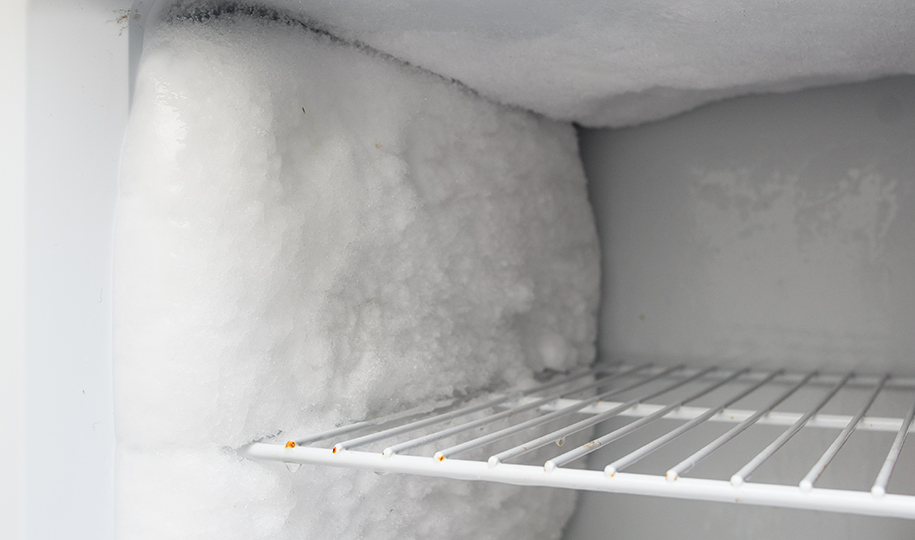
Have you ever opened your refrigerator only to find droplets of water clinging to the shelves and containers? It’s a common scene, but one that can be puzzling.
Why does condensation happen inside your refrigerator, and what can you do about it? Understanding the causes of this unwelcome moisture can help you keep your food fresh and your appliance running efficiently. We’ll dive into the reasons behind refrigerator condensation and offer some practical tips to keep it at bay.
Stay with us to uncover the simple solutions that can make a big difference in your kitchen.
How Condensation Forms
Condensation inside a refrigerator happens when water vapor turns into liquid. This change occurs because of specific conditions inside and outside the fridge. Understanding how condensation forms helps prevent moisture buildup and keeps food fresh longer.
Role Of Temperature Differences
Cold surfaces inside the fridge meet warmer air from outside or from opening the door. The temperature difference causes water vapor in the air to cool down quickly. When air cools, it cannot hold as much moisture, so water drops form on fridge walls or shelves. This is the main reason for condensation in refrigerators.
Humidity And Moisture Sources
Humidity means the amount of water vapor in the air. High humidity levels inside the fridge or kitchen increase condensation risk. Moisture can come from:
- Opening the fridge door often
- Storing uncovered or warm food
- Leaks or spills inside the fridge
- Warm air entering from outside
All these add water vapor to the fridge air. When this moist air touches the cold fridge surfaces, it turns into liquid droplets, causing condensation.
Common Causes Inside The Fridge
Condensation inside a refrigerator often results from common habits or issues. Understanding these causes helps keep the fridge dry and food fresh. Moisture builds up when cold air meets warm, humid air inside the fridge. Several everyday actions increase this moisture, causing water droplets to form.
Frequent Door Opening
Opening the fridge door many times lets warm air enter. This warm air meets the cold surfaces inside, causing moisture to form. The more often the door opens, the more condensation appears. Try to open the door less and close it quickly.
Storing Warm Food
Placing hot or warm food inside the fridge raises the inside temperature. This causes water vapor to increase and settle on cold surfaces. Always let food cool down to room temperature before storing it. This reduces moisture and prevents condensation.
Blocked Air Vents
Air vents inside the fridge allow cold air to circulate evenly. If vents get blocked by food items, cold air cannot flow properly. This leads to uneven cooling and moisture buildup. Keep vents clear to maintain good air circulation and reduce condensation.
External Factors Affecting Condensation
Condensation in refrigerators is not only caused by internal issues. External factors also play a big role. These factors influence how much moisture collects on or inside the fridge. Understanding these helps reduce condensation problems.
Kitchen Environment
The kitchen’s overall condition affects fridge condensation. Warm air near the refrigerator causes moisture to form. Frequent opening of the fridge door lets warm air inside. This warm air meets cold surfaces and creates water droplets. Also, placement of the fridge matters. If it stands near heat sources like ovens or sunlight, condensation can increase.
High Humidity Levels
Humidity in the room is a key factor. High humidity means more water vapor in the air. This vapor condenses easily on cold surfaces like fridge walls. During humid days, condensation appears faster and in larger amounts. Using a dehumidifier or improving ventilation can help lower humidity and reduce condensation risks.
Credit: www.thesealcompany.co.uk
Issues With Refrigerator Components
Issues with refrigerator parts often cause condensation inside. These problems stop the fridge from working right. Moisture builds up, leading to water droplets on walls or shelves. Understanding common component faults helps fix the problem fast.
Faulty Door Seals
Door seals keep cold air in and warm air out. If seals break or get dirty, air leaks inside. Warm air meets cold surfaces, causing condensation. Check seals for cracks, tears, or dirt. Clean seals regularly to keep them tight. Replace damaged seals to stop moisture build-up.
Malfunctioning Defrost System
The defrost system stops ice from building inside the fridge. A broken defrost heater or timer can cause frost to form. Ice traps moisture and melts into water droplets. This leads to excess condensation on fridge surfaces. Test defrost parts and replace faulty ones quickly.
Preventing Excess Moisture
Excess moisture inside your refrigerator can lead to spoiled food and unpleasant odors. Preventing this buildup is easier than you might think. It mainly involves managing how you store food, keep the temperature steady, and maintain cleanliness.
Proper Food Storage Tips
Keeping your food properly wrapped or sealed is crucial. Use airtight containers or resealable bags to stop moisture from escaping and mixing with the cold air.
Separate fresh produce from cooked foods to reduce condensation caused by differing humidity levels. Ever noticed how a half-open bag of lettuce wilts quickly? That’s moisture at work.
Also, avoid placing hot food directly into the fridge. Let it cool first to prevent steam from raising humidity inside.
Maintaining Optimal Temperature
Set your refrigerator temperature between 37°F (3°C) and 40°F (5°C). This range keeps food fresh and controls moisture effectively.
Have you checked your fridge’s thermometer lately? Temperature fluctuations can cause condensation to form on walls and shelves.
Keep the door closed as much as possible. Each time you open it, warm, moist air enters and increases condensation inside.
Regular Cleaning And Maintenance
Clean your refrigerator regularly to remove spills and food particles that attract moisture. Wiping down shelves and walls with a mild cleaner helps prevent mold and excess dampness.
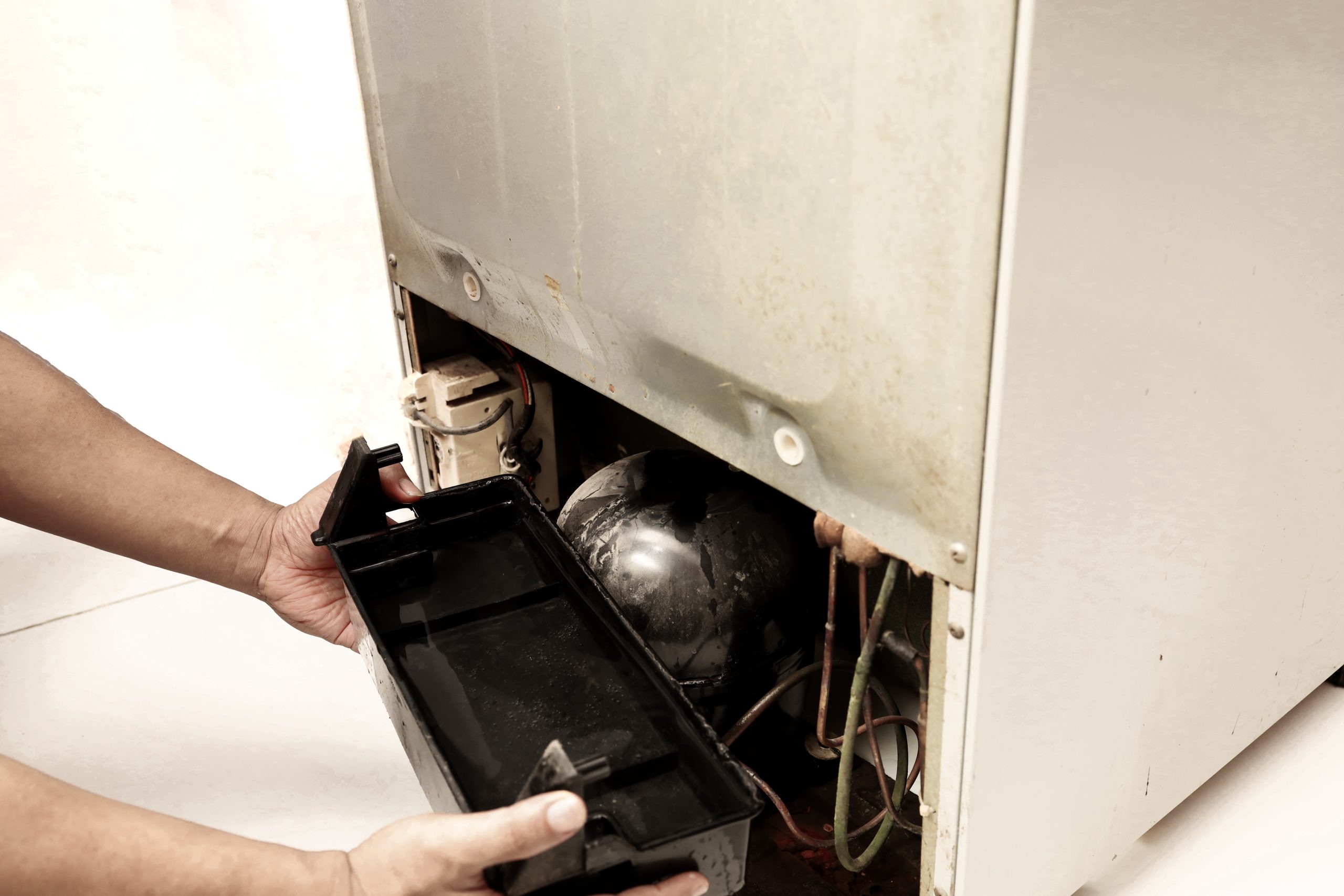
Check and clear the drain hole and drip pan, if your fridge has them. Blockages here can cause water to pool and increase humidity inside.
Remember to inspect door seals for cracks or damage. Faulty seals let warm air in, causing condensation and energy loss.
Credit: homewarranty.firstam.com

Credit: www.fcbios.com.my
Frequently Asked Questions
What Causes Condensation Inside A Refrigerator?
Condensation occurs when warm, moist air enters the fridge. It meets the cold surfaces and turns into water droplets. Frequent door opening and storing hot food increase moisture, leading to condensation.
How Does Fridge Temperature Affect Condensation?
If the fridge temperature is too high, it can’t remove moisture effectively. This causes excess humidity inside, resulting in condensation buildup on walls and shelves.
Can A Faulty Door Seal Cause Fridge Condensation?
Yes, a damaged or loose door seal lets warm air in. This air condenses when it meets cold surfaces, causing water droplets and frost inside the fridge.
How Does Storing Uncovered Food Lead To Condensation?
Uncovered food releases moisture into the fridge air. This moisture cools and condenses on cold surfaces, increasing water buildup and causing condensation inside the refrigerator.
Conclusion
Condensation in refrigerators happens when warm air meets cold surfaces. This causes water droplets to form inside. It often occurs from frequent door opening or high humidity. Keeping the door closed helps reduce moisture buildup. Regular cleaning also stops mold and odors.
Check door seals to keep cold air inside. Using airtight containers limits moisture from food. Simple steps can keep your fridge dry and fresh. Understanding condensation helps protect your food better. Stay mindful of these causes to avoid fridge problems.