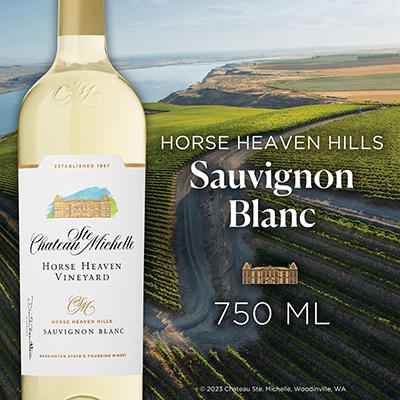
Are you standing in front of your wine rack, pondering whether your bottle of Sauvignon Blanc should find its way to the refrigerator? You’re not alone.
This question pops up more often than you might think. The crisp, refreshing taste of Sauvignon Blanc makes it a favorite for many, but storing it properly can be a bit confusing. We’ll uncover the secrets to getting the most flavor out of this delightful wine.
Whether you’re hosting a dinner party or enjoying a quiet evening at home, knowing how to store your wine can make all the difference. So, let’s dive into the world of Sauvignon Blanc and discover the best way to keep it tasting its best. You won’t want to miss these essential tips that could enhance every sip you take!

Credit: www.gianteagle.com
Ideal Serving Temperature
Getting the ideal serving temperature right for Sauvignon Blanc can make a big difference in your enjoyment. This wine is known for its crispness and vibrant flavors, which can change significantly with temperature. Serving it too warm or too cold might hide its best qualities.
Recommended Chilling Range
Sauvignon Blanc tastes best when chilled between 45°F and 50°F (7°C to 10°C). This range keeps the wine refreshing without dulling its fruity and herbal notes.
If you don’t have a wine fridge, place the bottle in the regular fridge for about 2 hours before serving. Avoid freezing it, as too cold a temperature can freeze the wine and alter its texture.
Have you ever opened a Sauvignon Blanc too soon and found it dull? Waiting for the right chill can revive its lively character.
Effects Of Temperature On Flavor
Temperature affects how you perceive the wine’s flavors and aromas. When too cold, Sauvignon Blanc can taste muted and lose its complexity.
At warmer temperatures, the wine’s acidity may seem softer, but it can also taste flabby or overly alcoholic. This shifts the balance, making it less enjoyable.
Serving your Sauvignon Blanc within the recommended range highlights its crisp citrus, grassy hints, and mineral undertones, giving you a bright and balanced sip every time.
When To Refrigerate Sauvignon Blanc
Knowing when to refrigerate Sauvignon Blanc helps keep its fresh and vibrant taste. Proper chilling enhances the wine’s crisp flavors and fruity aroma. Timing plays a key role in enjoying this popular white wine.
Before Opening
Keep Sauvignon Blanc in the fridge before opening to preserve its brightness. The ideal serving temperature is between 45°F and 50°F (7°C to 10°C). Chill the bottle for about 2 hours before serving. Avoid freezing as it can damage the wine’s flavor. If you store it at room temperature, cool it down in the fridge first.
After Opening
Once opened, Sauvignon Blanc should return to the fridge quickly. Exposure to air starts to change the wine’s taste. Use a wine stopper to seal the bottle tightly. Drink within 3 to 5 days for the best flavor. Keep the bottle upright to reduce air contact. Refrigeration slows down oxidation and keeps freshness longer.
Storage Tips For Freshness
Keeping your Sauvignon Blanc fresh is key to enjoying its crisp and vibrant flavors. Proper storage helps maintain its delicate aromas and bright acidity. Let’s look at simple ways you can store your bottle to keep it tasting its best.
Proper Bottle Position
Store your Sauvignon Blanc bottle upright rather than on its side. This prevents the wine from coming into contact with the cork, which can cause unwanted flavors or cork deterioration. Upright storage also reduces oxidation risk by limiting the surface area exposed to air inside the bottle.
Have you noticed how some wine fridges have vertical racks? That’s because white wines like Sauvignon Blanc benefit from standing up, especially if you plan to drink them within a few days to weeks. It’s a small step that keeps the wine fresh and bright.
Avoiding Temperature Fluctuations
Temperature changes can harm the flavor and texture of your Sauvignon Blanc. Try to store your bottle in a place with a steady temperature, ideally between 45°F and 55°F (7°C to 13°C). Sudden shifts in heat or cold can cause the wine to expand and contract, which affects its quality.
Think about your kitchen or dining room – do these spots get too warm during the day or too cold at night? If so, look for a cooler, consistent space like a wine cooler or a basement corner. Keeping your wine stable is a simple trick that pays off with every sip.

Credit: www.gianteagle.com
Chilling Methods
Chilling your Sauvignon Blanc correctly enhances its crispness and bright flavors. Choosing the right chilling method can make a noticeable difference in your wine experience. Let’s explore practical ways to cool your bottle efficiently, whether you have time or need a quick fix.
Using The Fridge
Storing Sauvignon Blanc in the fridge is the most straightforward way to chill it. Keep the bottle in the main compartment, ideally for 2-3 hours before serving. This method cools the wine evenly without risking over-chilling.
Have you noticed how wine tastes different straight from a warm cupboard versus after time in the fridge? I once poured a glass too soon and missed the wine’s lively acidity. Waiting those extra hours made all the difference.
To avoid forgetting your bottle, place it at eye level or set a timer on your phone. This simple habit ensures the perfect chill every time.
Quick Chill Techniques
Running out of time? Quick chill methods can save your Sauvignon Blanc without watering down its flavor. One effective way is to wrap the bottle in a damp cloth and place it in the freezer for 20-30 minutes.
Another approach is to fill a bucket with ice, water, and a handful of salt. Salt lowers the water’s freezing point, chilling the wine faster—usually within 15-20 minutes. Have you tried this at a last-minute gathering? It’s a game changer.
- Use a damp cloth for faster heat transfer in the freezer.
- Combine ice, water, and salt for rapid chilling in a bucket.
- Set a timer to avoid freezing the wine solid.
Remember, rushing the chill can risk freezing the bottle or dulling the wine’s character. So, keep an eye on the clock and your bottle’s temperature.
Common Mistakes To Avoid
Keeping Sauvignon Blanc at the right temperature is key to enjoying its fresh flavors. Mistakes in storing or chilling can change how it tastes. Avoiding common errors helps preserve the wine’s crispness and aroma. Learn what to watch out for below.
Overchilling
Cooling Sauvignon Blanc too much dulls its natural fruit flavors. Extreme cold hides the wine’s delicate aroma and taste. Serve it chilled, but not ice-cold. Aim for a temperature around 45-50°F (7-10°C) for the best flavor. Avoid putting the bottle in the freezer or on ice for too long.
Leaving Unrefrigerated Too Long
Leaving Sauvignon Blanc out at room temperature for hours reduces freshness. Warm temperatures speed up oxidation, making the wine taste flat or sour. Store the bottle in the fridge as soon as possible after opening. Keep it cold to maintain crisp acidity and bright notes. Don’t let it sit on the counter for too long.
Signs Of Poor Storage
Knowing the signs of poor storage can save your Sauvignon Blanc from disappointment. Improper refrigeration or leaving the bottle out too long can affect its quality. Recognizing these signs early helps you decide whether the wine is still worth enjoying or if it’s time to open a fresh bottle.
Changes In Aroma
Sauvignon Blanc is known for its fresh, vibrant aromas like citrus, green apple, and grassy notes. If you notice a dull or flat smell, it could be a sign of poor storage. Sometimes, the wine may even develop off-putting scents such as vinegar or wet cardboard.
Have you ever opened a bottle expecting a burst of freshness but got something stale instead? That sudden shift in aroma often happens when the wine is exposed to heat or light for too long. Keeping your bottle properly chilled helps preserve those delicate scents you love.
Altered Taste Profile
The taste of Sauvignon Blanc should be crisp and lively with a balance of acidity and fruitiness. When storage conditions are not ideal, the wine can taste flat, overly sour, or oddly metallic. This shift happens because the wine’s chemical balance changes, often due to temperature fluctuations or air exposure.
If your wine leaves a strange aftertaste or lacks its usual zing, it’s likely been stored poorly. Have you noticed your Sauvignon Blanc tasting different after leaving it out overnight? That’s a clear hint that refrigeration is crucial to maintain its true flavor profile.

Credit: www.gianteagle.com
Frequently Asked Questions
Should Sauvignon Blanc Be Refrigerated Before Serving?
Yes, Sauvignon Blanc should be refrigerated before serving. Chilling it to 45-50°F enhances its crisp, fresh flavors and aromas. Avoid freezing, as extreme cold can damage the wine’s structure and taste.
How Long Can Sauvignon Blanc Stay In The Fridge?
Sauvignon Blanc can stay fresh in the fridge for 3-5 days after opening. Use a wine stopper to preserve its quality and prevent oxidation during this time.
Can You Refrigerate Unopened Sauvignon Blanc Bottles?
Yes, you can refrigerate unopened Sauvignon Blanc bottles. Store them horizontally in the fridge for a short-term chill before serving. For long-term storage, keep them in a cool, dark place instead.
Why Is Refrigeration Important For Sauvignon Blanc?
Refrigeration slows down oxidation and preserves Sauvignon Blanc’s bright acidity and fruity notes. Proper chilling ensures the wine tastes fresh and balanced, enhancing your overall drinking experience.
Conclusion
Sauvignon Blanc tastes best when served chilled. Keep it in the fridge before drinking. Too warm, and the flavors can seem flat. Too cold, and you might miss the wine’s fresh taste. A good chill brings out crisp and fruity notes.
Store the bottle upright in the fridge. Take it out a few minutes before serving. Enjoy your wine at the right temperature for the best experience. Simple steps make your Sauvignon Blanc more enjoyable every time.