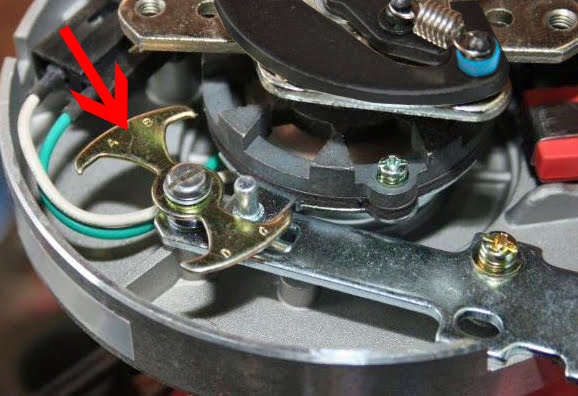
Are you tired of your engine not performing at its best? Adjusting the vacuum advance on your HEI distributor could be the key to unlocking its full potential.
Imagine driving with smoother acceleration and improved fuel efficiency. Sounds great, right? You’ll discover a simple step-by-step guide to make these adjustments yourself, even if you’re not a car expert. We’ll break down the process into easy-to-follow instructions that will have you feeling like a pro in no time.
Get ready to transform your driving experience and ensure your engine runs like a charm. Keep reading to find out how you can make this powerful change today!
Credit: www.firebirdnation.com
Vacuum Advance Basics
The vacuum advance is a key part of the HEI distributor. It helps the engine run better by changing the ignition timing. Understanding its basics makes adjusting it easier and more effective. This section explains what the vacuum advance does and how it impacts your engine’s performance.
Purpose Of Vacuum Advance
The vacuum advance moves the timing of the spark earlier or later based on engine load. It uses engine vacuum to adjust ignition timing. This timing change helps the engine burn fuel more efficiently. The goal is to improve fuel economy and reduce emissions. It also helps the engine respond smoothly to changes in driving conditions.
How It Affects Engine Performance
Proper vacuum advance improves throttle response and power delivery. It advances timing during light load for better fuel use. Without it, the engine may feel sluggish or use more fuel. Too much advance can cause knocking or pinging sounds. Correct adjustment keeps the engine running smooth and efficient at various speeds.

Credit: www.moroso.com
Tools Needed
Adjusting the vacuum advance on your HEI distributor requires a specific set of tools to ensure accuracy and safety. Having the right tools on hand not only makes the process smoother but also helps you avoid common mistakes that can lead to engine performance issues. Before you start, take a moment to check your toolbox and gather everything you need.
Essential Tools List
- Vacuum Gauge:To measure the vacuum advance accurately, a reliable vacuum gauge is crucial. This tool helps you see the exact amount of vacuum your distributor is receiving.
- Screwdrivers:Both flathead and Phillips screwdrivers are necessary for loosening and tightening the distributor hold-down clamps and vacuum advance units.
- Wrench Set:A set of wrenches, especially a 5/8-inch or 11/16-inch, is important for adjusting the distributor and securing bolts.
- Timing Light:To verify the timing after adjustment, a timing light will help you see the ignition timing marks clearly.
- Shop Rags:Keep a few rags handy to clean any dirt or oil around the distributor before and after the adjustment.
- Service Manual:Your vehicle’s service manual provides specific vacuum advance settings and adjustment procedures tailored to your engine.
Safety Precautions
Working on your distributor means dealing with moving engine parts and electrical components. Always make sure the engine is off and cool before you start adjusting anything.
Disconnect the battery to prevent accidental electrical shocks or shorts. You don’t want to risk injury or damage to your ignition system.
Wear safety glasses to protect your eyes from debris or unexpected splashes of fluids. Also, avoid loose clothing or jewelry that could get caught in the engine.
Have you ever rushed adjustments only to face engine trouble later? Taking a few minutes for safety can save you a lot of time and headaches down the road.
Locate Vacuum Advance On Hei Distributor
Locating the vacuum advance on an HEI distributor is key for proper tuning. This part controls timing based on engine vacuum. Finding it helps adjust engine performance and fuel efficiency. The vacuum advance is a small device attached to the side of the distributor. It looks like a round metal canister connected to a vacuum hose.
Knowing where to find the vacuum advance makes adjustment easier. It also helps in diagnosing engine problems related to timing. Let’s explore how to identify the vacuum canister and access its adjustment points.
Identifying The Vacuum Canister
The vacuum canister is a round, metal or plastic part on the distributor’s side. It has a small arm that connects to the distributor shaft. A vacuum hose runs from the engine to the canister’s nipple. The canister moves the arm when vacuum changes, adjusting ignition timing.
Look near the distributor cap’s base for this device. The canister is usually mounted with screws or clips. It may be black, silver, or gray. The vacuum hose attached is often rubber and flexible.
Accessing The Adjustment Points
The vacuum advance adjustment is done by moving the small arm or adjusting a screw. First, locate the arm connected to the canister. This arm moves as vacuum pressure changes.
Check for an adjustment screw or clip near the canister base. Some HEI distributors allow fine-tuning by loosening the screw and moving the arm slightly. Others may require replacing the vacuum canister with a different unit for adjustment.
Remove any dirt or debris to see the adjustment points clearly. Use a flashlight if needed. Make sure the engine is off before trying any adjustments.
Check Current Vacuum Advance Settings
Before you adjust the vacuum advance on your HEI distributor, it’s crucial to check the current vacuum advance settings. Knowing the baseline helps you avoid over-adjusting and ensures your engine runs smoothly. This step gives you a clear picture of how your distributor is performing under different conditions.
Using A Vacuum Gauge
Attach a vacuum gauge to the vacuum advance port on your distributor. Make sure the engine is off while you connect the gauge to avoid any damage or inaccurate readings. Start the engine and let it idle, then observe the vacuum reading on the gauge.
Pay attention to how the vacuum changes as you gently increase the engine speed. A healthy vacuum advance should show a smooth and steady rise in vacuum as the RPM goes up. If the gauge shows little or no change, your vacuum advance mechanism might be sticking or faulty.
Interpreting The Results
Look at the vacuum levels at idle and at higher RPMs. A typical vacuum advance should start working around 5-10 inches of mercury (inHg) vacuum and peak around 15-20 inHg. If your readings fall outside these ranges, the distributor’s vacuum advance might need adjustment or replacement.
Consider how your engine feels during a test drive—does it hesitate or bog down under light throttle? These symptoms can correlate with poor vacuum advance performance. What does your gauge tell you about your distributor’s health? Use these insights to decide your next move with the vacuum advance adjustment.
Adjusting The Vacuum Advance
Adjusting the vacuum advance on your HEI distributor is key to optimizing engine performance and fuel efficiency. This adjustment helps the ignition timing respond correctly to changes in engine vacuum, which varies with throttle position and load. Getting this right can make your car run smoother and improve throttle response.
Loosening The Adjustment Screw
Start by locating the vacuum advance unit on your HEI distributor. You’ll find a small screw that holds the vacuum advance canister in place. Loosen this screw just enough so the canister can move freely without coming off completely.
Be careful not to strip the screw or loosen it too much. This step allows you to adjust the timing without damaging the components. Have a small screwdriver ready, and work in a well-lit space to avoid mistakes.
Setting Desired Vacuum Timing
Connect a vacuum gauge to the vacuum advance port and start the engine to monitor the timing. Use a timing light to check the current ignition timing at idle and under vacuum conditions.
Slowly rotate the vacuum advance canister to advance or retard the timing. Aim for the manufacturer’s recommended vacuum advance degrees, which you can find in your vehicle’s service manual. Fine adjustments here can noticeably affect how your engine responds to acceleration and cruising.
Tightening And Securing Components
Once the timing is set where you want it, hold the vacuum advance canister steady and tighten the adjustment screw securely. This locks your settings in place and prevents the timing from drifting.
Double-check the timing with your timing light after tightening to ensure nothing moved during the process. Finally, reconnect any vacuum lines you may have disconnected and test drive your vehicle to feel the difference in performance.
Credit: promotoyota-jatim.com
Test Drive And Fine-tuning
After adjusting the vacuum advance on your HEI distributor, a test drive is essential. This helps check how the engine reacts to the new settings. Fine-tuning during this stage ensures smooth running and better performance. Pay close attention to changes in engine behavior.
Observing Engine Response
Drive the vehicle under different conditions. Notice how the engine accelerates and idles. Look for any signs of hesitation or knocking. Check if the engine runs smoothly at low and high speeds. Listen for unusual noises that might indicate timing issues. Watch the tachometer for stable RPMs during acceleration.
Making Further Adjustments
If the engine shows hesitation or rough running, adjust the vacuum advance again. Turn the vacuum advance unit slightly and test drive once more. Small changes can make a big difference. Repeat this process until the engine runs smoothly. Keep adjustments gentle to avoid over-advancing the timing. Proper fine-tuning improves fuel efficiency and engine response.
Common Issues And Troubleshooting
Adjusting the vacuum advance on your HEI distributor can be tricky if you don’t know what common issues to watch out for. Problems with the vacuum advance system often cause engine performance hiccups and may mislead you into thinking the distributor itself is faulty. Understanding these common issues helps you pinpoint the exact cause, saving you time and money.
Vacuum Leaks
Vacuum leaks are one of the most frequent causes of a malfunctioning vacuum advance. A small crack or loose connection in the vacuum line can cause erratic timing and poor engine response.
Check your vacuum hoses for cracks, brittleness, or loose fittings. Even a tiny leak can cause your engine to run rough or stall.
Try this simple test: disconnect the vacuum line from the advance canister and plug it. If the engine smooths out, you’ve likely found your leak.
Advance Canister Malfunction
The vacuum advance canister itself can fail over time, especially if exposed to heat and engine vibrations. A stuck diaphragm inside the canister prevents it from moving and adjusting timing properly.
You can test the canister by applying vacuum directly with a hand pump. If the canister doesn’t hold vacuum or doesn’t move the distributor plate, it needs replacement.
Remember, a faulty canister might not give you any warning signs besides poor acceleration and reduced fuel efficiency. Have you checked this simple part during your last tune-up?
Frequently Asked Questions
What Is Vacuum Advance On Hei Distributor?
Vacuum advance adjusts ignition timing based on engine load using vacuum pressure. It improves fuel efficiency and engine performance in HEI distributors.
How Do You Test Vacuum Advance On Hei Distributor?
Use a hand-held vacuum pump on the vacuum advance canister. Timing should advance smoothly when vacuum is applied and return when released.
Why Adjust Vacuum Advance On Hei Distributor?
Adjusting ensures optimal ignition timing, improving fuel economy, reducing emissions, and enhancing engine response during different driving conditions.
When Should I Adjust The Vacuum Advance On Hei Distributor?
Adjust vacuum advance during engine tuning or when experiencing poor fuel efficiency, hesitation, or rough idling to optimize performance.
Conclusion
Adjusting the vacuum advance on your HEI distributor improves engine performance. It helps the timing match engine needs at different speeds. Take your time to make small changes and test results. A properly set vacuum advance can boost fuel efficiency and reduce engine knocking.
Keep your engine running smooth and reliable with this simple step. Regular checks ensure your car stays in good shape. This task is easy with basic tools and a little patience. Try it yourself and feel the difference in driving.