
Have you ever wondered about the weight of your refrigerator? You’re not alone.
Whether you’re moving, remodeling your kitchen, or just curious, knowing how much a refrigerator weighs can be surprisingly important. Imagine trying to lift one without knowing its heft—it’s like stepping into the unknown! By understanding the weight, you can plan better, avoid injuries, and ensure your kitchen setup goes smoothly.
We’ll uncover the weight of different types of refrigerators, so you can feel confident and prepared for whatever your next step may be. Keep reading to discover the surprising truths about refrigerator weights.

Credit: www.lg.com
Factors Affecting Refrigerator Weight
The weight of a refrigerator depends on several key factors. These factors influence the overall heaviness and can vary widely. Understanding these elements helps when choosing or moving a fridge.
Different refrigerators serve different needs. Their size, design, and materials all play a role in their weight. Each aspect changes how much a refrigerator will weigh.
Size And Capacity
Larger refrigerators usually weigh more. They hold more food and use bigger compressors. Capacity is measured in cubic feet. A fridge with 20 cubic feet weighs less than one with 30 cubic feet.
Size affects the number of shelves, drawers, and doors. More components add extra weight. Small fridges are lighter and easier to move.
Type And Design
Different types have different weights. Top freezer models tend to be lighter. Side-by-side and French door designs are often heavier. They have more parts and features.
Built-in refrigerators weigh more than freestanding models. Built-ins use stronger frames to fit into cabinets. Design choices like ice makers or water dispensers add weight too.
Materials Used
Materials affect the fridge’s weight a lot. Steel and aluminum frames are strong but heavy. Plastic parts reduce weight but may lower durability.
Insulation inside the walls adds to the total weight. Better insulation makes the fridge heavier but more efficient. Glass shelves weigh more than plastic ones. The type of material changes the overall heaviness.

Credit: www.lowes.com
Average Weight By Refrigerator Type
Understanding the average weight of refrigerators by type can help you make smarter choices when buying or moving one. Different styles vary significantly in weight due to design, size, and materials. Let’s break down the typical weights you can expect from popular refrigerator types.
Top Freezer Models
Top freezer refrigerators are usually the lightest full-size models. Their simple design, with the freezer compartment above the fridge, keeps the weight lower. Most top freezer units weigh between 150 to 250 pounds, making them easier to handle if you need to move them yourself.
If you’ve ever struggled lifting a heavy fridge, you’ll appreciate how manageable these models are. They’re a great choice if space and weight are concerns in your home.
Side-by-side Models
Side-by-side refrigerators split the fridge and freezer vertically. This style tends to be heavier due to extra features like ice dispensers and larger doors. Expect weights ranging from 250 to 350 pounds.
Think about your doorways and staircases before picking a side-by-side model. Their bulk can make installation tricky, so plan your route carefully to avoid damage or injury.
French Door Models
French door refrigerators are among the heaviest types. They combine a bottom freezer with two fridge doors on top, adding to the overall weight. These models typically weigh between 280 and 400 pounds, depending on size and features.
While they offer great storage and style, consider whether you need help moving one. The extra weight can be a challenge, especially if your space has tight corners or narrow hallways.
Mini And Compact Refrigerators
Mini and compact refrigerators are the lightest and most portable options. Perfect for dorm rooms or small apartments, they usually weigh under 80 pounds. Some ultra-compact models can be as light as 30 pounds.
These are easy to carry and reposition, but remember they offer limited storage. Are you willing to trade space for convenience? That’s an important question when choosing a fridge size.
Weight Considerations For Moving
Understanding the weight of your refrigerator is crucial before moving it. These appliances can be surprisingly heavy, often ranging from 150 to over 300 pounds depending on the size and model. Knowing this helps you plan better and avoid injuries or damage during transport.
Preparing For Transport
Start by emptying your refrigerator completely. Removing all food and detachable shelves makes the unit lighter and prevents spills. Secure the doors with strong tape or straps to keep them closed while moving.
Measure doorways and hallways to ensure your fridge fits comfortably. This simple step prevents last-minute surprises that can lead to damage or extra effort. Also, consider the weight distribution—larger models often require more than one person to carry safely.
Tools And Equipment Needed
Having the right tools makes the move easier and safer. Use a sturdy appliance dolly or hand truck designed to support heavy weights. Furniture sliders or moving blankets protect floors and help slide the fridge without lifting it entirely.
- Appliance dolly with straps
- Heavy-duty gloves for grip
- Moving blankets or pads
- Measuring tape
- Strong packing tape for securing doors
Don’t underestimate how much easier these tools make the job. I once tried moving a fridge without a dolly—within minutes, I realized I needed better equipment to avoid injury.
Safety Tips
Always lift with your legs, not your back, to avoid strain. If the fridge is too heavy, ask for help rather than risking injury. Clear the path of any obstacles to prevent trips or falls during the move.
Consider the fridge’s weight and how it affects your balance. Keep the appliance upright to protect its internal components. Have a plan for how you will rest or adjust grip if the load feels unstable.
What safety checks do you perform before lifting heavy items at home? Taking a moment to prepare can save you from costly accidents or damage to your refrigerator.
Impact Of Weight On Energy Efficiency
The weight of a refrigerator isn’t just about how heavy it feels when you move it. It plays a significant role in how energy efficient your appliance will be. Understanding this connection can help you choose a fridge that saves you money and reduces your environmental impact.
Correlation Between Weight And Insulation
Heavier refrigerators often contain thicker insulation materials. This extra insulation slows down the transfer of heat from the outside to the inside, keeping your food colder for longer.
Think about a fridge with lightweight construction—it might cool faster initially, but it loses cool air quicker too. The added weight from better insulation means the compressor doesn’t have to work as hard or as often.
Have you noticed how some fridges feel solid and heavy when you open the door? That’s usually a sign of good insulation quality, directly linked to better energy efficiency.
Effect On Power Consumption
A refrigerator’s weight impacts how much power it consumes daily. Heavier models with enhanced insulation reduce the frequency and duration of compressor cycles.
This translates to lower electricity bills over time. If you’ve ever owned a lightweight fridge that runs constantly, you know how quickly energy costs can add up.
Choosing a refrigerator with the right balance of weight and insulation means you pay less for power without sacrificing performance. Would you prefer a fridge that runs all day or one that runs smartly and sparingly?
How To Find Refrigerator Weight Information
Knowing the weight of a refrigerator helps with transport and installation. Finding this information is easier than it seems. Several sources provide accurate and detailed weight data. Here are some effective ways to find the refrigerator’s weight.
Manufacturer Specifications
Check the official product manual or specification sheet. These documents list the exact weight of the refrigerator model. Visit the manufacturer’s website and search for your model number. Many brands include detailed specs, including net and gross weight. This source is reliable and up-to-date.
Online Resources
Many retail websites display product details, including weight. Look for product descriptions on major appliance stores or e-commerce platforms. User reviews and Q&A sections sometimes mention weight information. Online forums and home appliance blogs can also help. Use trusted sites to avoid incorrect data.
In-store Assistance
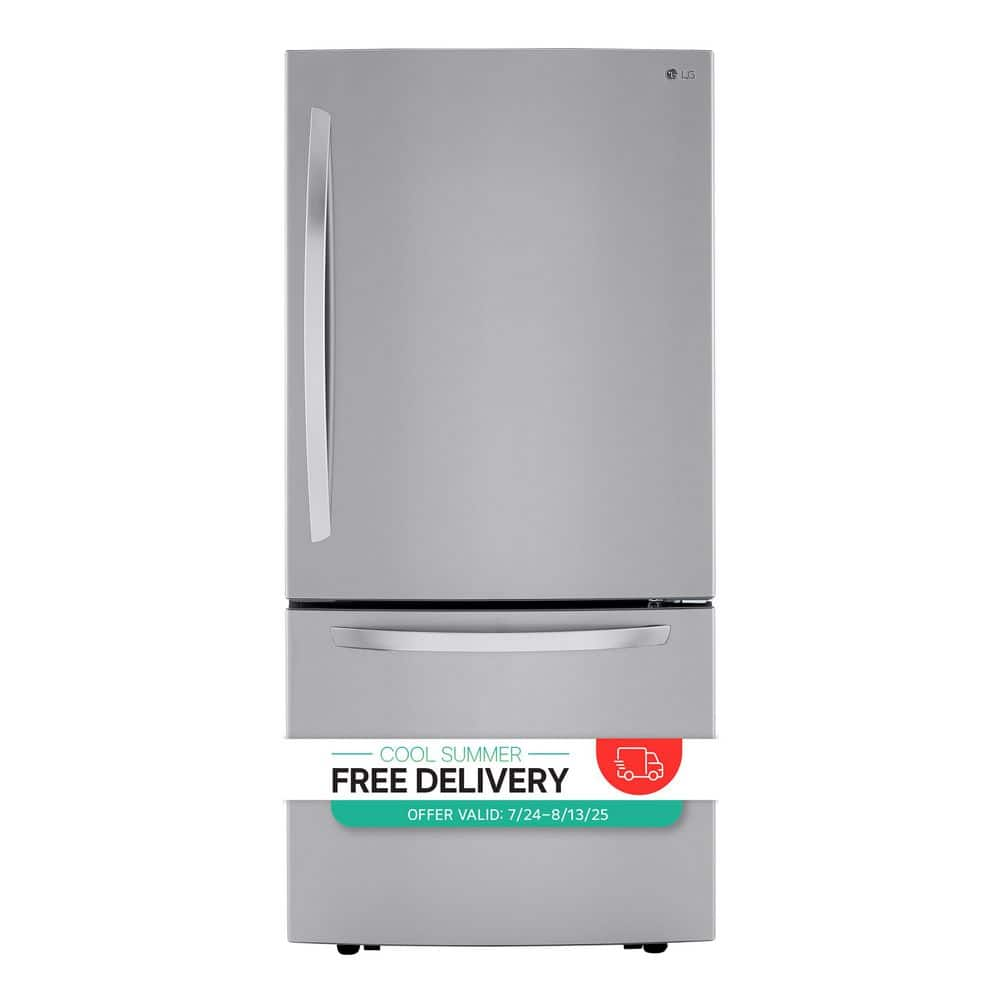
Visit a local appliance store for direct help. Sales staff often have access to product catalogs. They can provide weight details and related information. Seeing the fridge in person helps estimate size and heft. Store experts can also offer tips on moving and installation.
Credit: www.homedepot.com
Frequently Asked Questions
How Much Does A Standard Refrigerator Weigh?
A standard refrigerator usually weighs between 200 to 400 pounds. The exact weight depends on its size, type, and features. Compact models weigh less, while larger French door or side-by-side refrigerators can weigh more.
What Affects A Refrigerator’s Overall Weight?
The refrigerator’s weight is influenced by its size, materials, insulation, and compressor type. Larger units with more features and thicker insulation weigh more. Stainless steel models are generally heavier than plastic or aluminum ones.
How Heavy Is A Mini Fridge Typically?
Mini fridges typically weigh between 30 to 50 pounds. Their compact size and fewer components make them lighter and easier to move. They are ideal for dorm rooms or small spaces.
Why Is Knowing Refrigerator Weight Important?
Knowing the refrigerator’s weight helps during transportation, installation, and delivery. It ensures proper handling and prevents damage. It also aids in choosing suitable moving equipment or vehicles.
Conclusion
Refrigerator weights vary depending on size and type. Small models weigh less than large ones. Knowing the weight helps during moving or delivery. Always check the product details before buying. This saves time and avoids surprises. Weight affects how easy it is to handle.
Keep this in mind when choosing a fridge. Now you have a clear idea of refrigerator weights. Choose wisely for your home and needs.