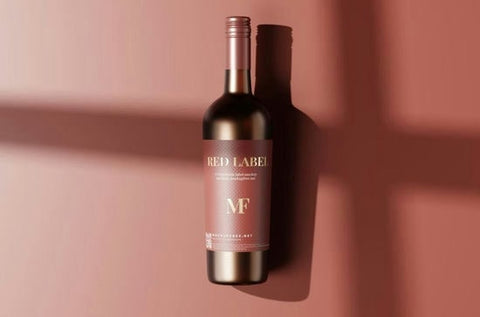
Have you ever found yourself standing in your kitchen, holding a bottle of Marsala wine and wondering if it needs to be refrigerated? You’re not alone.
This question puzzles many wine enthusiasts and casual cooks alike. Your curiosity is perfectly natural, especially if you love using Marsala wine to enhance the flavors of your favorite dishes. Understanding how to store it can make all the difference in preserving its rich, nutty taste.
So, should you pop it in the fridge or leave it on the shelf? Stick around, and you’ll discover the best ways to keep your Marsala wine fresh and delicious, ensuring it’s always ready to elevate your culinary creations.

Credit: www.yahoo.com
Marsala Wine Basics
Marsala wine is a fortified wine from Sicily, Italy. It offers a rich flavor and deep color. This wine is popular for cooking and drinking. Understanding its basics helps with proper storage and use.
Types Of Marsala Wine
Marsala wine comes in different styles. The main types are:
- Dry:Less sweet, often used in savory dishes.
- Semi-dry:Slightly sweet, versatile for cooking and drinking.
- Sweet:Rich and sweet, ideal for desserts.
Each type has unique flavors and uses in recipes.
Alcohol Content And Preservation
Marsala wine has a higher alcohol content than regular wine. It usually ranges from 15% to 20% alcohol by volume.
This higher alcohol helps preserve the wine longer after opening. Marsala can last weeks if stored correctly. Proper sealing is important to maintain its quality.

Credit: www.yahoo.com
Storage Conditions For Marsala
Proper storage of Marsala wine is key to preserving its unique flavor and aroma. Marsala doesn’t demand complicated conditions, but a few simple rules can keep your bottle tasting fresh for much longer. Understanding the right environment helps you enjoy every drop as the winemaker intended.
Ideal Temperature Range
Marsala wine should be stored at a consistent, cool temperature. Aim for a range between 55°F and 65°F (13°C to 18°C). Temperatures outside this range can cause the wine to spoil or lose its rich flavor.
I once left a bottle of Marsala on a kitchen counter where the temperature fluctuated daily. The next time I used it, the taste was dull and flat. This experience taught me how important stable temperatures really are.
Keeping your Marsala in a wine cellar, a cool pantry, or even a temperature-controlled wine fridge can make a big difference. Avoid places near heating vents or windows where sunlight can raise the temperature unexpectedly.
Light And Air Exposure
Exposure to light and air can quickly degrade Marsala wine. Ultraviolet rays from sunlight break down the wine’s compounds, altering its flavor and color.
Once opened, Marsala should be tightly sealed to minimize air contact. Oxygen accelerates oxidation, which turns the wine sour and less enjoyable.
Using a vacuum wine stopper or transferring the Marsala to a smaller bottle can help reduce air exposure. Store the bottle in a dark place like a cupboard to shield it from light damage.
Have you ever noticed how a forgotten bottle of Marsala left in the light tastes different? That’s the impact of light and air working against the wine’s quality.
Refrigeration Needs
Knowing whether Marsala wine needs refrigeration can save you from wasting a good bottle. This fortified wine has unique storage requirements that affect its flavor and longevity. Let’s break down what you need to know about keeping your Marsala fresh.
Opened Vs. Unopened Bottles
Unopened bottles of Marsala wine do not require refrigeration. You can store them in a cool, dark place like a pantry or wine cellar. The sealed bottle protects the wine from air and temperature changes that might spoil it.
Once opened, the story changes. Exposure to air starts the oxidation process, which can alter the taste and aroma. Refrigerating an opened bottle slows this process and helps maintain the wine’s quality.
Shelf Life After Opening
After opening, Marsala wine typically lasts about 1 to 3 weeks if refrigerated. Sweet varieties tend to last longer, while dry Marsala may lose its character faster. Always seal the bottle tightly to prevent unwanted air from spoiling the wine.
Have you ever noticed how the flavor of your opened Marsala changes after a few days? Refrigeration can help keep that rich, nutty flavor intact. If you plan to cook with it over a few weeks, refrigeration is your best friend.
Best Practices For Storing Marsala
Proper storage helps keep Marsala wine fresh and tasty for longer. Marsala’s unique flavor stays intact when stored correctly. Knowing how to seal and store it prevents spoilage and waste.
Sealing And Bottling Tips
Always use the original cork or a tight stopper to seal Marsala. Avoid loose caps that let air inside. Oxygen causes Marsala to lose flavor and aroma fast. After opening, wipe the bottle neck to remove any residue. This keeps the seal clean and airtight. Store the bottle upright to reduce surface contact with air. This simple step slows oxidation.
Using Storage Containers
For partial bottles, transfer Marsala to smaller containers to limit air exposure. Choose glass containers with airtight lids for best results. Avoid plastic containers that may affect the wine’s taste. Label containers with the opening date to track freshness. Keep containers in a cool, dark place away from heat and sunlight. This preserves the wine’s quality and color longer.
Signs Of Spoiled Marsala Wine
Recognizing the signs of spoiled Marsala wine is key to enjoying its rich, nutty flavors without any unpleasant surprises. Marsala can last quite a while, but improper storage or extended exposure to air can cause it to go bad. Knowing what to watch for helps you decide if your bottle is still good or time to pour it down the drain.
Changes In Aroma And Flavor
Your nose is the best tool to spot spoiled Marsala wine. Fresh Marsala typically has sweet, caramel, and almond scents. If you detect sharp vinegar-like smells or a strong sourness, the wine has likely turned.
On tasting, spoiled Marsala might taste flat or overly bitter, losing its balanced sweetness. Sometimes, it may even have a chemical or metallic aftertaste. If the flavor feels off or unpleasant, it’s a clear warning sign.
Visual Indicators
Look closely at the color and clarity of your Marsala wine. Fresh Marsala is usually clear with warm amber or tawny hues. Cloudiness, sediment that wasn’t there before, or a dull, darkened color can indicate spoilage.
Another red flag is the presence of bubbles or fizz in a bottle that’s supposed to be still. This might mean unwanted fermentation or contamination. Have you ever noticed these changes and hesitated to use your Marsala? Trust your eyes and nose—they rarely lie.
Tips For Using Leftover Marsala
Leftover Marsala wine should not go to waste. It holds unique flavors that can enhance many dishes and drinks. Storing it properly keeps it fresh longer. Using leftover Marsala creatively adds value and reduces waste.
Cooking Applications
Marsala wine adds depth to sauces and stews. Use it to enrich chicken or mushroom dishes. A splash in risotto gives a rich, nutty taste. It also works well in marinades for meat. Simmer with vegetables for a flavorful twist. Marsala’s sweet and dry varieties suit different recipes. Always add Marsala towards the end of cooking.
Creative Drink Recipes
Marsala wine makes interesting cocktails. Mix it with sparkling water and lemon for a light spritz. Combine with orange juice for a fruity twist. Marsala also pairs well with whiskey in cocktails. Serve chilled with a slice of fresh fruit. Use it as a base for warm winter drinks. Experiment with simple mixers to find your favorite taste.
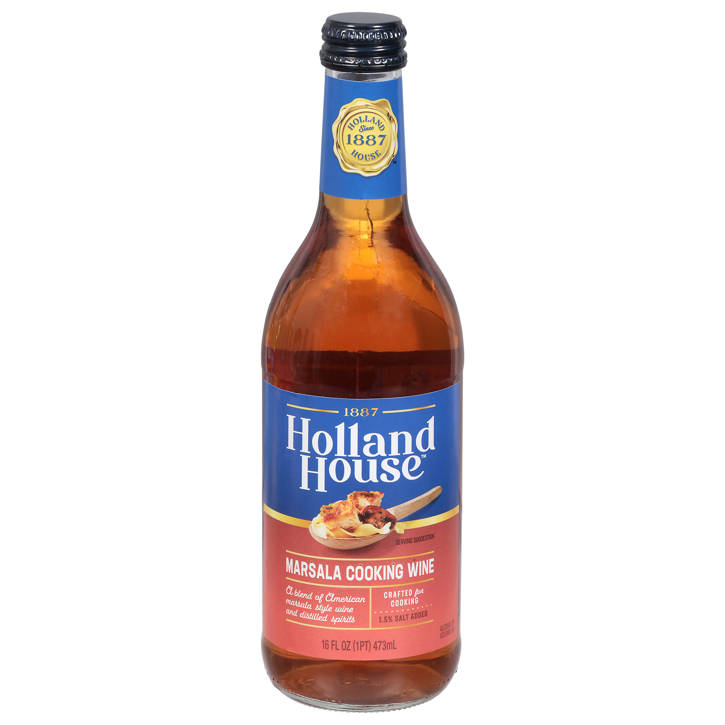
Credit: orderonline.rouses.com
Frequently Asked Questions
Does Marsala Wine Require Refrigeration After Opening?
Marsala wine should be refrigerated after opening to maintain its flavor and quality. Keeping it cold slows oxidation. Seal the bottle tightly before refrigerating. This extends its shelf life for several weeks.
Can Marsala Wine Be Stored At Room Temperature?
Unopened Marsala wine can be stored at room temperature in a cool, dark place. Avoid heat and sunlight, which degrade the wine. Once opened, refrigeration is recommended to preserve taste and freshness.
How Long Does Opened Marsala Wine Last Refrigerated?
Refrigerated Marsala wine typically lasts 3 to 4 weeks after opening. Proper sealing is crucial to prevent spoilage. Over time, the flavor may weaken but it remains safe to consume within this period.
Is Refrigeration Necessary For Sweet Versus Dry Marsala Wine?
Both sweet and dry Marsala wines benefit from refrigeration after opening. This preserves their unique flavors and aromas. Refrigeration slows down oxidation regardless of the wine’s sweetness level.
Conclusion
Marsala wine keeps best in a cool, dark place. Refrigeration can help after opening. It slows down spoilage and keeps flavor longer. Always seal the bottle tightly. Avoid heat and sunlight to protect taste. Enjoy your Marsala wine fresh for cooking or drinking.
Proper storage makes a difference. Remember, a little care goes a long way.