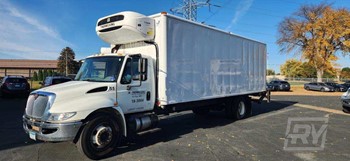
Renting a refrigerated truck can feel like a daunting task. Whether you’re a small business owner needing to transport perishable goods or planning a big event that requires keeping food items fresh, knowing the cost is crucial.
You might wonder how much to budget for this essential service. Understanding the factors that influence rental prices can help you make a smart decision and avoid unexpected costs. Dive into this guide, and you’ll uncover everything you need to know about renting a refrigerated truck without any hassle.
From cost breakdowns to insider tips, we’ve got you covered. Ready to discover the secrets behind finding the best deals? Keep reading to empower your next move with confidence.

Credit: www.rentalyard.com
Factors Affecting Rental Costs
Understanding the factors that influence the cost of renting a refrigerated truck helps you make smarter choices and avoid unexpected expenses. Several key elements shape the final rental price, from the size of the vehicle to the time of year you need it. Knowing what affects costs can guide you in planning your budget more accurately and getting the best value for your rental.
Truck Size And Capacity
The size of the refrigerated truck directly impacts the rental price. Larger trucks with higher capacity cost more because they use more fuel and require more maintenance. If you only need to transport a small load, choosing a smaller truck can save you money.
Think about the volume and weight of your cargo before selecting a truck size. Paying for unused space is a common mistake that adds unnecessary costs. How much space do you really need?
Rental Duration
Rental duration plays a crucial role in pricing. Typically, longer rentals come with discounted daily rates, but short-term rentals often have higher daily charges. If your delivery schedule is flexible, extending the rental period might reduce your overall cost.
Be mindful of late returns, as extra fees can quickly add up. Planning your rental period carefully ensures you pay only for the time you truly need.
Seasonal Demand
Demand for refrigerated trucks fluctuates with the seasons. During peak seasons, such as summer or holiday periods, prices tend to rise due to higher demand. This can make renting more expensive if you don’t book early.
Consider whether your shipment can be scheduled during off-peak times to lower costs. Can adjusting your timeline save you money?
Additional Features And Equipment
Extra features like GPS tracking, advanced temperature controls, or lift gates add convenience but also increase rental costs. You should weigh the benefits of these add-ons against their price.
If your cargo requires specific temperature ranges or handling, these features may be necessary. However, avoid paying for extras that won’t add real value to your transport needs.

Credit: www.rentalyard.com
Average Rental Prices By Truck Size
Rental prices for refrigerated trucks vary by size and capacity. Smaller trucks cost less, while larger ones come with higher fees. Understanding average prices helps plan your budget better. Here is a breakdown of rental costs based on truck size.
Small Refrigerated Trucks
Small refrigerated trucks usually hold up to 1,000 cubic feet. They suit small deliveries and local transport. Rental prices range from $70 to $120 per day. Weekly rentals can lower the daily cost to about $60. These trucks are easy to drive and park.
Medium Refrigerated Trucks
Medium trucks have a capacity between 1,000 and 2,500 cubic feet. They fit medium-sized loads and longer trips. Prices range from $120 to $200 per day. Weekly rentals reduce the price to around $110 daily. These trucks offer a balance of size and cost.
Large Refrigerated Trucks
Large refrigerated trucks hold over 2,500 cubic feet. They handle big shipments and long-distance hauling. Rental costs start at $200 and can reach $350 or more per day. Weekly rates may lower the cost to about $180 daily. These trucks need skilled drivers and more space for parking.
Cost Breakdown By Rental Duration
Understanding the cost breakdown by rental duration helps you plan your budget better when renting a refrigerated truck. Rental prices vary significantly based on how long you need the vehicle. Knowing these differences allows you to choose the best option without paying extra for unused time.
Daily Rentals
Daily rentals are perfect if you need a refrigerated truck for a short trip or a one-time event. The cost is usually the highest per day compared to longer rental periods. You might pay anywhere from $150 to $300 per day depending on the truck size and location.
Remember, daily rentals often include extra fees like mileage charges or fuel costs. If your trip is short, this might be the most cost-effective option. But if you plan multiple days, daily rates can quickly add up and strain your budget.
Weekly Rentals
Renting a refrigerated truck weekly lowers the daily cost. Typically, weekly rentals cost about 20-30% less per day than daily rentals. For example, a weekly rental might be around $900 to $1,800, depending on the truck type and rental company.
This option suits businesses with ongoing delivery needs or projects lasting several days. Weekly rentals also reduce the hassle of frequent paperwork and rebooking. Do you really need the flexibility of daily rentals, or would a weekly deal save you money and time?
Monthly Rentals
Monthly rentals offer the best value if you need a refrigerated truck for an extended period. Rates can drop to as low as $2,500 to $4,000 per month, translating to a daily cost much lower than daily or weekly rentals. This makes it ideal for long-term contracts or seasonal business spikes.
Some rental companies include maintenance and insurance in monthly rates, adding convenience and saving you unexpected costs. If you’re running a business, think about how predictable monthly pricing can improve your cash flow management. Would committing to a month-long rental help you focus more on your deliveries rather than rental logistics?
Extra Charges To Expect
Renting a refrigerated truck comes with more than just the base rental price. You need to be ready for extra charges that can add up quickly if you’re not careful. Knowing what these fees are helps you budget better and avoid surprises at the checkout.
Mileage Fees
Many rental companies charge based on the miles you drive. You might get a set number of miles included in the rental price, but going over that limit will cost extra.
Think about your route carefully. Could you combine trips or plan shorter routes to keep mileage down? Even a few extra miles can add up, so tracking your distance is key.
Insurance Costs
Insurance is often an optional add-on, but skipping it can be risky. If you don’t have your own coverage that extends to rentals, you’ll likely need to buy insurance from the rental company.
Prices vary widely depending on coverage level. Sometimes, your personal auto insurance or credit card might cover rentals—have you checked your policies before renting?
Fuel Charges
Refrigerated trucks run on diesel or gasoline, and you’ll usually need to return the truck with the same fuel level it had when you picked it up.
If you don’t, expect a refueling fee that’s often higher than local gas prices. Planning your fuel stops and filling up before returning the truck can save you money.
Cleaning And Maintenance Fees
Since refrigerated trucks handle perishable goods, rental companies expect them returned clean and in good condition.
If the truck is left dirty or damaged, you’ll face extra cleaning or repair charges. Taking a few minutes to clean the interior and check for damage before returning can save you from hefty fees.
Tips To Save On Rental Costs
Saving money on refrigerated truck rentals is possible with smart planning. Small choices can reduce costs significantly. Focus on timing, size, and rental terms for the best deals.
Booking In Advance
Reserve your truck early to get lower prices. Rental companies offer discounts for early bookings. This also ensures availability during busy periods. Last-minute rentals often come with higher fees and fewer options.
Choosing The Right Truck Size
Select a truck size that fits your needs exactly. Renting a larger truck wastes money on unused space. A smaller truck saves fuel and rental costs. Measure your cargo carefully before deciding.
Negotiating Rental Terms
Discuss rental terms openly with the company. Ask about discounts for longer rentals or repeat customers. Clarify mileage limits and extra charges. Sometimes, flexible terms lead to better prices.

Credit: www.rentalyard.com
Popular Rental Providers In 2025
Choosing the right rental provider is key to getting the best refrigerated truck for your needs. Popular rental providers in 2025 offer a variety of options. They range from large national companies to smaller local and regional businesses. Each type has strengths that can fit different budgets and requirements.
National Rental Companies
National companies have many locations across the country. They offer a wide selection of refrigerated trucks. These companies usually provide newer models with reliable maintenance. Their fleets often include different sizes for various loads.
- Consistent quality and service nationwide
- Easy online booking and flexible rental periods
- Support for long-distance hauls and multiple stops
Examples include well-known brands with decades of experience. They suit businesses needing dependable, large-scale transport solutions.
Local And Regional Options
Local and regional providers serve specific areas or states. They can offer more personalized service and flexible terms. These companies often have lower rental rates than national chains.
- Closer customer support and faster response times
- Trucks suited for local deliveries and short routes
- Custom rental plans tailored to small business needs
These options work well for smaller businesses or short-term projects. They help save costs without sacrificing quality.
Comparing Refrigerated Truck Rentals With Alternatives
Choosing the right cold transportation or storage solution can significantly impact your budget and operational efficiency. Refrigerated truck rentals offer flexibility but aren’t the only option. Comparing them with alternatives like leasing or third-party cold storage services helps you find the best fit for your needs and costs.
Leasing Vs Renting
Renting a refrigerated truck gives you short-term access without long-term commitments. You pay only for the days or weeks you need, which suits seasonal or occasional demands.
Leasing, on the other hand, involves a longer contract, often months or years, with a fixed monthly cost. This can lower your expense per day if you use the truck frequently, but it ties up your budget and limits flexibility.
- Rentingis great for unpredictable schedules and varied routes.
- Leasingworks better if you have consistent, ongoing refrigerated transport needs.
Ask yourself: How often will you need the refrigerated truck? If it’s sporadic, renting might save money. If regular, leasing could be more cost-effective.
Using Third-party Cold Storage Services
Instead of moving goods in a refrigerated truck, you might store them in a third-party cold storage facility. These services maintain the right temperature and handle inventory for you.
This approach can reduce transportation costs and risk of spoilage during transit. It’s particularly useful if your delivery locations are close to these storage centers.
| Advantages | Considerations |
|---|---|
| Lower transportation frequency | Storage fees can add up over time |
| Access to advanced temperature control | Possible delays in last-mile delivery |
| Reduced need for refrigerated vehicles | Less control over inventory handling |
Think about your delivery routes and timing. Could storing goods nearby and making fewer refrigerated trips save you money? Or does your business require the flexibility and control that only a refrigerated truck rental can provide?
Frequently Asked Questions
How Much Does It Cost To Rent A Refrigerated Truck?
Renting a refrigerated truck typically costs between $75 and $150 per day. Prices vary based on truck size, rental duration, and location. Additional fees may apply for mileage and insurance. Booking in advance often secures better rates and availability.
What Factors Affect Refrigerated Truck Rental Prices?
Rental prices depend on truck size, rental length, and geographic location. Seasonal demand and fuel costs also influence prices. Specialized temperature controls or extra equipment can increase the rental fee. Always compare providers to find competitive rates.
Can I Rent A Refrigerated Truck For A One-day Event?
Yes, many companies offer refrigerated truck rentals for a single day. Short-term rentals are ideal for events or small deliveries. Pricing may be higher per day compared to longer rentals. Confirm availability and terms before booking.
Are There Mileage Limits On Refrigerated Truck Rentals?
Most refrigerated truck rentals include a daily mileage allowance. Exceeding this limit can result in extra charges. Mileage limits vary by company and rental agreement. Always clarify mileage terms to avoid unexpected costs.
Conclusion
Renting a refrigerated truck costs depend on size, rental time, and location. Prices usually range from moderate to high. Choosing the right truck saves money and keeps goods fresh. Always compare offers before deciding. Understand what your shipment needs. This helps avoid extra charges or spoilage.
Plan your rental carefully. Keep your budget and delivery goals in mind. Refrigerated trucks make transporting perishable items easier and safer. Make smart choices to get the best value.