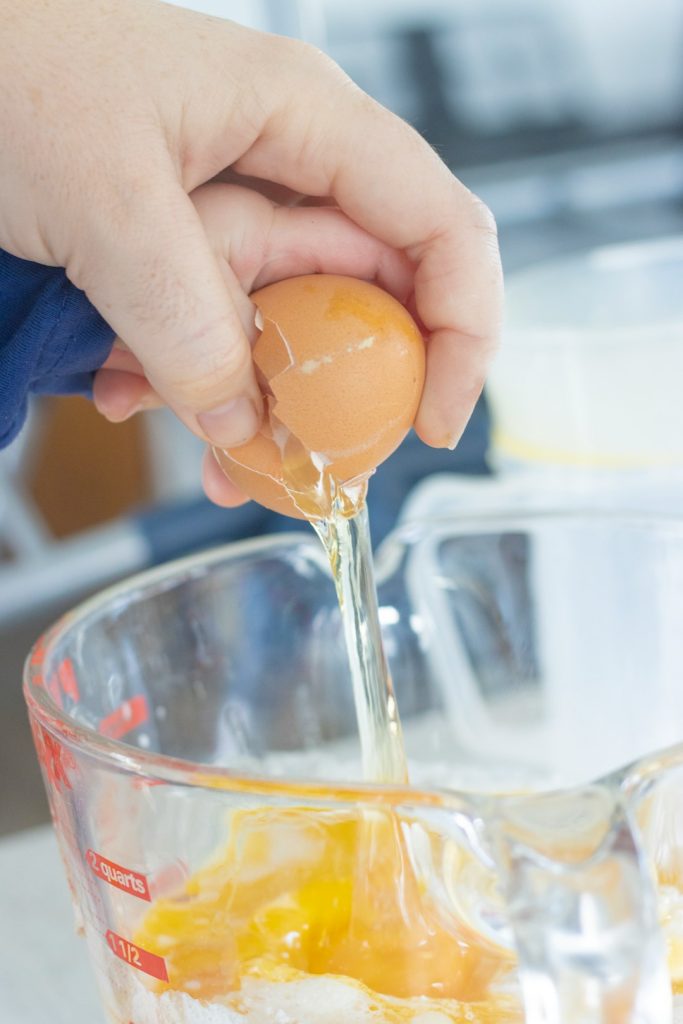
Ever found yourself staring at a carton of eggs in your fridge, wondering if there’s a way to preserve them for even longer? You’re not alone.
The method of water glassing eggs has been making waves among homesteaders and food enthusiasts alike. But here’s the catch: Can you actually water glass eggs that have been refrigerated? This question might seem simple, but the answer could save you time, reduce food waste, and make your life a whole lot easier.
Dive into this fascinating topic with us as we uncover the surprising truths and practical tips that could change how you think about egg storage forever. Stick around—you won’t want to miss these insights!
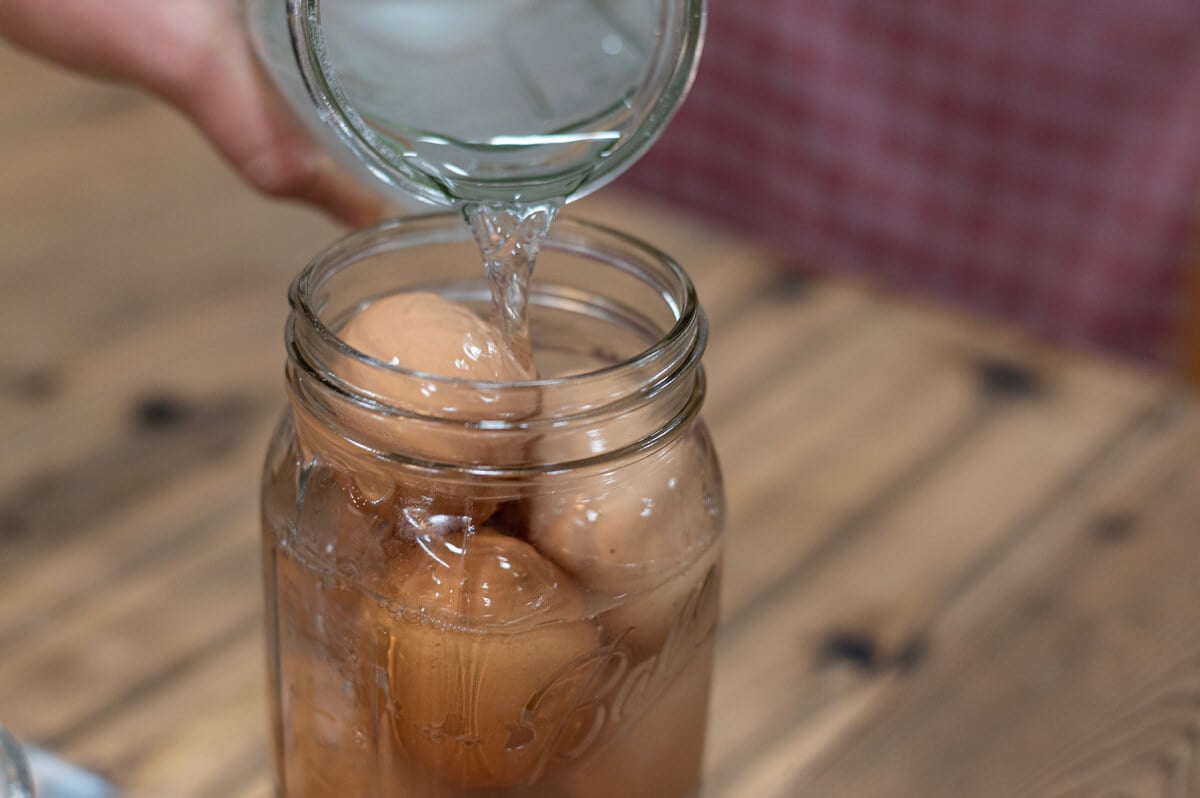
Credit: homesteadingfamily.com
What Are Glass Eggs?
Have you ever come across glass eggs and wondered what they really are? These unique kitchen items are not actual eggs but a clever alternative used for various purposes. Understanding what glass eggs are will help you decide how to handle them, especially if they’ve been refrigerated.
What Are Glass Eggs Made Of?
Glass eggs are usually crafted from clear or frosted glass, designed to look like real eggs. They are solid and smooth, lacking any organic material inside. This makes them durable and reusable, unlike natural eggs that spoil over time.
Common Uses For Glass Eggs
People often use glass eggs for decoration, egg replacement in crafts, or even as tools in cooking practice. Some cooks use them to mimic eggs when testing egg cookers or for food photography. Knowing their purpose can guide how you care for them.
How Glass Eggs Differ From Real Eggs
- Glass eggs don’t require refrigeration because they don’t spoil.
- They are heavier and colder to the touch compared to real eggs.
- They cannot be cracked or used in recipes that need actual egg whites or yolks.
Have you ever tried using a glass egg in your kitchen? It might seem odd at first, but they can be surprisingly helpful when you want to practice cracking eggs or maintain consistent cooking tools. Knowing what glass eggs are is the first step before deciding if you should water them or store them in the fridge.

Credit: www.youtube.com
Effects Of Refrigeration On Glass Eggs
Refrigerating glass eggs can change their appearance and texture in ways you might not expect. Understanding these effects helps you decide whether watering them after refrigeration is a good idea. Let’s break down what happens to glass eggs when they chill in your fridge.
Changes In Texture And Surface
When glass eggs are refrigerated, they often develop a slight condensation on their surface once taken out. This moisture can make the eggs feel slippery or sticky to touch. The cold temperature can also make the glass feel more brittle, increasing the risk of tiny cracks if handled roughly.
Impact On Appearance
Refrigeration can cause a foggy or frosted look on glass eggs due to the condensation forming micro-droplets. These droplets might make the colors look duller or less vibrant temporarily. However, this effect usually disappears once the eggs warm back to room temperature.
Should You Water Glass Eggs After Refrigeration?
Adding water to glass eggs after refrigeration is generally unnecessary because the condensation already provides moisture on the surface. In fact, watering them can cause excess moisture to build up, leading to an unwanted slippery feel or water spots. Instead, gently wiping them with a soft cloth can restore their shine without adding more water.
Watering Needs After Refrigeration
After refrigerating your water glass eggs, understanding their watering needs is crucial to keep them fresh and viable. The cold storage slows down the eggs’ natural processes, which means their hydration levels might change. Knowing how to properly water them after refrigeration helps maintain their quality and supports any growth or preservation goals you have.
Assessing Moisture Levels Post-refrigeration
Before adding any water, check the eggs for dryness or signs of moisture loss. Refrigeration often reduces surface moisture, but overwatering can cause damage. Gently touch the eggshells—if they feel dry or brittle, it’s a sign they need hydration.
How To Add Water Correctly
Use a clean, soft cloth or a small spray bottle to apply water evenly over the eggs. Avoid soaking them; a light mist is enough to restore moisture without encouraging mold. Make sure the water is at room temperature to prevent temperature shock.
Frequency Of Watering After Storage
Check the eggs every few days once they are out of the fridge. If the shells start to look dull or dry again, give them a light water mist. Too frequent watering can lead to excess moisture buildup, so balance is key.
Signs Of Overwatering To Watch For
- Sticky or slimy shells
- Unpleasant odors around the eggs
- Visible mold growth
If you notice any of these, reduce watering immediately and allow the eggs to dry in a well-ventilated area.
Practical Tips Based On Personal Experience
I once kept glass eggs refrigerated for two weeks and noticed the shells became slightly chalky. A gentle mist every three days restored their smoothness without any damage. This approach helped me maintain the eggs’ appearance and prevented cracking.
Signs Of Overwatering Or Underwatering
Knowing the signs of overwatering or underwatering your water glass eggs after refrigeration is key to keeping them fresh and usable. Both too much and too little water can cause problems, but their effects show up differently. Paying close attention to these signs helps you adjust your care routine and avoid wasting your eggs.
Signs Of Overwatering
When water glass eggs get too much water, you might notice the shell becoming soft or developing a slimy texture. The water may appear cloudy, which indicates bacteria growth. You could also see bubbles forming around the eggs, signaling excess moisture and possible spoilage.
Have you ever opened a container only to find a strange odor? That’s another clue of overwatering, as too much moisture encourages bacterial activity. If your eggs feel unusually heavy or soggy, it’s time to reduce the water level or refresh the solution.
Signs Of Underwatering
If your water glass eggs don’t get enough water, they can start drying out. The shells may develop cracks or look chalky and brittle. You might even notice the eggs shrinking slightly inside the container, which means they’re losing moisture.
Another warning sign is if the water level drops significantly without you changing it, showing evaporation or absorption by the eggs. Eggs that feel unusually light or have a dry surface need more water or a fresh solution to stay preserved.
How To Check And Adjust Water Levels
- Regularly monitor the water level to keep eggs fully submerged.
- Look for changes in water clarity and egg texture.
- Add water carefully to avoid sudden shifts in concentration.
- Replace the water glass solution every few weeks to maintain freshness.
Are you confident you can spot these signs early? Keeping an eye on subtle changes will save your eggs from spoiling and keep your storage method effective.
Ideal Watering Techniques
Ideal watering techniques help maintain the quality of glass eggs after refrigeration. Proper hydration prevents cracking and keeps the eggs looking fresh. Use gentle methods to avoid damaging the eggshell or inner contents.
Use Lukewarm Water
Cold water can cause thermal shock to glass eggs. Lukewarm water is safer and helps maintain the egg’s structure. Avoid hot water as it can weaken the shell.
Gentle Soaking
Place the eggs in a shallow bowl with water. Let them soak for a few minutes to absorb moisture slowly. Avoid submerging for too long to prevent damage.
Soft Cloth Wiping
After soaking, gently wipe the eggs with a soft cloth. This removes any surface residue without scratching the shell. Use light pressure to keep the eggs intact.
Air Drying
Allow eggs to air dry on a soft towel. Avoid using heat sources like hair dryers. Natural drying keeps the eggs safe and prevents cracks.
Regular Moisture Checks
Check the eggs regularly for dryness. Rehydrate as needed to maintain their appearance. Consistent care extends the life of refrigerated glass eggs.

Credit: forksinthedirt.com
Temperature And Humidity Tips
Temperature and humidity play a crucial role in keeping your glass eggs looking their best after refrigeration. These factors affect how moisture behaves on the surface, which can either cause fogging or drying out. Understanding the right balance can help you maintain clarity and prevent damage.
Ideal Temperature Range For Glass Eggs
Glass eggs are sensitive to sudden temperature changes. When you take them out of the fridge, allow them to reach room temperature gradually. This helps avoid condensation that forms when cold glass meets warm air, which can obscure the glass and make it slippery.
Keeping your glass eggs at a stable temperature between 65°F and 75°F (18°C to 24°C) after refrigeration is usually safe. Avoid placing them in direct sunlight or near heat sources, as this can cause uneven warming and potential cracking.
Managing Humidity Levels
Humidity affects how moisture collects on your glass eggs. High humidity causes water droplets to form quickly, leading to fogging, while very low humidity can dry out any decorative elements on the eggs.
Try maintaining indoor humidity around 40-50%. You can use a humidifier or dehumidifier to adjust this if needed. Storing your glass eggs in a well-ventilated area helps air circulate and prevents moisture buildup.
Practical Tips To Prevent Condensation
- Place your glass eggs on a soft cloth or cushion when removing them from the fridge to prevent shock from hard surfaces.
- Avoid sealing them immediately in airtight containers after refrigeration; allow some air exchange to reduce moisture accumulation.
- Wipe the eggs gently with a microfiber cloth if you notice any fogging, but only when they are at room temperature to prevent scratches.
Have you ever noticed how a simple change in humidity can make a glass egg look completely different? Paying attention to these details not only preserves your collection but also enhances the joy of handling these delicate pieces.
Common Mistakes To Avoid
Watering glass eggs after refrigeration requires care. Many people make simple mistakes that harm the eggs or reduce their shelf life. Avoiding these errors helps keep the eggs fresh and safe to eat.
Using Water That Is Too Cold Or Hot
Water temperature matters. Cold water shocks the egg, causing cracks. Hot water can cook the egg slightly, affecting texture. Use lukewarm water to clean or rinse glass eggs safely.
Soaking Eggs For Too Long
Soaking refrigerated eggs in water can weaken their shells. Prolonged soaking allows water to seep inside. Limit exposure to water to just a few seconds to protect the egg.
Failing To Dry Eggs Properly
Leaving eggs wet after watering leads to bacteria growth. Always dry eggs gently with a clean towel. Proper drying reduces the chance of contamination.
Ignoring Storage After Watering
Watered eggs must return to refrigeration quickly. Leaving them out at room temperature promotes bacterial growth. Store eggs in a cool place right after watering.
Using Contaminated Water Or Equipment
Dirty water or tools spread germs to eggs. Always use clean, fresh water and sanitized utensils. This keeps eggs safe and fresh longer.
Expert Care Tips For Glass Eggs
Glass eggs need special care to keep their beauty and shine. Proper handling and cleaning can extend their life. Experts recommend simple steps to care for glass eggs, especially those that have been refrigerated. These tips help prevent damage and maintain clarity.
Handling Glass Eggs After Refrigeration
Cold glass eggs can be fragile. Avoid sudden temperature changes to prevent cracks. Let refrigerated eggs reach room temperature before touching. Hold eggs gently to avoid dropping or chipping.
Cleaning Glass Eggs Safely
Use lukewarm water and mild soap for cleaning. Do not use hot water as it may cause cracks. Gently wipe eggs with a soft cloth or sponge. Avoid abrasive materials that can scratch the surface.
Storing Glass Eggs Properly
Keep glass eggs in a padded box or soft cloth. Store them at room temperature to avoid condensation. Do not stack eggs directly on top of each other. Place each egg separately to prevent damage.
Watering Glass Eggs: What You Should Know
Glass eggs do not need water like real eggs. Avoid soaking or submerging them in water. Lightly damp cloths can clean surface dust. Watering glass eggs offers no benefit and may harm them.
Frequently Asked Questions
Can You Water Glass Eggs After Refrigeration?
Yes, you can water glass eggs after refrigeration. However, the coating may weaken, so reapply water glass to maintain freshness and protection.
How Long Do Water Glass Eggs Last Refrigerated?
Water glass eggs can last up to one year refrigerated if properly sealed. This method preserves egg quality better than regular refrigeration alone.
Does Refrigeration Affect Water Glass Preservation?
Refrigeration slows bacterial growth but may reduce the water glass’s sealing efficiency. Recoating eggs after refrigeration ensures continued freshness and protection.
Should You Dry Eggs Before Water Glassing Post Refrigeration?
Yes, ensure eggs are dry before applying water glass after refrigeration. Moisture can weaken the coating and reduce the preservation effect.
Conclusion
Water glass eggs that have been refrigerated can still be safe to eat. The water glass helps preserve eggs even after cooling. Just make sure the eggs stay submerged in the solution. Check the eggs for cracks or bad smells before use.
Proper storage keeps eggs fresh longer than normal. This method suits those who want to store eggs for weeks. It also saves money and reduces waste. Try this simple way to keep eggs fresh without freezing. It works well and is easy to do at home.