
Have you ever wondered if beer truly needs to stay refrigerated? You’re not alone.
Whether you’re a casual drinker or a craft beer enthusiast, this question has probably crossed your mind. Perhaps you’ve left a six-pack on the counter after a party, or you’re considering stocking up for a weekend gathering. The truth is, understanding how beer storage affects its taste and freshness can make all the difference in your drinking experience.
We’ll dive into the science behind beer storage and reveal the secrets that can elevate your beer-drinking moments. Stay with us to discover how you can ensure every sip is as satisfying as it should be.

Credit: www.youtube.com
Beer And Temperature
Temperature plays a key role in how beer tastes and feels. The right temperature keeps beer fresh and enjoyable. Too warm or too cold can spoil its flavor and aroma. Understanding how temperature affects beer helps in storing it properly.
How Temperature Affects Beer Flavor
Warm temperatures speed up chemical reactions in beer. This can cause off-flavors and spoilage. Heat may make beer taste flat or stale. Cold temperatures slow down these reactions. But extreme cold can mute flavors and aromas.
Beer served too warm tastes bitter or sour. Cold beer tastes crisp but may hide complex flavors. Each beer style has a temperature that suits it best. Proper temperature keeps the beer’s original taste intact.
Ideal Storage Temperatures
Most beers store well between 45°F and 55°F (7°C to 13°C). This range slows aging without freezing the beer. Light lagers and pilsners do best colder, around 40°F (4°C). Darker ales and stouts prefer slightly warmer, near 55°F (13°C).
- Store beer away from sunlight and heat sources.
- Keep beer bottles upright to reduce oxidation.
- Use a dedicated beer fridge for best control.
Refrigeration is often needed to maintain these temperatures. Room temperature can be too warm for many beers. Proper storage preserves taste and extends shelf life.

Credit: www.birrificiodelducato.it
Refrigeration Benefits
Keeping your beer refrigerated offers clear benefits that go beyond just being cold. It helps maintain the beer’s quality, taste, and safety. Let’s look at how refrigeration plays a key role in preserving beer’s freshness and preventing spoilage.
Preserving Freshness
Cold temperatures slow down chemical reactions inside the beer. This means the flavors stay closer to the brewer’s original intent for longer periods.
If you’ve ever tasted beer that seemed stale or flat, you’ve experienced what happens when freshness fades. Refrigeration keeps the hops and malt flavors vibrant, ensuring every sip is enjoyable.
Have you noticed how a warm beer sometimes tastes off or overly bitter? That’s a sign freshness is slipping away, and chilling your beer can prevent this.
Preventing Spoilage
Bacteria and wild yeast growth speed up when beer is kept warm. Refrigeration slows down or halts this process, reducing the risk of sour or off-flavors developing.
Think about a time you left a beer out too long and it tasted strange. That’s spoilage caused by microbes multiplying. Keeping beer cold limits their activity and helps your brew stay safe to drink.
Besides taste, spoilage can cause unwanted foaming or cloudiness. These visual signs warn you that your beer is past its prime. Don’t let this happen to your favorite bottle—store it in the fridge.
When Room Temperature Works
Not all beers demand a cold fridge to stay fresh. Some types can handle room temperature without losing their flavor or quality. Knowing which beers are shelf-stable can save you fridge space and keep your beer tasting great.
Shelf-stable Beer Types
Certain beers are made to last outside the fridge. These usually have a higher alcohol content or are packaged to resist spoilage. For example, strong ales, stouts, and barleywines often tolerate room temperature well.
Beers in cans tend to do better without refrigeration than bottles. The can’s sealed environment protects the beer from light and oxygen, which can spoil flavor. Also, many Belgian ales and sour beers can be stored at room temperature for a short while without issues.
Short-term Storage Tips
If you plan to keep beer at room temperature briefly, a few simple steps help maintain its quality. Store the beer in a cool, dark place away from direct sunlight. Heat and light are the main culprits that cause beer to go stale fast.
Keep the bottles or cans upright to reduce oxidation risk. Avoid places that experience wide temperature swings, like near ovens or windows. Have you ever noticed how a beer left on a sunny countertop tastes different? That’s why controlled storage matters.
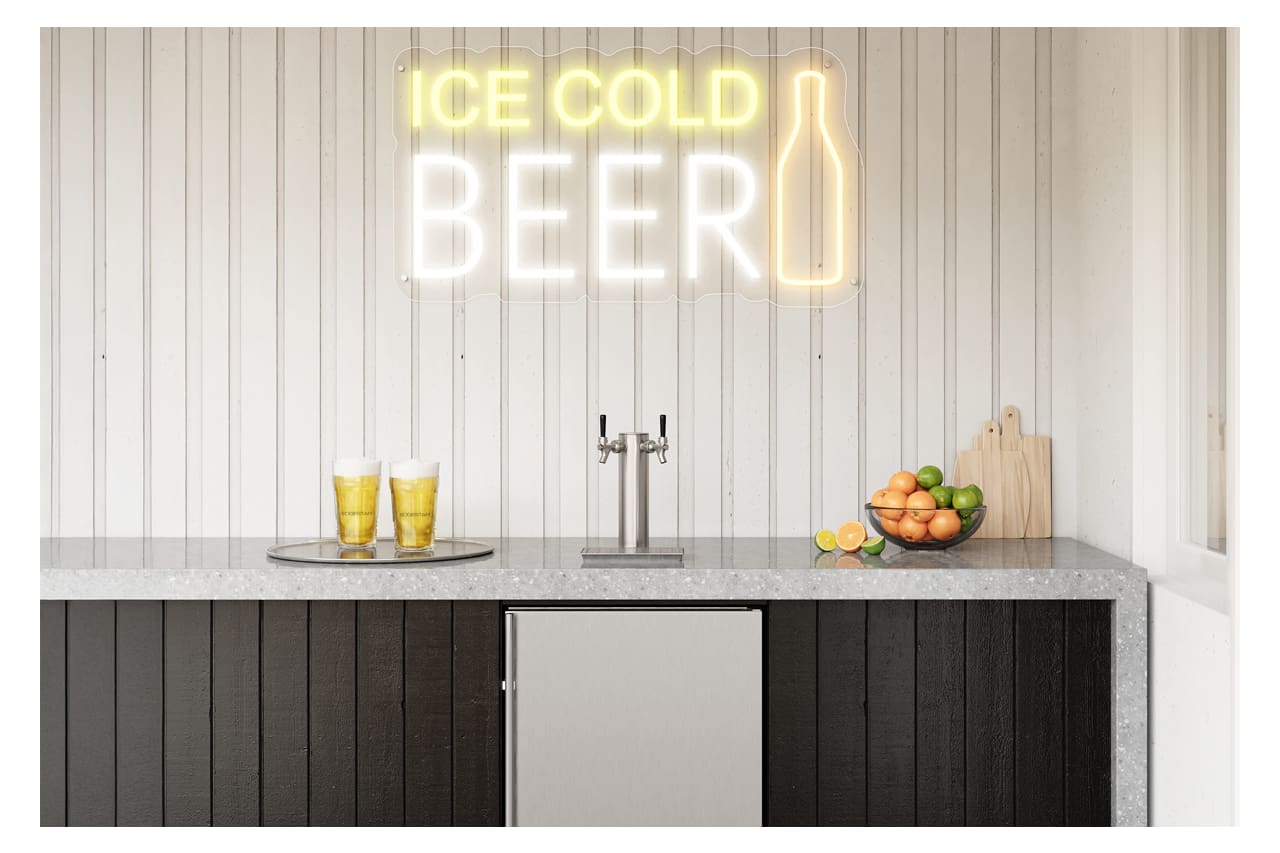
Remember, even shelf-stable beers perform best when consumed within a few weeks at room temperature. If you’re saving beer for longer, refrigeration is safer to keep the taste sharp and fresh.
Credit: www.fergusonhome.com
Impact Of Light And Humidity
Light and humidity play a significant role in how your beer tastes and how long it stays fresh. These factors can alter the flavor and aroma, sometimes ruining a perfectly good brew. Understanding their impact helps you decide the best way to store your beer.
Avoiding Sunlight Exposure
Light, especially sunlight and fluorescent light, can cause a chemical reaction in beer known as “skunking.” This reaction gives beer an unpleasant, sharp smell and taste. Have you ever left a beer on a sunny windowsill and noticed it tasted off the next day? That’s skunking at work.
To protect your beer:
- Store bottles in a dark place or inside opaque containers.
- Avoid clear or green glass bottles, which allow more light in.
- Keep your beer away from direct sunlight and bright indoor lights.
Managing Humidity Levels
Humidity affects beer storage differently than temperature or light. Too much moisture can damage labels and caps, making it hard to identify your beer or causing rust. On the other hand, very dry conditions can dry out corks on specialty beers, leading to oxidation.
Maintaining moderate humidity (around 50-70%) helps preserve the beer’s quality and packaging. If your storage area is too dry, placing a small bowl of water nearby can add moisture. Too humid? Use a dehumidifier or store beer in a less damp spot.
Have you checked your beer storage area’s humidity lately? Small changes might make a big difference in keeping your beer fresh and enjoyable.
Best Practices For Beer Storage
Proper beer storage keeps your drink fresh and tasty. Temperature, light, and air exposure all affect beer quality. Following best practices helps maintain flavor and carbonation. Store beer in a cool, dark place to prevent spoilage. Avoid heat and sunlight as they cause off-flavors. Below are tips for storing opened bottles and handling cans versus bottles.
Storing Opened Bottles
Once opened, beer starts to lose its freshness quickly. Seal the bottle tightly with a cap or stopper. Place it in the refrigerator immediately. Keep the bottle upright to reduce oxidation. Consume opened beer within 1-3 days for best taste. Avoid leaving it at room temperature, as bacteria and yeast may grow. Use smaller containers to transfer leftover beer for better sealing.
Handling Cans Vs. Bottles
Cans block out light completely, protecting beer better than bottles. They chill faster but may warm quickly once out of the fridge. Store cans in a cool, dark place before opening. Bottles are more vulnerable to light damage, which causes skunky flavors. Keep bottles away from direct sunlight and warm areas. Refrigerate both cans and bottles for longer freshness. Avoid temperature changes that harm beer quality.
Travel And Outdoor Tips
Traveling with beer or enjoying it outdoors poses a common challenge: how to keep it cold without access to a fridge. Whether you’re heading to a picnic, camping trip, or tailgate party, maintaining your beer’s chill enhances every sip. Let’s look at practical tips that help you enjoy cold beer anytime, anywhere.
Keeping Beer Cool On The Go
Carrying beer without refrigeration means planning ahead. One trick is to start with beer that’s already cold, then keep it insulated. Use a thick cooler bag or wrap bottles in a damp cloth; evaporation cools the beer as you move.
Have you ever noticed how your drinks warm up quickly on a sunny day? Avoid this by placing your beer in the shadiest spot possible. If you’re hiking, burying bottles in cool soil or a shaded creek can surprisingly keep them cool for hours.
Portable Cooling Solutions
- Ice Packs:Small, reusable ice packs are lighter than ice and don’t create a mess as they melt.
- Insulated Coolers:Compact coolers with thick insulation and airtight seals hold cold temperatures longer than simple bags.
- Thermal Sleeves:Neoprene sleeves slip over cans or bottles, slowing heat transfer from your hands or the environment.
- Frozen Water Bottles:Freeze water bottles to use as ice blocks. They keep beer cold and provide cold water once they melt.
Imagine sitting by a campfire after a long hike, cracking open a perfectly chilled beer. Using a combination of these portable solutions makes that possible without lugging around heavy coolers. What’s your favorite way to keep drinks cold outdoors?
Frequently Asked Questions
Does Beer Lose Quality If Unrefrigerated?
Yes, beer can lose flavor and freshness if not refrigerated. Warm temperatures speed up oxidation, causing stale taste. Refrigeration preserves taste, aroma, and carbonation longer. For best quality, store beer in a cool, dark place or fridge.
How Long Can Beer Stay Unrefrigerated?
Beer can stay unrefrigerated for about 1-2 days without major quality loss. Beyond that, heat and light may degrade taste. Some beers with higher alcohol content last longer. Always check beer type and storage conditions for best shelf life.
Is Refrigeration Necessary For All Beer Types?
Not all beers require refrigeration. Lighter beers and IPAs benefit most from cold storage. Stronger ales or stouts can handle room temperature briefly. However, refrigeration generally helps maintain freshness and carbonation for all beer types.
Can Warm Beer Be Cooled Later?
Yes, warm beer can be chilled later but may lose some carbonation. Rapid cooling in a fridge or cooler helps preserve taste. Avoid repeated temperature changes to maintain beer quality and prevent off-flavors.
Conclusion
Beer stays fresh and tastes best when kept cold. Warm temperatures can change its flavor and reduce quality. Some beers last longer without refrigeration, but most do better chilled. Always store beer away from sunlight and heat. Cooling slows down the aging process and keeps bubbles tight.
Enjoy your beer at the right temperature for the best experience. Simple care helps maintain its flavor and freshness. So, keep your beer cool and drink it fresh.