Have you ever opened your refrigerator only to find mysterious droplets of water clinging to its surfaces? If so, you’re not alone.
Many people are puzzled by the unexpected moisture in their fridge. It might seem like a small inconvenience, but this dampness can lead to bigger issues like spoiled food, unwanted odors, and even higher electricity bills. You’re probably wondering why this happens and how you can prevent it, right?
Understanding the causes of moisture in your refrigerator is the first step to solving the problem and keeping your food fresh longer. Let’s dive into the common culprits behind this pesky moisture and discover practical solutions that you can apply today. By the end of this article, you’ll be equipped with the knowledge to keep your fridge dry and efficient, saving you time and money. Stay with us to uncover the secrets behind your refrigerator’s mysterious moisture!
Credit: homewarranty.firstam.com
Common Causes Of Refrigerator Moisture
Moisture inside your refrigerator can be more than just a minor annoyance. It can lead to spoiled food, unpleasant odors, and even damage to the appliance itself. Understanding the common causes of this moisture buildup helps you tackle the problem effectively and keep your fridge running smoothly.
Door Seal Issues
If the door seal is damaged or dirty, cold air escapes and warm air enters. This causes condensation inside the fridge, leading to moisture buildup. Check your door seals regularly and clean or replace them if you notice cracks or gaps.
Frequent Door Opening
Opening the fridge door often lets warm, humid air inside. This air cools down and turns into water droplets on the shelves and walls. Try to minimize how often you open the door, and close it quickly to keep moisture levels low.
Blocked Drain Hole
Most refrigerators have a drain hole to remove excess water. If this hole gets clogged with food particles or ice, water can’t drain properly and pools inside. Regularly inspect and clear the drain hole to prevent water buildup and leaks.
Temperature Settings
Setting your fridge too cold or too warm can cause moisture problems. Too cold can freeze water, leading to ice buildup that melts later; too warm can increase condensation. Keep the temperature between 37°F and 40°F (3°C to 4°C) for the best balance.
Humidity Levels
High humidity in your kitchen adds moisture to the air inside the fridge. This extra moisture turns into water droplets on food and shelves. Using a dehumidifier or ensuring good ventilation can help control indoor humidity and reduce fridge moisture.
Faulty Defrost System
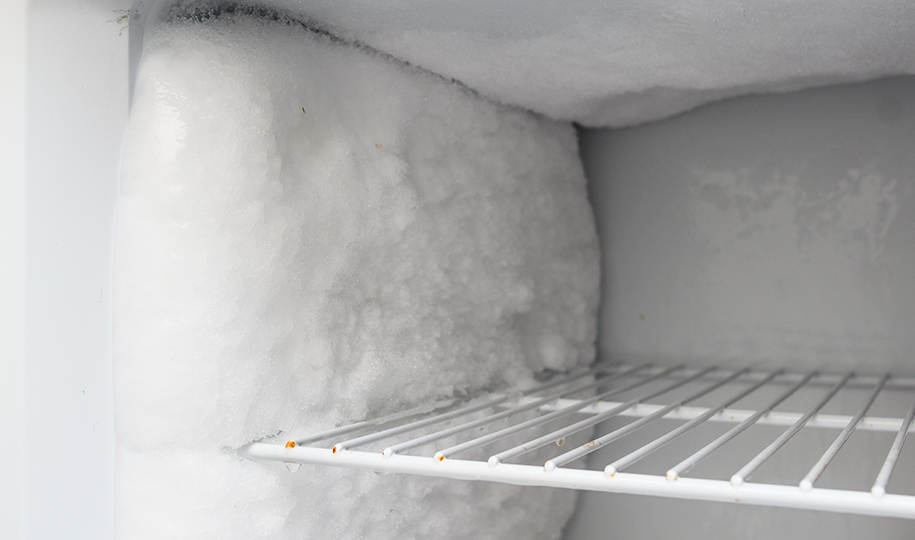
A broken defrost system can cause ice to build up and then melt unexpectedly. This melting ice turns into excess water inside your refrigerator. If you notice persistent water pooling or frost buildup, have a technician check your defrost system.
Credit: www.thesealcompany.co.uk
Effects Of Excess Moisture
Excess moisture inside your refrigerator can cause several problems that affect the quality of your food and the appliance’s efficiency. Moisture creates an environment where food spoils faster and other issues like frost and mold can develop. Understanding these effects helps you take action before they impact your daily life.
Food Spoilage
Too much moisture speeds up the decay process of fresh produce and leftovers. Water droplets create a perfect breeding ground for bacteria and fungi, which break down your food quickly.
Have you ever opened your fridge to find wilted vegetables or slimy meat? That’s often moisture at work. Keeping your fridge dry can extend the life of your groceries and save you money.
Frost Build-up
Excess moisture turns into frost on freezer walls and shelves. This frost reduces storage space and makes your fridge work harder to maintain the cold temperature.
When frost forms, it can block vents and cause uneven cooling, which affects the freshness of your food. Regularly checking and wiping away frost helps your refrigerator run smoothly.
Mold Growth
Mold loves damp environments, and a wet fridge interior is an open invitation. Mold spores spread quickly on food surfaces and inside the fridge, posing health risks.
Spotting mold inside your fridge is a sign you need to control moisture immediately. Cleaning and drying your fridge regularly can prevent mold from taking hold.
Odor Development
Moisture encourages bacteria that produce unpleasant smells. These odors can transfer between foods, making everything in your fridge smell bad.
Have you noticed a sour or musty smell when you open your fridge? That’s moisture-fueled bacteria at work. Keeping your fridge dry and clean keeps odors at bay and your food tasting fresh.
Simple Fixes For Moisture Problems
Moisture inside a refrigerator can cause food spoilage and unpleasant odors. Simple fixes can reduce or stop this problem. These solutions help keep the fridge dry and fresh. Check each area carefully to find the cause of moisture buildup. Follow these easy steps to fix moisture issues effectively.
Check And Replace Door Seals
Worn or damaged door seals let warm air enter the fridge. This causes condensation and moisture buildup. Inspect the seals for cracks or gaps. Clean seals regularly to remove dirt and debris. Replace the seals if they are broken or hard to close properly. Good seals keep cold air in and moisture out.
Minimize Door Opening
Opening the fridge door often lets humid air inside. This increases moisture and fog on shelves. Plan what you need before opening the door. Close the door quickly after use. Limit how long the door stays open to reduce moisture buildup.
Clear Drain Hole And Drip Pan
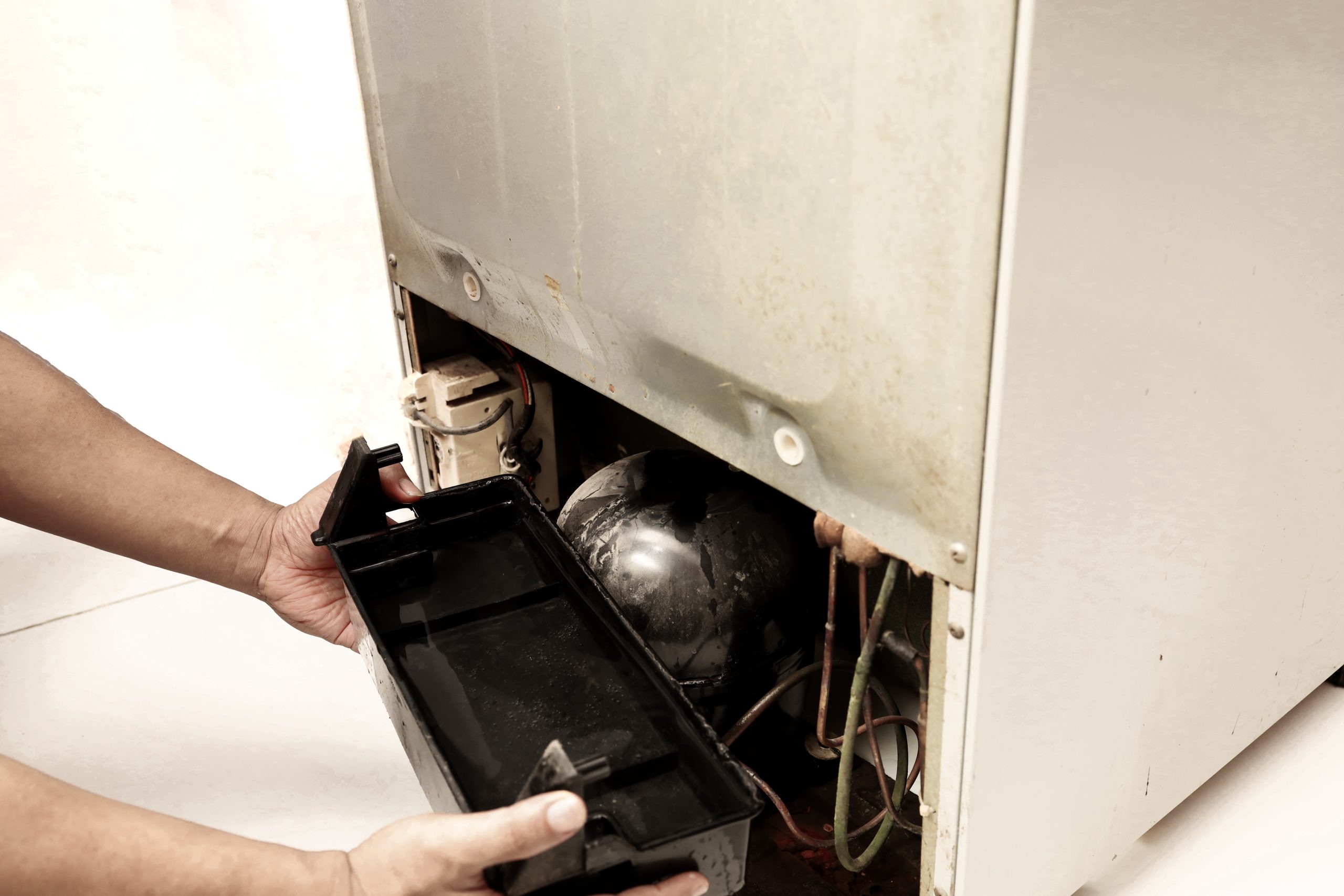
The drain hole removes excess water from the fridge. Blockages here cause water to pool inside. Locate the drain hole and drip pan under the fridge. Use a pipe cleaner or soft brush to clear any clogs. Empty and clean the drip pan regularly to prevent mold.
Adjust Temperature Settings
Setting the fridge temperature too low can cause frost and moisture. Too high allows warm air and condensation. Set the fridge between 37°F and 40°F (3°C and 4°C). The freezer should be at 0°F (-18°C). Proper temperatures reduce moisture and keep food fresh.
Control Humidity Inside
High humidity levels increase moisture inside the fridge. Use a small container of baking soda to absorb excess moisture. Store food in airtight containers to block moisture release. Avoid placing hot or uncovered food inside. These steps help control humidity and keep the fridge dry.
Repair Defrost System
A broken defrost system causes frost and water buildup. Check if the fridge is defrosting properly. Listen for the defrost timer and heater working. If frost builds up fast, call a technician to repair the system. A working defrost system keeps moisture under control.
Credit: www.thesealcompany.co.uk
Preventive Tips To Avoid Moisture
Moisture buildup in refrigerators causes food spoilage and frost problems. Preventing moisture keeps the fridge clean and efficient. Simple habits help reduce dampness inside your fridge.
Store Food Properly
Use airtight containers to keep moisture inside food. Wrap fruits and vegetables in paper towels. Avoid placing hot food directly in the fridge. These steps stop extra humidity from forming.
Regular Cleaning Routine
Clean spills and drips immediately to prevent mold. Wipe shelves and walls with a mild cleaner weekly. Check and clear the drain hole to remove water buildup. A clean fridge controls moisture better.
Monitor Refrigerator Performance
Check the door seals for cracks or gaps. Keep the temperature between 37°F and 40°F (3°C to 4°C). Listen for unusual noises from the compressor or fans. Proper function avoids excess moisture and frost.
Avoid Overloading
Do not cram too many items inside the fridge. Air needs space to circulate freely. Proper airflow prevents moisture from settling on surfaces. Organize items neatly to keep the fridge dry.
Frequently Asked Questions
Why Is There Moisture Inside My Refrigerator?
Moisture forms due to warm air entering the fridge when the door opens. Poor door seals or frequent opening cause excess humidity, leading to condensation inside.
How Does Temperature Affect Fridge Moisture Levels?
If the fridge temperature is too high, moisture can build up. Proper cooling prevents condensation and keeps humidity low inside the refrigerator.
Can Blocked Vents Cause Moisture In Refrigerators?
Yes, blocked vents restrict airflow, causing uneven cooling and moisture buildup. Keep vents clear to maintain proper air circulation and reduce condensation.
Does Storing Hot Food Cause Refrigerator Moisture?
Placing hot food inside releases steam, increasing moisture inside the fridge. Let food cool before refrigerating to minimize internal humidity and condensation.
Conclusion
Moisture in your refrigerator can cause food to spoil quickly. It often comes from warm air entering the fridge or a faulty door seal. Blocked vents and frequent door openings also add to the problem. Keeping the fridge clean and dry helps reduce moisture buildup.
Check seals and avoid leaving the door open too long. Controlling moisture keeps food fresh and your fridge running well. Simple steps make a big difference in preventing dampness inside. Stay mindful, and your refrigerator will work better for longer.