
Have you ever wondered if your refrigerator needs its own dedicated circuit? Maybe you’re setting up a new kitchen or simply curious about how to optimize your home’s electrical system.
Understanding the electrical needs of your appliances is crucial, not just for safety, but also for efficiency and peace of mind. Imagine the hassle of dealing with a blown fuse or a tripped breaker just because the refrigerator is sharing a circuit with other power-hungry devices.
You wouldn’t want your food to spoil because of a preventable electrical issue, right? By diving into this topic, you’ll uncover the secrets to maintaining a smooth-running kitchen. So, let’s explore whether your trusty refrigerator deserves a circuit all to itself. Keep reading to find out how this simple decision can save you from potential headaches and unnecessary repairs.
Why Dedicated Circuits Matter
Understanding why a refrigerator should have a dedicated circuit can save you from unexpected electrical problems and costly repairs. It’s about keeping your kitchen running smoothly and protecting your appliances from damage caused by electrical issues. Let’s look at why dedicated circuits truly matter for your refrigerator.
Preventing Overloads
Imagine running multiple appliances on the same circuit—your refrigerator, microwave, and toaster all competing for power. This can easily cause the circuit to overload and trip the breaker. A dedicated circuit ensures your fridge gets the power it needs without interruptions.
Overloads don’t just cause inconvenience by shutting off your fridge; they can also damage the wiring and other appliances on the same circuit. By giving your refrigerator its own circuit, you reduce the risk of sudden power loss and electrical hazards.
Ensuring Appliance Longevity
Appliances like refrigerators are designed to run continuously and require a stable power supply. Power fluctuations from shared circuits can strain the compressor and other components, leading to early breakdowns. A dedicated circuit provides consistent voltage, helping your fridge work efficiently for years.
Think about the cost of replacing a refrigerator versus installing a dedicated circuit. The upfront investment in proper wiring can save you from expensive repairs down the line. Isn’t it worth protecting your appliance with a simple electrical upgrade?

Credit: www.reddit.com
Electrical Requirements For Refrigerators
Refrigerators need proper electrical setup to work safely and efficiently. Understanding their electrical needs helps prevent overloads and power issues. This section explains the key electrical requirements for refrigerators. It covers how much power they use and what circuit breaker size suits them best.
Typical Power Consumption
Most household refrigerators use between 100 and 800 watts. This depends on the size and model. Larger fridges with freezers use more electricity. Energy-efficient models use less power but still need enough supply. The compressor inside a fridge draws the most power when it starts. This startup surge can be two to three times the normal running power. Knowing the power consumption helps in choosing the right electrical setup.
Circuit Breaker Ratings
Refrigerators generally need a dedicated circuit with a specific breaker size. A 15-amp circuit breaker is common for most standard fridges. Larger or commercial refrigerators may require a 20-amp breaker. The breaker protects the wiring from overheating and short circuits. It must handle the fridge’s startup current without tripping. Using a circuit breaker too small causes frequent power cuts. Too large, and it risks electrical fires. Always follow the fridge manufacturer’s guidelines and local electrical codes for breaker size.
Building Codes And Regulations
Building codes and regulations set the rules for electrical wiring in homes. These rules ensure safety and proper operation of appliances. A refrigerator often needs special attention because it runs continuously and draws significant power. Understanding these codes helps avoid electrical problems and hazards.
National Electrical Code Standards
The National Electrical Code (NEC) provides guidelines for home wiring. It recommends a dedicated circuit for refrigerators to prevent overloads. A dedicated circuit means the fridge has its own breaker and wiring. This setup avoids power drops and tripped breakers. The NEC aims to protect appliances and reduce fire risks. Most electricians follow NEC rules during installation or upgrades.
Local Code Variations
Local codes can differ from the NEC. Cities and states may add rules based on climate or building age. Some areas require a dedicated circuit for every large appliance. Others allow shared circuits under certain conditions. Always check local regulations before installing or moving a fridge. Compliance with local codes ensures safety and passes inspections.
Signs Your Refrigerator Needs Its Own Circuit
Knowing when your refrigerator needs its own circuit can save you from electrical problems. Signs often appear before a serious issue happens. Watch for changes in how your fridge works or how your home’s electricity behaves. These clues help you decide if a dedicated circuit is necessary.
Frequent Tripping Breakers
One clear sign is breakers that trip often. This happens when the circuit is overloaded. Your refrigerator uses a lot of power, especially when it starts. If other devices share the same circuit, it can cause the breaker to shut off. This protects your home but also interrupts your fridge. Frequent tripping means the circuit cannot handle the load. A dedicated circuit can fix this problem and keep your fridge running smoothly.
Power Fluctuations And Appliance Issues
Power changes can harm your refrigerator. Flickering lights or weak performance show unstable electricity. Your fridge might make strange noises or fail to cool properly. These issues arise because other appliances on the same circuit draw power at the same time. Sharing circuits causes voltage drops that affect the fridge. Giving your refrigerator its own circuit prevents these fluctuations. It ensures steady power for better appliance health and efficiency.
Installing A Dedicated Circuit
Installing a dedicated circuit for your refrigerator isn’t just about following electrical codes; it’s about ensuring safety and efficiency in your kitchen. A dedicated circuit provides the fridge with a stable power supply, preventing overloads and potential damage. Understanding the installation process can help you make informed decisions and avoid future headaches.
Hiring A Licensed Electrician
Electric work is not a DIY task, especially when it involves major appliances like refrigerators. A licensed electrician has the training and tools to install a dedicated circuit safely and correctly.
They will assess your home’s existing electrical panel and determine the best way to add a new circuit without overloading your system. Plus, hiring a professional ensures the work meets local codes and passes inspections, protecting you from potential fines or hazards.
Have you ever tried to fix wiring yourself and ended up with more problems? Avoid that risk by calling an expert.
Cost Considerations
Adding a dedicated circuit comes with costs that vary based on your home’s layout and electrical panel. On average, expect to pay between $150 and $500 for parts and labor.
Factors influencing the price include the distance from your panel to the refrigerator location, the complexity of the installation, and whether your panel needs an upgrade.
Think about the long-term benefits, like preventing electrical fires or fridge malfunctions, which could save you money down the road. Is the upfront cost worth the peace of mind and appliance longevity?

Credit: www.searshomeservices.com
Alternatives To Dedicated Circuits
If you’re wondering about alternatives to installing a dedicated circuit for your refrigerator, there are a few options to consider. Some homeowners look for simpler or cheaper solutions, but it’s important to weigh the pros and cons carefully. Your refrigerator is a key appliance, and how you power it can affect both safety and performance.
Using Power Strips Safely
Power strips might seem like an easy fix to plug in your fridge along with other devices. However, refrigerators draw a lot of power, especially when the compressor kicks in, which can overload standard power strips.
If you must use a power strip, choose one with a high wattage rating and built-in surge protection. Avoid daisy-chaining multiple power strips or plugging in several heavy appliances on the same strip. This reduces the risk of overheating or electrical fires.
Think about how often you’ve noticed your fridge cycling on and off. That surge in power can easily trip breakers or damage strips not designed for such loads. Would you trust a power strip for something as critical as food storage?
Shared Circuits And Their Risks
Many homes have kitchen circuits that run multiple outlets, meaning your fridge might share a circuit with other appliances. While this can work, it comes with risks.
Shared circuits increase the chance of tripping breakers when multiple devices run simultaneously. This can cause your fridge to lose power unexpectedly, leading to food spoilage or even compressor damage.
Besides inconvenience, think about the safety angle. Overloading a circuit can cause wires to heat up, creating a fire hazard. Are you willing to risk that to avoid adding a dedicated line?
Choosing to share a circuit might save initial costs but can lead to bigger problems down the line. Monitoring your circuit’s load and upgrading wiring if needed can help, but it often makes more sense to invest in a dedicated circuit for peace of mind.
Energy Efficiency And Circuit Choices
Choosing the right circuit for your refrigerator isn’t just about safety; it also affects energy efficiency. The way your refrigerator is wired can influence how much electricity it uses and how well it performs. Understanding the connection between circuit choices and energy use can help you save money and keep your appliance running smoothly.
Impact On Electricity Bills
A refrigerator on a shared circuit might face power fluctuations when other appliances turn on. These fluctuations can cause the fridge to work harder, using more electricity over time. You may notice a subtle rise in your monthly bills without realizing the cause.
Having a dedicated circuit ensures steady power supply, reducing the strain on your refrigerator. This stability helps the compressor run efficiently, cutting down unnecessary energy use. Think about your last electricity bill—did it spike unexpectedly? It might be time to check your circuit setup.
Optimizing Appliance Performance
Your refrigerator’s compressor is sensitive to voltage changes. If it shares a circuit with high-energy appliances like microwaves or air conditioners, it can cause voltage drops. These drops can lead to frequent compressor start-stops, wearing out the fridge faster.
With a dedicated circuit, the fridge receives consistent voltage, allowing it to maintain optimal cooling. This consistency helps preserve the quality of your food and extends the appliance’s lifespan. Have you ever experienced your fridge not cooling properly after the microwave runs? That’s a clear sign of circuit interference.
Consider installing a dedicated circuit as an investment in your fridge’s efficiency. It may seem like an extra cost upfront but can save you money on repairs and energy bills over time. What small changes in your home wiring could lead to big savings?
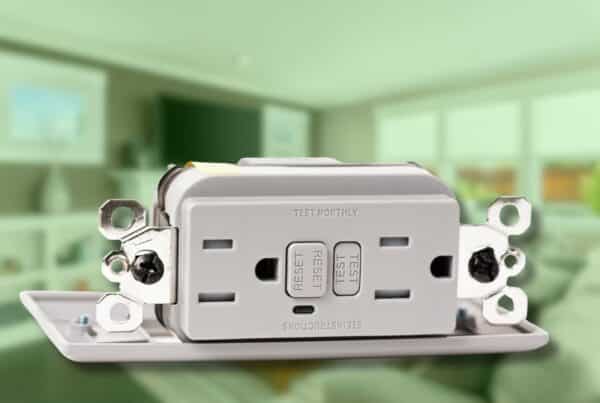
Credit: avalonhomeinspections.net
Frequently Asked Questions
Does A Refrigerator Require A Dedicated Electrical Circuit?
Yes, a refrigerator typically needs a dedicated circuit to ensure it runs efficiently. This prevents overloads and protects other appliances from power fluctuations.
What Happens If Refrigerator Shares A Circuit?
Sharing a circuit can cause frequent tripping of breakers. It may also reduce refrigerator efficiency and increase the risk of electrical hazards.
How To Know If My Fridge Needs A Dedicated Circuit?
Check your refrigerator’s manual for electrical requirements. If it specifies a dedicated circuit, follow that to avoid electrical issues.
Can A Refrigerator Run On A Shared Kitchen Circuit?
Small fridges might run on shared circuits, but larger models usually require dedicated circuits for safe operation and optimal performance.
Conclusion
A refrigerator usually works best with its own circuit. This helps avoid power problems and keeps it running safely. Sharing a circuit can cause the fridge to stop or damage other devices. For safety and efficiency, a dedicated circuit is wise.
Check your home’s wiring and follow local rules. This small step protects your food and your home’s electrical system. Simple, smart, and worth the effort.