Have you ever found yourself staring at a bottle of sake, wondering if it belongs in the fridge or on the shelf? You’re not alone.
Many sake enthusiasts and curious beginners face this conundrum. Whether you’ve just bought your first bottle or you’re a seasoned sake drinker, understanding how to store this unique beverage can make all the difference in taste and quality. Imagine savoring a perfectly chilled glass of sake, its flavors vibrant and fresh, just as the brewer intended.
Wouldn’t you want to ensure every sip is that delightful? We’ll unravel the mystery of sake storage, giving you the confidence to keep your sake at its best. Stick around to find out how you can enhance your sake experience with just a few simple storage tips.

Credit: www.tippsysake.com
Sake Basics
Sake is more than just a traditional Japanese drink; it holds a special place in many cultures and celebrations. Understanding the basics of sake helps you appreciate its unique flavors and storage needs. Let’s dive into what sake really is and the different types you might encounter.
What Is Sake?
Sake is a Japanese alcoholic beverage made by fermenting polished rice. Unlike beer or wine, sake is brewed using a process similar to beer but results in a flavor profile closer to wine. It usually contains around 15-16% alcohol by volume.
Its taste can range from sweet to dry, and it can be served warm or cold depending on the type and occasion. Have you ever wondered why sake has such a delicate aroma yet packs a strong punch?
Types Of Sake
Sake comes in various types, each with a distinct brewing process and flavor. Here are some common ones you might find:
- Junmai:Pure rice sake with no added alcohol, rich and full-bodied.
- Honjozo:A small amount of distilled alcohol is added to enhance aroma and flavor.
- Ginjo:Made with highly polished rice for a lighter, more fragrant sake.
- Daiginjo:The highest grade with the most polished rice, offering a refined and delicate taste.
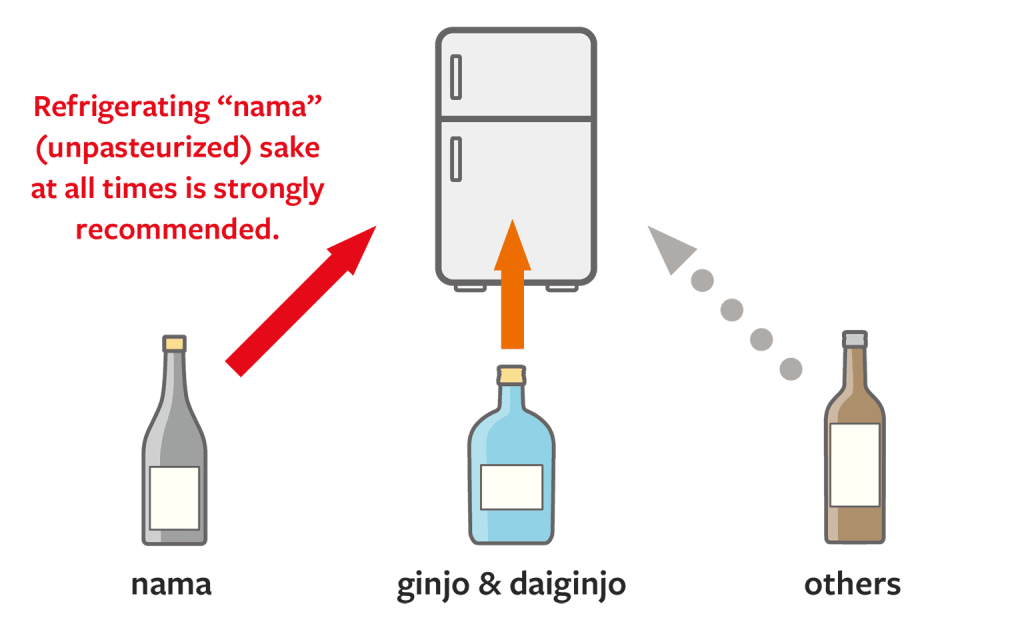
- Namazake:Unpasteurized sake, which is fresher but requires refrigeration.
Knowing these types helps you decide how to store your sake. Have you noticed how some sakes taste better chilled, while others are enjoyed warm? This difference ties directly to their type and brewing style.

Credit: www.sakedesu.com
Storage Temperature
Proper storage temperature plays a key role in preserving sake’s quality. Sake is sensitive to heat and light. Storing it at the right temperature helps keep its flavor fresh and balanced. Understanding ideal conditions can improve your sake experience.
Ideal Conditions For Sake
Sake should be kept cool and away from direct sunlight. The best temperature range is between 5°C and 10°C (41°F to 50°F). This range slows down chemical changes and maintains freshness.
Unopened bottles can stay in a cool, dark place like a refrigerator or cellar. Once opened, sake should be refrigerated and consumed within a few days. Warm places cause sake to age quickly and lose its delicate taste.
Effects Of Temperature On Flavor
High temperatures cause sake to spoil faster. The flavors become dull and sometimes sour. Heat can also increase the alcohol smell and reduce sweetness.
Cold storage helps keep sake crisp and light. It preserves fruity and floral notes. Too cold, near freezing, can mute flavors, so avoid freezing sake.
Proper temperature control balances aroma and taste. It keeps sake enjoyable for longer periods. Always check the label for specific storage advice from the brewer.
Refrigeration Needs
Understanding the refrigeration needs of sake can help you enjoy its flavors at their best. Not all sake requires the same storage conditions, and knowing when to refrigerate can preserve its delicate taste. Let’s dive into the details so you can make the right choice for your bottle.
When To Refrigerate Sake
Most sake benefits from refrigeration after opening. Keeping it cold slows down oxidation, which can ruin the taste quickly.
Unopened bottles of premium sake, like Ginjo or Daiginjo, should also be refrigerated. These types have delicate aromas and flavors that degrade faster at room temperature.
Have you ever opened a bottle only to find it tastes flat or sour after a few days? That’s a clear sign it needed chilling. Once opened, aim to drink sake within a week if refrigerated, or within a day or two if left out.
Sake That Can Stay At Room Temperature
Some sake, especially those labeled as “Futsu-shu” (table sake), can handle room temperature storage. These are generally more robust and less sensitive to heat.
Unopened bottles stored in a cool, dark place away from sunlight can stay fine without refrigeration for a short time. However, avoid places that get warm or have fluctuating temperatures.
If you’re unsure about your sake type, check the label or ask your retailer. It’s better to be safe and refrigerate if you want to keep the flavor intact longer.
Opening And Serving
Opening and serving sake properly affects its taste and freshness. Sake is delicate. Exposure to air changes its flavor quickly. Handling it with care keeps its quality high.
How To Store After Opening
Once opened, sake needs quick storage. Oxygen starts to alter its taste. Pour leftover sake into a clean bottle with a tight cap. Refrigerate it immediately to slow down oxidation. Keep it upright to reduce air contact.
Consume opened sake within a week. The flavor fades after this period. Avoid leaving sake at room temperature after opening. Warmth speeds up spoilage and flavor loss.
Best Practices For Serving
Serve sake chilled, at room temperature, or warm. Each style suits different types of sake. Premium sake tastes best chilled to highlight its aroma. Regular sake can be warmed gently.
Use small cups called ochoko or a glass. These vessels help appreciate sake’s aroma and flavor. Avoid overfilling cups. Pour in small amounts to enjoy slowly.
- Chill premium sake between 40-50°F (4-10°C)
- Room temperature sake is around 65°F (18°C)
- Warm sake should be heated to 104-113°F (40-45°C)
Heating sake too much kills its delicate flavors. Use warm water, not direct heat. This preserves the sake’s balance and aroma.
Shelf Life And Expiry
Understanding the shelf life and expiry of sake is key to enjoying its delicate flavors at their best. How long sake lasts depends heavily on whether the bottle is opened or sealed, as well as how you store it. Let’s break down what you can expect from your sake over time and how to keep it fresh.
Unopened Sake Duration
Unopened sake generally stays fresh for about 6 to 12 months if stored properly. Keep it in a cool, dark place away from direct sunlight and heat sources. Some premium sakes can last longer, but most are best consumed within a year for optimal taste.
I once found an unopened bottle of sake in my cellar after two years and was surprised how dull the flavor had become. This showed me that even unopened, sake isn’t like wine—it doesn’t improve with age. So, always check the bottling date and aim to enjoy it sooner rather than later.
Opened Sake Lifespan
Once you open a bottle, sake’s shelf life shortens dramatically. Ideally, consume it within 1 to 2 weeks for the best flavor. After opening, store the bottle in the refrigerator and seal it tightly to slow down oxidation.
If you leave sake out at room temperature after opening, it will lose its freshness quickly and develop off-flavors. Have you ever noticed how some opened bottles taste flat or sour after a few days? That’s why refrigeration is crucial once the seal is broken.
Common Storage Mistakes
Storing sake correctly is key to keeping its fresh taste and aroma. Many people make simple mistakes that harm the quality of their sake. These errors often lead to changes in flavor and reduce the sake’s shelf life. Understanding common storage mistakes helps preserve sake’s delicate balance.
Avoiding Heat And Light Exposure
Sake is sensitive to heat and light. Storing it in warm places can cause it to spoil faster. Sunlight or bright lights also damage the flavor. Keep sake in a cool, dark area to protect its quality. Avoid places like near ovens, windows, or bright kitchen counters.
Improper Sealing Issues
Once opened, sake must be sealed tightly. Air exposure causes oxidation, which changes the taste. Loose caps or weak seals let air in and speed spoilage. Use the original cap or a wine stopper. Store opened bottles upright to prevent leaks and keep sake fresh longer.
Tips For Sake Lovers
Knowing how to handle sake properly can make a big difference in your drinking experience. Whether you’re a casual sipper or a dedicated enthusiast, these tips will help you keep your sake fresh and enjoyable. Let’s look at some practical advice for buying and transporting sake.
Buying Fresh Sake
Freshness matters a lot when it comes to sake. Look for bottles labeled with a production date or “nama” (unpasteurized) on the label to ensure you’re getting a fresh batch.
Visit specialty stores where the stock turns over quickly. This often means the sake you buy hasn’t been sitting on shelves for months. Also, ask the seller about storage conditions before purchase; sake kept cool retains its flavor better.
Transporting Sake Safely
Once you’ve chosen your sake, think about how you’ll get it home safely. Sudden temperature changes can affect the taste and quality.
Use a cooler bag or insulated carrier if you expect a long trip. Avoid leaving the bottle in a hot car or direct sunlight, which can spoil the delicate flavors.
Have you ever noticed a bottle tasting off after a warm ride home? Keeping sake cool during transport helps preserve the crisp, clean taste you expect.

Credit: www.wsetglobal.com
Frequently Asked Questions
Does Sake Need Refrigeration After Opening?
Yes, sake should be refrigerated after opening to maintain freshness. Exposure to air and warmth can degrade its flavor quickly.
How Long Can Sake Stay Unrefrigerated?
Unopened sake can stay unrefrigerated for several months if stored in a cool, dark place. Once opened, refrigeration is recommended.
What Happens If Sake Is Not Refrigerated?
Without refrigeration, sake can spoil, losing its aroma and taste. Heat accelerates oxidation, leading to off-flavors and reduced quality.
Can Chilled Sake Be Served Warm Later?
Yes, sake can be gently warmed after refrigeration. However, rapid temperature changes may alter its delicate flavors, so warm it slowly.
Conclusion
Sake tastes best when stored the right way. Most sakes need refrigeration after opening. Keeping sake cold helps keep its fresh flavor. Warm temperatures can spoil sake faster. Unopened sake can last longer in a cool, dark place. Always check the label for storage tips.
Proper care means you enjoy every sip. Simple steps keep your sake tasty and safe. Enjoy your sake, chilled or room temperature, as advised.