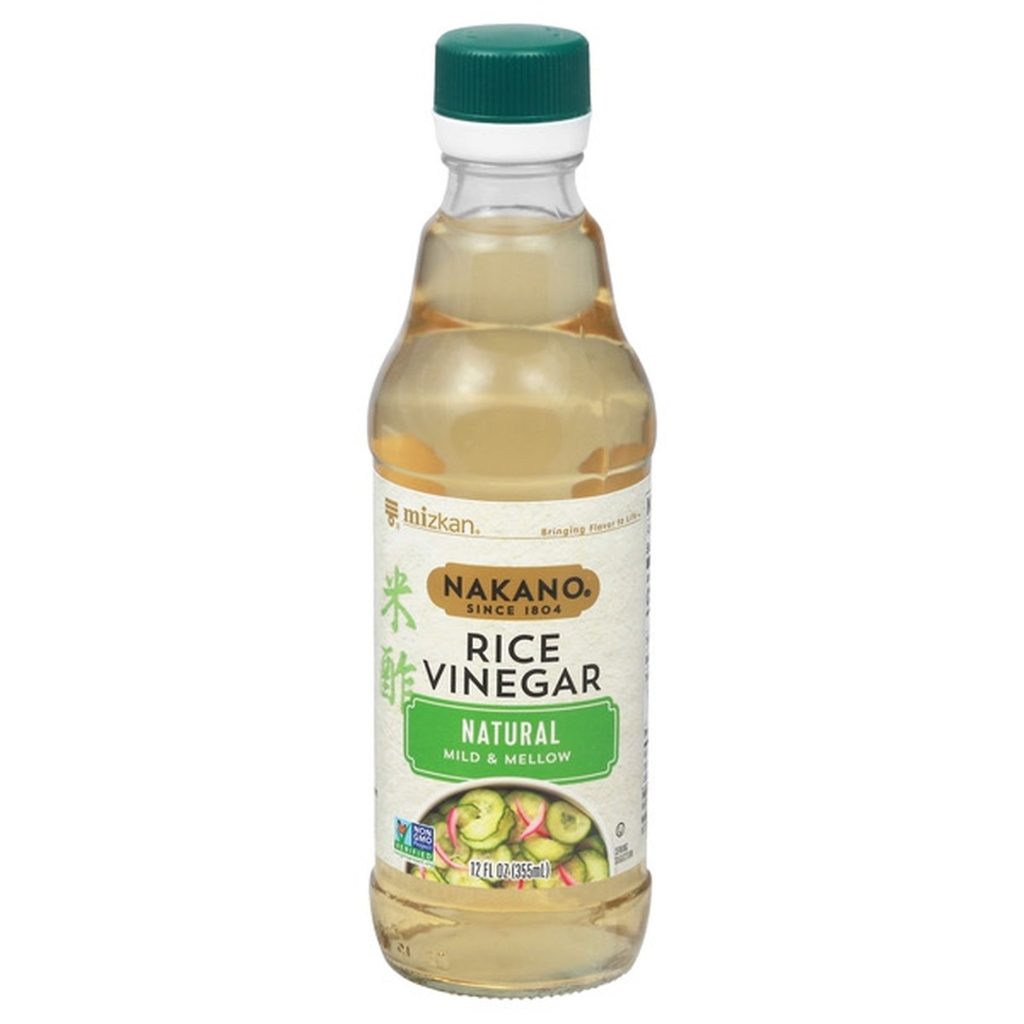
You’ve just picked up a bottle of Nakano Rice Vinegar, eager to add that perfect tangy twist to your dishes. But as you place it on your kitchen counter, a question pops into your mind: “Does Nakano Rice Vinegar need to be refrigerated?”
It’s not just about making space in your fridge; it’s about ensuring the flavor and quality of your culinary creations. This is a common question that touches on both convenience and the quality of your meals. Understanding whether to refrigerate can save you from potential spoilage and preserve the authentic taste you love.
Keep reading to discover the best way to store your Nakano Rice Vinegar and ensure your meals always hit the mark with that delightful zing.

Credit: store.jerryscountymarket.com
Nakano Rice Vinegar Basics
Nakano Rice Vinegar Basics give you a clear understanding of this popular ingredient before you decide how to store it. Knowing its nature and how it’s used in cooking will help you maintain its quality and flavor. Let’s take a closer look at what Nakano Rice Vinegar really is and how it fits into your kitchen.
What Is Nakano Rice Vinegar
Nakano Rice Vinegar is a type of Japanese vinegar made by fermenting rice. It has a mild, slightly sweet taste compared to other vinegars, making it popular in many dishes. Unlike harsher vinegars, Nakano offers a smooth flavor that enhances food without overpowering it.
This vinegar often comes in a clear bottle with a red cap, which you might recognize from Japanese grocery stores. Its acidity level is usually around 4%, which is perfect for everyday cooking needs.
Common Uses In Cooking
Nakano Rice Vinegar is incredibly versatile in the kitchen. It’s a key ingredient in sushi rice, giving it that perfect balance of tang and sweetness. You can also use it to add depth to salad dressings or to tenderize meats.
- Mix it with soy sauce for a quick dipping sauce.
- Add it to stir-fries to brighten the flavors.
- Use it in marinades to soften proteins and add subtle acidity.
Have you ever noticed how a splash of Nakano rice vinegar can transform a simple dish? It’s these practical uses that make it a staple in many kitchens around the world.

Credit: www.gianteagle.com
Storage Recommendations
Proper storage of Nakano Rice Vinegar helps keep its flavor and quality intact. Knowing how to store it correctly can extend its shelf life. The environment where you keep the vinegar plays a key role in maintaining freshness.
Manufacturer’s Guidelines
Nakano recommends storing rice vinegar in a cool, dark place. Keep the bottle tightly closed to prevent air exposure. Some suggest refrigeration after opening to maintain taste. Check the label for specific instructions from the manufacturer. Following these guidelines ensures the best flavor over time.
Shelf Life Without Refrigeration
Rice vinegar naturally resists spoilage due to its acidity. It can last several months without refrigeration if stored properly. Keep it away from heat and direct sunlight to avoid quality loss. Over time, flavor may weaken but it remains safe to use. For longer freshness, refrigeration is a good option after opening.
Effects Of Refrigeration
Refrigeration affects Nakano rice vinegar in several ways. It can change the flavor and help keep the vinegar fresh longer. Understanding these effects helps decide the best storage method for your vinegar.
Taste And Quality Changes
Cold storage slows down chemical reactions in rice vinegar. This helps preserve its sharp and slightly sweet taste. The vinegar keeps its bright color and clear appearance better when chilled. Room temperature storage may cause slight changes in flavor over time. The vinegar might taste dull or less vibrant without refrigeration.
Preservation Benefits
Refrigerating Nakano rice vinegar helps prevent spoilage. It reduces the risk of mold or bacteria growth. The vinegar stays safe to use for many months after opening. It also maintains its natural acidity and aroma longer. Keeping it cold extends the shelf life effectively.
Signs Of Spoilage
Knowing the signs of spoilage helps keep Nakano Rice Vinegar safe to use. Spoiled vinegar changes in ways that are easy to spot. Check your vinegar carefully before every use.
Visual Indicators
- Cloudy appearance instead of clear liquid
- Unusual sediment or particles floating inside
- Color changes from pale to darker or murky
- Mold growth on the surface or around the cap
- Swollen or damaged bottle seals
Smell And Taste Alterations
- Off or sour smell different from usual vinegar scent
- Foul or musty odor indicating contamination
- Bitter or strange taste instead of mild acidity
- Loss of the typical clean, tangy flavor
- Unpleasant aftertaste that lingers
Comparing Vinegar Types
Understanding the differences between various types of vinegar can help you decide how to store them properly. Each vinegar has unique qualities that affect its flavor, acidity, and shelf life. Let’s look closely at how rice vinegar, particularly Nakano Rice Vinegar, compares to other common vinegars and what that means for your kitchen storage.
Rice Vinegar Vs Other Vinegars
Rice vinegar is milder and less acidic than many other vinegars like white vinegar or apple cider vinegar. It has a subtle sweetness and is often used in Asian cooking to enhance flavors without overpowering them.
In contrast, white vinegar is much stronger and has a sharp, tangy taste. Apple cider vinegar carries a fruity note and is often used in dressings and health remedies.
Because of its lower acidity, rice vinegar tends to be gentler on your recipes and your stomach. Have you noticed how recipes using rice vinegar taste less harsh compared to those with white vinegar?
Storage Differences
Most vinegars, including white and apple cider vinegar, are shelf-stable and don’t require refrigeration. Their high acidity naturally preserves them for a long time.
Rice vinegar, including Nakano Rice Vinegar, also falls into this category. You can safely store it in a cool, dark place like your pantry. Refrigeration is not necessary but can help maintain its freshness and flavor longer once opened.
Think about how often you open your vinegar bottle. If you use it regularly, keeping it at room temperature is convenient. If it sits unopened for months, refrigeration could extend its quality.
- White Vinegar:Shelf-stable, no refrigeration needed
- Apple Cider Vinegar:Shelf-stable, optional refrigeration
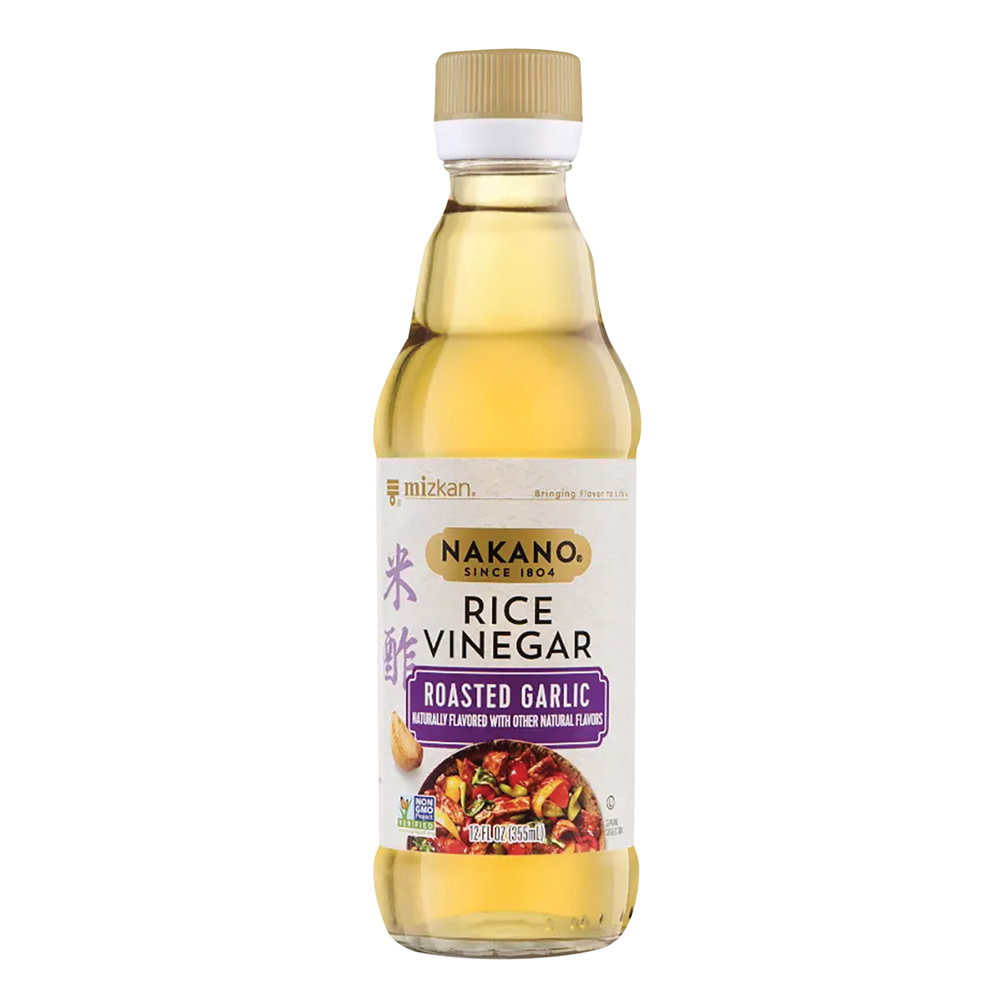
- Nakano Rice Vinegar:Shelf-stable, refrigerate to keep flavor fresh
Credit: www.nassaucandy.com
Tips For Best Storage
Storing Nakano Rice Vinegar properly can extend its freshness and maintain its quality over time. Understanding the best storage practices helps you preserve the vinegar’s flavor and prevent spoilage. Here are some practical tips to keep your Nakano Rice Vinegar in top condition.
Ideal Container And Location
Use the original bottle or a clean glass container with a tight-fitting lid for storing Nakano Rice Vinegar. Glass is preferred because it doesn’t react with the vinegar, keeping the taste pure.
Store the vinegar in a cool, dark place away from direct sunlight. A kitchen cabinet or pantry shelf works well since heat and light can degrade the vinegar’s quality. Have you noticed how your vinegar lasts longer when kept out of the fridge and away from bright light?
Avoiding Contamination
Always use a clean spoon or pour the vinegar directly to prevent introducing bacteria or other contaminants. Avoid dipping food directly into the bottle to keep the contents fresh and safe.
Keep the bottle tightly sealed after each use to block air and moisture. This simple habit can prevent the vinegar from developing off-flavors or cloudiness over time.
Frequently Asked Questions
Does Nakano Rice Vinegar Require Refrigeration After Opening?
Nakano rice vinegar does not need refrigeration after opening. Store it in a cool, dark place to maintain quality. Proper sealing prevents contamination and preserves flavor for months.
How Long Can Nakano Rice Vinegar Last Unrefrigerated?
Unrefrigerated Nakano rice vinegar can last up to one year. Its acidic nature prevents bacterial growth. Always check for changes in smell or appearance before use.
Can Refrigeration Improve Nakano Rice Vinegar’s Shelf Life?
Refrigeration can slightly extend Nakano rice vinegar’s shelf life. However, it is not essential due to its acidity. Storing in a cool, dark cabinet is usually sufficient.
Does Refrigeration Affect Nakano Rice Vinegar’s Taste?
Refrigeration does not significantly affect Nakano rice vinegar’s taste. The flavor remains stable whether stored in the fridge or cupboard. Proper sealing is more important than temperature.
Conclusion
Nakano rice vinegar lasts long without refrigeration. Keep it in a cool, dark place instead. This helps maintain its flavor and quality. Always close the bottle tightly after use. Refrigeration is optional but can extend freshness. Use the vinegar within a year for best taste.
Simple storage keeps your vinegar safe and tasty. Enjoy cooking with Nakano rice vinegar anytime.