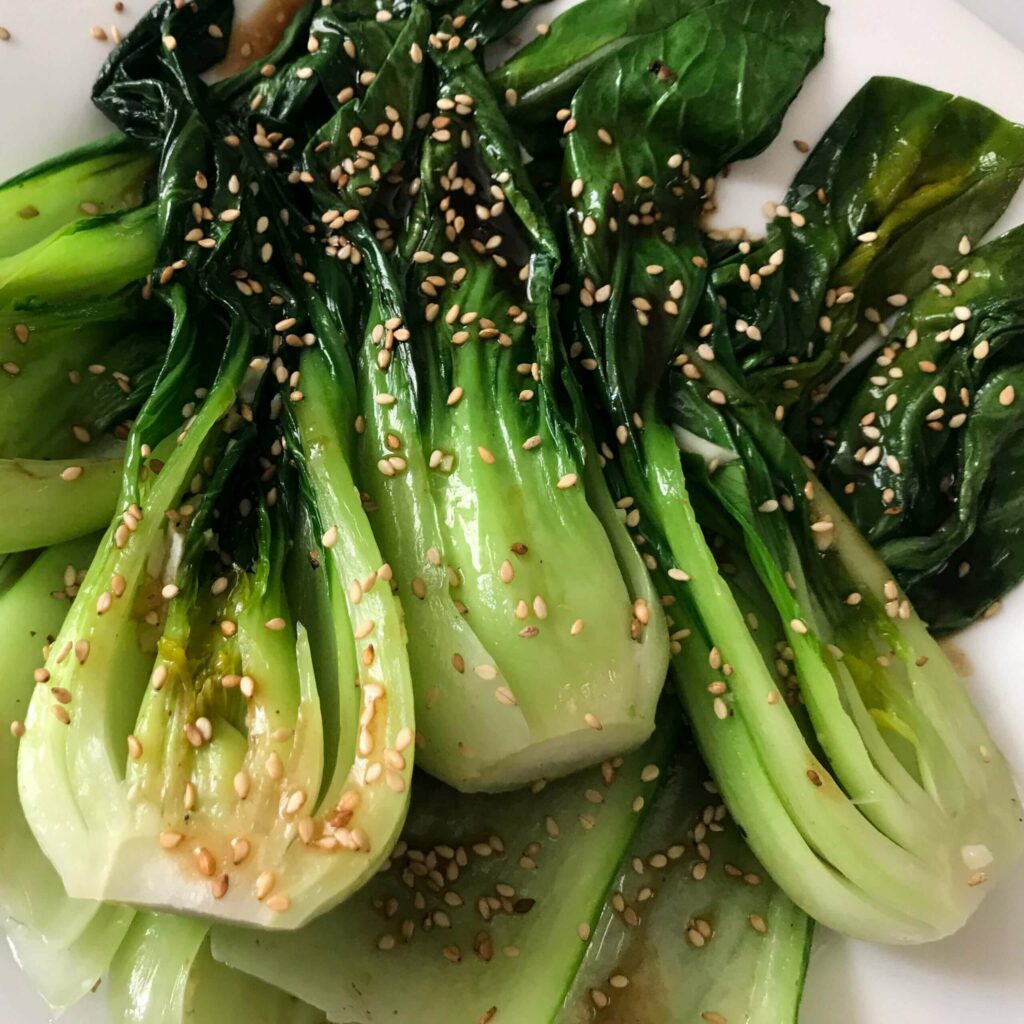
Have you ever found yourself wondering if bok choy needs to be refrigerated? It’s a common question, especially if you love cooking with fresh, vibrant vegetables.
Keeping your greens crisp and fresh is crucial for that perfect stir-fry or salad. But, is the fridge the best place for bok choy, or are there other ways to store it that might surprise you? Understanding how to store your produce not only saves you money but also ensures you get the most nutrients from your meals.
Dive into this article to uncover the secrets of keeping your bok choy fresh and ready to elevate your culinary creations.

Credit: www.yahoo.com
Why Refrigeration Matters
Keeping bok choy fresh is more than just a matter of taste—it affects how well it serves your health and how long it lasts in your kitchen. Understanding why refrigeration matters can change how you store this leafy green and help you get the most from every meal.
Impact On Freshness
Bok choy is a crunchy, leafy vegetable that wilts quickly if left at room temperature. When you store it in the fridge, you slow down the natural process of spoilage. This means the leaves stay crisp and the stems remain firm for several days longer.
Think about the last time you bought bok choy and forgot to refrigerate it. Did it turn limp or slimy faster than expected? Keeping it cold preserves its texture, making your stir-fries and salads taste fresher and more enjoyable.
Effect On Nutrients
Fresh bok choy is packed with vitamins like A, C, and K, plus minerals such as calcium and potassium. These nutrients can degrade quickly when exposed to warmth and light. Refrigeration helps maintain the vegetable’s nutrient content by slowing down chemical changes.
Have you noticed how some veggies lose their flavor or color after a few days out on the counter? Bok choy can lose valuable nutrients at the same rate. Storing it in the fridge means you get more health benefits from every bite.
Ideal Storage Conditions
To keep bok choy fresh and crisp, understanding its ideal storage conditions is key. Storing it improperly can lead to quick wilting or spoilage. Let’s look into the best temperature and humidity levels to maintain its freshness longer.
Temperature Range
Bok choy thrives at cool temperatures, ideally between 32°F to 40°F (0°C to 4°C). If kept warmer, it tends to spoil faster, turning yellow and soft.
Storing it in your refrigerator’s crisper drawer often works well because it maintains this range. Have you ever noticed your bok choy wilting when left on the kitchen counter? That’s because room temperature is usually too warm for this leafy green.
Humidity Levels
Bok choy prefers high humidity, around 95% relative humidity, to stay hydrated and crisp. This prevents the leaves from drying out and becoming limp.
Using a perforated plastic bag or wrapping the bok choy loosely in a damp paper towel can help retain moisture without trapping excess water. Too much moisture, however, can cause mold, so balance is important.
Storing Bok Choy Without A Fridge
Storing bok choy without a fridge requires careful attention to keep it fresh. This leafy vegetable can wilt quickly if left in warm or dry places. Using the right methods helps maintain its crunch and flavor for a few days outside the fridge.
Understanding simple storage techniques can extend bok choy’s shelf life without refrigeration. These approaches focus on moisture control and coolness to slow down spoilage.
Short-term Methods
- Wrap bok choy in a damp paper towel to keep it moist.
- Place the wrapped bok choy inside a perforated plastic bag.
- Store it in a cool, shaded area away from direct sunlight.
- Use a container with a loose lid to allow some air circulation.
- Check the vegetable daily and remove any wilted leaves promptly.
Alternative Techniques
- Submerge bok choy stems in a jar of cold water like fresh flowers.
- Cover the leaves loosely with a plastic bag to retain humidity.
- Keep bok choy in a cool basement or cellar if available.
- Use a clay pot evaporative cooler to maintain a cooler temperature.
- Harvest bok choy early in the morning when it is coolest.
Preparing Bok Choy For Storage
Preparing bok choy for storage keeps it fresh and crisp longer. Proper steps help prevent wilting and spoilage. Clean and dry bok choy carefully before storing. Wrapping it properly maintains moisture without causing rot. These simple actions extend the shelf life of bok choy.
Cleaning Tips
Rinse bok choy under cold running water. Remove dirt from leaves and stems gently. Separate the leaves to clean inside thoroughly. Avoid soaking bok choy to prevent waterlogging. Use a soft brush to remove stubborn dirt. Clean bok choy ensures no bacteria grow during storage.
Drying And Wrapping
Pat bok choy dry with a clean towel or paper towel. Make sure it is completely dry before wrapping. Excess moisture causes faster decay and mold growth. Wrap bok choy loosely in a paper towel to absorb moisture. Place wrapped bok choy inside a perforated plastic bag. Store in the refrigerator’s vegetable drawer for best freshness.
Signs Of Spoilage
Knowing when your bok choy has gone bad can save you from an unpleasant meal and food waste. Spoiled bok choy doesn’t just look off; it feels and smells different too. Paying attention to these signs helps you decide if it’s time to toss or taste.
Visual Indicators
Fresh bok choy has crisp, bright green leaves and firm white stalks. If you notice yellowing leaves or dark spots, that’s a red flag. Wilted or slimy leaves mean the bok choy is past its prime and not safe to eat.
- Discoloration, especially brown or black patches
- Leaves that look shriveled or limp
- White stalks turning mushy or translucent
Have you ever grabbed bok choy only to find it covered in slimy film? That’s a clear sign it’s spoiled. Never ignore these visual clues—they tell you a lot about freshness.
Texture And Smell Changes
Texture changes are a subtle but important sign. Fresh bok choy feels crunchy and firm. If it’s soft, mushy, or slimy, it’s time to throw it out.
The smell is another key indicator. Bok choy should have a mild, fresh scent. A sour or rotten odor means bacteria have taken over, making it unsafe.
- Soft or mushy stalks instead of firm and crisp
- Leaves that feel slimy or sticky
- Unpleasant, sour, or off-putting smell
Next time you pick up bok choy, try squeezing the stalks gently and sniffing the leaves. It’s a quick test that can save you from bad taste and potential stomach upset. What signs do you usually look for before cooking your greens?
Credit: www.lemon8-app.com
Freezing Bok Choy
Freezing bok choy is a smart way to keep it fresh for longer. It helps preserve nutrients and flavor. Proper preparation is key to maintain texture and taste after freezing.
Blanching Steps
Blanching slows down enzyme activity that causes spoilage. Start by washing the bok choy thoroughly under cold water. Cut the bok choy into bite-sized pieces for even blanching. Bring a pot of water to a boil. Place bok choy in boiling water for 1 to 2 minutes. Immediately transfer the bok choy to a bowl of ice water. This stops the cooking process quickly. Drain the bok choy well and pat dry with a clean towel. Spread the pieces on a baking sheet to freeze individually before packing.
Storage Duration
Frozen bok choy keeps best within 10 to 12 months. Store it in airtight freezer bags or containers. Remove as much air as possible to prevent freezer burn. Label the package with the freezing date. Use older batches first for better taste. Thaw frozen bok choy in the refrigerator or cook it directly from frozen. Properly stored bok choy maintains good flavor and texture for many months.
Common Storage Mistakes
Storing bok choy might seem straightforward, but common mistakes can quickly spoil its freshness. Many people don’t realize that improper storage can lead to moisture buildup or bruising, which significantly cuts down its shelf life. Have you ever opened your fridge to find wilted, slimy bok choy? That’s often due to avoidable errors.
Avoiding Moisture Traps
Moisture is bok choy’s enemy. Storing it in a tightly sealed plastic bag without ventilation can trap condensation. This creates a damp environment that encourages mold and decay.
Instead, use perforated plastic bags or wrap bok choy loosely in a paper towel before placing it in the fridge. The paper towel absorbs excess moisture, keeping the leaves crisp longer. Have you checked the bag for water droplets lately? If yes, it’s time to switch storage methods.
Preventing Bruising
Bok choy bruises easily when it’s packed too tightly or dropped. Those bruises turn brown and mushy, ruining the texture and flavor. Think about how you handle it from market to fridge—rough treatment shortens its life.
Give bok choy space in your fridge’s vegetable drawer. Avoid piling heavy items on top of it. If you’ve ever tossed in a bunch of greens without care, you might have noticed how quickly they degrade. Treat bok choy gently, and it will stay fresh for days.

Credit: mycuratedtastes.com
Frequently Asked Questions
Does Bok Choy Need Refrigeration To Stay Fresh?
Yes, bok choy should be refrigerated to maintain freshness. Storing it in the fridge keeps it crisp and prevents wilting. Place it in a plastic bag or container to retain moisture and extend shelf life up to a week.
How Long Does Bok Choy Last In The Fridge?
Bok choy typically lasts 5 to 7 days when refrigerated properly. Keep it in a sealed bag or airtight container to avoid drying out. Check regularly for any signs of spoilage like yellowing or sliminess.
Can You Store Bok Choy At Room Temperature?
Bok choy can be stored at room temperature for a few hours. However, prolonged storage at room temperature causes it to wilt and lose freshness quickly. Refrigeration is recommended for longer storage and better quality.
Should Bok Choy Be Washed Before Refrigerating?
It’s best to wash bok choy just before use, not before refrigerating. Excess moisture can cause it to spoil faster in the fridge. Store it dry in a plastic bag to keep it fresh longer.
Conclusion
Bok choy stays fresh longer when kept cold. Store it in the refrigerator’s crisper drawer. Wrap it loosely in a plastic bag to keep moisture in. Avoid leaving bok choy at room temperature for many hours. Fresh bok choy tastes crisp and sweet.
Proper storage helps prevent wilting and spoilage. Enjoy bok choy in salads, soups, or stir-fries while it’s fresh. Keeping it cold keeps nutrients and flavor intact. Simple steps make your bok choy last longer and taste better.