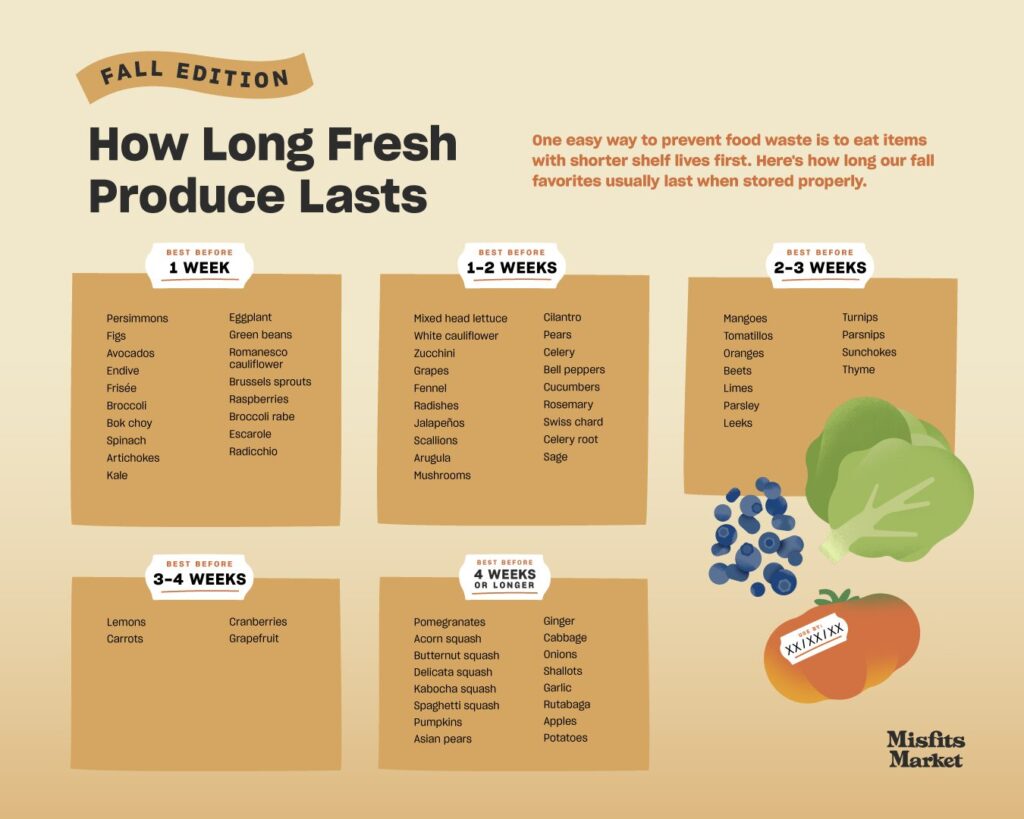
Are you tired of throwing away vegetables that spoil too quickly? Imagine being able to enjoy fresh veggies for weeks without relying on a fridge.
This isn’t just a dream; it’s entirely possible with the right techniques. You’ll discover simple and effective ways to store vegetables long-term without refrigeration. Whether you’re dealing with a power outage, living off the grid, or just looking to save space in your fridge, these methods will come in handy.
Get ready to unlock the secrets to keeping your produce fresh and nutritious for the long haul. Dive in to learn how to make the most of what you grow or buy, while reducing waste and saving money. Your veggies—and your wallet—will thank you!
Choosing The Right Vegetables
Choosing the right vegetables is crucial when planning to store them long-term without refrigeration. Not all vegetables handle room temperature or cellar conditions well. Picking the right types can save you from waste and disappointment.
Best Vegetables For Long-term Storage
Some vegetables naturally last longer outside the fridge. These tend to have thick skins or low moisture, which slows down spoilage. You want vegetables that stay firm and fresh for weeks or even months.
- Potatoes:Keep them in a cool, dark place with good ventilation. Avoid sunlight to prevent greening.
- Onions:Store in a dry, well-ventilated area. They last long if kept away from moisture.
- Garlic:Similar to onions, garlic prefers dry and airy spots.
- Winter Squash (like Butternut or Acorn):Their hard skins protect them for months when stored in a cool, dry place.
- Carrots:Can last weeks if stored in damp sand or sawdust to keep moisture.
- Cabbage:Keeps well in cool, humid environments. Wrap in newspaper for added protection.
Have you noticed how a bunch of carrots in a damp box lasts longer than just sitting on the counter? That extra moisture control makes a big difference.
Vegetables To Avoid Storing Without Refrigeration
Some vegetables spoil quickly if not refrigerated. They have high water content or thin skins that make them vulnerable to heat and humidity.
- Leafy Greens (spinach, lettuce):Wilt fast and develop mold without cold storage.
- Tomatoes:They lose flavor and spoil quickly at room temperature once fully ripe.
- Cucumbers:Their high moisture causes them to soften and rot.
- Peppers:They become soft and shriveled without a cool environment.
- Green Beans:They dry out and lose crunch rapidly.
Have you ever tried keeping tomatoes on the counter for more than a few days? The texture and taste shift so much that they often end up in the trash. Knowing which veggies to skip can help you focus on what truly stores well.

Credit: www.youtube.com
Preparing Vegetables For Storage
Preparing vegetables for long-term storage without refrigeration requires careful steps. Proper preparation helps keep vegetables fresh and tasty. It stops them from spoiling quickly. Follow these simple tips to get your vegetables ready.
Cleaning And Trimming
Start by removing dirt and debris from the vegetables. Use cool water to rinse them gently. Avoid soaking to prevent excess moisture. Pat dry with a clean cloth or paper towel.
Trim off damaged or bruised parts. Remove leaves, stems, or roots that will not store well. This reduces the chance of rot spreading. Keep the vegetables whole if possible, as cutting can speed decay.
Curing And Drying Techniques
Curing helps toughen the skin and heal small cuts. Place vegetables like onions, garlic, or potatoes in a warm, dry, and well-ventilated area. Let them sit for several days until the skins feel dry and firm.
Drying removes moisture that causes mold. Spread vegetables in a single layer on racks or trays. Keep them in a shaded, airy spot. Turn them occasionally for even drying. Proper curing and drying extend storage life significantly.
Storage Methods Without Refrigeration
Storing vegetables without refrigeration requires smart techniques that keep produce fresh and crisp over time. These methods often rely on controlling temperature, humidity, and airflow to slow down spoilage. With the right approach, you can extend the life of your vegetables while saving energy and space.
Root Cellaring Basics
Root cellaring is a traditional way to store vegetables like carrots, potatoes, and beets. It involves keeping them in a cool, humid, and dark environment—usually a basement or underground pit. This slows down decay and keeps vegetables firm for months.
You don’t need a fancy setup; even a simple box filled with moist sand or sawdust can act as a mini root cellar. Just make sure the temperature stays between 32°F and 40°F (0°C to 4°C) and humidity is high but not wet enough to cause mold.
Using Cool, Dark Spaces
Look around your home for naturally cool, dark spots like closets, pantries, or cupboards. These areas protect vegetables from heat and light, which speed up spoilage. A cellar or garage can work well if temperatures remain steady and cool.
Keep vegetables in breathable containers like mesh bags or baskets to allow air circulation. Avoid plastic bags, which trap moisture and cause rot. Have you checked the temperature in your pantry lately?
Sand And Sawdust Storage
Sand and sawdust act as natural insulators and moisture regulators for root vegetables. You can store carrots, parsnips, and turnips by burying them in a box filled with clean, slightly damp sand or sawdust. This method keeps vegetables dry but prevents them from shriveling.
Make sure the sand or sawdust is free from chemicals and completely dry or just lightly moist. Layer vegetables separately to avoid bruising, and check periodically for any signs of spoilage. It’s a simple, hands-on way to keep your roots fresh without electricity.
Clay Pot Storage
Clay pots naturally absorb and release moisture, creating a balanced environment for vegetables like onions and garlic. Placing vegetables inside a clay pot with a lid can protect them from air and pests while maintaining humidity. You can even bury the pot partially in soil to improve cooling.
This technique works well in warm climates where other storage options are limited. Try wrapping onions in newspaper before placing them inside the pot to add extra protection. Have you ever tried using old garden pots in your kitchen storage?
Hanging And Braiding
Hanging vegetables like garlic, onions, and shallots allows air to circulate freely around them, reducing moisture buildup and mold. Braiding their stalks into a bundle creates a natural, space-saving storage method that looks charming too. This method is ideal if you have limited floor or shelf space.
Make sure the area where you hang them is dry and well-ventilated. Check the braids regularly for any soft spots or sprouting. Could this old-fashioned technique fit into your kitchen routine?
Controlling Temperature And Humidity
Controlling temperature and humidity is key to storing vegetables without a fridge. Both factors affect how long vegetables stay fresh. Keep temperature and moisture levels just right to slow down spoilage and keep vegetables crisp.
Ideal Conditions For Different Vegetables
Vegetables need different environments to last long. Root vegetables like carrots and potatoes prefer cool, dark places around 45-50°F (7-10°C). Leafy greens need cooler temperatures near 32-36°F (0-2°C) and high humidity. Onions and garlic store best in dry, slightly warmer spots around 50-60°F (10-15°C) with low humidity.
Using Natural Insulation
Natural materials help keep vegetables at steady temperatures. Straw, hay, or dry leaves work well as insulation. Wrap vegetables or line storage boxes with these materials. They protect from heat and cold swings. Burying root vegetables in sand or sawdust also helps keep moisture steady and temperature low.
Monitoring Storage Environment
Check temperature and humidity regularly. Use a simple thermometer and hygrometer. Place them inside your storage area. Adjust conditions by adding or removing insulation. Ventilate if it gets too humid. Seal containers if air is too dry. Small changes keep vegetables fresh longer.
Common Issues And How To Prevent Them
Storing vegetables long-term without refrigeration can lead to common problems. These include mold, rot, pests, sprouting, and softening. Understanding these issues helps keep your vegetables fresh and edible for longer. Simple prevention steps make a big difference.
Dealing With Mold And Rot
Mold and rot happen when vegetables are too wet or stored in poor air conditions. Moisture creates a perfect place for mold to grow quickly. Rot can spread fast and ruin many vegetables at once.
- Keep vegetables dry before storage.
- Use breathable containers like mesh bags or baskets.
- Store in a cool, dark, and well-ventilated area.
- Remove any damaged or spoiled vegetables immediately.
Pest Control Tips
Pests such as insects and rodents can damage vegetables and cause waste. They are attracted to stored food and can be hard to spot at first.
- Store vegetables off the ground on shelves or racks.
- Use natural pest repellents like garlic or neem leaves nearby.
- Seal storage areas tightly but keep some air flow.
- Check vegetables regularly for signs of pest damage.
Avoiding Sprouting And Softening
Sprouting and softening reduce the quality and taste of vegetables. They happen when vegetables are exposed to light, warmth, or humidity.
- Keep vegetables in a dark place to slow sprouting.
- Maintain cool temperatures to prevent softening.
- Separate vegetables that release gases like ethylene from sensitive ones.
- Handle vegetables gently to avoid bruises that speed up decay.

Credit: www.yahoo.com
Extending Shelf Life With Traditional Preservation
Extending the shelf life of your vegetables without refrigeration is possible by using traditional preservation methods that have been trusted for centuries. These techniques not only keep your produce fresh but often enhance their flavors and nutritional value. Understanding how to apply these methods can make a big difference in reducing food waste and ensuring you have healthy options on hand.
Fermentation
Fermentation relies on natural bacteria to transform vegetables into tangy, long-lasting foods. This process creates an acidic environment that prevents spoilage and harmful bacteria growth. Think about sauerkraut or kimchi—both are delicious examples of how fermentation can turn simple cabbage into a flavorful staple that lasts for months.
You don’t need special equipment to ferment your vegetables. Just chop, salt, and pack them tightly into a clean jar, then let the natural bacteria do their work over several days. Have you tried fermenting your own veggies? The taste and health benefits might surprise you.
Pickling
Pickling uses vinegar or brine to preserve vegetables, offering a crisp texture and tangy taste. This method is quick and versatile, perfect for cucumbers, carrots, and even green beans. Once pickled, your vegetables can last for weeks or even months at room temperature if sealed properly.
Adding spices like dill, garlic, or mustard seeds can create unique flavors tailored to your preferences. Keep in mind, the acidity level is key to safe preservation. Have you experimented with different pickling spices to find your favorite combo?
Drying And Dehydration
Removing moisture from vegetables stops bacteria and mold from growing, making drying a straightforward way to store veggies long-term. You can dry vegetables using sunlight, an oven, or a dehydrator. Sweet potatoes, tomatoes, and herbs dry well and keep their flavor.
Dried vegetables are lightweight and easy to store in airtight containers. They also make excellent additions to soups and stews since they rehydrate quickly. Have you considered drying your surplus garden harvest instead of letting it spoil?
Signs Of Spoilage To Watch For
Knowing the signs of spoilage helps keep your vegetables safe to eat. Spoiled vegetables lose nutrients and taste bad. Early detection prevents health risks and food waste. Watch your vegetables closely while storing them without refrigeration.
Visual Indicators
- Discoloration: Dark spots, mold, or unusual colors appear.
- Wrinkling: Skin becomes shriveled or dry.
- Soft spots: Areas feel mushy or weak to touch.
- Leaks: Liquid oozing from the vegetable surface.
- Fuzz: White or green mold growth on skin or cut areas.
Smell And Texture Changes
- Off smell: Sour, rotten, or fermented odors develop.
- Sticky or slimy feel: Surface becomes slippery or tacky.
- Brittle texture: Vegetable breaks easily instead of bending.
- Loss of firmness: Feels limp or overly soft when pressed.

Credit: roguepreparedness.com
Frequently Asked Questions
How Can I Store Vegetables Without A Refrigerator?
Store vegetables in a cool, dark, and well-ventilated area. Use breathable containers like mesh bags or baskets. Keep root vegetables in damp sand or sawdust to maintain moisture. Avoid direct sunlight and extreme temperatures to extend freshness naturally.
Which Vegetables Last Longest Without Refrigeration?
Root vegetables like potatoes, carrots, and onions last longest without refrigeration. Squash, garlic, and cabbage also store well. These vegetables have natural protective skins and require cool, dry storage conditions to stay fresh for weeks or months.
What Is The Best Container For Storing Vegetables Long-term?
Breathable containers such as mesh bags, wooden crates, or baskets are best. They allow air circulation, preventing moisture buildup and mold. Avoid plastic bags as they trap moisture, causing vegetables to spoil faster.
How Does Humidity Affect Vegetable Storage Without Refrigeration?
Proper humidity keeps vegetables from drying out or rotting. High humidity prevents wilting but may cause mold. Low humidity reduces mold risk but can dry vegetables. Aim for moderate humidity, around 85%, for most vegetables.
Conclusion
Storing vegetables without a fridge saves money and energy. Use cool, dark, and dry places for best results. Wrapping veggies in paper or cloth helps keep them fresh. Check your vegetables often for any signs of spoilage. Rotate your stock to use older vegetables first.
Simple methods like these keep food fresh longer. Try these tips to reduce waste at home. Healthy, fresh vegetables can last without cold storage. A little effort goes a long way in preserving food.