Are you a parent navigating the maze of feeding your little one? If you’re pumping and storing breast milk, you’ve likely asked yourself: “Can you reheat refrigerated breast milk?”
It’s a common question with a crucial answer. After all, your baby’s health and nutrition are top priorities. Imagine having the confidence to handle breast milk safely, ensuring every drop is as beneficial as the first. In this guide, you’ll discover not just the answer, but also the science behind it, helping you make informed decisions with peace of mind.
Let’s dive into the essentials and unravel the mystery together. Your baby’s next meal might just become your easiest decision yet!

Credit: www.reddit.com
Why Reheat Breast Milk
Reheating breast milk is a common practice for parents who store milk in the refrigerator. It makes the milk warm and comfortable for the baby. Warm milk helps babies feed better and feel calm. Understanding why reheating is important can help parents provide the best care.
Benefits For Baby
Warm milk is easier for babies to digest. It feels similar to fresh milk from the breast. This warmth can soothe a fussy baby and encourage feeding. Cold milk might upset their stomach or make them refuse to drink. Reheating keeps the milk’s nutrients intact and ready for the baby’s needs.
When Reheating Is Necessary
Reheating is needed when milk is stored cold after pumping. Babies usually prefer milk close to body temperature. Reheating helps avoid feeding cold milk straight from the fridge. It is important to warm milk gently to keep good nutrients. Avoid overheating, which can harm the milk quality.
Safe Storage Practices
Safe storage of breast milk is key to keeping your baby healthy and happy. Knowing how to store and reheat breast milk properly ensures that the nutrients and antibodies remain intact. It also helps prevent the growth of harmful bacteria that could upset your little one’s tummy.
Proper Refrigeration Guidelines
Always store breast milk in clean, BPA-free containers or special breast milk storage bags. Label each container with the date and time you expressed the milk, so you can use the oldest milk first.
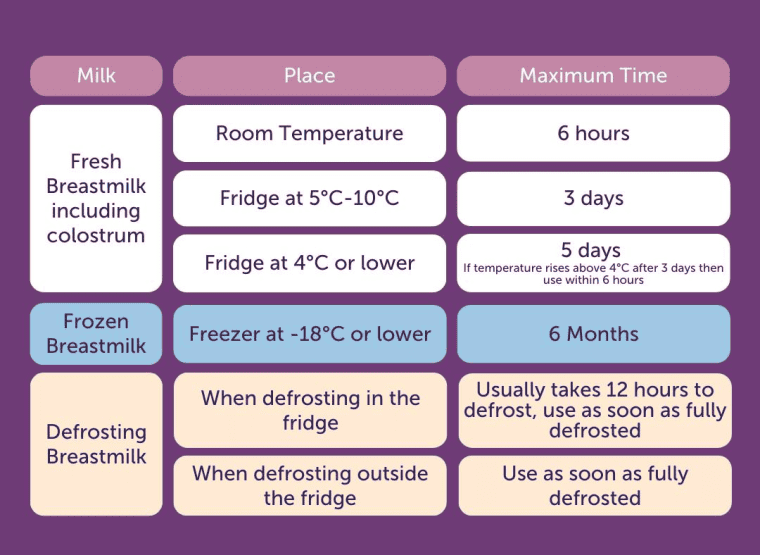
Place the milk in the back of the refrigerator where the temperature is most consistent, not in the door. This keeps it at a steady temperature, usually between 1°C and 4°C (34°F to 39°F).
Have you noticed how quickly your fridge door opens during busy moments? Avoid putting breast milk there, as temperature fluctuations can spoil it faster.
Duration Limits In Fridge
Breast milk can be safely stored in the refrigerator for up to 4 days. However, if you won’t use it within that time frame, freezing is a better option.
Never refreeze thawed breast milk. Once defrosted, use it within 24 hours to maintain safety and quality.
Think about your daily feeding routine—does your storage practice match the time limits to avoid wasting precious milk?
Best Methods To Reheat
Reheating refrigerated breast milk requires care to keep nutrients intact and ensure safety. Choosing the right method helps preserve the milk’s quality. Avoid overheating or uneven warming to protect your baby’s health.
Warm Water Bath
Place the bottle or bag of milk in a bowl or container of warm water. Let it sit for a few minutes until the milk reaches body temperature. Stir gently to evenly distribute the heat. This method warms milk slowly and safely without hot spots.
Bottle Warmers
Bottle warmers heat milk gently and evenly. They offer a controlled temperature setting for convenience. Follow the device instructions carefully for best results. This option saves time and reduces the risk of overheating.
Avoiding Microwaves
Microwaving breast milk is unsafe and not recommended. It heats unevenly, creating hot spots that can burn your baby’s mouth. Microwaves also destroy important nutrients in the milk. Always choose gentler heating methods to keep milk safe and healthy.

Credit: www.reddit.com
Signs Of Spoiled Milk
Knowing the signs of spoiled breast milk helps keep your baby safe. Breast milk can spoil if stored too long or warmed incorrectly. Learning these signs helps avoid feeding your baby milk that could cause stomach upset or illness.
Smell And Appearance
Spoiled breast milk often has a sour or rancid smell. Fresh milk smells mild and sweet. Check for any strange odors before reheating.
Look at the milk’s color and clarity. Spoiled milk may look yellowish or cloudy. It can also have separation that does not mix after gentle swirling.
Texture Changes
Fresh breast milk is smooth and creamy. Spoiled milk may become lumpy or curdled. These texture changes mean bacteria have grown.
Run your finger through the milk gently. If it feels grainy or thick, do not feed it to your baby. Always trust your senses to decide if milk is safe.
Handling Leftover Milk
Handling leftover breast milk requires care to keep your baby safe. Proper storage and reheating help maintain milk quality and prevent bacteria growth. Knowing how to manage leftovers protects your baby’s health and reduces waste.
Discarding Rules
Leftover breast milk should never be stored again after feeding. Milk left in the bottle for over two hours must be discarded. Use fresh milk for each feeding to avoid contamination. Always check milk smell and color before use. Sour smell or unusual color means throw it away immediately.
Avoiding Repeated Heating
Reheating milk more than once can harm its nutrients. Heat only the amount your baby will drink at that time. Warm milk gently using a bottle warmer or warm water. Never use a microwave as it creates hot spots. Repeated heating can cause uneven temperature and burn your baby’s mouth.

Credit: www.reddit.com
Expert Tips For Safe Feeding
Feeding your baby with reheated refrigerated breast milk requires careful attention. Safety is key to protect your little one from harmful bacteria. Following expert tips ensures each feeding is both healthy and comfortable for your baby.
Hygiene Practices
- Always wash hands thoroughly before handling breast milk.
- Use clean bottles and nipples for feeding.
- Keep all feeding equipment sanitized after each use.
- Store breast milk in clean, sealed containers to avoid contamination.
- Discard any leftover milk after feeding; never reuse it.
Temperature Checking
- Gently warm breast milk using a bowl of warm water or a bottle warmer.
- Avoid using a microwave as it heats unevenly and can create hot spots.
- Test milk temperature by dropping a few drops on your wrist.
- Milk should feel warm, not hot, to the skin.
- If milk is too cold, rewarm carefully and retest before feeding.
Frequently Asked Questions
Can You Safely Reheat Refrigerated Breast Milk?
Yes, you can safely reheat refrigerated breast milk by warming it gently. Use warm water or a bottle warmer. Avoid microwaving to prevent hot spots and nutrient loss. Always test the temperature before feeding your baby.
How Long Can Breast Milk Stay Refrigerated?
Breast milk can be stored in the refrigerator for up to 4 days at 4°C (39°F) or below. Use it within this time to ensure safety and preserve its nutrients for your baby’s health.
Is It Okay To Reheat Breast Milk Multiple Times?
No, reheating breast milk multiple times is not recommended. Reheat only the amount you need to avoid bacterial growth and nutrient degradation. Discard any leftover milk after feeding.
What Is The Best Method To Reheat Breast Milk?
The best method to reheat breast milk is by placing the container in warm water. This method heats milk evenly and preserves its nutrients. Avoid direct heat or microwave to prevent damage.
Conclusion
Reheating refrigerated breast milk needs care and attention. Warm it gently to keep nutrients safe. Avoid using a microwave to prevent hot spots. Use the milk within two hours after warming. Always smell and check the milk before feeding. This helps ensure your baby’s safety and health.
Following simple steps keeps breast milk fresh and useful. Your baby deserves the best, so handle milk with care. Safe reheating supports happy and healthy feeding times.