
Have you ever wondered if your delicious Danish pastry needs to be stored in the fridge? It’s a question many pastry lovers have pondered while savoring each flaky bite.
After all, you want to keep that delightful treat fresh and tasty for as long as possible. Understanding how to store your Danish properly can be the difference between enjoying a fresh, flavorful pastry and dealing with a disappointing, stale snack.
We’ll reveal the secrets to maintaining your Danish’s perfect texture and taste, ensuring every bite is as delightful as the first. Keep reading to discover how to make the most of your pastry indulgence!

Credit: www.reddit.com
Shelf Life Of Danishes
Understanding the shelf life of Danishes is key to enjoying their fresh taste without risking your health. These pastries, often rich in butter and filled with fruit or cream, have a limited window before they start to lose flavor and texture. Knowing how long they last at room temperature and spotting signs of spoilage can save you from unpleasant surprises.
Room Temperature Duration
Danish pastries typically stay good at room temperature for about 1 to 2 days. If you leave them out longer, they can dry out and lose their flaky texture. The filling, especially if it’s cream or custard-based, can spoil even faster, so it’s best not to leave them out overnight.
I once left a box of Danishes on the counter, thinking they’d be fine until the next morning. The next day, they tasted stale and the cream filling had a slightly off smell. That’s when I realized how quickly they can go bad if not stored properly.
Signs Of Spoilage
Watch out for changes in smell, texture, and appearance. Spoiled Danishes often develop a sour or rancid odor. Mold spots or any unusual discoloration are clear indicators to toss them.
Sticky or overly soggy pastry, especially around the filling, can also mean the Danish has started to spoil. If you notice any bitterness or strange flavors when you take a bite, it’s better not to risk eating it. Have you ever ignored these signs and regretted it?

Credit: www.tasteofhome.com
Effects Of Refrigeration
Refrigeration affects Danish pastries in several ways. It helps keep them fresh longer but can also change their texture and taste. Understanding these effects helps in storing Danish properly to enjoy its best quality.
Texture Changes
Refrigeration makes Danish pastries firmer and less soft. The cold air dries out the flaky layers, causing them to lose their crispness. The dough may feel tougher and less delicate. This can make the pastry less enjoyable to eat. Storing Danish at room temperature keeps the flaky texture better.
Flavor Impact
The flavor of Danish can dull in the fridge. Cold temperatures slow down the release of sweet and buttery notes. The pastry may taste bland or less rich after refrigeration. Absorbing fridge odors can also affect its natural flavor. To keep the best taste, let refrigerated Danish return to room temperature before eating.
When To Refrigerate Danishes
Knowing when to refrigerate Danishes can save you from disappointing textures and potential food safety issues. Not all Danishes need to chill, but certain factors make refrigeration necessary. Understanding these can help you enjoy your pastry at its best.
Ingredients That Require Cooling
Check what’s inside your Danish. Cream cheese fillings, custards, or fresh fruit toppings need refrigeration to stay fresh and safe. These ingredients can spoil quickly at room temperature.
Butter-based dough alone usually stays fine outside for a day or two. But once you add perishable fillings, it’s a different story. Have you ever left a cream cheese Danish out only to find it sour the next day? That’s why cooling matters.
Climate Considerations
Where you live affects how long your Danish can safely sit out. In hot or humid climates, bacteria multiply faster, making refrigeration more crucial. Even a plain Danish won’t last long on a warm kitchen counter.
In cooler, dry environments, Danishes can last longer without refrigeration. Still, don’t risk it if the room temperature climbs above 70°F (21°C). How often do you check your kitchen’s temperature before deciding where to store your pastries?
Best Storage Practices
Storing your Danish properly can make a huge difference in how fresh and tasty it stays. You want to keep that flaky texture and rich flavor intact for as long as possible. The key lies in how you wrap and where you store it—these small details can save you from a disappointing snack later.
Wrapping Techniques
Wrap your Danish tightly to keep air out and moisture in. Use plastic wrap or aluminum foil, making sure to cover every inch to prevent it from drying out. Avoid wrapping it too tightly if it’s still warm; let it cool first to stop sogginess.
Another tip is to place a piece of parchment paper between layers if you have multiple Danishes. This prevents them from sticking and keeps the toppings intact. Have you ever bitten into a Danish only to find it soggy? Proper wrapping is the fix.
Container Recommendations
Choosing the right container is just as important as wrapping. Airtight containers work best to lock in freshness and keep outside odors away. Glass or BPA-free plastic containers with tight lids are great options.
If you don’t have airtight containers, try resealable plastic bags with the air squeezed out. Store your Danish in a single layer to avoid squishing the delicate layers. What kind of container do you usually use for pastries? It might be time to upgrade.
Freezing Danish Pastries
Freezing Danish pastries is a smart way to keep them fresh for longer. It helps preserve their flaky texture and rich flavor. Proper freezing prevents the pastries from drying out or becoming soggy. This method is perfect for storing leftovers or preparing treats in advance.
Freezing Methods
- Wrap each Danish pastry tightly in plastic wrap.
- Place the wrapped pastries in a freezer-safe bag or container.
- Remove as much air as possible to avoid freezer burn.
- Label the packaging with the freezing date for reference.
- Store pastries flat to keep their shape intact.
Thawing Tips
- Take the Danish pastries out of the freezer and unwrap them.
- Allow them to thaw at room temperature for 1-2 hours.
- For a fresh-baked feel, warm pastries in an oven at 350°F (175°C) for 5-7 minutes.
- Avoid microwaving, as it can make pastries soggy or chewy.
- Enjoy pastries soon after thawing for best taste and texture.
Reheating Danishes
Reheating Danishes can bring back their fresh, warm taste. Proper reheating restores the flaky texture and soft filling. Different methods work better depending on your time and tools. Choose a way that keeps your Danish delicious and enjoyable.
Microwave Tips
The microwave heats Danishes quickly but can make them soggy. Use a low power setting to avoid overcooking. Place a damp paper towel over the Danish to keep moisture. Heat in short bursts of 15 seconds and check often. Let the Danish rest for a minute after microwaving for even heat.
Oven Methods
The oven keeps Danishes crispy and fresh. Preheat the oven to 350°F (175°C) for best results. Place the Danish on a baking sheet lined with parchment paper. Heat for 5 to 10 minutes until warm and flaky. Check frequently to prevent burning. The oven method takes longer but keeps texture perfect.
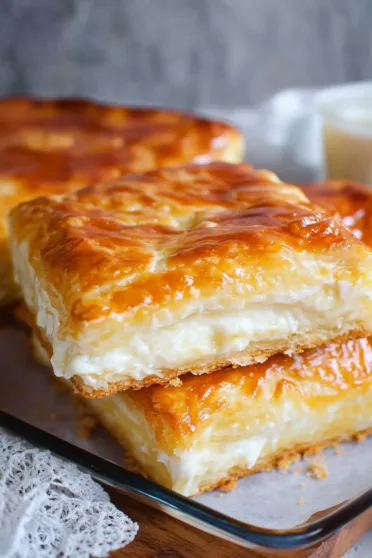
Credit: nodashofgluten.com
Frequently Asked Questions
Does Danish Pastry Need Refrigeration After Buying?
Danish pastries can be stored at room temperature for up to two days. Refrigeration is not necessary immediately but helps extend freshness beyond this period. Keep them in an airtight container to prevent drying out and preserve flavor.
How Long Can Danish Pastries Last Unrefrigerated?
Unrefrigerated Danish pastries last about 1 to 2 days. After this, they may dry out or become stale. For longer storage, refrigeration or freezing is recommended to maintain texture and taste.
Can Refrigeration Affect Danish Pastry Texture?
Yes, refrigeration can make Danish pastries slightly denser or drier. To restore softness, warm them briefly before eating. Proper storage in airtight containers minimizes texture changes during refrigeration.
Is It Safe To Refrigerate Danish With Cream Filling?
Danish pastries containing cream or custard fillings must be refrigerated. These fillings spoil quickly at room temperature, risking foodborne illness. Keep them chilled and consume within 1 to 2 days for safety.
Conclusion
Danish pastries taste best fresh and soft. Keep them at room temperature for one to two days. For longer storage, refrigeration helps keep them safe. Wrap them well to avoid drying out. Before eating, warm them up slightly for better flavor.
This way, you enjoy your Danish without worry. Simple steps keep your pastry fresh and tasty. Enjoy every bite with ease and care.