Have you ever wondered if your freezer can pull double duty and act as a refrigerator? Maybe you’re hosting a party and need extra space for drinks, or your fridge suddenly stopped working, leaving you in a pinch.
Whatever the reason, the idea of using your freezer as a refrigerator might have crossed your mind. But is it possible? More importantly, is it safe and effective? Before you make any changes, you need to know the facts. This guide will unravel the mystery, helping you make an informed decision.
Keep reading to discover whether your freezer can truly serve as a refrigerator and what you need to consider before making this switch.
Freezer Vs Refrigerator
Understanding the differences between a freezer and a refrigerator is key if you’re thinking about using one in place of the other. They may look similar, but their purposes and designs vary greatly. Let’s break down how these two appliances differ so you can decide what works best for your needs.
Temperature Differences
Freezers maintain a temperature below 0°F (-18°C), which is essential for keeping food frozen solid and safe for long-term storage. Refrigerators, on the other hand, operate between 35°F and 40°F (1.7°C to 4.4°C), a range that keeps food cool but not frozen.
Using a freezer as a refrigerator means your food could freeze unintentionally, changing its texture and flavor. Have you ever taken out a frozen tomato? It’s a clear sign that temperature settings matter.
Design And Functionality
Freezers are built to keep air very dry and cold, which helps prevent ice buildup and preserves frozen goods. Refrigerators are designed with compartments and shelves optimized for fresh produce, dairy, and leftovers, balancing humidity and cooling.
The way air circulates in each appliance differs too. Refrigerators often use fans to maintain consistent cooling without freezing the food, while freezers focus on maintaining a solid freeze. This design difference means you might struggle to keep fresh foods fresh in a freezer used as a fridge.
Energy Consumption
Freezers generally consume more energy because they maintain much lower temperatures constantly. Running a freezer as a refrigerator can lead to unnecessary energy use and higher utility bills.
Think about how often you open the door and the amount of cold air lost. Freezers have to work harder to bring the temperature back down. So, using a freezer as a fridge might feel like a quick fix, but it could cost you more in the long run.
Using Freezer As Refrigerator
Using a freezer as a refrigerator might seem like a handy idea, especially if you’re short on space or equipment. But is it really practical? Let’s break down what you need to consider before making this switch in your kitchen.
Feasibility And Limitations
Freezers are designed to keep food frozen, usually at temperatures below 0°F (-18°C). This is much colder than a refrigerator, which maintains temperatures between 35°F and 38°F (1.6°C to 3.3°C). Using a freezer as a fridge means your food might freeze, affecting texture and taste.
Another limitation is energy consumption. Freezers often use more power to maintain lower temperatures, so running one as a fridge could increase your electricity bill. Plus, most freezers lack adjustable temperature controls suited for refrigeration needs.
Adjusting Temperature Settings
Some freezers come with adjustable thermostats, allowing you to raise the temperature. If yours does, try setting it closer to typical fridge temperatures and monitor the results. Use a thermometer inside to check if the temperature stays within the safe range for fresh food storage.
Without precise controls, you risk keeping food too cold or not cold enough. Have you tried adjusting settings on your freezer before? It’s a simple test to see if it can double as a fridge, but be ready for trial and error.
Types Of Freezers Suitable
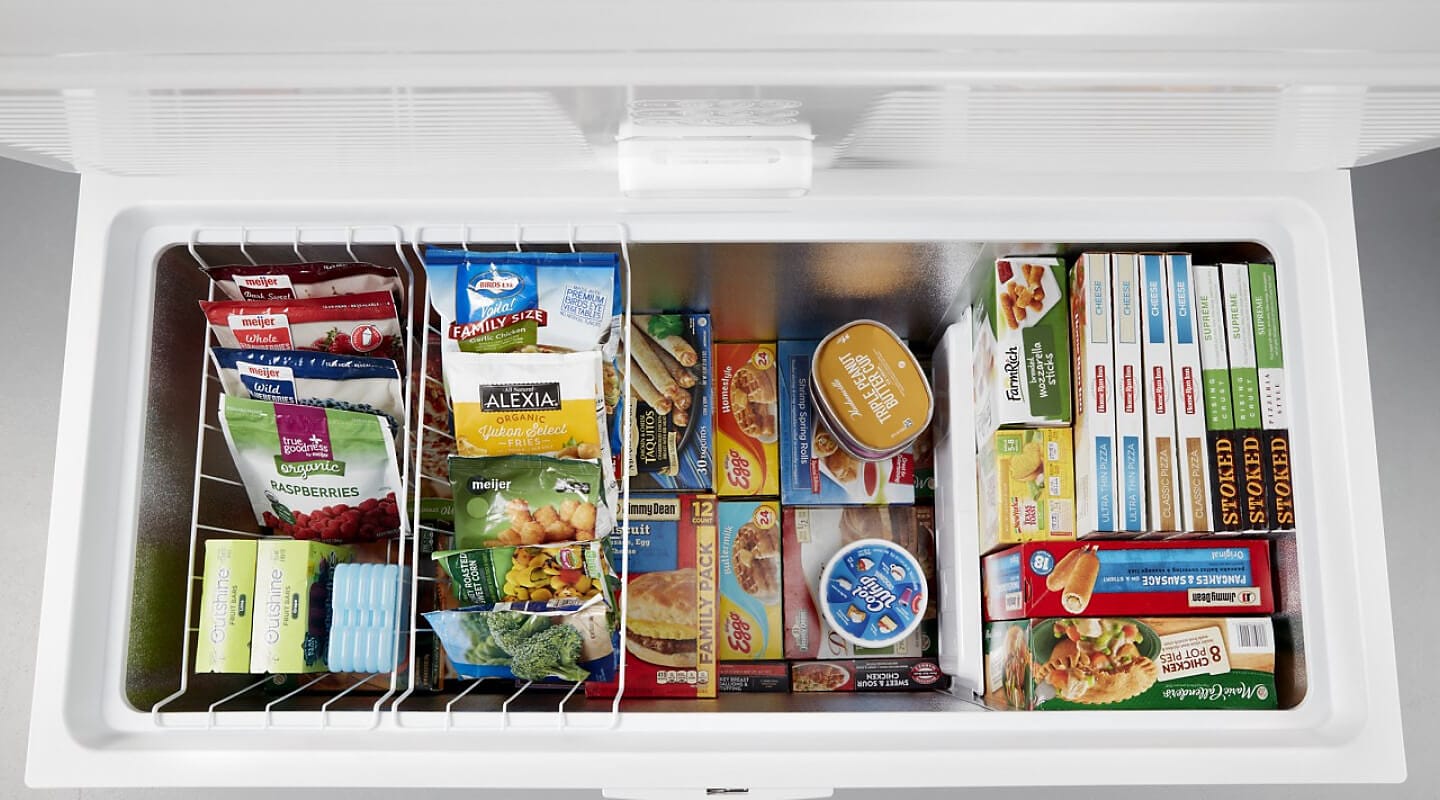
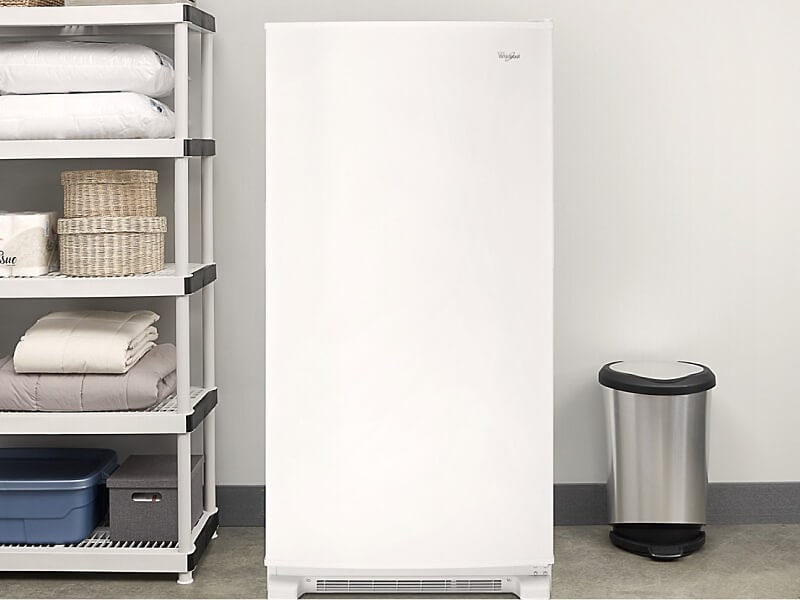
Not all freezers are the same. Upright freezers with adjustable thermostats are your best bet for adapting into a refrigerator. Chest freezers often lack easy temperature control and have uneven cooling, making them less ideal.
Also, frost-free models tend to maintain more consistent temperatures and require less maintenance. If you’re considering this switch, look for these features in your freezer to improve your chances of success.
Benefits And Drawbacks
Using a freezer as a refrigerator might seem like a clever way to save space or energy. However, this choice comes with clear benefits and notable drawbacks. Understanding both sides can help you decide if this unconventional approach fits your needs.
Pros Of Using Freezer For Refrigeration
- Energy Efficiency:Some freezers use less energy than older refrigerators, potentially lowering your electricity bill.
- Better Temperature Control:Freezers often maintain a more stable temperature, which can be useful for preserving certain foods.
- Extra Storage Space:If your fridge is full, using a freezer as a refrigerator gives you additional room for fresh items.
- Versatility:You can switch between freezing and cooling modes depending on your needs, if your appliance supports it.
I once tried using a small chest freezer as a fridge during a party. It kept drinks cold and fresh vegetables crisp all night, proving that this setup can work well in specific situations.
Cons And Risks To Consider
- Incorrect Temperature Range:Freezers are designed to keep temperatures below freezing, which can harm fresh produce if not adjusted properly.
- Energy Waste:Running a freezer on refrigerator settings may cause it to work harder, increasing your energy use.
- Food Safety Issues:Without proper temperature control, food can spoil faster or develop harmful bacteria.
- Potential Damage to Appliance:Using a freezer outside its intended purpose might reduce its lifespan or cause mechanical problems.
Have you ever noticed frost building up faster than usual or food getting too cold to eat? That’s a sign your freezer isn’t serving well as a fridge. It’s crucial to monitor temperatures closely to avoid these pitfalls.
Credit: www.whirlpool.com
Smart Tips For Conversion
Converting a freezer to function as a refrigerator can be a smart and cost-effective choice, but it requires careful attention to detail. You need to manage the temperature, organize the interior smartly, and maintain the appliance properly to ensure food stays fresh and safe. Let’s dive into some practical tips that can help you make this transition smooth and effective.
Temperature Monitoring
Freezers are designed to keep things much colder than refrigerators, so adjusting and monitoring the temperature is crucial. Set your freezer’s thermostat to around 35°F to 40°F (1.7°C to 4.4°C), which is the ideal range for a refrigerator.
Use a separate thermometer inside to keep an eye on the actual temperature, as the built-in gauge may not be accurate enough for this purpose. Have you checked if your freezer’s temperature dial allows fine control? If not, consider installing an external temperature controller to avoid food spoilage.
Proper Organization Inside
Since freezers usually have less shelving and are designed for frozen items, organizing your food differently is essential. Use stackable bins or baskets to separate fruits, vegetables, dairy, and leftovers, making everything easy to find.
Keep frequently used items near the front to reduce how often you open the door, helping maintain a stable temperature. Think about adding adjustable shelves or door racks to maximize space efficiently. How would reorganizing your food improve your daily kitchen routine?
Maintenance And Defrosting
Freezers typically accumulate frost faster when used as refrigerators, which can affect cooling efficiency and storage space. Regularly check for frost buildup and defrost the unit as soon as you notice ice forming.
Cleaning the interior and seals also helps maintain proper airflow and keeps odors at bay. Make it a habit to wipe down shelves and door gaskets every few weeks to extend the life of your converted appliance and keep your food fresh.
Food Safety And Storage
Using a freezer as a refrigerator affects how food stays safe and fresh. These appliances keep food at different temperatures. This difference changes how long food lasts and how to store it properly. Understanding food safety and storage is important. It helps prevent food spoilage and health risks.
Shelf Life Differences
Freezers keep food below 0°F (-18°C). Refrigerators keep food between 35°F and 40°F (1.6°C to 4.4°C). Cold temperatures slow down bacteria growth. Freezing stops bacteria from growing but does not kill them.
Food in a freezer lasts much longer than in a refrigerator. For example, raw meat can last up to 6 months in a freezer but only 1-2 days in a fridge. Fresh vegetables last about a week in a fridge but can last months frozen.
Avoiding Spoilage
Food spoils when bacteria multiply or enzymes break down food. Keeping food at the right temperature slows this process. Freezing food stops spoilage but can change texture and taste.
Store food in airtight containers or freezer bags to avoid freezer burn. Label food with dates to track freshness. Avoid opening the freezer or fridge often. This keeps the temperature stable and food safe.
Best Foods To Store
- Meat and poultry – freeze to keep longer
- Fruits and vegetables – freeze after washing and cutting
- Cooked meals – freeze in small portions
- Dairy products – some freeze well, like butter and cheese
- Breads and baked goods – freeze to prevent mold
Foods with high water content may not freeze well. Eggs and soft cheeses can change texture in the freezer.
Credit: www.whirlpool.com
Energy Efficiency Insights
Energy efficiency plays a key role in choosing between a freezer and a refrigerator. Both appliances consume electricity, but their designs suit different cooling needs. Understanding energy use helps save money and reduce environmental impact.
Freezers maintain lower temperatures than refrigerators, which affects energy use. Using a freezer as a refrigerator changes how the appliance runs and how much power it needs.
Comparing Costs
Freezers often use more energy than refrigerators. They keep temperatures below freezing, requiring more power. Running a freezer as a refrigerator can increase electricity bills. Refrigerators use less energy because they cool at higher temperatures. Choosing the right appliance for your needs saves money over time.
Optimizing Usage
- Keep the door closed to maintain temperature.
- Avoid overloading to allow air circulation.
- Set temperature controls properly for food type.
- Place the appliance away from heat sources.
- Regularly clean coils to improve efficiency.
Adjusting settings and habits can improve energy use. Using a freezer as a fridge requires careful temperature control to avoid waste.
Environmental Impact
Higher energy consumption increases carbon footprints. Using appliances efficiently reduces greenhouse gas emissions. Choosing energy-efficient models supports environmental health. Proper disposal and recycling of old appliances prevent pollution. Small changes in appliance use contribute to larger environmental benefits.
Alternative Solutions
Using a freezer as a refrigerator is not ideal for many reasons. Luckily, there are alternative solutions to keep your food fresh and cool. These options fit different needs and budgets. They also save energy and prevent food spoilage.
Mini Refrigerators
Mini refrigerators are small and compact. They use less energy than full-sized fridges. Perfect for small spaces like dorm rooms or offices. They keep food at safe temperatures without freezing it. You can find models with adjustable thermostats. This lets you control how cold the fridge gets.
Coolers And Ice Packs
Coolers are portable and easy to use. Just add ice packs to keep your food cold. Great for short-term cooling needs or outdoor trips. Choose coolers with good insulation to hold cold longer. Ice packs are reusable and mess-free. They do not melt like regular ice, keeping the cooler dry.
Upgrading Appliances
Upgrading to a modern refrigerator is a smart choice. New models use advanced technology for better cooling. They save energy and offer more storage options. Look for energy-efficient ratings to cut electricity costs. Some models have smart features for convenience. Investing in a good fridge protects your food and health.
Credit: www.whirlpool.com
Frequently Asked Questions
Can A Freezer Replace A Refrigerator Temporarily?
Yes, a freezer can temporarily function as a refrigerator by adjusting its temperature. Set it to around 35-40°F (2-4°C). However, this is not ideal long-term due to energy inefficiency and possible appliance wear.
What Happens If You Use A Freezer As A Fridge?
Using a freezer as a fridge may cause inconsistent temperatures. It can lead to food spoilage or freezing. Freezers are designed for colder storage, so this setup risks damaging fresh produce and dairy.
Can Freezer Shelves Hold Refrigerator Food Safely?
Freezer shelves can hold refrigerator food, but space and airflow differ. Shelves may be too cold for fresh items. Always monitor temperature and avoid crowding to prevent uneven cooling and food safety issues.
How Do You Adjust A Freezer To Act Like A Fridge?
To adjust a freezer as a fridge, lower its cooling setting. Use the temperature control dial to reach 35-40°F (2-4°C). Monitor with a thermometer to ensure safe food storage temperatures.
Conclusion
Using a freezer as a refrigerator can work for short times. Freezers keep food cold but not at ideal fridge temperatures. This can affect food taste and safety. Keep an eye on your food to avoid spoilage. For long-term use, a proper refrigerator is best.
Know your appliance limits to keep food fresh and safe. Choose the right option for your needs and space. Simple steps help protect your food and health.