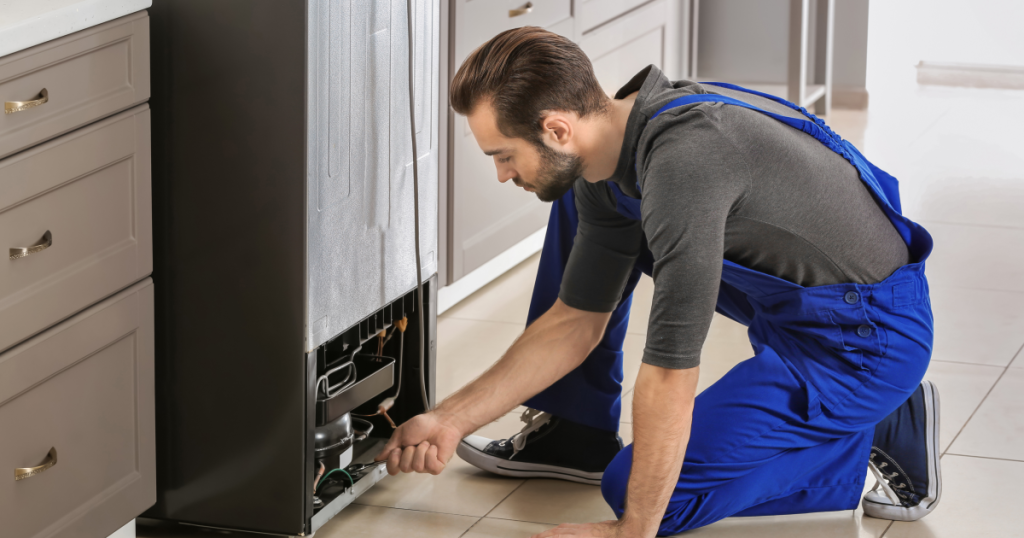
You open your refrigerator, expecting a chilled oasis for your groceries, but instead, you find an unexpected puddle on the floor. Frustration sets in as you wonder, “Why does my refrigerator leak?”
You’re not alone. Many homeowners face this puzzling issue, and the solution might be simpler than you think. Understanding the cause of your refrigerator’s leak can save you time, money, and a lot of stress. You’ll discover the common culprits behind this problem and learn how to fix them without needing a professional.
Curious about how to stop the leaks and keep your kitchen dry? Keep reading, and you’ll find the answers you need.

Credit: www.youtube.com
Common Leak Sources
Refrigerator leaks can come from several common sources. Knowing these sources helps spot problems early. Fixing leaks quickly saves food and prevents damage to your floor. Here are some frequent causes of leaks inside refrigerators.
Clogged Defrost Drain
The defrost drain removes water created during the defrost cycle. Dirt and food particles can block this drain. Water then pools inside or under the fridge. Cleaning the drain with warm water or a pipe cleaner often stops leaks.
Damaged Door Seals
Door seals keep cold air inside and moisture out. Broken or cracked seals let warm air enter. This causes condensation and water buildup near the fridge. Inspect seals and replace them if they look worn or torn.
Blocked Drain Pan
The drain pan collects water from defrosting. Dust or debris can clog the pan or its drain holes. Water overflows and leaks onto the floor. Regular cleaning of the drain pan prevents water from spilling.
Frozen Drain Tubes
Drain tubes carry melted water to the drain pan. Sometimes these tubes freeze shut. Water can’t flow out and leaks inside the fridge. Thawing the tubes with warm water or a hairdryer clears blockages and stops leaks.

Credit: www.youtube.com
How To Spot Leaks
Spotting a leak in your refrigerator early can save you from costly repairs and messy floors. It’s not always obvious where the water is coming from, so knowing where to look is key. Let’s break down how you can identify leaks around your fridge before they become a bigger problem.
Checking Interior Floors
Start by looking inside your refrigerator at the bottom. Pools of water or damp spots on the floor inside indicate a leak or condensation buildup. Check the drip pan too—sometimes it overflows or cracks, causing water to spill inside.
If you notice water inside, ask yourself: Is the door sealing properly? Or could something be blocking the drain hole? These small issues often cause water to collect on the floor rather than draining away.
Inspecting Door Gaskets
Door gaskets are the rubber seals that keep cold air in and moisture out. If these seals are cracked, dirty, or warped, warm air can sneak in and cause condensation that looks like a leak. Run your fingers around the gasket to feel for gaps or damage.
Another quick test: Close the door on a piece of paper and try to pull it out. If it slides out easily, the gasket might not be sealing tightly. Have you checked your gasket recently? A simple clean or replacement can stop leaks instantly.
Looking Underneath The Fridge
Water pooling under the fridge can come from several sources. Pull your fridge out carefully and look underneath for standing water or wet spots. A clogged or frozen defrost drain often causes leaks here.
Also, inspect the water supply line if your fridge has an ice maker or water dispenser. A loose connection or crack can drip water slowly but steadily. Have you ever found a hidden drip under your fridge that you didn’t expect?
Quick Fixes
Refrigerator leaks can cause mess and damage. Quick fixes often solve the problem fast. These fixes need little time and simple tools. Try these steps to stop the leak and keep your fridge working well.
Clearing The Drain Line
The drain line removes water from the fridge. It can get clogged by food or dirt. Clear it using warm water and a thin brush. This helps water flow freely and stops leaks.
Replacing Door Seals
Door seals keep cold air inside the fridge. Damaged seals let warm air in, causing water build-up. Check seals for cracks or tears. Replace old seals with new ones to prevent leaks.
Cleaning The Drain Pan
The drain pan collects water from the fridge. Dirt and mold can build up in the pan. Remove the pan and clean it with soap and water. Dry it well before putting it back.
Thawing Frozen Components
Frozen parts block water flow inside the fridge. This causes water to leak outside. Defrost the fridge by turning it off. Let the ice melt naturally, then clean any water inside.
Preventing Future Leaks
Preventing future leaks in your refrigerator helps keep your kitchen dry and your food safe. Small actions can stop leaks before they start. Consistent care and attention make a big difference over time.
Regular Maintenance Tips
Clean the drip pan and drain hole every month. Wipe away dirt and debris that block water flow. Check the door seals for cracks or damage. Replace seals if they do not close tightly. Keep the fridge coils dust-free to improve cooling. This reduces frost buildup that causes leaks.
Proper Fridge Leveling
Use a level tool to check the fridge’s position. Ensure the fridge sits evenly on the floor. A tilted fridge can cause water to pool and leak. Adjust the feet or wheels until it is balanced. Proper leveling helps water drain correctly.
Avoiding Overloading
Do not pack the fridge too full. Overloading blocks air vents and stops cold air circulation. This creates excess moisture inside the fridge. Store food with space between items for airflow. Remove expired or unused items regularly. A balanced load keeps your fridge dry and leak-free.
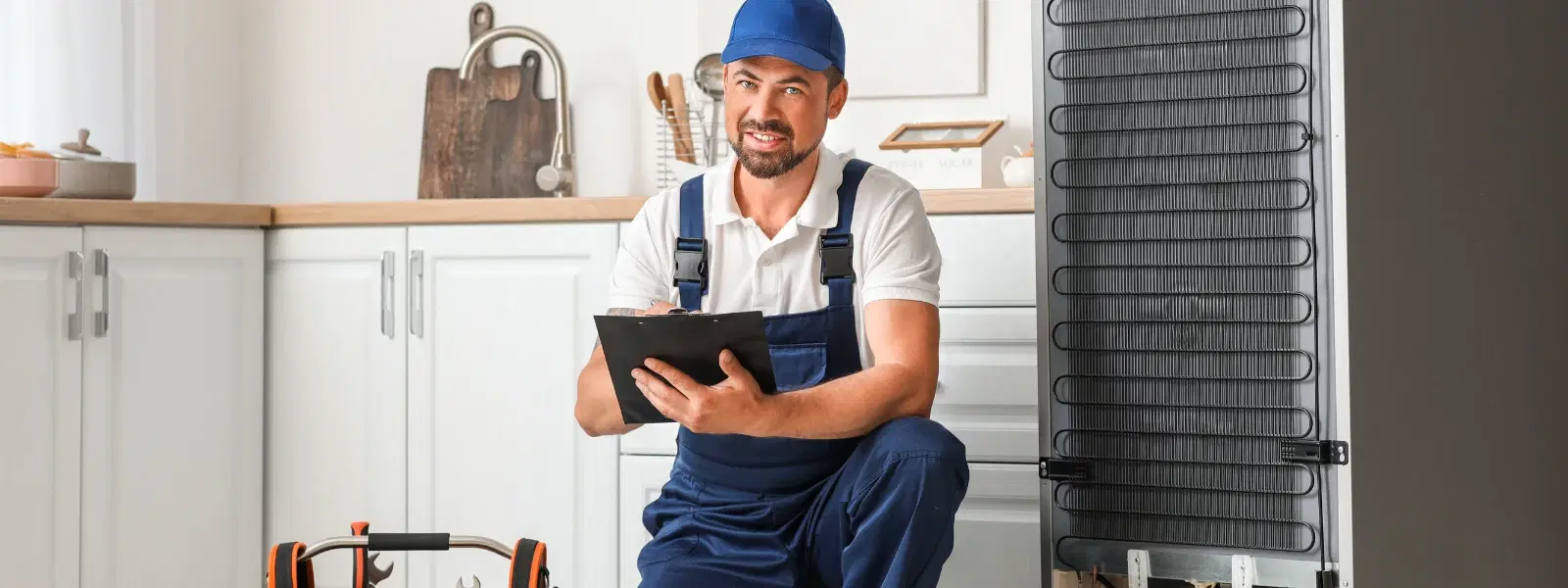
Credit: www.tataneu.com
Frequently Asked Questions
Why Is My Refrigerator Leaking Water Inside?
A leaking refrigerator often means a clogged or frozen defrost drain. Water can’t drain properly, causing leaks inside. Cleaning the drain hole and thawing ice buildup usually fixes this issue.
Can A Faulty Door Seal Cause Fridge Leaks?
Yes, a damaged or dirty door seal lets warm air in. This causes condensation and water buildup inside the fridge. Replacing or cleaning the seal prevents leaks and saves energy.
How Does A Blocked Drain Pan Cause Leaks?
The drain pan collects excess water from defrost cycles. If it’s cracked or overflowing, water leaks onto the floor. Inspecting and replacing a damaged drain pan stops leaks effectively.
Does Improper Fridge Leveling Lead To Leaks?
Yes, if the fridge isn’t level, water may flow out instead of draining properly. Adjusting the fridge’s feet ensures correct drainage and prevents water leakage.
Conclusion
A leaking refrigerator can cause many problems at home. Check the door seals and drain pan regularly. Clean the drain hole to stop water buildup. Avoid placing hot food inside, as it creates excess moisture. Fix small leaks quickly to prevent bigger damage.
Simple care can keep your fridge working well for years. Stay alert to signs of leaks to save money and stress. A dry, clean fridge means better food and less hassle.