
Have you ever found yourself standing in front of your fridge, Gouda cheese in hand, wondering if it really needs to stay chilled? You’re not alone.
This common question can leave many cheese lovers scratching their heads. You might worry about the cheese losing its flavor or, worse, spoiling if left out. But before you make any decisions, let’s dive into the facts. Understanding how to properly store your Gouda can not only enhance its taste but also prevent unnecessary waste.
Stick around, and you’ll discover the secrets to keeping your Gouda fresh and delicious, whether it’s in or out of the fridge. Your taste buds will thank you!
Gouda Basics
Understanding the basics of Gouda is key before deciding how to store it. This cheese comes in various forms, each with unique traits that affect its shelf life and the need for refrigeration. Let’s break down what makes each type of Gouda different and why texture and moisture play a big role in storage choices.
Types Of Gouda
Gouda isn’t just one cheese but a range of cheeses that vary by age and style. You’ll find:
- Young Gouda:Mild and creamy, usually aged for 4 weeks to 2 months.
- Aged Gouda:Firmer and more flavorful, aged anywhere from 6 months to over a year.
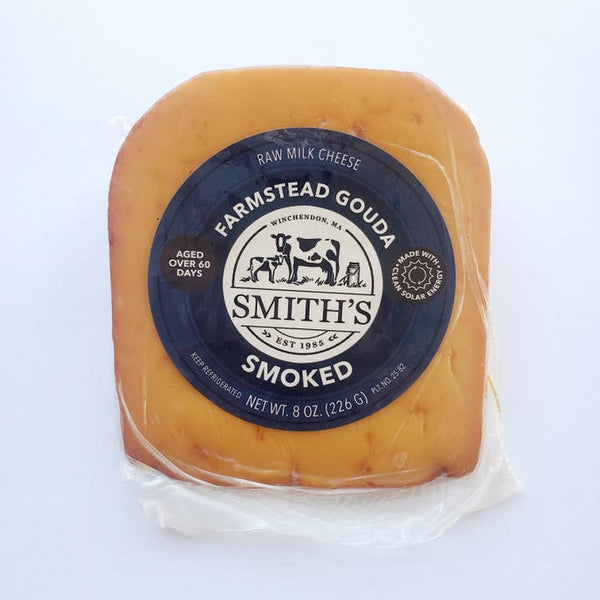
- Smoked Gouda:Adds a smoky flavor, often aged moderately.
Each type changes in taste and texture as it ages. Have you noticed how aged Gouda packs a stronger flavor punch compared to the young kind? This difference can influence how you store it and how long it lasts.
Texture And Moisture Content
The texture and moisture content of Gouda affect its shelf life significantly. Young Gouda is softer and contains more moisture, making it more perishable. Aged Gouda, by contrast, is drier and harder, which helps it last longer outside the fridge for short periods.
Think about the last time you left a block of young Gouda out on the counter—it probably got soft or developed a slight odor quickly. That’s the moisture working against its freshness. Understanding this can help you decide whether refrigeration is necessary based on the Gouda type you have.
Credit: patspastured.com
Refrigeration Needs
Gouda cheese should be stored in the refrigerator to keep it fresh longer. Keeping it cold slows down spoilage and maintains its flavor. Wrap it well to prevent drying out and odors from other foods.
Understanding how to store Gouda cheese is key to keeping its taste and texture. Gouda is sensitive to temperature changes. Storing it correctly helps maintain its quality and safety. Different types of Gouda require different care when it comes to refrigeration.
Knowing the right temperature and storage method can extend the cheese’s freshness. Improper storage can cause the cheese to spoil or lose flavor. Let’s explore how fresh and aged Gouda differ in their refrigeration needs. Also, see how temperature affects the flavor of this beloved cheese.
Fresh Vs Aged Gouda
Fresh Gouda has a soft and creamy texture. It contains more moisture than aged Gouda. This moisture makes fresh Gouda more perishable. It needs to be kept in the refrigerator to prevent spoilage.
Aged Gouda is firmer and drier. It can last longer outside the fridge but only for short periods. Still, storing aged Gouda in the refrigerator is best to keep its flavor intact. Leaving aged Gouda out too long can cause it to dry out or develop unwanted mold.
- Fresh Gouda: Store in refrigerator, tightly wrapped.
- Aged Gouda: Refrigerate for longer shelf life; can be out briefly.
How Temperature Affects Flavor
Temperature plays a big role in Gouda’s taste and texture. Too cold can dull the cheese’s flavor. Too warm can make it spoil quickly.
Ideal refrigeration temperature is between 34°F and 38°F (1°C to 3°C). This range keeps Gouda fresh without freezing it. Freezing Gouda changes its texture and makes it crumbly.
Before eating, let Gouda sit at room temperature for 20 minutes. This step helps the cheese release its full flavor. Serving Gouda too cold hides its rich taste and aroma.
Proper Storage Methods
Proper storage methods for Gouda cheese are key to maintaining its rich flavor and creamy texture. Without the right approach, your cheese can dry out, develop unwanted mold, or lose its characteristic taste. How you wrap and contain your Gouda directly affects its shelf life and quality.
Wrapping Techniques
Wrapping Gouda correctly helps keep moisture in while allowing the cheese to breathe. Avoid using plastic wrap tightly pressed against the cheese, as it can trap moisture and encourage mold growth.
Instead, try these techniques:
- Use wax paper or parchment paper to wrap the cheese. These materials protect the cheese while letting it breathe.
- After wrapping in paper, loosely cover the cheese with a layer of aluminum foil or place it in a plastic bag without sealing it completely. This adds extra protection without suffocating the cheese.
- Check your wrapped Gouda regularly. If the paper becomes damp, replace it to prevent spoilage.
Ideal Containers
The container you choose can make a big difference in how long your Gouda stays fresh. Airtight containers might seem like a good choice but can trap moisture and cause the cheese to sweat.
Better options include:
- Cheese boxes with small ventilation holes designed to balance humidity and air circulation.
- Plastic containers lined with a paper towel to absorb excess moisture, which you should replace often.
- Glass containers that allow you to see the cheese and monitor its condition easily while maintaining a stable environment.
Have you noticed how some cheeses last longer in specific containers? Experimenting with different storage tools could help you find what works best for your Gouda. Keeping your cheese in the right wrap and container preserves its flavor and texture longer, so you get to enjoy every bite.

Credit: order.earthfare.com
Shelf Life Expectations
Understanding how long Gouda cheese lasts helps you enjoy it at its best. Shelf life depends on storage conditions. Proper care keeps the cheese fresh and tasty. Let’s explore how Gouda fares without and with refrigeration.
Unrefrigerated Gouda
Gouda left out at room temperature lasts only a few hours. Warm air speeds up spoilage. The cheese may become soft and develop an off smell. Bacteria grow faster without cold storage. Avoid keeping Gouda unrefrigerated for more than 2 hours.
Refrigerated Gouda
When stored in the fridge, Gouda lasts much longer. Wrapped tightly in wax paper or plastic wrap, it stays fresh for 3 to 4 weeks. The cold slows down mold and bacterial growth. Keep Gouda in the cheese drawer or a sealed container. This preserves flavor and texture effectively.
Signs Of Spoilage
Knowing the signs of spoilage helps keep Gouda safe to eat. Spoiled Gouda can cause stomach problems. It is important to check the cheese often. Look for clear signs before eating or serving it.
Visual Changes
Fresh Gouda has a smooth, creamy surface. Spoiled Gouda may show spots of mold. Mold can be white, green, or blue. The cheese surface might become slimy or sticky. Color changes, like darkening or yellowing, also signal spoilage. Small cracks or dryness mean the cheese is old.
Smell And Texture
Gouda normally smells mild and slightly nutty. A sour or ammonia-like smell means it has gone bad. The texture should be firm but smooth. If it feels mushy or crumbly, it is spoiled. Sticky or slimy texture also shows it is unsafe. Trust your senses to detect these changes early.

Credit: www.gianteagle.com
Tips For Serving Gouda
Serving Gouda properly enhances its flavor and texture. Simple tips make your cheese experience better. This section covers how to prepare and pair Gouda for best taste.
Bringing To Room Temperature
Cold Gouda hides its full flavor. Let it sit outside the fridge for 30-60 minutes. This warms the cheese evenly. Softens the texture. Makes the taste richer and creamier. Avoid leaving it too long to prevent spoilage.
Pairing Suggestions
Gouda works well with many foods. Try these combinations for a balanced taste:
- Fresh fruits like apples, pears, or grapes
- Nuts such as almonds or walnuts
- Crackers or crusty bread
- Cured meats like salami or prosciutto
- Sweet jams or honey to add contrast
- Light red wines or crisp white wines
These pairings highlight Gouda’s nutty and creamy notes. Experiment with flavors to find your favorite match.
Frequently Asked Questions
Does Gouda Cheese Require Refrigeration After Opening?
Yes, Gouda cheese should be refrigerated after opening. Keeping it cold slows bacterial growth and preserves its flavor and texture. Wrap it tightly in wax paper or cheese paper, then place it in an airtight container to maintain freshness and prevent drying out.
How Long Does Gouda Last In The Fridge?
Gouda can last 2 to 3 weeks in the refrigerator if stored properly. Always keep it wrapped securely and in a cool part of the fridge. Check for mold or off smells before consuming, as these indicate spoilage.
Can Gouda Be Stored At Room Temperature?
Unopened, Gouda can be stored at room temperature for a short time, up to a day or two. However, once opened, it should be refrigerated to prevent spoilage and maintain quality. Avoid prolonged exposure to heat or sunlight.
What Is The Best Way To Store Gouda Cheese?
Wrap Gouda in wax or parchment paper, then place it in a plastic bag or airtight container. Store it in the fridge’s cheese drawer or a cool, humid area. This method helps maintain moisture and prevents unwanted odors.
Conclusion
Gouda cheese tastes best when stored properly. Keep it in the fridge to stay fresh longer. Wrap it tightly to stop it from drying out. Room temperature can make it spoil faster. Small pieces may last outside for short times.
Always check for mold or bad smell before eating. Proper storage keeps Gouda tasty and safe. Enjoy your cheese with confidence by storing it right. Simple steps make a big difference in quality.