Have you ever opened your refrigerator only to find water droplets clinging to the shelves and walls? This isn’t just an annoying inconvenience; it’s a sign of condensation.
But what exactly causes this? Understanding the root of the problem can save you from potential food spoilage and unnecessary energy costs. Imagine never having to wipe down your refrigerator again, or worrying about that mysterious puddle at the bottom.
You’ll discover the common culprits behind condensation in refrigerators and learn how to tackle them effectively. Stick around, because solving this mystery could make your kitchen life a lot more efficient and hassle-free.
How Condensation Forms
Understanding how condensation forms inside your refrigerator can help you manage it better and keep your food fresh. Condensation happens when moisture in the air turns into liquid water, usually on cold surfaces. This simple change is driven by a few key factors inside your fridge.
Role Of Temperature Differences
Condensation forms mainly because of temperature differences inside your fridge. When warm, moist air meets the cold surfaces like shelves or walls, it cools down quickly. This cooling causes the moisture in the air to turn into tiny water droplets.
Think about opening the fridge door on a hot day. Warm air rushes in and hits the cold interior, leading to condensation. This is why your fridge might look foggy or have water drops after you open it frequently.
Humidity Levels Inside The Fridge
The amount of moisture in the air inside your fridge plays a big role in condensation. High humidity means more water vapor is present, which can easily condense on cold surfaces. Storing uncovered fruits or vegetables can increase humidity inside.
You can reduce this by covering food or using containers. This simple step helps lower humidity and prevents excess moisture buildup. Have you noticed how sealed containers keep your fridge drier?
Air Circulation Impact
Good air circulation inside your fridge helps control condensation. When air moves freely, moisture spreads evenly and doesn’t settle on surfaces. Poor circulation causes pockets of humid air to form, increasing condensation in those spots.
Make sure your fridge isn’t overcrowded and vents aren’t blocked. This helps air flow smoothly and reduces wet spots. How often do you check if your fridge shelves are too packed?

Credit: www.fcbios.com.my
Common Causes Of Fridge Condensation
Condensation inside your refrigerator can be more than just a minor annoyance. It often signals underlying issues that affect your fridge’s efficiency and the safety of your food. Understanding the common causes of fridge condensation helps you address the problem quickly and keep your appliance running smoothly.
Frequent Door Opening
Every time you open your fridge door, warm, moist air from your kitchen rushes inside. This sudden change causes water vapor to condense on the cold surfaces within the fridge. If you find condensation building up, consider how often you open the door—could you be letting in more moisture than necessary?
Faulty Door Seals
Door seals play a crucial role in keeping your fridge airtight. When these seals wear out or get damaged, warm air sneaks in continuously, leading to condensation. Have you checked your door seals lately? Even a small gap can cause noticeable moisture buildup inside.
Blocked Vents
Air circulation inside your fridge depends on clear vents. Blocked vents restrict airflow, causing uneven cooling and moisture to gather in certain areas. Look inside your fridge: are any vents covered by food containers or ice buildup? Clearing these vents can reduce condensation significantly.
Improper Temperature Settings
Setting your fridge temperature too low or too high can cause condensation problems. If it’s too warm, moisture won’t freeze properly; if it’s too cold, frost can form and melt into water. Are you sure your fridge is set to the ideal temperature, usually between 37°F and 40°F (3°C to 4°C)? Adjusting this can make a big difference.
Effects Of Excess Moisture
Excess moisture inside refrigerators creates several problems. It affects food quality, appliance performance, and energy use. Understanding these effects helps maintain a healthy fridge and reduce waste.
Food Spoilage Risks
Moisture promotes mold and bacteria growth on food. Wet conditions cause fruits and vegetables to rot faster. Leftover water can soak packaging, leading to quicker spoilage. This results in wasted food and added costs.
Ice Buildup Issues
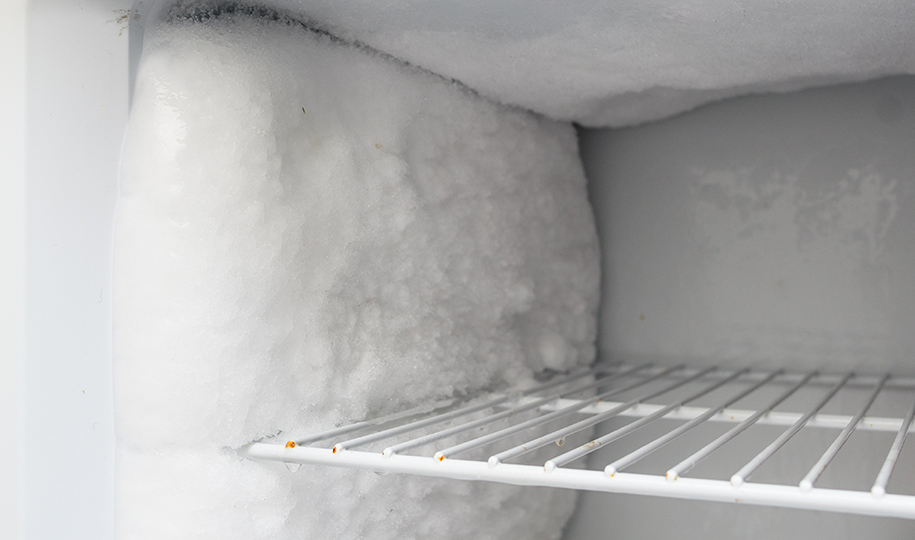
High moisture levels cause frost and ice to form inside the freezer. Ice buildup blocks air vents and reduces cooling efficiency. It also makes it hard to open and close doors properly. Defrosting becomes necessary more often, which is time-consuming.
Energy Efficiency Drop
Excess moisture forces the refrigerator to work harder. The compressor runs longer to remove humidity and keep temperatures stable. This increases electricity consumption and raises utility bills. Over time, it can reduce the fridge’s lifespan.
Preventing Condensation
Condensation inside your refrigerator can be more than just a minor annoyance; it can affect food quality and even lead to mold growth. Preventing condensation requires a mix of simple habits and regular maintenance. Let’s look at practical ways to keep moisture at bay and your fridge running smoothly.
Maintaining Door Seals
Check your refrigerator door seals regularly for cracks or gaps. A faulty seal lets warm air inside, causing moisture to form as it cools. Cleaning the seals with warm, soapy water can improve their grip and stop leaks.
If you notice the door doesn’t close tightly, replacing the seal might be necessary. Have you ever felt a cold draft around your fridge door? That’s a clear sign to inspect the seals.
Controlling Humidity Levels
High humidity in your kitchen can make condensation worse inside the fridge. Using a dehumidifier or increasing ventilation can reduce the moisture in the air around your refrigerator. You might also want to avoid leaving the fridge door open for long periods.
Think about how often you open your fridge during cooking or meal prep. Could reducing this help lower condensation?
Proper Storage Techniques
Store food in airtight containers to minimize moisture escaping inside the fridge. Avoid placing hot or warm food directly in the refrigerator, as this adds extra humidity. Also, try not to overcrowd shelves; air needs space to circulate.
Have you noticed how condensation tends to form more in certain parts of your fridge? Rearranging your items can sometimes solve this issue.
Regular Cleaning Tips
Clean the inside of your refrigerator regularly to remove spills and food residues that attract moisture. Wiping down surfaces with a mild cleaner helps prevent mold and mildew. Don’t forget to clean the drip pan and vents where water can collect unnoticed.
When was the last time you gave your fridge a thorough cleaning? Small efforts here can greatly reduce condensation problems.
When To Call A Technician
Knowing when to call a technician for your refrigerator can save you from bigger problems later. Some issues might look minor but can signal deeper mechanical or electrical faults. Paying attention to specific signs helps you decide if it’s time to get professional help.
Persistent Moisture Problems
If you notice water droplets or fog inside your fridge that don’t go away after cleaning or adjusting the door seal, it’s a red flag. Persistent moisture can lead to mold growth and damage your food. A technician can check for hidden leaks, faulty door gaskets, or drainage blockages causing this problem.
Unusual Noises Or Frost
Strange sounds like buzzing, clicking, or rattling coming from your refrigerator are not normal and often mean something is wrong. Excessive frost buildup inside the freezer, especially when it appears quickly, can also indicate a malfunction. These signs usually mean the defrost system or compressor needs inspection or repair by an expert.
Temperature Fluctuations
Is your fridge not keeping food cold enough or freezing items unexpectedly? Temperature swings can spoil your groceries and raise your energy bill. If adjusting the thermostat doesn’t help, a technician should evaluate the thermostat sensor, compressor, or refrigerant levels to restore stable cooling.
Credit: homewarranty.firstam.com
Credit: www.thesealcompany.co.uk
Frequently Asked Questions
Why Does Condensation Form Inside My Refrigerator?
Condensation forms when warm, moist air enters the fridge. The cold surfaces cause the moisture to turn into water droplets. This often happens if the door is opened frequently or left ajar.
How Does Refrigerator Temperature Affect Condensation?
If the temperature is too high, it encourages moisture buildup. Proper cooling reduces humidity inside, minimizing condensation. Keeping the fridge between 35-38°F helps prevent excess moisture and water droplets.
Can A Faulty Door Seal Cause Refrigerator Condensation?
Yes, a damaged or loose door seal lets warm air inside. This increases humidity and leads to condensation. Regularly check and replace seals to maintain an airtight fridge environment.
Does Frequent Door Opening Increase Condensation Inside?
Opening the door often lets warm, humid air enter. This moisture condenses on cold surfaces inside the fridge. Limiting door openings helps reduce condensation and keeps food fresh longer.
Conclusion
Condensation in refrigerators happens when warm air meets cold surfaces. It causes water droplets to form inside the fridge. This can lead to mold and spoilage of food. Keeping the door closed helps reduce warm air entering. Regularly cleaning the fridge and checking seals also prevents moisture buildup.
Understanding these simple causes can keep your fridge dry and fresh. Small steps make a big difference in avoiding condensation. Stay aware and protect your food from excess moisture.