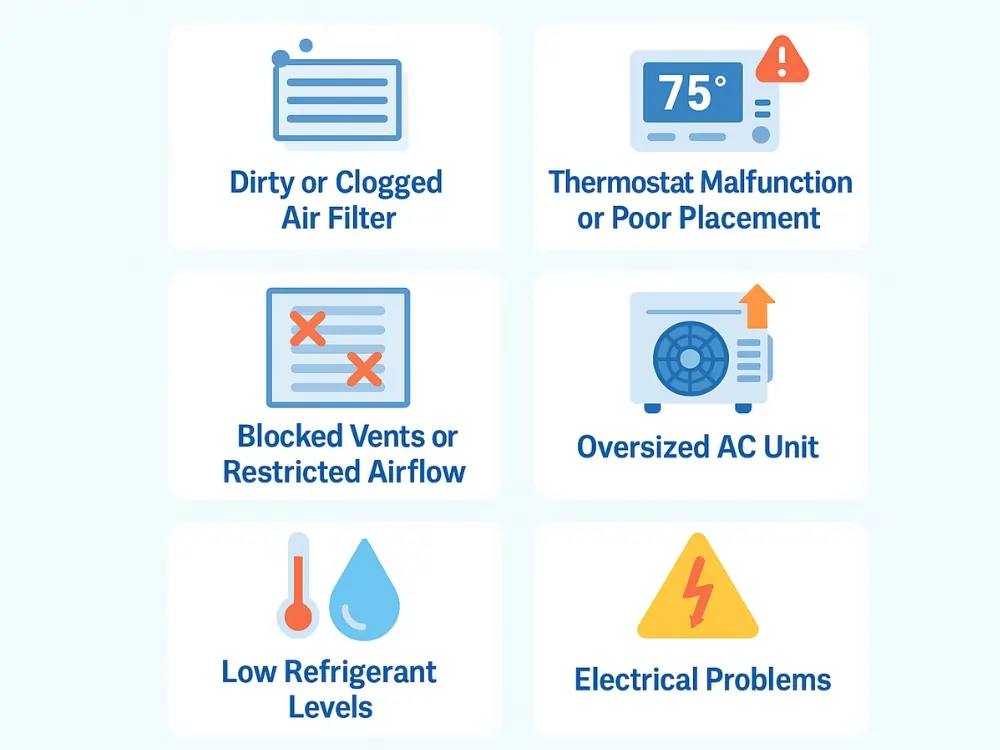
When your air conditioner isn’t cooling like it used to, it can be frustrating and uncomfortable. One common culprit for this issue is low refrigerant levels.
But what causes low refrigerant in your AC? Understanding this problem can save you from sweltering days and costly repairs. You might be surprised by how simple the underlying causes can be. We’ll delve into the reasons behind low refrigerant levels, helping you identify and address the root causes.
By the end, you’ll be equipped with the knowledge to keep your AC running smoothly, ensuring comfort in your home. Ready to uncover the secrets behind your AC troubles? Keep reading to learn more!
Common Causes Of Low Refrigerant
Low refrigerant levels in your AC can cause the system to struggle, leading to poor cooling and higher energy bills. Understanding the common causes of low refrigerant helps you spot issues early and avoid costly repairs. Let’s look closely at what typically leads to this problem.
Leaks In The System
Leaks are the most frequent reason for low refrigerant in an AC. Small cracks or holes in the coils, pipes, or connections allow refrigerant to escape over time.
Have you ever noticed your AC running longer than usual without cooling properly? That might indicate a leak. Detecting leaks early can save your system from serious damage.
Improper Installation
If your AC wasn’t installed correctly, refrigerant levels can be off from the start. Poor sealing or loose fittings during installation often cause slow leaks.
Many homeowners overlook this, but proper installation is crucial. Always ensure your technician follows manufacturer guidelines and checks for tight seals.
Wear And Tear Over Time
Even the best-maintained AC units experience wear and tear. Components like O-rings and gaskets degrade, leading to refrigerant loss.
Regular maintenance helps catch these issues before they become severe. Ask your technician to inspect these parts during routine check-ups.
Manufacturing Defects
Sometimes, the problem starts at the factory. Manufacturing defects in coils or valves can cause tiny leaks that worsen over time.
If your unit is new but losing refrigerant, don’t dismiss the possibility of defects. Check your warranty and consult the manufacturer if needed.
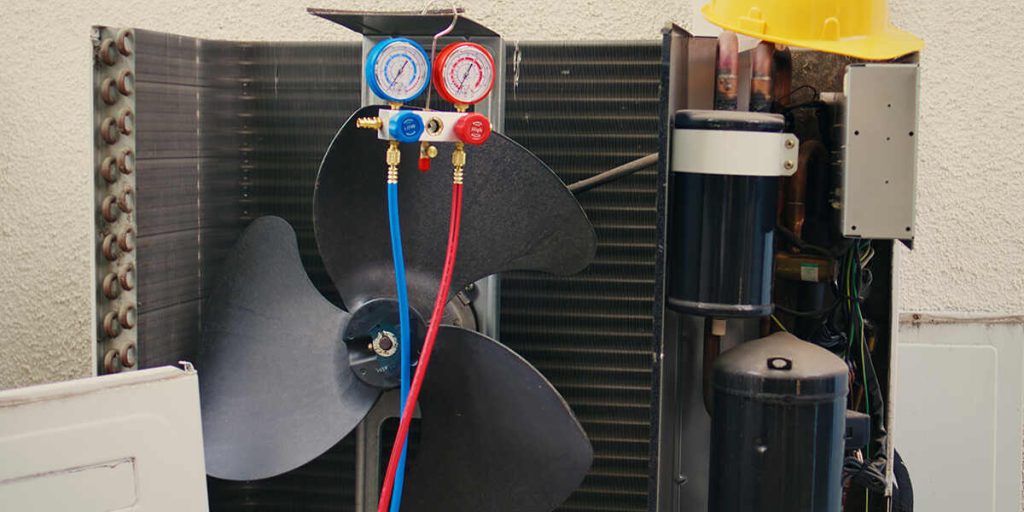
Credit: completecomforthampton.com
Signs Of Low Refrigerant
Low refrigerant levels in an air conditioner cause several noticeable problems. Recognizing these signs early helps prevent bigger issues. The signs often indicate that the AC is struggling to cool properly and needs attention.
Reduced Cooling Efficiency
The AC takes longer to cool the room. Air does not feel as cold as before. The system runs constantly but fails to reach the desired temperature. This means the refrigerant is not enough to absorb heat.
Ice Formation On Coils
Ice or frost appears on the evaporator coils. This happens because low refrigerant causes the coils to get too cold. The ice blocks airflow and worsens cooling. It can damage the compressor if ignored.
Hissing Or Bubbling Sounds
Unusual noises like hissing or bubbling near the AC unit can occur. These sounds may come from refrigerant leaks. The escaping gas causes pressure changes and creates these noises. It signals the need for a professional check.
Increased Energy Bills
Electric bills rise without higher usage. The AC works harder to cool your home. Low refrigerant makes the system inefficient. This means more energy is used to try and maintain comfort.
Locating Refrigerant Leaks
Locating refrigerant leaks is a key step in fixing low refrigerant issues in your AC system. Small leaks can cause big problems over time. Finding these leaks early helps keep your AC running well and saves money on repairs.
Several methods exist to detect refrigerant leaks. Some are simple and can be done at home. Others require special tools or professional help. Understanding these techniques helps you spot leaks faster.
Visual Inspection Techniques
Start by looking closely at the AC unit and its components. Check for oily spots or residue around pipes and fittings. These can indicate a refrigerant leak. Look for any damaged or corroded parts that may cause leaks. Pay special attention to joints and connections where leaks often happen.
Inspect the coils and refrigerant lines for cracks or holes. Use a flashlight to see hard-to-reach areas. Sometimes, bubbles or frost on the lines also point to leaks. Visual checks are simple but may miss small leaks.
Using Leak Detection Tools
Several tools help detect refrigerant leaks more accurately. A common tool is an electronic leak detector. It senses refrigerant gas in the air and signals you with lights or sounds. These detectors are sensitive and can find small leaks quickly.
Soap solution is another simple tool. Apply soapy water on suspected areas. Look for bubbles forming, which indicate escaping gas. Ultraviolet (UV) dye can also help. Add dye to the system and use a UV light to spot leaks glowing brightly.
Professional Leak Testing Methods
Professionals use advanced methods to locate leaks precisely. One method is the pressure test, where they pressurize the system with nitrogen. Leaks show up as escaping gas or pressure drops. Another method is the vacuum test, which checks if the system holds vacuum without leaking.
Infrared cameras can detect temperature changes caused by refrigerant leaks. Professionals also use gas analyzers for detailed leak detection. These tests ensure no leaks remain hidden and help maintain your AC’s performance.
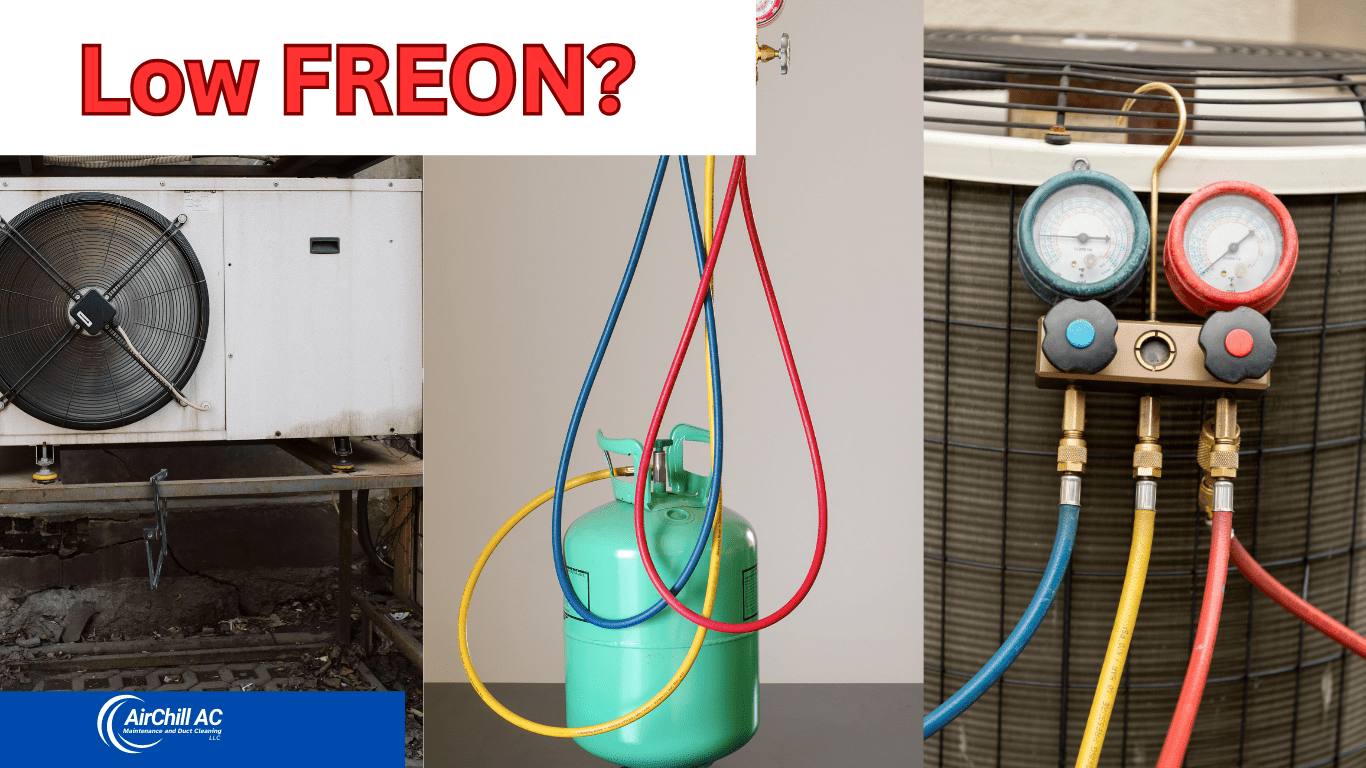
Credit: airchillac.com
Quick Fixes For Low Refrigerant
Low refrigerant levels in your AC can be frustrating and uncomfortable, especially during hot days. While a professional inspection is often necessary, there are quick fixes you can try to manage the issue temporarily. These solutions can help you maintain cool air while you arrange for a more permanent repair.
Recharging Refrigerant Safely
Adding refrigerant to your AC can restore cooling power quickly. However, it’s important to use the correct type and amount specified for your system. Overcharging can damage your unit and reduce efficiency.
Use a refrigerant gauge to monitor pressure levels during the refill. Make sure to wear protective gloves and eyewear to avoid injury. If you’re unsure about handling refrigerant, it might be best to pause and consider professional help.
Temporary Leak Sealants
Small leaks often cause refrigerant loss. Temporary sealants can plug these leaks and reduce the rate of refrigerant escaping. These products come in easy-to-use cans that you add directly to your system.
Keep in mind, sealants are a short-term fix and may not work on all types of leaks or AC models. Using sealants repeatedly might clog your system’s components. Think about whether this quick patch aligns with your long-term AC care plan.
When To Call A Technician
If you notice your AC struggles to cool even after recharging or sealants, it’s time to call a professional. Persistent leaks or major refrigerant loss usually require expert diagnosis and repair. Technicians have the right tools to detect hidden leaks and recharge your system safely.
Attempting complex repairs without experience can lead to costly damage. Prioritize your safety and the health of your AC by knowing when to step back and seek professional help. Have you ever tried a quick fix that didn’t hold up? Learning from those experiences can save you time and money.
Preventing Future Refrigerant Loss
Preventing future refrigerant loss is key to keeping your AC running smoothly and efficiently. A system low on refrigerant not only cools less effectively but can also cause expensive damage. Taking proactive steps helps you avoid sudden breakdowns and keeps your energy bills in check.
Regular Maintenance Tips
Schedule regular check-ups for your AC unit, ideally twice a year. During these visits, technicians can spot small leaks before they become big problems. Simple actions like cleaning or replacing filters and checking refrigerant levels can save you from costly repairs.
Have you ever noticed your AC struggling to cool on a hot day? Often, that’s a sign refrigerant levels are dropping. Staying on top of maintenance helps you catch these issues early, so your system performs at its best year-round.
Proper Installation Practices
How your AC is installed impacts refrigerant retention more than you might think. A poorly sealed connection or incorrect refrigerant charge can lead to leaks over time. Ensuring certified professionals handle the installation reduces the risk of future refrigerant loss.
Ask your installer about the specific steps they take to prevent leaks. For example, they should test all joints for tightness and verify refrigerant levels before finishing. This attention to detail creates a strong foundation for your AC’s long-term health.
Monitoring System Performance
Keep an eye on your AC’s cooling power and energy usage. A sudden drop in performance or spike in electricity bills can signal refrigerant issues. Using a smart thermostat or monitoring app helps you track these changes effortlessly.
Have you tried monitoring your system’s behavior over time? Catching small declines in efficiency early lets you act before refrigerant loss becomes a major headache. Consistent observation empowers you to protect your comfort and wallet alike.
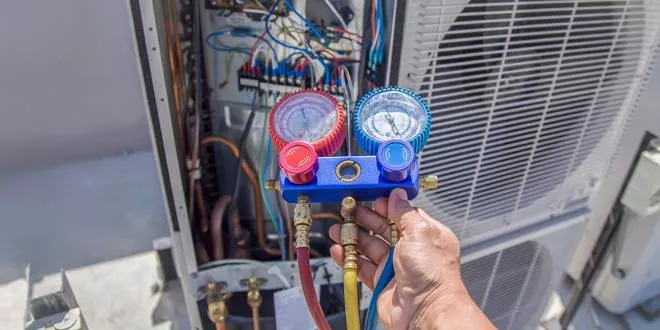
Credit: nicksac.com
Frequently Asked Questions
What Causes Low Refrigerant In Ac Units?
Low refrigerant is usually caused by leaks in the AC system. These leaks allow the refrigerant to escape, reducing cooling efficiency and causing the system to work harder.
How Can I Detect Refrigerant Leaks In My Ac?
Signs of leaks include reduced cooling, hissing sounds, and ice buildup on coils. A professional HVAC technician can perform leak detection using specialized tools.
Why Is Low Refrigerant Bad For My Ac System?
Low refrigerant causes poor cooling performance and can damage the compressor. It leads to higher energy costs and costly repairs if left untreated.
Can I Refill Refrigerant Myself If It’s Low?
Refilling refrigerant requires professional skills and tools. Incorrect handling can harm the environment and damage the AC system. Always hire a licensed technician.
Conclusion
Low refrigerant in an AC unit often means leaks or poor maintenance. It causes weak cooling and higher energy bills. Regular checks help find leaks early and keep your system running well. Fixing problems quickly saves money and avoids bigger repairs.
Keep your AC healthy with simple care steps. A cool home depends on good refrigerant levels. Don’t ignore signs of low refrigerant to stay comfortable all year.