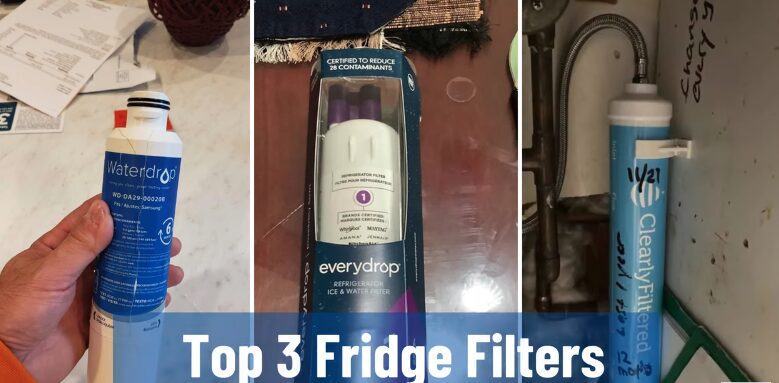
Imagine pouring yourself a refreshing glass of water straight from your refrigerator. But do you ever wonder if that water is truly as clean as it seems?
If you’re concerned about chlorine in your drinking water, you’re not alone. Chlorine, while essential for disinfecting water, can leave an unpleasant taste and odor. Plus, many people worry about its potential health effects. But here’s the question: Do refrigerator filters actually remove chlorine from your water?
By the end of this article, you’ll discover the answer. You’ll understand how these filters work, and how they can improve the quality of your drinking water. Ready to dive into the details? Let’s explore how your refrigerator might just be your new best friend in ensuring clean, crisp water for you and your family.
How Chlorine Enters Tap Water
Chlorine is a common chemical added to tap water. It helps keep water safe to drink by killing harmful germs. Understanding how chlorine enters tap water helps explain why some people want to remove it.
Water treatment plants add chlorine during the cleaning process. This stops bacteria and viruses from spreading in the water supply. The chlorine stays in the water as it travels through pipes to homes.
Chlorine can affect the taste and smell of tap water. Some people find it unpleasant and want to reduce it using filters. Knowing the chlorine levels helps decide the best way to remove it.
Purpose Of Chlorine In Water
Chlorine cleans water by killing germs and bacteria. It prevents waterborne diseases and protects public health. It also stops algae and other organisms from growing in pipes.
Without chlorine, tap water could carry dangerous germs. Water treatment plants use chlorine to make water safe quickly. It is a low-cost and effective disinfectant.
Common Chlorine Levels
Chlorine levels vary depending on the water source and treatment. Usually, tap water contains about 0.2 to 1.0 milligrams per liter (mg/L) of chlorine. This amount is safe but may cause a slight taste or smell.
Some areas may have higher chlorine levels, especially after heavy treatment. Levels are monitored to meet safety standards set by health agencies. These standards ensure water is clean but not too strong in chlorine.
Types Of Refrigerator Filters
Understanding the types of refrigerator filters can help you choose the right one for your water needs. Different filters work in different ways to clean your water. Knowing these can help you decide if your filter effectively removes chlorine and other impurities.
Carbon Filters
Carbon filters are the most common type used in refrigerators. They work by trapping chlorine and other chemicals in the activated carbon material. This not only improves the taste but also reduces odors in your water.
Many people notice a clear difference in their water’s flavor after switching to a carbon filter. However, these filters need to be replaced regularly to keep working well. Have you checked when you last changed yours?
Reverse Osmosis Filters
Reverse osmosis (RO) filters use a special membrane to remove a wide range of contaminants, including chlorine. They push water through a fine filter that blocks particles, chemicals, and impurities.
RO filters often provide very pure water but can be slower and more expensive than carbon filters. If you want the cleanest water possible, RO might be worth considering. Are you ready to invest in a system that requires more maintenance but offers superior filtration?
Other Filter Technologies
Some refrigerators use a mix of technologies like UV light, ceramic filters, or ion exchange resins. These can target specific contaminants beyond just chlorine.
For example, UV light kills bacteria, and ion exchange resins reduce heavy metals. If your water quality is a concern, look for filters that combine these methods. What contaminants do you want to remove besides chlorine?
Chlorine Removal Capabilities
Chlorine is a common chemical used to treat tap water. It kills bacteria but can affect water’s taste and smell. Many refrigerator filters aim to remove chlorine to improve water quality. Understanding how well these filters remove chlorine helps users choose the right one.
Effectiveness Of Carbon Filters
Carbon filters are the most common type in refrigerators. They work by trapping chlorine molecules in their porous surface. This process reduces chlorine levels significantly. Carbon filters can remove up to 99% of chlorine in water. They also help remove some other chemicals and impurities.
Limitations Of Standard Filters
Not all refrigerator filters remove chlorine equally. Some standard filters focus more on particles and sediments. These filters may only reduce chlorine partially or not at all. Over time, filters lose their ability to trap chlorine effectively. Regular replacement is necessary for good chlorine removal.
Impact On Water Taste And Odor
Chlorine affects water’s taste and smell strongly. Removing chlorine makes water taste fresher and cleaner. Carbon filters also reduce unpleasant odors linked to chlorine. Many users notice a big difference after installing a good filter. Clean-tasting water encourages more drinking and better hydration.

Credit: www.dtappliance.com
Testing Filter Performance
Testing the performance of your refrigerator filter is key to making sure it effectively removes chlorine from your water. Without regular checks, you might be drinking water that tastes off or has unwanted chemicals. Understanding how to test filter efficiency can save you money and keep your water fresh and safe.
Methods To Measure Chlorine Levels
To check if your filter is removing chlorine, you need to measure chlorine levels before and after filtration. You can use simple chlorine test strips available online or at home improvement stores. These strips change color based on chlorine concentration, giving you a quick visual indication.
If you want more precise results, consider using a digital chlorine meter. This device provides an exact chlorine reading in parts per million (ppm). Testing your water regularly helps you notice when the filter’s effectiveness drops.
Signs Of Filter Wear
Filters don’t last forever. Over time, they lose their ability to trap chlorine and other impurities. Watch for changes in water taste, odor, or clarity—these are often the first hints your filter is wearing out.
Another sign is slower water flow from your fridge’s dispenser. This happens when the filter becomes clogged with trapped particles. Ignoring these signs means you might be exposing yourself to contaminants.
When To Replace Filters
Most refrigerator filters need replacement every 6 months, but this depends on your water quality and usage. If your water tests show chlorine levels rising or you notice any filter wear signs, it’s time to swap the filter.
Don’t wait for a bad taste or smell to appear; proactive replacement ensures cleaner water. Keep track of your filter’s installation date and set reminders to check its condition regularly. How often do you inspect your fridge filter?
Health And Safety Implications
Understanding the health and safety implications of chlorine in drinking water is important. Chlorine is often added to water to kill harmful germs. Yet, its presence can affect taste, smell, and even health. Refrigerator filters play a key role in reducing chlorine levels, making water safer and more pleasant to drink.
Chlorine Exposure Risks
Chlorine in water can cause skin and eye irritation. Some people may experience dry or itchy skin after washing. Drinking water with chlorine may lead to stomach discomfort in sensitive individuals. Long-term exposure to high chlorine levels may affect the digestive system. Chlorine can also react with organic materials, forming harmful byproducts. These byproducts may increase health risks over time.
Benefits Of Removing Chlorine
Removing chlorine improves water taste and smell. This encourages drinking more water daily, which is healthy. Filters reduce skin dryness and irritation caused by chlorine. Cleaner water supports better digestion and overall wellness. Reducing chlorine also lowers harmful byproduct formation. Refrigerator filters help provide safer and fresher water for your family.

Credit: www.lowes.com
Alternatives For Chlorine Removal
Chlorine in tap water can affect taste and odor. Removing it improves water quality. Several alternatives exist beyond refrigerator filters for chlorine removal. These options serve different needs and budgets. Choosing the right one depends on your water use and preferences.
Whole House Water Filters
Whole house water filters treat water at the main entry point. They remove chlorine from all water in the home. This protects pipes, appliances, and skin from chlorine exposure. These systems use activated carbon or other media to capture chlorine. Installation requires plumbing work but offers long-term benefits. Maintenance usually involves changing filter cartridges regularly.
Countertop Water Purifiers
Countertop water purifiers are easy to install and use. They sit on the kitchen counter and connect to the faucet. Many models use activated carbon filters to reduce chlorine taste and smell. Some also remove sediments and other chemicals. These purifiers are affordable and require little space. Filter replacement is simple and keeps water fresh.
Boiling And Other Home Remedies
Boiling water reduces chlorine by letting it evaporate. Boil water for 15 minutes to remove most chlorine. Let the water cool before drinking or cooking. Another option is letting water sit in an open container. Chlorine will naturally dissipate after a few hours. These methods do not remove other contaminants but improve taste.
Choosing The Right Refrigerator Filter
Choosing the right refrigerator filter is key to ensuring clean and safe drinking water. Not all filters remove chlorine effectively. Selecting one that fits your needs protects your health and improves water taste. Consider your water quality and budget to find the best filter.
Filter Certifications To Look For
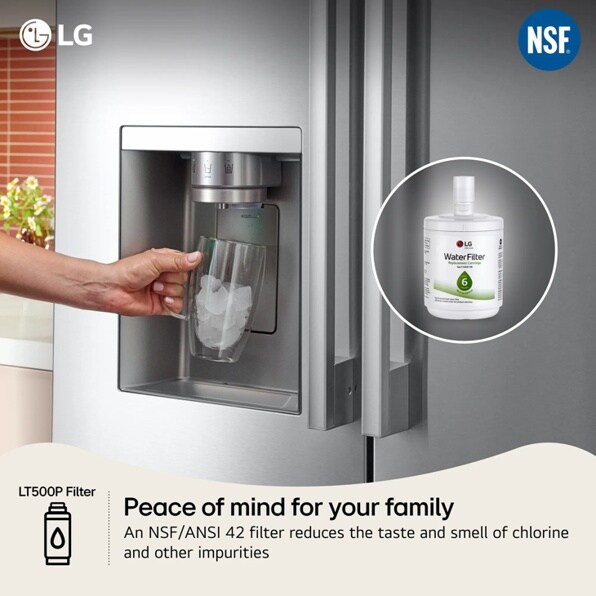
Certification shows a filter meets safety and performance standards. Look for these trusted certifications:
- NSF/ANSI Standard 42 – for chlorine and taste removal
- NSF/ANSI Standard 53 – for health-related contaminants
- Water Quality Association (WQA) Gold Seal – ensures reliable performance
Certified filters offer peace of mind and proven results.
Matching Filters To Water Quality
Water varies by location. Check your water report for contaminants. Choose filters that target your specific issues. For example:
- High chlorine – pick filters designed for chlorine reduction
- Hard water – consider filters that handle minerals
- Lead or other metals – select filters certified for those toxins
This approach ensures your filter addresses real problems in your water.
Cost Vs. Performance Considerations
Price is important but not the only factor. Cheaper filters may not last long or remove all contaminants. High-end filters offer better performance but cost more.
Balance your budget with desired water quality. Consider:
- Filter lifespan and replacement frequency
- Removal capabilities for chlorine and other pollutants
- Ease of installation and maintenance
Smart choices save money and improve water quality over time.
Credit: www.lg.com
Frequently Asked Questions
Do Refrigerator Filters Effectively Remove Chlorine?
Yes, most refrigerator filters use activated carbon to reduce chlorine. This improves water taste and odor by trapping chlorine molecules effectively.
How Often Should I Replace A Refrigerator Filter?
Replace your refrigerator filter every 6 months. Regular replacement ensures optimal chlorine removal and maintains clean, fresh-tasting water.
Can All Refrigerator Filters Remove Chlorine?
Not all filters remove chlorine. Only those with activated carbon technology target chlorine effectively. Check filter specifications before buying.
Does Chlorine Removal Improve Water Taste From Refrigerators?
Yes, removing chlorine significantly improves water taste and smell. It eliminates the chemical aftertaste, providing fresher and cleaner drinking water.
Conclusion
Refrigerator filters can help reduce chlorine in your water. They improve taste and smell by removing chlorine. Not all filters work the same, so check the product details. Changing filters regularly keeps your water cleaner and healthier. Clean water means better drinks and food.
Choose filters designed to remove chlorine for best results. Simple steps can make a big difference in water quality. Keep your family safe with filtered water every day.