Are you waging a war against fleas in your home? You’re not alone.
These tiny pests can turn your cozy sanctuary into a battleground, making you wonder if simple household tasks like vacuuming can help. Will vacuuming kill fleas, or is it just a myth? You’re about to discover the truth. Imagine a solution that’s already in your closet, waiting to be your secret weapon in this battle.
As you read on, you’ll uncover how effective vacuuming really is in tackling fleas and why it could be your first line of defense. Get ready to transform your cleaning routine into a powerful pest control strategy. Stay with us as we delve into this intriguing question and provide you with actionable insights to reclaim your space.
How Fleas Survive Indoors
Fleas can live and multiply inside homes, making them hard to control. They survive by finding warm, hidden places and feeding on pets or humans. Understanding how fleas live indoors helps in managing infestations effectively.
Flea Life Cycle
The flea life cycle has four stages: egg, larva, pupa, and adult. Eggs drop off pets onto carpets or furniture. Larvae feed on organic debris and flea dirt. Pupae stay protected in cocoons until they sense a host nearby. Adults jump onto pets to feed and lay eggs, continuing the cycle.
Common Hiding Spots
- Carpets and rugs
- Pet bedding
- Upholstered furniture
- Cracks in floors or walls
- Baseboards and corners
Fleas prefer dark, warm, and humid spots. They avoid light and open spaces. These areas provide shelter and a food source.
Signs Of Infestation
- Pets scratching or biting their fur
- Small black dots (flea dirt) on pet’s skin
- Visible fleas jumping on pets or furniture
- Red, irritated skin on pets or humans
- Flea eggs or larvae in pet bedding or carpets
Early detection helps prevent severe infestations. Check pets and home areas regularly for these signs.
Vacuuming And Flea Control
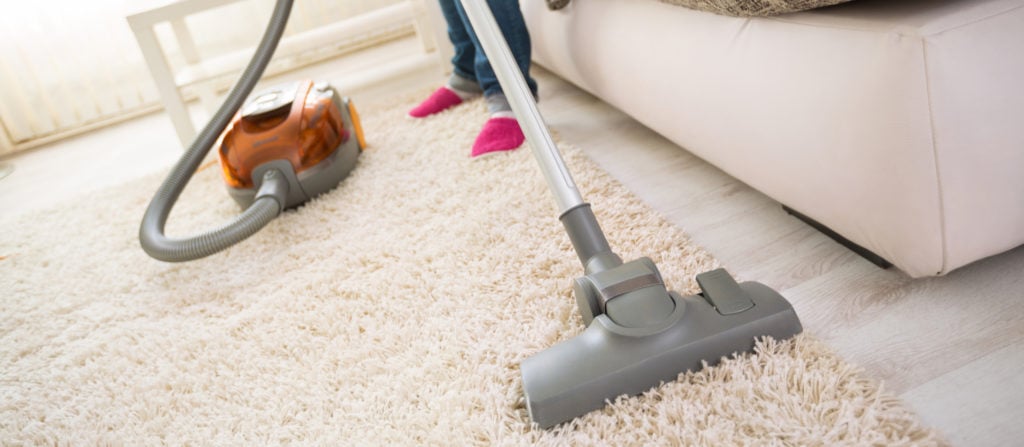
Vacuuming is a common household task, but when it comes to flea control, it plays a surprisingly important role. Fleas are tiny and quick, making them hard to catch, but vacuuming can help reduce their numbers and disrupt their life cycle. Understanding how vacuuming works against fleas and how to do it effectively can save you from a bigger infestation.
Effectiveness Of Vacuuming
Vacuuming physically removes fleas, their eggs, larvae, and pupae from carpets, furniture, and floors. It’s not a complete solution on its own but significantly lowers flea populations by disturbing their habitat. However, vacuuming alone won’t kill all fleas instantly; many survive inside the vacuum bag or can escape if the vacuum isn’t powerful enough.
Think about how often you vacuum your carpets—if it’s rare, fleas have more time to breed and hide. Regular vacuuming disrupts flea breeding and exposes them to drying out or other treatments. But you’ll need a strategy that goes beyond just sucking them up.
Vacuum Types That Work Best
Not all vacuums are equal when it comes to flea control. Models with strong suction and sealed bags or canisters trap fleas better and prevent them from escaping. Bagged vacuums are often preferred because the bags can be removed and disposed of safely.
Stick vacuums and handheld versions may miss deeper carpet layers where flea larvae hide. Upright vacuums with rotating brushes tend to agitate carpets better, loosening fleas and eggs. If your vacuum has a HEPA filter, it helps trap smaller particles, but focus on suction power first.
Vacuuming Frequency
How often you vacuum can make or break your flea control efforts. Vacuuming daily or every other day is ideal during an active flea infestation to keep interrupting their life cycle. If you only vacuum once a week, eggs and larvae have a chance to develop and multiply.
After vacuuming, immediately empty the vacuum bag or canister outside your home to prevent fleas from escaping back inside. Consistency is key; skipping days gives fleas time to rebound. Are you ready to commit to a vacuuming routine that really makes a difference?
Tips For Using Vacuuming To Kill Fleas
Vacuuming is a helpful tool to reduce fleas in your home. It removes adult fleas, eggs, and larvae from surfaces. For best results, use specific techniques and follow key tips. This section shares important advice on how to use vacuuming effectively against fleas.
Targeting Pet Bedding And Carpets
Focus vacuuming on areas where pets rest the most. Fleas often hide in pet bedding and carpets. Use a vacuum with strong suction and brush attachments. Vacuum these spots daily during flea season. Pay attention to carpet edges and under furniture. This helps to catch fleas in hidden places.
Disposing Of Vacuum Bags Properly
Empty vacuum bags or canisters immediately after use. Fleas can escape if waste stays inside. Seal bags tightly in plastic before throwing them away. Clean reusable canisters with hot, soapy water. Proper disposal prevents fleas from returning to your home.
Combining Vacuuming With Other Methods
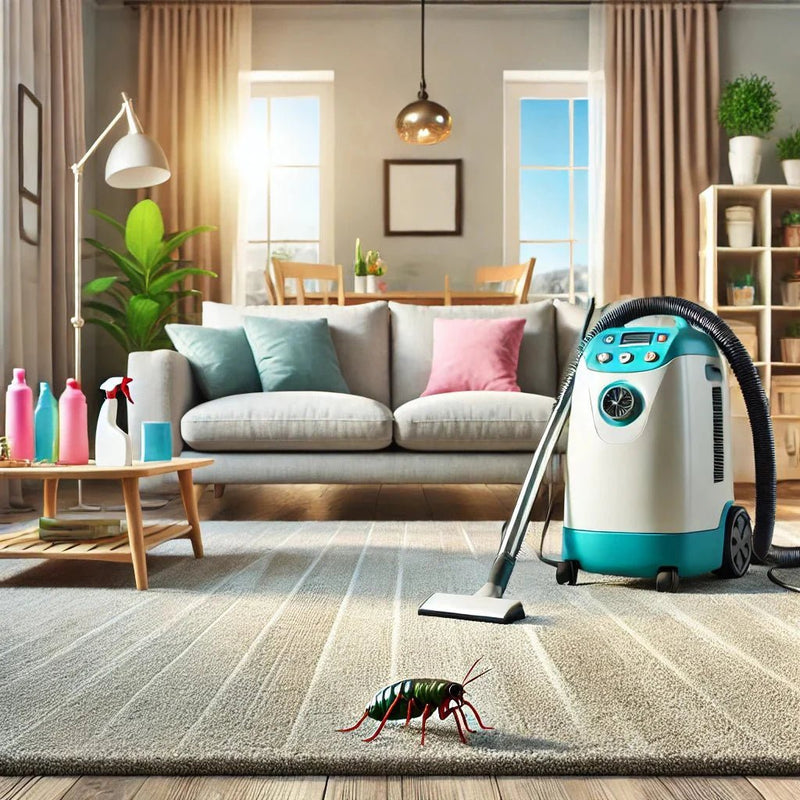
Vacuuming alone may not kill all fleas. Use it alongside other treatments for better results. Consider flea sprays, powders, or professional pest control. Wash pet bedding regularly in hot water. Treat your pets with flea prevention products. A combined approach stops flea infestations faster.
Credit: dirtbusters.co.uk
Additional Flea Eradication Techniques
Vacuuming helps remove fleas and their eggs from floors and furniture. It reduces flea numbers but does not kill all of them. Using other flea control methods alongside vacuuming improves results. Here are some common ways to fight fleas effectively.
Chemical Treatments
Flea sprays and powders contain chemicals that kill adult fleas and larvae. Many products target flea eggs too, stopping new fleas from hatching. Always follow instructions carefully to keep pets and family safe. Some treatments work quickly, while others offer protection for weeks.
Natural Remedies
Natural options include essential oils like lavender or neem. These oils repel fleas but do not kill them instantly. Diatomaceous earth is a fine powder that damages flea shells and dehydrates them. Sprinkle it on carpets and pet bedding, then vacuum after a few hours. Regular use helps lower flea populations without harsh chemicals.
Professional Pest Control
Experts use strong treatments that are not available to the public. They inspect your home and treat areas where fleas hide. Professionals often combine chemical and natural methods for best results. Hiring a pest control service may be the best choice for severe flea problems.
Preventing Future Flea Infestations
Stopping fleas before they take hold is key. Fleas multiply fast and can cause discomfort for pets and family. A few simple habits can keep your home flea-free for good.
Regular Pet Care
Check your pets often for fleas and ticks. Use vet-recommended flea treatments regularly. Groom pets with flea combs to catch eggs and larvae early. Clean pet bedding weekly to remove any pests hiding there. Healthy pets are less likely to attract fleas.
Home Maintenance
Vacuum floors, carpets, and furniture frequently to remove flea eggs and dirt. Dispose of vacuum bags or empty canisters outside your home. Wash curtains and cushion covers often in hot water. Seal cracks and gaps where fleas might enter or hide. Keep your yard tidy by trimming bushes and removing debris.
Seasonal Precautions
Fleas are most active in warm months. Increase flea checks and treatments during spring and summer. Use flea control products recommended for your region and season. Keep pets indoors during peak flea times to reduce exposure. Monitor flea activity regularly, even in cooler months.

Credit: romneypestcontrol.com

Credit: romneypestcontrol.com
Frequently Asked Questions
Will Vacuuming Alone Kill All Fleas?
Vacuuming removes adult fleas and eggs from surfaces. However, it doesn’t kill all fleas instantly. Use vacuuming with other treatments for full control.
How Often Should I Vacuum To Control Fleas?
Vacuum daily for at least two weeks during flea infestations. Frequent vacuuming removes eggs and larvae, preventing flea population growth effectively.
Can Vacuuming Kill Flea Eggs And Larvae?
Vacuuming picks up many eggs and larvae but may not kill them all. Dispose of vacuum bags immediately to prevent re-infestation.
Does Vacuuming Prevent Flea Bites On Pets?
Vacuuming reduces flea numbers but doesn’t stop bites alone. Combine vacuuming with pet treatments to protect pets from flea bites effectively.
Conclusion
Vacuuming helps remove fleas, eggs, and larvae from carpets and floors. It reduces flea numbers but does not kill all fleas instantly. Regular vacuuming supports other flea control methods. Clean vacuum bags or canisters often to stop fleas from spreading.
Combine vacuuming with treatments like sprays or flea collars for best results. Keep vacuuming often, especially in pet areas, to control fleas. Flea problems need patience and consistent care. Vacuuming plays a key role in managing flea infestations effectively.