Imagine a world where your home appliances run smoothly, your air is cleaner, and you save money all at once. Intrigued?
It might all start with a simple question: Can you vacuum air filters? You might have wondered if this is a quick fix to keep your home environment fresh and your appliances working efficiently. After all, wouldn’t it be convenient to just pull out your trusty vacuum cleaner and give those filters a quick clean?
Before you jump into action, let’s explore whether this method is truly effective or if it’s just another household myth. Read on to discover the truth about vacuuming air filters, and uncover smart tips that might just change the way you maintain your home.
Types Of Air Filters
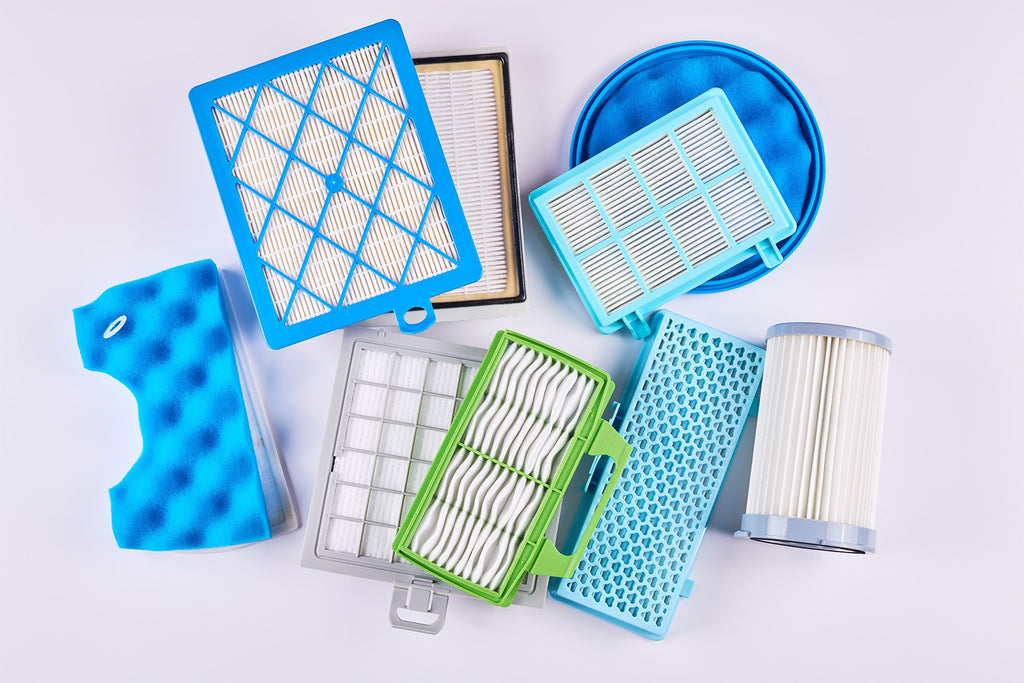
Understanding the types of air filters is key before deciding if you can vacuum them. Air filters come in various forms, each designed for specific uses and maintenance needs. Knowing the difference helps you take better care of your home’s air quality and your HVAC system’s health.
Disposable Vs. Reusable Filters
Disposable filters are meant to be replaced, not cleaned. These are usually made from paper or fiberglass and trap dust and particles until clogged. Trying to vacuum disposable filters can damage them, reducing their efficiency and potentially letting dirt back into your air system.
Reusable filters, on the other hand, are designed to be cleaned and reused multiple times. They often have a sturdy frame and a washable material, like metal or plastic mesh. Vacuuming can be a good first step to remove loose dust, but washing them thoroughly is the best way to keep them effective.
Ask yourself: Is your filter built to last, or is it a one-time use? This will guide how you maintain it and whether vacuuming is a safe option.
Common Filter Materials
Air filters come in several materials, each affecting how you should clean them. Fiberglass filters are cheap and disposable but fragile. Vacuuming these can tear the material and reduce their lifespan.
Pleated filters use cotton or polyester fibers, offering better filtration. They can sometimes be vacuumed gently, but washing or replacing is usually recommended for best results.
Metal mesh filters are durable and often reusable. These can handle vacuuming well before a deep clean with water and soap.
Knowing your filter’s material helps you decide if vacuuming will help or harm it. Have you checked what your filter is made from? This simple step can save you from costly replacements.

Credit: www.dreametech.com
When To Clean Air Filters
Knowing when to clean your air filters can save you from poor air quality and higher energy bills. Cleaning at the right time ensures your system runs smoothly and your home stays comfortable. But how do you know the perfect moment to take action?
Signs Of A Dirty Filter
Watch out for these clear signs that your air filter needs cleaning:
- Reduced airflow:If air feels weak or uneven from your vents, your filter might be clogged.
- Increased dust buildup:Notice more dust settling on surfaces? It often means your filter isn’t trapping particles effectively.
- Unusual odors:A musty or stale smell can indicate trapped dirt and mold in the filter.
- Higher energy bills:Your system works harder with a dirty filter, using more energy and costing you more.
Have you ever ignored these signs and regretted it later? Catching them early helps avoid bigger problems.
Recommended Cleaning Intervals
Cleaning frequency depends on several factors, but here are some practical guidelines:
| Environment | Cleaning Interval |
|---|---|
| Normal household without pets | Every 3 months |
| Homes with pets or allergy sufferers | Every 1-2 months |
| High pollution or dusty areas | Every month |
Keep in mind, these are just guidelines. Check your filter regularly and adjust based on what you observe.
Could your environment mean you need to clean your filters more often than you think?
Vacuuming Air Filters
Vacuuming air filters can be a useful way to remove dust and debris. It helps improve airflow and may extend the filter’s life. Not all air filters are suitable for vacuuming. Knowing the right method and tools ensures safe and effective cleaning.
Is Vacuuming Safe?
Vacuuming is safe for some air filters, mainly reusable and washable types. Disposable filters often get damaged by vacuuming. Using a vacuum can remove loose dust without washing. Avoid vacuuming if the filter material is delicate or very thin. Check the manufacturer’s instructions before vacuuming to avoid damage.
Best Vacuum Settings To Use
Choose a vacuum with adjustable suction power. Use a low or medium setting to protect the filter. High suction can tear or damage the filter material. Use a soft brush attachment to gently clean the surface. Avoid using the vacuum directly on the filter without an attachment. This reduces the risk of damage.
Step-by-step Vacuuming Process
- Turn off the air system before removing the filter.
- Carefully take out the filter to avoid spreading dust.
- Attach a soft brush to the vacuum cleaner.
- Gently run the vacuum over the filter surface.
- Clean both sides, but avoid pressing hard.
- Inspect the filter for any remaining dust or damage.
- Replace the filter if it looks worn or torn.
- Put the filter back securely into its slot.
- Turn on the air system and check for proper airflow.

Credit: www.ecovacs.com
Alternatives To Vacuuming
Vacuuming air filters isn’t the only way to keep them clean. Sometimes, other methods can be more effective and gentler on the filter material. Exploring alternatives helps you maintain your filters without causing damage or reducing their lifespan.
Washing With Water
Washing your air filter with water can remove dirt and dust more thoroughly than vacuuming. Use lukewarm water and gently rinse the filter to avoid tearing the material.
After washing, let the filter dry completely before reinstalling it. This prevents mold growth and ensures your system runs efficiently. Have you noticed better airflow after washing instead of vacuuming?
Using Compressed Air
Compressed air offers a quick way to blow away dust trapped deep inside your filter. Hold the nozzle a few inches away and blow air from the clean side to the dirty side to avoid pushing dirt further in.
Be careful with the pressure; too strong can damage delicate filters. This method works well for filters that can’t get wet but need more than just a surface clean.
Replacing Filters When Needed
Sometimes, cleaning isn’t enough, and replacing the filter is the best choice. Filters lose effectiveness over time and can become clogged beyond repair.
Check your filter’s condition regularly and follow the manufacturer’s replacement recommendations. Investing in new filters keeps your air quality high and your system running smoothly.
Benefits Of Proper Air Filter Cleaning
Proper air filter cleaning offers many benefits for your home and health. Clean filters keep the air fresh and reduce dust buildup. They help your HVAC system run smoothly and save energy. Regular cleaning also extends the life of your air filter, saving money over time.
Improved Air Quality
Cleaning air filters removes dust, pollen, and other particles. This leads to cleaner air inside your home. It reduces allergy symptoms and respiratory issues. Fresh air creates a healthier living space for everyone.
Enhanced Hvac Efficiency
Dirty filters block airflow and force your HVAC to work harder. Clean filters improve airflow and reduce strain on the system. This helps your HVAC use less energy and lowers utility bills. It also decreases the chance of breakdowns.
Prolonged Filter Life
Vacuuming or cleaning filters regularly stops dirt from building up. This keeps filters working well for longer. You won’t need to buy new filters as often. Proper care also ensures your system stays in good condition.
Common Mistakes To Avoid
Cleaning air filters by vacuuming might seem easy. Yet, many make mistakes that reduce filter life or harm the device. Avoiding common errors protects your filter and improves air quality. Understanding what to avoid helps you clean filters safely and effectively.
Over-vacuuming
Vacuuming too often or too long can damage the filter. Filters have delicate fibers that trap dust and dirt. Excessive suction can tear these fibers or push dirt deeper inside. Clean only as needed, and use gentle vacuum settings to avoid harm.
Ignoring Manufacturer Instructions
Each filter has specific cleaning rules. Some filters are washable, others are not. Skipping the manual risks damaging the filter or voiding warranty. Always check the manufacturer’s guide before vacuuming or cleaning your air filter.
Using Harsh Cleaning Methods
Strong brushes, chemicals, or high water pressure can ruin filters. Harsh methods strip away protective layers and reduce filter efficiency. Stick to soft vacuum attachments and mild cleaning methods only. Gentle care extends the filter’s lifespan and keeps air clean.

Credit: www.reddit.com
Frequently Asked Questions
Can You Vacuum Reusable Air Filters Safely?
Yes, you can vacuum reusable air filters carefully. Use a soft brush attachment and low suction to avoid damage. This method removes dust without washing, extending filter life and maintaining efficiency.
Does Vacuuming Remove All Dirt From Air Filters?
No, vacuuming removes surface dust but not deep dirt. For thorough cleaning, washing or replacement is recommended depending on the filter type.
How Often Should Air Filters Be Vacuumed?
Vacuum air filters every 1-3 months, depending on usage and environment. Frequent vacuuming helps maintain airflow and improves indoor air quality.
Can Vacuuming Damage Air Filters?
Improper vacuuming with high suction or harsh attachments can damage filters. Use gentle settings and soft tools to prevent tears and reduce filter effectiveness.
Conclusion
Vacuuming air filters can help remove dust and debris. It works best for reusable filters, not disposable ones. Use a soft brush or low suction for safety. Avoid wet cleaning unless the filter says it’s okay. Regular cleaning keeps your air fresh and systems working well.
Check your filter type before cleaning to avoid damage. Clean filters save energy and improve air quality. Simple care can extend your filter’s life. Keep your space healthier with clean air filters.