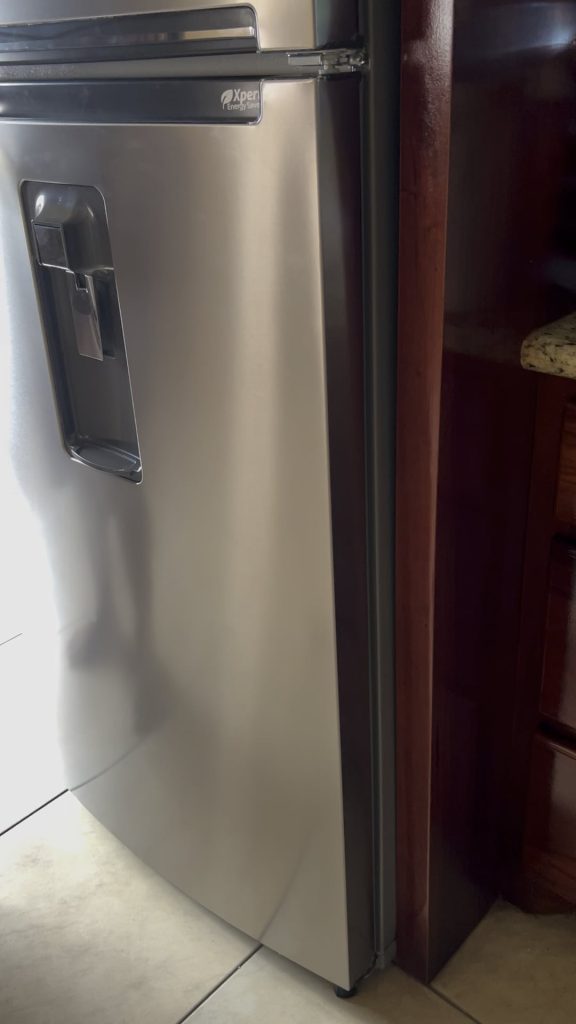
Have you ever been startled by a mysterious knocking sound coming from your refrigerator? It can be quite unsettling, leaving you to wonder if your appliance is trying to send you a message or if it’s just on the fritz.
Your refrigerator is an essential part of your daily life, quietly keeping your food fresh and drinks cold. But when it starts making strange noises, it can quickly become a source of frustration and concern. We’ll unravel the mystery of the knocking sound in your fridge.
You’ll discover the common causes behind this noise and learn simple solutions to restore peace to your kitchen. Whether you’re worried about potential repairs or just curious about what’s happening behind those refrigerator doors, you’re in the right place. Keep reading to find out how you can stop the knocking and ensure your fridge runs smoothly, saving you time, money, and stress.
Common Causes Of Knocking Sounds
Knocking sounds from a refrigerator can be puzzling and annoying. These noises often signal issues that need attention. Understanding common causes helps in identifying the problem quickly. Many of these sounds come from parts working harder than usual or parts that are loose.
Here are some frequent reasons why your refrigerator might make knocking sounds.
Compressor Issues
The compressor is the fridge’s heart. It pumps refrigerant to cool the interior. Sometimes, the compressor makes knocking noises if it is failing or worn out. The sound may occur when it starts or stops. This noise can mean the compressor needs repair or replacement.
Faulty Fan Motor
Fans circulate cold air inside the fridge. A fan motor with a problem can cause knocking or rattling sounds. Dirt or ice can block the fan blades. A broken or loose fan motor also makes knocking noises during operation.
Ice Buildup
Ice can form inside the freezer or around the fan. This buildup can cause knocking as the fan blades hit the ice. Ice buildup can occur due to a defrost system failure or door seal issues. Removing ice can stop the knocking sound.
Water Valve Problems
Refrigerators with water dispensers have a water valve. A faulty valve may make knocking or clicking sounds when it opens or closes. The valve controls water flow to the ice maker and dispenser. Replacing a noisy valve often solves the problem.
Loose Components
Parts inside the fridge can become loose over time. Screws, panels, or brackets may vibrate and cause knocking sounds. Checking and tightening loose components can stop the noise. Regular maintenance helps prevent these issues.
How To Diagnose The Noise
Diagnosing a knocking sound from your refrigerator helps find the cause fast. It saves time and prevents bigger problems. Start by paying close attention to where and when the noise happens. Then check if the temperature changes inside the fridge. These steps guide you through the process clearly.
Locating The Sound Source
Stand near your refrigerator and listen carefully. Try to find the exact spot where the knocking comes from. Check the back, sides, and inside the fridge. Sometimes the sound comes from the compressor or the fan. Other times, it may be from loose parts or objects inside. Use your hand to feel for vibrations or movement near the noise.
Identifying Timing Patterns
Notice when the knocking happens. Does it occur when the fridge is running or stopping? Does it happen after the compressor turns on or off? Pay attention if the noise is regular or random. Timing helps understand if the issue is normal or a sign of a problem. Keep a short log of noise times to track patterns.
Checking For Temperature Fluctuations
Open the fridge and freezer to check the temperature. Use a thermometer to see if it stays steady. Temperature changes can cause parts to expand or contract, making noise. Look for frost buildup or ice near the cooling elements. These can block airflow and cause knocking sounds. A steady temperature means the cooling system works well.
Simple Fixes You Can Try
If your refrigerator is making a knocking sound, you don’t always need to call a repair technician right away. Many causes are easy to fix on your own with just a little attention and some basic tools. Trying these simple fixes can save you time, money, and stress while restoring quiet to your kitchen.
Cleaning The Condenser Coils
Dirt and dust on the condenser coils can cause your refrigerator to work harder, sometimes leading to unusual noises like knocking. Locate the coils, usually found at the back or underneath the fridge, and clean them gently with a coil brush or vacuum.
Keeping these coils clean improves airflow and reduces the strain on the compressor, which often stops the knocking sound. Have you checked your coils recently? It might be easier than you think.
Leveling The Refrigerator
An uneven fridge can cause parts to shift and knock against each other as the compressor runs. Use a level tool to check if your refrigerator is sitting flat on the floor. Adjust the front or back legs until it’s perfectly balanced.
Sometimes, just a small tilt can cause loud noises. Have you noticed if the sound changes when you gently push the fridge? That’s a sign it might not be level.
Defrosting The Freezer
Ice buildup in the freezer can block the fan or other components, causing knocking noises. If you see frost accumulating, try defrosting the freezer manually by unplugging the fridge and letting the ice melt.
This clears the fan’s path and often stops the knocking. Do you remember the last time you defrosted your freezer? It might be overdue.
Tightening Loose Parts
Loose screws or panels inside or outside your refrigerator can create knocking sounds as vibrations move through the unit. Carefully check the back panel, shelves, and door hinges for any loose parts.
Use a screwdriver to tighten any loose screws you find. Have you ever noticed a door that felt a bit wobbly? That’s often a simple fix away from quiet operation.

Credit: www.caringrealestate.com
When To Call A Professional
Knowing when to call a professional for your refrigerator’s knocking sound can save you time and prevent costly damage. Some noises are easy to fix on your own, but others signal deeper problems that require expert attention. Understanding the signs will help you decide when it’s time to get help.
Persistent Noises After Diy Fixes
You might try simple fixes like cleaning the coils or adjusting the fridge’s leveling feet. But if the knocking sound keeps coming back despite these efforts, it’s a sign that something more serious is going on. Ignoring persistent noises can lead to bigger issues, so don’t hesitate to call a technician if the problem won’t go away.
Electrical Component Issues
Electrical parts inside your refrigerator, such as the fan motor or start relay, can cause knocking sounds when they malfunction. These components are tricky and potentially dangerous to handle without proper knowledge. If you suspect an electrical issue, it’s safer and smarter to let a professional diagnose and repair it.
Compressor Replacement
The compressor is the heart of your fridge, and a failing compressor often creates loud knocking or banging noises. Repairing or replacing a compressor is complex and expensive, requiring specialized tools and skills. If your fridge’s knocking points to compressor trouble, calling a professional is the best move to avoid further damage or safety risks.
Preventing Future Knocking Sounds
Stopping knocking sounds in your refrigerator improves its life and your comfort. These noises often signal small issues that can grow worse over time. Simple steps can keep your fridge running quietly and efficiently.
Regular Maintenance Tips
- Clean the condenser coils every six months to prevent dirt buildup.
- Check door seals for cracks or gaps to keep cold air inside.
- Defrost the freezer regularly if ice builds up excessively.
- Listen for unusual noises during operation to catch problems early.
- Replace worn-out parts like fan motors or dampers promptly.
Proper Loading Practices
- Avoid overpacking the fridge to allow air circulation.
- Place heavy items on sturdy shelves to prevent vibrations.
- Distribute food evenly to balance the weight inside.
- Keep items away from the back wall to avoid blocking vents.
- Use containers that fit well and don’t rattle when the door closes.
Ensuring Adequate Ventilation
- Leave space around the fridge for air to flow freely.
- Keep the area behind and underneath the fridge clean and clear.
- Avoid placing the fridge near heat sources like ovens or direct sunlight.
- Check the fridge’s leveling to reduce vibrations and noise.
- Ensure the fan inside runs smoothly without obstruction.

Credit: www.allaustinrepairs.com

Credit: highcityappliance.com
Frequently Asked Questions
Why Does My Refrigerator Make Knocking Sounds?
Knocking sounds often come from the compressor or fan motor. These parts may vibrate or hit other components, causing noise. It’s usually normal but can signal loose parts or mechanical issues needing inspection.
Can A Knocking Noise Mean A Fridge Problem?
Yes, persistent knocking may indicate a refrigerant issue or failing compressor. It’s best to check seals, coils, and fans. Ignoring the sound can lead to bigger repairs or reduced efficiency.
How To Stop My Refrigerator’s Knocking Noise?
Tighten loose panels and clean condenser coils first. Ensure the fridge is level and not touching walls. If noise persists, call a technician to inspect internal parts like the compressor or fan.
Is Knocking Sound Harmful To The Refrigerator?
Knocking itself isn’t immediately harmful but can signal wear or damage. Early attention prevents costly breakdowns and keeps the fridge running efficiently and quietly.
Conclusion
A knocking sound in your refrigerator can signal different issues. It might be normal, like the compressor working, or a sign of a loose part. Checking the door seal and cleaning the coils helps reduce noise. Always listen closely to catch unusual sounds early.
Fixing small problems soon can save bigger repairs later. Keep your fridge running smoothly and quietly with simple care steps. Stay aware of noises to protect your food and appliance.