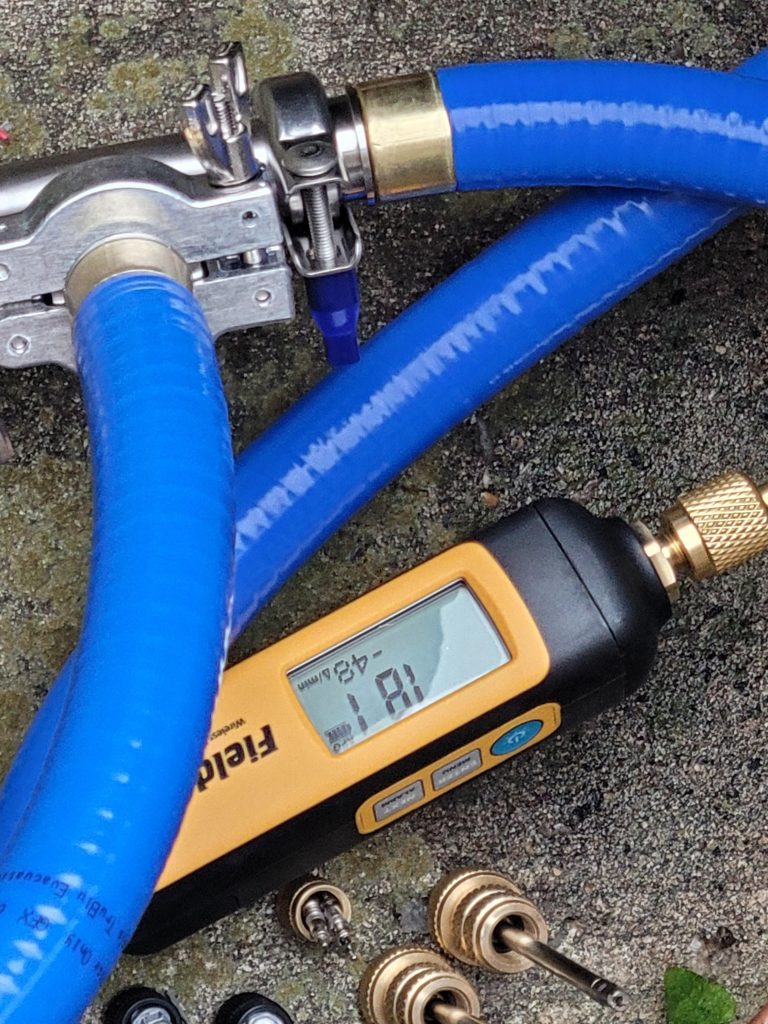
Are you curious about how much vacuum your AC system needs? Understanding this can be the difference between a smoothly running air conditioner and one that leaves you sweating in frustration.
You want your AC to be efficient, right? But without the right vacuum levels, it might not perform as it should. You’ll discover the essential details about vacuum levels in AC systems and why they matter for your comfort and your wallet.
Stick around, because by the end, you’ll be equipped with knowledge that could save you from unnecessary repairs and high energy bills. Ready to dive in and ensure your AC is in top-notch condition? Let’s get started!
Importance Of Vacuum In Ac Systems
Vacuuming an AC system is crucial before charging it with refrigerant. It removes air, moisture, and contaminants that harm system performance. Proper vacuum ensures the system runs efficiently and lasts longer.
Without a good vacuum, moisture can freeze and block refrigerant flow. Air inside the system lowers cooling capacity and increases energy use. Vacuuming also helps detect leaks and protects internal parts from corrosion.
Removes Moisture To Prevent Damage
Moisture in the AC system can cause ice buildup and corrosion. Vacuuming removes water vapor and prevents these issues. This keeps the system clean and running smoothly.
Eliminates Air For Better Cooling
Air inside the system reduces refrigerant efficiency. Vacuuming pulls out trapped air, allowing refrigerant to flow freely. This improves cooling and reduces energy costs.
Detects Leaks And Ensures Seal Integrity
A strong vacuum helps find leaks in the AC system. If the vacuum pressure drops, it signals a leak. This step protects the system from future damage and refrigerant loss.
Improves Refrigerant Charging Accuracy
Vacuuming ensures the system is empty of unwanted gases. This allows precise refrigerant charging. Accurate charging maximizes system performance and avoids overcharging or undercharging.

Credit: www.youtube.com
Ideal Vacuum Level For Ac Units
The ideal vacuum level for AC units is crucial for system performance. It ensures all air and moisture are removed from the refrigerant lines. Achieving the right vacuum prevents damage and improves cooling efficiency. Too little vacuum leaves moisture; too much can harm the system.
Technicians use vacuum pumps to reach the proper vacuum level. The goal is to create a deep vacuum that protects the AC unit from contaminants. Understanding the ideal vacuum level helps maintain the system’s health and longevity.
Recommended Vacuum Level Range
The ideal vacuum level for most AC systems is between 500 and 1,000 microns. This range ensures almost all moisture and air are evacuated. Staying within this range helps avoid frost and corrosion inside the system.
Why Achieving Proper Vacuum Matters
Proper vacuum removes water vapor that can freeze and block refrigerant flow. It also stops oxidation and rust inside metal components. Without the correct vacuum, the AC system may fail prematurely or lose cooling power.
Tools To Measure Vacuum Levels
- Micron gauge: Measures vacuum in microns for accuracy.
- Vacuum pump: Creates the vacuum needed to evacuate air and moisture.
- Digital vacuum gauge: Provides real-time vacuum readings with precision.
Signs Of Improper Vacuum Levels
- Longer cooling times and reduced efficiency.
- Strange noises from the compressor.
- Ice buildup on refrigerant lines.
- Frequent system breakdowns or leaks.
Tools To Measure Vacuum Pressure
Measuring vacuum pressure accurately is key to maintaining and repairing your AC system effectively. Without the right tools, you risk under- or over-vacuuming, which can lead to system inefficiency or damage. Knowing which tools to use can save you time, money, and frustration.
Vacuum GaugeA vacuum gauge is the most common tool for measuring vacuum pressure in an AC system. It connects directly to the service port and displays the vacuum level in units like microns or inches of mercury. This tool helps you see how deep the vacuum is, ensuring all moisture and air are removed.
When I first started working on my AC, I learned that not all vacuum gauges are created equal. A high-quality micron gauge gave me precise readings, helping me avoid costly mistakes.
Digital Micron GaugeDigital micron gauges provide precise and real-time vacuum readings. They often feature easy-to-read digital displays, which reduce the chance of misreading. These gauges are essential when you need to reach a deep vacuum level below 500 microns for proper system evacuation.
Using a digital micron gauge made me realize how much moisture was hiding in my system, even when the needle gauge showed a good vacuum. It’s a small investment that can make a big difference.
Manifold Gauge SetA manifold gauge set measures pressure and vacuum in an AC system. It includes multiple gauges and hoses to connect to different ports. While commonly used to check refrigerant pressure, it can also provide vacuum readings during evacuation.
Although manifold gauges are versatile, they may not be as accurate as micron gauges for deep vacuum measurement. Still, they remain a valuable tool in your AC toolkit.
Thermocouple or Temperature SensorWhile not a direct vacuum measuring tool, temperature sensors help confirm if the system is running efficiently after vacuuming. They detect temperature changes that may indicate trapped moisture or air. Using these alongside vacuum gauges adds an extra layer of assurance.
Have you ever wondered if your vacuum efforts actually improved your system’s performance? Temperature sensors can provide that confirmation.
Leak DetectorVacuuming removes air and moisture, but leaks can ruin your work. Leak detectors help identify escaping refrigerant or air leaks after vacuuming. Finding and fixing leaks ensures your vacuum pressure holds steady and your AC runs smoothly.
Combining a leak detector with your vacuum pressure tools gives you peace of mind that the system is sealed tight.

Credit: www.reddit.com
Step-by-step Vacuuming Process
Vacuuming an AC system is vital for removing air and moisture. This process ensures better cooling and prevents damage. Follow these steps to vacuum your AC system correctly. Each step helps maintain system efficiency and longevity.
Preparation Before Vacuuming
Begin by turning off the AC and unplugging it. Remove any refrigerant safely, following local laws. Connect the vacuum pump to the service ports using proper hoses. Check all connections for leaks or damage. Wear gloves and safety glasses for protection. Make sure the vacuum gauge is working and calibrated.
Achieving The Correct Vacuum Level
Turn on the vacuum pump and open the valves. Aim for a vacuum level of 500 microns or lower. This level ensures most air and moisture are removed. Running the pump for 15 to 30 minutes helps reach the target. Avoid stopping too soon to prevent trapped moisture.
Monitoring Vacuum Stability
Close the pump valves after reaching the correct vacuum. Watch the gauge for 10 to 15 minutes. The vacuum level should remain stable without rising. If it rises, check for leaks or moisture left inside. Repeat vacuuming if needed until stable. Stability means the system is clean and ready for refrigerant.
Common Vacuuming Mistakes To Avoid
Vacuuming an AC system is a delicate task that needs care and precision. Many people make mistakes that reduce the system’s efficiency. Avoiding these errors helps keep the AC working well and lasting longer.
Understanding common mistakes can save time and money. It also prevents damage to the system. Use this guide to learn what not to do during vacuuming.
Not Checking For Leaks Before Vacuuming
Vacuuming a system with leaks wastes time. Air enters through leaks, stopping a proper vacuum. This causes moisture and dirt to stay inside. Always test for leaks before starting the vacuum.
Using A Vacuum Pump That Is Too Small
Small vacuum pumps take longer to remove air and moisture. They may never reach the right vacuum level. Use a pump suitable for the AC system size for best results.
Not Allowing Enough Time For Vacuuming
Rushing the vacuum process leaves moisture in the system. Moisture leads to corrosion and poor cooling. Vacuum for at least 30 minutes or as needed to reach the right vacuum level.
Disconnecting The Vacuum Too Soon
Stopping the vacuum before the system is fully evacuated causes air to rush back in. This reverses all the work done. Keep the system under vacuum for a while before disconnecting.
Ignoring The Need To Use A Micron Gauge
Without a micron gauge, it is hard to know the vacuum level. Guessing the vacuum can lead to incomplete evacuation. Use a micron gauge to measure vacuum precisely.
Failing To Use Proper Vacuum Valves And Hoses
Old or damaged hoses and valves allow air leaks. This prevents a tight vacuum. Always check hoses and valves for damage and replace if needed.
Impact Of Insufficient Vacuum On Cooling
Insufficient vacuum in your AC system can seriously hurt its cooling ability. Without a proper vacuum, moisture and air remain trapped inside the system. This contamination reduces efficiency and can cause long-term damage.
Have you ever noticed your AC taking longer to cool or not getting cold enough? It might be due to an improper vacuum during servicing. Understanding the impact of insufficient vacuum helps you avoid costly repairs and keep your system running smoothly.
How Moisture Affects Cooling Performance
Moisture trapped in the AC system turns into ice when the system runs. This ice blocks the refrigerant flow and lowers cooling power. You might feel uneven cooling or hear strange noises from your unit.
Even a small amount of water vapor can cause corrosion inside the system. Corrosion damages internal parts and leads to leaks. This means your AC will lose refrigerant and struggle to cool your space effectively.
Air Contamination And Its Role In Efficiency Loss
Air inside the AC system dilutes the refrigerant, making it less effective at absorbing heat. This causes your AC to work harder and use more energy. You’ll notice higher electricity bills and less comfortable cooling.
Air pockets also increase pressure inside the system. Over time, this pressure can cause seals to fail, leading to refrigerant leaks. Without a proper vacuum, your AC won’t maintain the right pressure balance for optimal cooling.
Signs Your Ac System Has Not Been Properly Vacuumed
- Longer cooling times and inconsistent temperatures
- Unusual noises such as hissing or rattling
- Ice buildup on evaporator coils
- Increased energy consumption without improved cooling
Have you experienced any of these signs after an AC service? It could mean the technician didn’t achieve a sufficient vacuum before recharging your system.
Preventing Cooling Problems Through Proper Vacuuming
To ensure your AC cools efficiently, the vacuum level should typically reach 500 microns or lower. This level removes air and moisture effectively. Using a quality vacuum pump and gauge is essential for this step.
Next time you get your AC serviced, ask the technician about the vacuum level achieved. Insist on proper vacuuming before refrigerant is added. It’s a simple step that saves you from poor cooling and expensive repairs later.
Vacuuming Tips For Different Ac Types
Vacuuming your AC system is crucial for maintaining efficiency and extending its lifespan. Different types of AC units require specific vacuuming approaches to ensure all moisture and contaminants are removed effectively. Understanding these differences helps you avoid common mistakes and optimize your system’s performance.
Central Air Conditioning Systems
Central air systems are complex and usually require a deep vacuum to remove all moisture and non-condensable gases. Aim for a vacuum level of at least 500 microns to ensure the refrigerant lines are completely clean.
Use a high-quality vacuum pump and a micron gauge to monitor the vacuum level accurately. Hold the vacuum for at least 15 to 30 minutes to check for leaks or pressure rise, which can indicate hidden issues.
Have you noticed your central AC losing efficiency? Proper vacuuming might be the missing link in your maintenance routine.
Window Ac Units
Window units are simpler but still benefit from vacuuming when recharging refrigerant or after a repair. Since these systems have smaller lines, a moderate vacuum of about 700 to 800 microns usually suffices.
Because space is tight, connect your vacuum pump carefully and avoid over-tightening connections. Keeping the unit sealed during vacuuming prevents air and moisture from sneaking back in.
Consider this: skipping vacuuming in window units can lead to frost buildup and reduced cooling power. Does your unit freeze up occasionally?
Split Ac Systems
Split AC systems have longer refrigerant lines and multiple components, so vacuuming requires attention to detail. Target a vacuum level near 500 microns to ensure no moisture remains in the lines or evaporator coil.
Open all service valves during vacuuming to evacuate the entire system thoroughly. After reaching the desired vacuum level, wait to see if the pressure holds steady, signaling a leak-free system.
Wondering why your split AC smells musty after a service? Incomplete vacuuming might leave moisture that causes mold growth inside the system.

Credit: www.reddit.com
Maintaining Vacuum For Long-term Efficiency
Maintaining the correct vacuum level in your AC system is crucial for keeping it efficient over time. A stable vacuum ensures that moisture and air are removed, which prevents corrosion and enhances cooling performance. If you don’t keep an eye on this, your system might lose efficiency or even face costly repairs down the line.
Understanding The Ideal Vacuum Level
Your AC system needs to reach a deep vacuum, typically around 500 microns or lower, to ensure all moisture and air are eliminated. Anything above this can mean trapped air or moisture, which reduces system efficiency and can cause ice buildup or corrosion.
Have you ever noticed your AC struggling to cool even though it’s running constantly? It might be a sign that the vacuum wasn’t properly maintained during servicing.
Using Quality Vacuum Pumps And Gauges
Not all vacuum pumps are created equal. Investing in a reliable pump and a high-accuracy micron gauge can make a big difference in maintaining the right vacuum level. Cheaper tools might not pull the vacuum deep enough or give false readings.
I once used a budget pump and ended up with a system that needed re-evacuation. Spending a bit more on quality tools saved me time and frustration in the long run.
Consistent Monitoring During Maintenance
Maintaining vacuum isn’t a one-time job. You should monitor the vacuum level throughout the evacuation process to catch leaks or moisture early. Holding the vacuum for at least 15 minutes after pumping down helps verify if the system is airtight.
Ask yourself, have you ever left the vacuum running without checking if the pressure holds? That extra step can prevent future system failures.
Proper Leak Detection And Repair
Leaks allow air and moisture back into your system, ruining the vacuum and efficiency. Use electronic leak detectors or UV dyes to find even the smallest leaks before finishing the vacuum process.
Ignoring tiny leaks is like opening the door to your AC’s performance problems. Fixing these early keeps your system sealed tight and running smoothly.
Routine Vacuum Checks For Long-term Care
Regularly checking the vacuum level during scheduled maintenance can help catch potential issues before they become serious. This habit extends the life of your AC system and keeps energy costs low.
How often do you schedule vacuum checks on your system? Small, routine efforts can save you from big headaches later.
Frequently Asked Questions
How Much Vacuum Is Needed For Ac System Evacuation?
A vacuum of at least 500 microns is ideal for AC system evacuation. This level ensures all moisture and air are removed, preventing system damage and improving efficiency.
Why Is Vacuum Pressure Important For Ac System Maintenance?
Vacuum pressure removes air and moisture, which can cause corrosion and freezing. Proper vacuuming ensures the AC runs smoothly and lasts longer.
How Long Should I Vacuum An Ac System Properly?
Vacuuming typically takes 15 to 30 minutes. Duration depends on system size and vacuum pump strength to reach the required vacuum level.
Can Too Much Vacuum Damage The Ac System?
Yes, excessive vacuum can cause seals to collapse or damage components. Always follow manufacturer guidelines to maintain safe vacuum levels.
Conclusion
Proper vacuum levels keep your AC system working well. It removes air and moisture that can cause damage. Usually, a vacuum of 500 microns or less is good. Using the right tools helps you reach this level. Regular checks protect your system and save money.
Clean, dry refrigerant flows better and cools more. So, keep your AC vacuumed to extend its life and improve comfort. Simple steps make a big difference in AC performance.