Have you ever opened your refrigerator only to find something unexpected lurking inside? While a fridge is meant to keep your food fresh and safe, it might surprise you to learn that it’s not an impenetrable fortress against pests.
You may be wondering, can roaches really live in a refrigerator? The thought alone is enough to give anyone the shivers. We’ll dive into the chilling truth about whether these resilient critters can invade your cool sanctuary. By the end, you’ll know exactly how to safeguard your fridge from unwanted guests and ensure your food stays as fresh as you expect.
Keep reading to uncover the secrets that could keep your kitchen pest-free!

Credit: bugweedmart.com
Roach Habits And Habitats
Roaches have a knack for finding cozy spots to live and multiply. Understanding their habits and habitats can help you figure out if your refrigerator is a potential hideout. Let’s break down what makes a place attractive to these resilient insects and how their behavior influences where they settle.
Common Roach Species
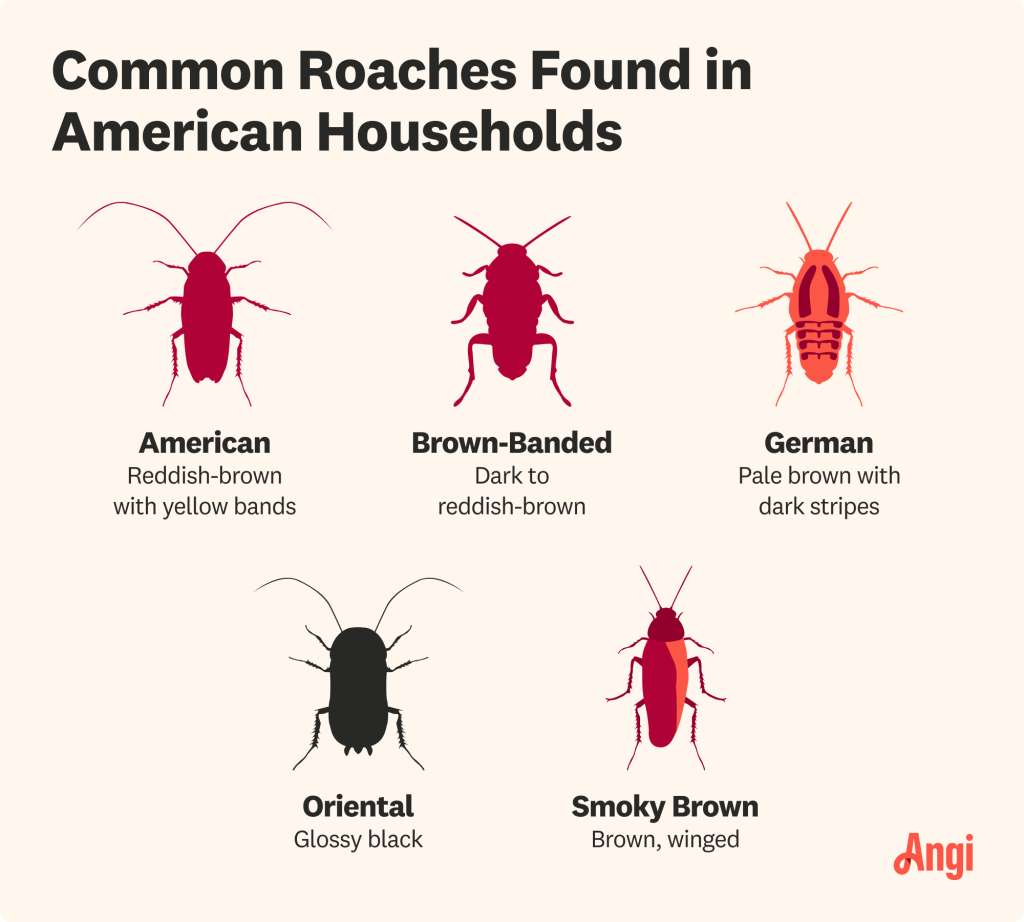
Not all roaches are the same. The most common species you might encounter indoors include:
- German Cockroach:Small, light brown, and often found in kitchens and bathrooms.
- American Cockroach:Larger and reddish-brown, prefers warm, damp environments like basements.
- Oriental Cockroach:Darker and slower, usually in cool, moist places like drains.
Knowing which species you’re dealing with can help you predict their likely hiding spots in your home.
Preferred Living Conditions
Roaches love warm, humid places with easy access to food and water. They tend to avoid cold areas because low temperatures slow their metabolism and reproduction.
Refrigerators are cold, but do roaches dare to enter? They might explore the warmer parts around the fridge, like the motor or nearby cabinets. Inside the fridge, they struggle to survive due to the chill and lack of moisture.
Survival Traits
Roaches are tough survivors. They can live without food for weeks and withstand harsh conditions. Their flattened bodies let them squeeze into tiny cracks and crevices.
Despite their resilience, cold temperatures inside a fridge can kill them or at least make it impossible to reproduce. Still, they may venture inside briefly if there’s food residue or spills.
Have you ever found a roach inside your fridge? It’s more likely it was passing through rather than living there. Understanding these traits helps you target your pest control efforts more effectively.

Credit: diypestcontrol.com
Roaches And Cold Environments
Roaches are notorious survivors, but how do they handle cold environments? Understanding their limits helps you protect your home better, especially places like your kitchen. Let’s look closely at how these pests react to cold and whether your refrigerator can really keep them out.
Temperature Tolerance
Roaches prefer warm, humid places, usually between 70°F and 85°F. However, they can survive in cooler temperatures down to about 45°F by slowing their activity. Below this, their metabolism drops, making it hard for them to move or reproduce.
Some species can enter a state similar to hibernation, allowing them to survive short periods of cold. But extended exposure to freezing temperatures usually proves fatal. This shows that while they can tolerate some cold, extreme or prolonged cold is a serious threat to them.
Roach Behavior In Cold
When temperatures drop, roaches seek out warmer spots. They hide in cracks, appliances, or near heat sources to stay alive. You might notice fewer roaches during winter, but that doesn’t mean they’re gone—just dormant.
Roaches reduce their activity and feed less in cold conditions. This behavior helps them conserve energy but also makes them less visible. If you’ve ever wondered why you see fewer roaches in winter, their cold behavior explains it.
Can They Survive Refrigeration?
Refrigerators maintain temperatures between 35°F and 40°F, which is close to or below the roaches’ survival threshold. This cold environment slows their metabolism drastically and can eventually kill them if they stay inside long enough.
However, roaches are clever and might not stay inside the fridge for long. They often avoid the cold by hiding in warmer areas nearby. So, while your refrigerator isn’t a perfect roach trap, it certainly isn’t a comfortable home for them.
Have you ever found a cockroach inside your fridge? It’s usually because they entered when the door was open, not because they live there. Keeping your fridge clean and sealing gaps around it helps keep these pests out for good.
Why Roaches Might Enter Refrigerators
Roaches are known for invading unexpected places in homes. Refrigerators may seem unlikely spots, but roaches can enter them. Understanding why helps prevent infestations and keeps kitchens clean.
Attracted By Food Residue
Roaches are drawn to food crumbs and spills. Even tiny bits of food inside or around the fridge invite them. Sticky residue on shelves or in door seals acts like a feast. They can easily find these leftovers and feed on them.
Seeking Moisture
Roaches need water to survive. Refrigerators often have condensation or leaks that provide moisture. Drip pans under the fridge or damp areas inside are ideal spots for them. The constant moisture keeps them alive and active.
Warmth From Appliance Motors
Appliance motors generate warmth, especially at the back or bottom of fridges. Roaches like warm places to hide and breed. This heat source attracts them during cold weather. They crawl near motors to stay warm and reproduce.

Credit: www.angi.com
Health Risks Of Roaches In Kitchens
Roaches in your kitchen pose more than just an annoying nuisance—they bring serious health risks that you can’t ignore. These pests thrive in places where food is stored, including refrigerators, which makes them a direct threat to your family’s well-being. Understanding the health risks roaches bring into your kitchen is the first step to keeping your home safe.
Disease Transmission
Roaches carry bacteria and viruses on their bodies because they crawl through dirty areas like garbage and sewage. When they enter your kitchen, they can spread harmful pathogens onto your food and surfaces. Diseases such as salmonella, E. coli, and even dysentery can be transmitted, putting you and your loved ones at risk.
Food Contamination
Roaches don’t just carry germs; they also contaminate your food directly. Their droppings, shed skin, and saliva can end up on fruits, vegetables, and leftovers stored in your fridge or pantry. Contaminated food can cause food poisoning, leading to nausea, vomiting, and stomach cramps. Have you ever wondered if that unexplained stomach upset could be linked to unseen pests?
Allergic Reactions
Many people don’t realize roaches can trigger allergies and asthma attacks. Their droppings and body parts release allergens into the air, which can worsen symptoms for sensitive individuals. If you or someone in your home experiences frequent sneezing, wheezing, or skin irritation, roaches might be the hidden cause.
Preventing Roach Infestations In Refrigerators
Roaches in your refrigerator can be more than just creepy—they pose health risks and contaminate your food. Preventing these pests starts with smart habits and careful attention to your fridge’s condition. You don’t have to wait for an infestation to become visible; small actions can keep your kitchen safe and roach-free.
Cleaning Tips
Keep your fridge spotless by wiping spills and crumbs immediately. Roaches are attracted to leftover food, so even tiny bits can invite them in.
Remove and clean shelves, drawers, and seals regularly. Soap and warm water work well to eliminate grease and food residues that roaches love.
Don’t forget the fridge’s exterior, especially around door handles and vents, where dirt and crumbs often build up unnoticed.
Sealing Entry Points
Check the seals around your refrigerator door for any cracks or gaps. Damaged seals can be an open invitation for roaches seeking warmth and food.
Seal holes or gaps in the walls and floor near the fridge with caulk or weatherstripping. Roaches can squeeze through tiny spaces, so be thorough.
Consider installing door sweeps if your fridge is near a kitchen door that leads outside or to a basement, minimizing pest access points.
Regular Maintenance
Schedule routine fridge inspections to spot early signs of roaches or damage. Look for droppings, egg cases, or greasy smears inside and around the appliance.
Keep your kitchen dry and ventilated. Roaches thrive in moist environments, so fixing leaks and using a dehumidifier can reduce their attraction.
Replace worn-out parts like door gaskets promptly. A well-maintained fridge is less likely to harbor pests and more energy-efficient too.
Effective Roach Control Methods
Effective roach control methods help stop these pests from invading kitchens and refrigerators. Roaches spread germs and cause discomfort. Using the right approach keeps homes clean and safe. Control techniques include natural remedies, chemical treatments, and professional pest control services.
Natural Remedies
Natural remedies reduce roach populations without harsh chemicals. They use simple ingredients found at home or garden centers. These methods work best for small infestations or as prevention.
- Keep areas dry and clean to remove roach food sources.
- Use diatomaceous earth around fridge edges and cracks.
- Place bay leaves or cucumber slices in cupboards to repel roaches.
- Make a baking soda and sugar mix to attract and kill roaches.
- Essential oils like peppermint or tea tree oil deter pests.
Chemical Treatments
Chemical treatments kill roaches quickly and stop infestations fast. Use products designed specifically for kitchens and food areas. Follow safety instructions carefully to protect family and pets.
- Apply gel baits near fridge and baseboards.
- Use roach sprays to target visible bugs and hiding spots.
- Set roach traps to monitor and reduce populations.
- Choose residual insecticides for long-lasting effects.
Professional Pest Control
Professional pest control offers expert solutions for severe infestations. Technicians inspect and treat all roach hiding places. They use safe and effective products not available to the public.
- Comprehensive inspection to identify infestation extent.
- Customized treatment plans for your home.
- Follow-up visits to ensure roaches are gone.
- Advice on preventing future roach problems.
Frequently Asked Questions
Can Roaches Survive Inside A Refrigerator?
Roaches can survive in a refrigerator but only in warm, humid areas like the door seal. Cold temperatures inside the fridge usually kill them. They seek warmth and food crumbs near the fridge, not the cold compartments.
Why Do Roaches Infest Refrigerators?
Roaches infest refrigerators because of food crumbs, moisture, and warmth near the seals. They are attracted to leftover food and damp spots, making refrigerators an ideal place to hide and breed.
How To Prevent Roaches In Your Refrigerator?
Keep your refrigerator clean and dry to prevent roaches. Regularly wipe spills, remove expired food, and seal gaps around the fridge. Use airtight containers for food storage to reduce roach attraction.
Can Roaches Damage Refrigerator Components?
Roaches rarely damage refrigerator components but can contaminate food with bacteria. Their presence poses health risks rather than mechanical damage. Proper cleaning is essential to avoid infestation and maintain hygiene.
Conclusion
Roaches rarely live inside refrigerators because of the cold. They prefer warm, dark, and moist places. Still, they can hide in cracks or food wrappers near the fridge. Keeping your kitchen clean helps stop roaches from coming close. Seal food tightly and fix leaks to remove their food and water.
Regularly check and clean behind and under your fridge. Taking these small steps keeps your home fresh and pest-free. Stay alert, and roaches won’t become a problem in your kitchen. Simple habits make a big difference.