Have you ever wondered what could happen if your GLP-1 medication isn’t stored properly? You’re not alone.
Many people are unaware that the way you store this medication can significantly impact its effectiveness. Imagine investing in a treatment that doesn’t work as it should simply because it wasn’t refrigerated. That’s a costly mistake you definitely want to avoid.
This article will dive into the specifics of why refrigeration is crucial for GLP-1 medications, and what might happen if they’re left out. By understanding these details, you can ensure you’re getting the most out of your treatment. Keep reading to discover the vital steps you need to take to protect your health and investment.
Glp-1 Stability Basics
Understanding GLP-1 stability is key to using this medication safely. GLP-1 drugs require careful handling to keep their effectiveness. These medications can lose strength if not stored correctly. Knowing the basics helps protect the medicine and your health.
Storage Requirements
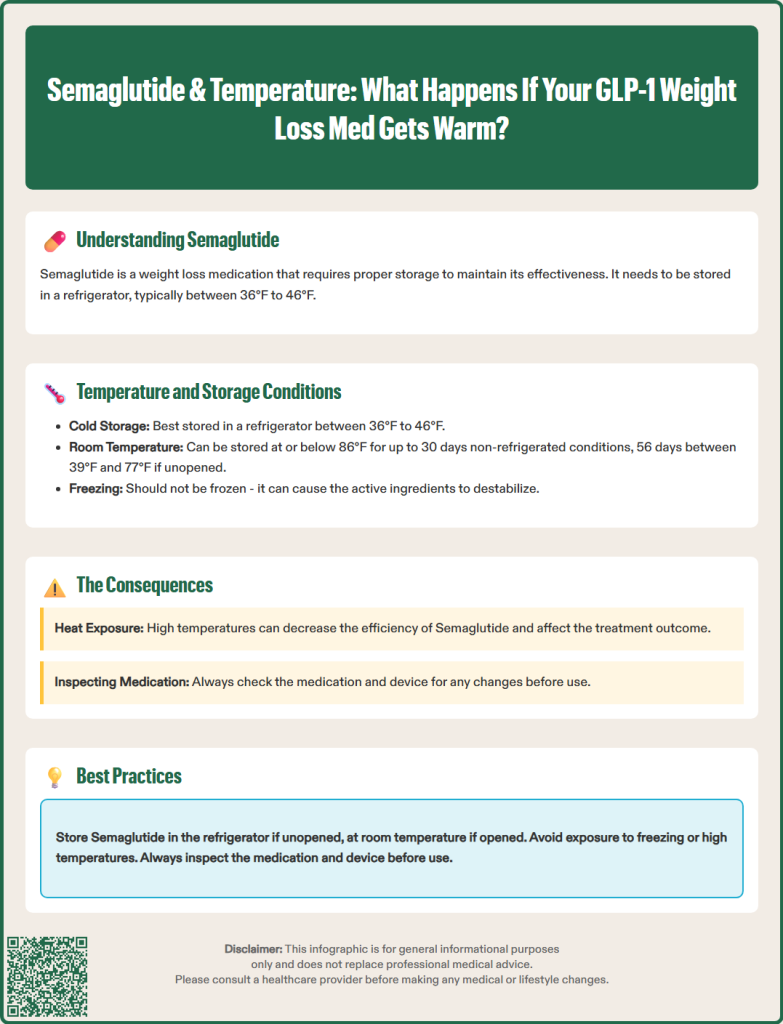
GLP-1 medications need cool, dry places for storage. Most require refrigeration between 2°C and 8°C (36°F to 46°F). Avoid storing near heat sources or direct sunlight. Once opened, some GLP-1 pens can stay at room temperature but only for limited days. Always check the specific instructions for your medication.
Temperature Sensitivity
GLP-1 drugs are sensitive to temperature changes. High heat can break down the drug’s structure quickly. Cold temperatures outside recommended range can also cause damage. If not refrigerated properly, the medicine may become less effective or unsafe. Proper temperature control keeps the medicine stable and reliable.

Credit: vitalismedicalweightlossclinic.com
Effects Of Not Refrigerating Glp-1
Not refrigerating GLP-1 medications can lead to several unwanted effects that may compromise their safety and effectiveness. Understanding these effects helps you protect your health and ensure the medication works as intended. Ignoring proper storage can have consequences beyond just a small inconvenience.
Degradation Process
GLP-1 is a delicate protein that breaks down quickly when exposed to heat or room temperature for too long. Without refrigeration, the molecular structure begins to unravel, reducing its stability.
This degradation means the medication won’t perform as expected. Have you ever noticed a medicine that doesn’t seem to work after a while? This could be why.
Loss Of Potency
One of the most critical risks is the loss of potency. The active ingredients in GLP-1 weaken, making the drug less effective at controlling blood sugar.
This can directly affect your treatment results. If your glucose levels aren’t improving as they should, the storage conditions of your medication might be the hidden cause.
Visual And Physical Changes
GLP-1 that isn’t refrigerated may show visible signs of damage. Cloudiness, discoloration, or clumping can occur, indicating the medication has been compromised.
Never use a solution that looks different from when you first got it. These changes are clear signals that the drug is no longer safe or effective.
Health Risks Of Using Improperly Stored Glp-1
Using GLP-1 without proper refrigeration can lead to serious health risks. This medication is sensitive to temperature changes, and improper storage directly affects its performance and safety. Understanding these risks is crucial to protect your health and get the full benefit from your treatment.
Reduced Effectiveness
GLP-1 loses its potency quickly if not kept cold. When the medication is exposed to higher temperatures, its active ingredients break down. This means you may not get the expected blood sugar control, even if you follow your dosage perfectly.
Imagine relying on a treatment that suddenly stops working because of storage mistakes. Your blood sugar levels could spike unexpectedly, increasing your risk for complications. Have you ever wondered why your medication doesn’t seem to work as well as before? Improper storage might be the hidden cause.
Potential Side Effects
Using GLP-1 that has degraded due to heat exposure can cause side effects you might not expect. These can include nausea, dizziness, or allergic reactions, which are less common with properly stored medication. Your body reacts differently when the medication’s chemical balance changes.
It’s not just about less effectiveness; it’s about your safety. Taking medication that isn’t stored correctly can put you at risk of unexpected health issues. Do you really want to gamble with your well-being over something as simple as refrigeration?
Safe Storage Practices
Proper storage of GLP-1 medications is crucial for maintaining their effectiveness and safety. If GLP-1 is not refrigerated as recommended, the medication can lose its potency, leading to reduced benefits or even treatment failure. Understanding safe storage practices helps you protect your investment and health.
Ideal Refrigeration Tips
Keep your GLP-1 medication in the refrigerator at a temperature between 2°C and 8°C (36°F to 46°F). Avoid placing it near the freezer compartment to prevent accidental freezing, which can damage the medication. Use a dedicated medicine compartment or a sealed plastic bag to protect it from moisture and contamination.
Check the expiration date and discard any medication that has been stored beyond the recommended period or shows discoloration. If you notice any changes in the medication’s appearance or consistency, do not use it without consulting your healthcare provider. This simple practice ensures you are always using an effective dose.
Handling During Travel
Traveling with GLP-1 requires extra care to maintain proper temperature control. Use an insulated cooler bag with ice packs to keep the medication cold during transit. However, avoid direct contact between the ice packs and the medication to prevent freezing.
Plan ahead by checking the duration of your trip and the storage instructions from the manufacturer. If you expect to be without refrigeration for extended periods, ask your pharmacist about the maximum time your specific GLP-1 can be kept at room temperature. This helps you avoid accidental spoilage while on the go.
Alternatives When Refrigeration Is Unavailable
Storing GLP-1 medication without refrigeration requires careful attention. This section covers practical alternatives for safe storage. Understanding these options helps maintain the medicine’s effectiveness.
Room Temperature Limits
GLP-1 can stay stable at room temperature for a limited time. Most types tolerate temperatures between 59°F and 86°F (15°C to 30°C). Do not expose the medication to heat above this range.
Check the medication label for exact time limits. Usually, room temperature storage is safe for up to 14 days after first use. After this, the medicine may lose potency and should be discarded.
Keep the medicine away from direct sunlight and moisture. Store it in a cool, dry place such as a drawer or cabinet. Avoid storing near heaters, windows, or in cars.
Temporary Storage Solutions
When refrigeration is not an option, use temporary cooling methods. These can help keep GLP-1 within safe temperature ranges for short periods.
- Use insulated bags with ice packs during travel.
- Place the medication in a cool basement or cellar.
- Use a small portable cooler with temperature control.
- Wrap the medication in a damp cloth and place it in a shaded area.
Always monitor the temperature closely. Avoid freezing the medication, as this can damage it. Plan ahead to minimize time spent outside recommended storage conditions.

Credit: www.reddit.com
Signs Glp-1 May Be Spoiled
GLP-1 medications must be stored properly to stay effective. Not refrigerating them can cause spoilage. It is important to recognize signs that GLP-1 may be spoiled. This helps avoid using a medicine that no longer works well or could be unsafe.
Appearance Changes
The first sign of spoilage is a change in appearance. The medicine may look cloudy instead of clear. It can develop particles or clumps. The color might become darker or uneven. Any unusual look means the GLP-1 should not be used.
Unusual Smell Or Texture
A spoiled GLP-1 can have a strange smell. It might smell sour or different than usual. The texture may also change. The solution can feel thicker or slimy. These changes suggest the medicine has gone bad and must be discarded.
When To Dispose And Replace Glp-1
Knowing when to dispose and replace your GLP-1 medication is crucial for its effectiveness and your safety. If GLP-1 is not stored correctly, especially if not refrigerated as recommended, its potency can decrease. This section helps you understand the signs and timelines for replacing your medication to avoid using a compromised product.
Shelf Life Guidelines
GLP-1 medications usually come with specific storage instructions that include refrigeration to maintain their shelf life. If left unrefrigerated, the medication’s shelf life can shorten significantly, sometimes to just a few days. Always check the manufacturer’s label for exact expiration dates and storage conditions.
Once opened, most GLP-1 injectables remain effective for about 30 days if kept refrigerated. If you notice any changes in color, texture, or clarity of the solution, it’s time to replace the medication immediately. Using a product past its shelf life can reduce its effectiveness and may not provide the intended health benefits.
Safety Precautions
Never use GLP-1 injections that have been left out at room temperature for extended periods unless the label explicitly states it’s safe. Using compromised medication can lead to unpredictable blood sugar control and increase the risk of side effects. Have you ever wondered if a slightly warm injection still works? It’s safer not to take the chance.
Dispose of expired or improperly stored GLP-1 products by following local guidelines for medication disposal. Avoid flushing or throwing them in the trash where they might harm others or the environment. Always keep a backup supply so you don’t feel tempted to use questionable medication.

Credit: www.fellahealth.com
Frequently Asked Questions
What Happens If Glp-1 Is Left Unrefrigerated?
If GLP-1 is not refrigerated, it may lose potency quickly. This reduces its effectiveness and might impact blood sugar control. Always store GLP-1 as per guidelines to maintain its stability and therapeutic benefits.
How Long Can Glp-1 Stay Unrefrigerated?
GLP-1 can generally stay unrefrigerated for up to 30 days after first use. However, exposure to heat or sunlight may shorten this period. Check specific product instructions for exact storage duration outside the fridge.
Does Unrefrigerated Glp-1 Cause Side Effects?
Unrefrigerated GLP-1 typically does not cause new side effects. The main concern is reduced effectiveness, which may lead to poor blood sugar management. Always use properly stored medication to ensure safety and efficacy.
Can Refrigeration Improve Glp-1 Medication Effectiveness?
Yes, refrigeration preserves GLP-1’s molecular structure and potency. Proper cold storage helps maintain its therapeutic effect and prolongs shelf life. Follow manufacturer’s storage instructions for best results.
Conclusion
GLP-1 needs cold storage to stay effective and safe. Without refrigeration, the medicine can lose strength. This means it may not help control blood sugar well. Using unrefrigerated GLP-1 could lead to poor health results. Always keep GLP-1 in the fridge as instructed.
Protect your treatment by storing it properly. This small step ensures your medicine works as it should. Taking care of your GLP-1 helps you manage diabetes better. Simple storage makes a big difference in your health.