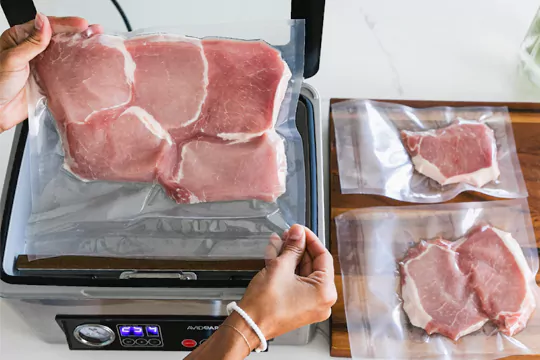
Ever wondered if you can boil vacuum seal bags? You’re not alone.
Many people are curious about whether these handy kitchen tools can withstand the heat. You may have seen vacuum seal bags being used on cooking shows or by your favorite chefs and thought, can I do that too? The idea of cooking with vacuum seal bags might be enticing, promising a unique way to preserve flavors and nutrients.
But before you toss your sealed bag into a pot of boiling water, it’s crucial to know if it’s safe and how to do it correctly. Stick with us, and we’ll unravel the mystery behind boiling vacuum seal bags, ensuring you cook with confidence and ease.

Credit: www.amazon.com
Vacuum Seal Bags Basics
Vacuum seal bags are essential tools for preserving food and other items. They remove air to keep contents fresh longer. Understanding the basics helps you use these bags correctly and safely. This section explains the types, materials, and common uses of vacuum seal bags.
Types Of Vacuum Seal Bags
- Textured bags: Have a pattern inside for better air removal.
- Chamber bags: Used with chamber vacuum sealers for wet foods.
- Embossed bags: Provide extra strength and durability.
- Roll bags: Custom length bags cut from a roll for various sizes.
Materials Used In Bags
- Polyethylene (PE): Flexible and food-safe, often inner layer.
- Polyamide (PA): Strong and puncture-resistant, outer layer.
- Multi-layer laminates: Combine PE and PA for durability and air barrier.
- BPA-free plastics: Safe for food storage and boiling.
Common Uses For Vacuum Sealing
- Food preservation: Extend shelf life of meats, vegetables, and fruits.
- Meal prep: Store pre-portioned meals safely.
- Sous vide cooking: Seal food for precise temperature cooking.
- Non-food storage: Protect important documents and electronics from moisture.

Credit: pouchespack.com
Boiling Vacuum Seal Bags
Boiling vacuum seal bags is a question many home cooks ask when they want to prepare sous vide meals or reheat food safely. These bags are designed to protect food and lock in freshness, but can they handle the intense heat of boiling water? Understanding how vacuum seal bags react to boiling temperatures helps you avoid ruining your food or the bag itself.
Is Boiling Safe For Vacuum Seal Bags?
Not all vacuum seal bags are created equal. Some are made specifically for sous vide cooking and can safely handle boiling water, while others are not heat-resistant enough. If you use standard vacuum seal bags not rated for high temperatures, boiling them can cause melting or release harmful chemicals.
Have you ever noticed the difference in texture or smell after heating vacuum-sealed food? That’s often a sign the bag wasn’t suited for boiling. Always check the packaging or manufacturer’s instructions to see if your bags are labeled “boil-safe” or “sous vide approved.”
Temperature Limits For Bags
Most vacuum seal bags designed for cooking can tolerate temperatures up to around 194°F to 212°F (90°C to 100°C), which covers the boiling point of water. However, some bags have lower temperature limits, around 140°F to 160°F (60°C to 71°C), making them unsuitable for boiling.
Using bags beyond their temperature limit can cause warping or leaching of plastic chemicals into your food. Knowing your bag’s temperature threshold is critical before plunging it into boiling water.
| Type of Vacuum Seal Bag | Max Safe Temperature | Boiling Water Safe? |
|---|---|---|
| Sous Vide / Boil-Safe Bags | Up to 212°F (100°C) | Yes |
| Standard Vacuum Seal Bags | 140°F – 160°F (60°C – 71°C) | No |
Potential Risks Of Boiling
Boiling vacuum seal bags that aren’t designed for it can lead to several problems. The bag may melt or soften, causing leaks and ruining your food. Chemicals can also seep into your meal, which raises health concerns.
Have you ever found a bag that split open during cooking? That’s a sign of unsuitable temperature use. Additionally, boiling bags too long can cause your food to overcook or lose texture, defeating the purpose of vacuum sealing.
To avoid these risks, always confirm your vacuum seal bags’ heat limits and monitor cooking times carefully. If in doubt, opt for bags specifically labeled for boiling or sous vide use.
Safe Boiling Techniques
Boiling vacuum seal bags can be a convenient way to cook food evenly while keeping flavors locked in. However, safety is key to avoid melting the bags or contaminating your meal. Using the right techniques ensures your food cooks perfectly without damaging the vacuum seal.
Preparing Bags For Boiling
Before boiling, inspect the vacuum seal bag carefully. Make sure it is made from boil-safe materials—some bags are designed specifically for sous vide cooking and can handle high temperatures. Avoid using thin or low-quality plastic bags that may melt or leach harmful chemicals into your food.
Remove excess air from the bag to allow even cooking. You can use a vacuum sealer or press out the air manually. Also, double-check the seal to prevent water from entering the bag during boiling.
Proper Boiling Duration
Timing plays a major role in safe boiling. Overcooking in the bag can cause the plastic to weaken and break down. Keep the boiling time within the recommended range for your recipe and the type of food.
Typically, boiling vacuum sealed foods takes between 20 to 60 minutes depending on the ingredient. Use a timer and avoid leaving the bags in boiling water unattended. Have you ever noticed how timing affects texture and taste when boiling in sealed bags?
Avoiding Bag Damage
Keep the water temperature steady and avoid rapid boiling that causes heavy agitation. Vigorous bubbles can rub the bags against the pot, potentially tearing or puncturing them. Instead, maintain a gentle simmer or use a sous vide immersion circulator for precise control.
Use a pot large enough to allow the bags to float freely without crowding. Avoid sharp utensils near the bags during and after cooking to prevent accidental punctures. Taking these precautions helps you enjoy perfectly cooked meals without messy spills or plastic contamination.
Alternatives To Boiling
Boiling vacuum seal bags isn’t always the best choice. You might worry about the bag melting or chemicals leaching into your food. Luckily, there are several safer and more effective alternatives that can help you cook your vacuum-sealed meals perfectly.
Sous Vide Cooking
Sous vide is a fantastic way to cook vacuum seal bags. It involves cooking food in a water bath at a precise, controlled temperature for a long time. This method keeps your food tender and juicy without the risk of bag damage.
Many home cooks swear by sous vide for steaks, chicken, and even vegetables. Do you have a favorite recipe that could benefit from this gentle cooking style?
Steaming And Microwaving
Steaming is another gentle cooking option. You can place the vacuum-sealed bag above boiling water, letting the steam cook the food inside without direct contact with water.
Microwaving is quicker but requires caution. Use microwave-safe vacuum seal bags and pierce them slightly to avoid pressure buildup. This method works well for reheating but might not be ideal for slow cooking.
Using Oven Or Slow Cooker
The oven and slow cooker offer hands-off cooking options. Place the vacuum-sealed bag in a baking dish with some water in the oven at low temperatures to gently heat the food.
Slow cookers excel at breaking down tough cuts of meat over hours. Just make sure the bag is oven-safe or transfer the food to an oven-safe container after thawing.
Handling And Storage Tips
Handling and storing vacuum seal bags properly keeps your food safe and fresh. After boiling, careful steps help maintain the quality of the food and the bag. Follow these tips to extend the life of both your meals and vacuum seal bags.
Cooling After Boiling
Let the vacuum seal bag cool down before opening. Hot steam can burn your hands and affect the food texture. Place the bag in cold water to speed up cooling. Avoid direct ice contact to prevent bag damage. Cooling helps prevent bacteria growth inside the bag.
Reusing Vacuum Seal Bags
Only reuse vacuum seal bags if they are designed for multiple uses. Check the bag for any holes or tears before reusing. Wash the bag thoroughly with warm, soapy water. Dry the bag completely to avoid mold. Avoid reusing bags that held raw meat or fish to stop contamination.
Storing Cooked Food Safely
Seal the bag tightly to keep air out after cooking. Label the bag with the date to track freshness. Store cooked food in the refrigerator within two hours. Use or freeze the food within three days to ensure safety. Keep vacuum-sealed bags away from sharp objects that may puncture them.

Credit: pouchespack.com
Troubleshooting Common Issues
Boiling vacuum seal bags can sometimes cause problems. Knowing how to fix these issues helps keep your food safe and your bags intact. This section covers common problems and simple ways to solve them.
Leaks And Seal Failures
Leaks happen when the seal is not strong enough. Check the sealing area for wrinkles or dirt. These can stop the bag from closing tightly.
Make sure to use bags made for boiling or high heat. Regular vacuum seal bags may melt or open during boiling.
If a bag leaks, place the food in a new bag and reseal it. Avoid overfilling the bag as this can cause seal breaks.
Bag Melting Or Warping
Bags can melt or warp if the temperature is too high. Boil water at a gentle simmer to avoid this.
Use bags labeled as “boil-safe” or “sous vide” to prevent melting. These are made from thicker plastic designed for heat.
Do not let the bag touch the pot’s sides or bottom. Direct heat can cause warping or melting.
Food Safety Concerns
Boiling bags can cause food safety risks if not done right. Use fresh, clean bags to avoid contamination.
Do not reuse vacuum seal bags after boiling. Heat can damage the plastic and harbor bacteria.
Cook food to the correct temperature inside the bag. This prevents harmful bacteria growth and keeps food safe to eat.
Frequently Asked Questions
Can You Boil Food In Vacuum Seal Bags Safely?
Yes, many vacuum seal bags are designed to withstand boiling temperatures. Always check the manufacturer’s guidelines to ensure safety and avoid melting.
What Types Of Vacuum Seal Bags Are Boil-safe?
Boil-safe vacuum seal bags are usually made from BPA-free, heat-resistant materials. Look for bags labeled as sous vide or boil-proof.
How Long Can Vacuum Sealed Bags Be Boiled?
Boiling times depend on the food and bag type. Typically, boiling up to 2 hours is safe for most boil-proof vacuum bags.
Does Boiling Damage Vacuum Seal Bags?
Boiling can damage low-quality or non-boil-safe bags. Using the right bags prevents melting, leaks, or chemical leaching during boiling.
Conclusion
Boiling vacuum seal bags is possible but needs care. Use bags made for high heat to avoid melting. Keep an eye on water temperature to protect the seal. Boiling helps cook or reheat food safely inside the bag. Always check the bag’s instructions before boiling.
This way, you keep food fresh and tasty. Simple steps make boiling vacuum seal bags easy and safe. Try it carefully to enjoy your meals without worries.