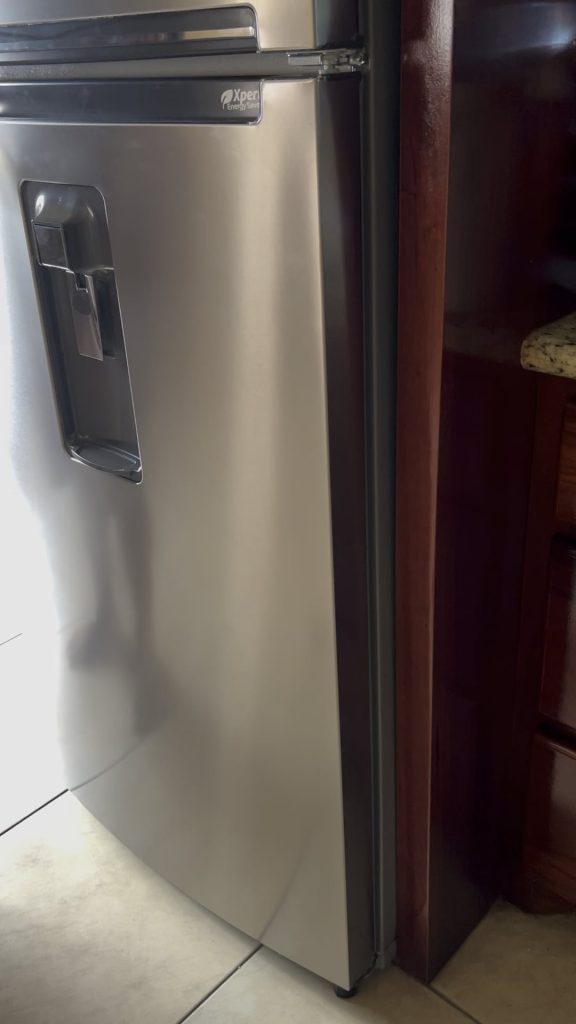
Is your refrigerator making a knocking noise that has you worried? You’re not alone.
A refrigerator is a crucial part of your kitchen, and any unusual sounds can be unsettling. You might wonder if the noise is a sign of a bigger problem or just a minor issue. Understanding why your refrigerator is knocking can save you from stress and potential costly repairs.
We’ll uncover the common reasons behind this noise and guide you on what steps to take. Keep reading to find out how you can ensure your refrigerator runs smoothly and quietly, giving you peace of mind and uninterrupted convenience in your daily life.

Credit: www.allaustinrepairs.com
Common Causes Of Knocking Noises
Knocking noises from a refrigerator can be puzzling and annoying. These sounds often signal a problem inside your appliance. Understanding common causes helps you spot the issue faster. Most knocking noises come from parts that move or pump inside the fridge.
Some causes are easy to fix, while others may need professional help. Let’s explore the usual suspects behind those knocking sounds.
Loose Or Damaged Fan Blades
Fan blades inside the fridge keep air moving to cool the compartments. If these blades are loose or damaged, they can hit nearby parts. This contact creates a knocking sound. Dirt or ice buildup can also make the blades unbalanced. Regular cleaning and checking can prevent this noise.
Compressor Issues
The compressor is the fridge’s heart, pumping refrigerant to cool the unit. If the compressor mounts or internal parts wear out, knocking noises occur. Sometimes, the compressor makes sounds as it starts or stops. This noise should be short and soft, not loud or constant.
Water Valve Problems
The water valve controls water flow to the ice maker and water dispenser. A faulty valve can cause knocking or clicking sounds. This happens when the valve tries to open or close but struggles due to blockages or wear. Checking the valve can solve water-related noises.
Ice Maker Malfunctions
The ice maker has moving parts that fill, freeze, and eject ice cubes. If these parts jam or break, they can cause knocking sounds. Ice buildup or misaligned components often lead to these noises. Regular maintenance keeps the ice maker running quietly.
Internal Component Vibrations
Vibrations inside the fridge can come from loose shelves, panels, or other parts. When the fridge runs, these components shake and knock against each other. Tightening screws or adjusting shelves can stop these annoying sounds. Vibrations often increase if the fridge is not level.
How To Diagnose The Noise Source
Identifying the exact source of a knocking noise in your refrigerator can save you time and prevent unnecessary repairs. Start by narrowing down where the sound is coming from. This focused approach helps you understand whether the issue is minor or requires professional attention.
Listening Techniques
Stand close to your refrigerator and listen carefully. Try to pinpoint if the noise happens continuously or only during specific cycles, like cooling or defrosting.
Use a simple tool like a wooden spoon or a paper towel tube pressed against different parts of the fridge to amplify sounds. This trick can help isolate the noise source more clearly.
Checking The Fan And Motor
The fan often causes knocking if it hits ice or debris. Open the fridge and freezer compartments and inspect the fan blades for damage or obstruction.
If you notice the fan struggling or making uneven sounds, it might need cleaning or replacement. A faulty motor can also produce knocking noises, so listen carefully near the motor housing.
Inspecting The Compressor
The compressor is the heart of your fridge’s cooling system and can make knocking sounds if it’s failing. Place your ear near the back bottom of the refrigerator where the compressor is located.
Listen for irregular knocking or clicking noises, which could indicate mechanical wear or issues with the compressor’s internal components. If you suspect this, it’s best to call a technician.
Examining The Water Inlet Valve
If your refrigerator has an ice maker or water dispenser, the water inlet valve might cause knocking sounds when it activates. This valve controls water flow and can make noise if clogged or faulty.
Check for any signs of leaks or unusual noises when the water dispenser or ice maker runs. Sometimes, replacing or cleaning the valve solves the knocking problem quickly.
Assessing The Ice Maker
The ice maker can produce knocking noises during ice ejection or water fill cycles. Watch the ice maker closely to see if the noise aligns with these actions.
Look for jammed ice cubes or mechanical parts that might be hitting each other. Clearing blockages or adjusting components often stops the knocking noise.
Simple Fixes You Can Try
If your refrigerator is making a knocking noise, it can be annoying and worrying. Before calling a technician, you might want to try some simple fixes yourself. These quick checks often solve the problem and save you time and money.
Tightening Loose Parts
Loose screws or panels can cause knocking sounds inside your fridge. Grab a screwdriver and gently check areas like the back panel and door hinges.
Make sure everything feels secure. Tightening these parts can stop the knocking instantly. Have you ever ignored a loose screw only to hear it rattle louder later?
Cleaning Fan Blades
Dust or debris on the fan blades can create noise when the fan spins. Switch off your refrigerator and unplug it for safety.
Carefully remove the fan cover and wipe the blades clean with a soft cloth. This simple cleaning often reduces or eliminates knocking sounds.
Leveling The Refrigerator
If your fridge isn’t sitting flat, it might knock against the floor or walls. Use a level tool to check if your refrigerator is balanced.
Adjust the feet at the bottom to make sure it stands evenly. Have you noticed how a slight tilt can cause unexpected noises?
Replacing Faulty Water Valves
The water valve controls the flow to the ice maker and water dispenser. A faulty valve can produce knocking or tapping noises.
Listen closely when the water dispenser is in use. If you hear unusual sounds, replacing the valve might be necessary.
Defrosting The Ice Maker
Ice buildup in the ice maker can cause knocking as parts try to move. If you hear noise near the ice maker, try defrosting it manually.
Turn off the ice maker and let the ice melt completely before turning it back on. This often clears the knocking and keeps your ice fresh.

Credit: highcityappliance.com
When To Call A Professional
Hearing a knocking noise from your refrigerator can be unsettling. Sometimes, it’s a minor issue you can fix yourself, but other times, the problem signals something more serious. Knowing when to call a professional can save you time, money, and frustration.
Persistent Compressor Noise
If the knocking sound comes from the compressor and doesn’t stop after a few minutes, it’s a red flag. The compressor is a complex part that keeps your fridge cool, and persistent noise might mean it’s failing or has internal damage.
Trying to fix compressor issues on your own can lead to bigger problems. A professional has the right tools and skills to diagnose and repair or replace the compressor safely.
Electrical Component Issues
Knocking noises tied to electrical parts like fans or the start relay can be tricky. If you notice flickering lights, your fridge not running properly, or the knocking happens alongside electrical symptoms, it’s time to get expert help.
Electrical problems carry safety risks, including shocks or fires. A trained technician can handle these risks and ensure your fridge works smoothly.
Complex Repairs And Replacements
Some repairs, like fixing the evaporator fan motor or the defrost timer, require special knowledge and tools. If your fridge’s knocking noise comes with other issues like inconsistent cooling or frost buildup, it likely needs more than a quick fix.
Calling a professional avoids guesswork and prevents damage to other parts. They can identify the root cause and fix it correctly the first time.
Safety Precautions
Refrigerators run on electricity and contain refrigerants that need careful handling. If you feel unsure about opening panels or dealing with wiring, don’t risk it.
Always unplug your fridge before any inspection, and if the noise persists or worsens, let a professional take over. Your safety and the appliance’s health come first.
Preventing Future Knocking Noises
Preventing future knocking noises in your refrigerator saves time and money. Small actions keep your fridge running smoothly. Consistent care avoids common mechanical problems. Follow simple habits to maintain quiet operation.
Regular Maintenance Tips
- Check door seals for tight closure.
- Inspect condenser coils every six months.
- Listen for unusual sounds during operation.
- Schedule professional checkups yearly.
Proper Loading And Placement
Balance items inside the fridge evenly. Avoid overloading shelves or blocking vents. Place the refrigerator on a flat, level surface. Keep it away from heat sources like ovens.
Routine Cleaning
Clean condenser coils with a brush or vacuum. Remove dust and debris to improve airflow. Wipe inside compartments regularly to prevent mold. Clear drain holes to avoid water buildup.
Monitoring For Early Signs
- Notice any new or louder knocking sounds.
- Check if the fridge struggles to cool properly.
- Watch for ice buildup in freezer areas.
- Act quickly if the door does not close tightly.

Credit: www.searshomeservices.com
Frequently Asked Questions
Why Is My Refrigerator Making A Knocking Noise?
A knocking noise often comes from the defrost timer or fan motor. It can also be due to loose parts or ice buildup. Regular maintenance helps prevent these sounds and keeps your fridge running smoothly.
Can A Knocking Noise Mean A Compressor Problem?
Yes, a knocking noise can indicate compressor issues. It may signal mechanical failure or refrigerant problems. If the sound persists, call a technician to inspect and fix the compressor to avoid further damage.
How Do I Stop My Fridge From Making Knocking Sounds?
To stop knocking sounds, check for loose parts and tighten them. Clean the condenser coils and defrost the freezer if ice buildup exists. Regular cleaning and maintenance reduce noise and improve efficiency.
Is A Knocking Noise Harmful To My Refrigerator?
A knocking noise can be a warning sign of mechanical issues. Ignoring it may cause serious damage and higher repair costs. Address the problem early to ensure your fridge works efficiently and lasts longer.
Conclusion
A knocking noise in your refrigerator can signal different issues. It might be the fan, compressor, or loose parts causing the sound. Paying attention to these noises helps keep your fridge working well. Fix small problems early to avoid bigger repairs later.
Regular cleaning and checks can stop noises from starting. Stay alert to sounds your fridge makes every day. Taking simple steps keeps your food fresh and your appliance quiet.