Are you tired of struggling with dust and dirt on your hard floors? Do you find sweeping to be a never-ending chore that never quite gets the job done?
If you’ve ever wondered whether you can simply vacuum your hard floors for a quick and efficient clean, you’re not alone. Imagine the convenience of using one tool to maintain spotless floors without the hassle. We’ll dive into whether vacuuming hard floors is the answer you’ve been seeking.
Get ready to discover how you can save time and effort, and achieve that pristine shine your floors deserve. Stay with us to uncover the secrets to a cleaner home with less stress.
Choosing The Right Vacuum
Choosing the right vacuum for hard floors is important. The wrong vacuum can scratch or damage your floor. The right one cleans well without causing harm. Consider the type, features, and how gentle it is on floors. This helps keep your floors clean and safe.
Vacuum Types For Hard Floors
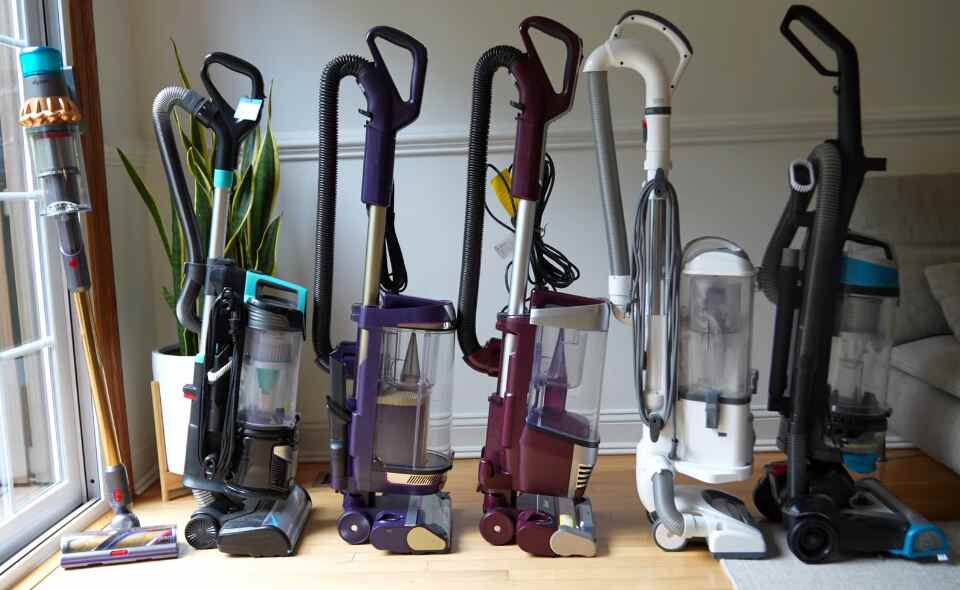
Some vacuums work better on hard floors than others. Stick vacuums are light and easy to use. Canister vacuums offer strong suction and good control. Robot vacuums clean hands-free but may miss corners. Upright vacuums can be heavy and may scratch floors if not careful.
Features To Look For
- Soft brush rolls or no brush roll to avoid scratches
- Adjustable suction power for delicate surfaces
- Good filtration to trap dust and allergens
- Lightweight design for easy handling
- Wide cleaning path to cover more area quickly
Avoiding Floor Damage
Look for vacuums with rubber or felt wheels. Hard plastic wheels can leave marks. Avoid using beater bars or rotating brushes on hard floors. Check the vacuum head for soft padding. Test suction on a small area before full use. Regular cleaning keeps floors looking new longer.
Preparing Floors For Vacuuming
Preparing hard floors for vacuuming ensures a thorough clean without damage. Proper preparation makes vacuuming easier and more effective. It helps remove large debris and fine dust that can clog the vacuum.
Clearing Debris And Obstacles
Start by removing large items like toys, shoes, and furniture. These block the vacuum and can cause scratches. Use a broom or dustpan to sweep up big dirt pieces. Clear cords and rugs to avoid tangling or damage. This step prevents the vacuum from missing spots or breaking down.
Handling Dust And Fine Particles
Fine dust can settle deep into floor grooves and corners. Use a microfiber cloth or mop to pick up dust before vacuuming. This prevents dust from spreading into the air. Vacuum slowly over corners and edges for better dust removal. Regular dust handling protects floor finish and keeps air cleaner.
Vacuuming Techniques
Vacuuming hard floors requires specific techniques to protect your surfaces and ensure a thorough clean. Using the right approach can prevent scratches and improve the vacuum’s effectiveness. Let’s dive into how you can adjust your vacuum and your motion for the best results.
Adjusting Settings For Hard Surfaces
Many vacuums have settings designed specifically for hard floors. Lowering the suction power can prevent the vacuum from sticking to the floor or causing damage.
Some models allow you to turn off the rotating brush or beater bar, which is crucial because these can scratch wood or tile. If your vacuum has a hard floor mode, always use it to protect your surfaces and improve dirt pickup.
Best Motion Patterns
How you move your vacuum matters. Instead of rushing over the floor, try slow, steady motions to pick up dust and debris effectively.
Push the vacuum forward and pull it back in straight lines. Avoid circular or random movements that can miss spots or scatter dirt. Overlapping each pass ensures no area is left untouched.
Frequency Of Vacuuming
Think about how often you vacuum your hard floors based on foot traffic and dirt buildup. High-traffic areas may need vacuuming several times a week, while less used rooms might only need it once a week.
Regular vacuuming prevents dirt from settling into grout or scratches forming from abrasive particles. Ask yourself: how often do you notice dirt or dust before it becomes visible? That’s a good indicator of when to vacuum again.
Credit: homenias.com
Maintaining Your Vacuum Cleaner
Maintaining your vacuum cleaner helps it work better and last longer. Dirt and dust can block parts and reduce suction. Regular care keeps your vacuum ready to clean hard floors well. Simple tasks make a big difference in performance.
Cleaning Brushes And Filters
Brushes pick up dirt but can get tangled with hair and threads. Remove debris from brushes to stop clogs and damage. Filters catch fine dust but get dirty over time. Clean filters by tapping them gently or washing if possible. Dry filters completely before placing them back. Clean brushes and filters often to keep strong suction.
Regular Maintenance Tips
- Check hoses and nozzles for blockages or cracks.
- Empty the dustbin or replace bags regularly.
- Wipe the vacuum’s body with a damp cloth.
- Inspect belts and replace if they show wear.
- Store the vacuum in a dry, cool place.
- Follow the manufacturer’s instructions for specific care.
Routine maintenance saves money on repairs and keeps floors clean. A well-maintained vacuum cleans hard floors gently and efficiently.
Alternative Cleaning Methods
Vacuuming hard floors is a great start, but it’s often not enough to leave your surfaces spotless. Dust and grime can cling stubbornly, making alternative cleaning methods essential. Adding these simple steps can elevate your cleaning routine and keep your floors truly fresh.
Mopping After Vacuuming
Vacuuming removes loose dirt and debris, but mopping tackles the fine dust and sticky spots that remain. Using a damp mop with warm water or a gentle floor cleaner can give your floors a polished shine. Have you noticed how a quick mop can brighten up your whole room after vacuuming?
Try using microfiber mops—they absorb dirt well and don’t leave streaks. Avoid soaking the floor; just a light damp mop prevents damage to wood or laminate surfaces. This two-step process makes your floors feel clean underfoot and extends their lifespan.
Using Microfiber Cloths
Microfiber cloths are fantastic for spot cleaning and wiping down hard floors. They pick up dust and hair effectively without scratching the surface. You can use them dry for dusting or slightly damp for tougher grime.
Keep a few microfiber cloths handy in different rooms for quick touch-ups. Have you ever tried wiping spills immediately with microfiber? It often prevents sticky residues and reduces the need for heavy cleaning later.
These cloths are reusable and easy to wash, making them an eco-friendly choice. They complement vacuuming perfectly by catching what the vacuum leaves behind. Could your cleaning routine benefit from this simple addition?

Credit: www.goodhousekeeping.com
Common Mistakes To Avoid
Vacuuming hard floors might seem straightforward, but there are common mistakes that can damage your floor or reduce your vacuum’s efficiency. Avoiding these errors will help you maintain a clean surface without causing harm. Let’s look at some frequent pitfalls and how you can prevent them.
Using Incorrect Attachments
Many people assume the same vacuum attachment works on all surfaces. Using a brush roll designed for carpets on hard floors can scratch or dull the finish. Instead, opt for a hard floor tool or a soft brush attachment specifically made for smooth surfaces.
Think about the last time you vacuumed your hardwood and noticed tiny scratches afterward. Those scratches often come from stiff bristles or rotating brushes that are too harsh. Always check if your vacuum has a hard floor setting or attachment to protect your floors.
Ignoring Manufacturer Guidelines
Vacuum manuals often include important instructions for cleaning different floor types. Skipping these guidelines can lead to misuse, such as using too much suction or the wrong settings. Your vacuum’s warranty might even be voided if you don’t follow these directions.
Have you ever felt unsure about which mode to use or how often to clean your floors with a vacuum? Manufacturer tips clear up confusion and ensure optimal performance. Take a moment to read those guidelines before you start; it saves time and prevents damage.
Enhancing Floor Shine
Enhancing the shine of hard floors keeps them looking fresh and clean. A bright floor creates a welcoming space and adds a polished touch to your home. Simple care and the right techniques can improve the floor’s natural glow. Regular vacuuming removes dust and dirt that dull the surface. Beyond cleaning, specific steps help to boost the floor’s shine and protect it from wear.
Polishing Tips
- Choose a polish designed for your floor type.
- Use a soft cloth or mop to apply polish evenly.
- Work in small sections to avoid streaks.
- Allow polish to dry completely before walking on it.
- Buff the surface gently with a clean, dry cloth for extra shine.
Protective Coatings
Protective coatings guard floors against scratches and stains. They keep the surface smooth and shiny for longer. Options include wax, polyurethane, and acrylic finishes.
- Wax provides a warm glow but needs regular reapplication.
- Polyurethane offers strong protection and a glossy look.
- Acrylic dries fast and resists yellowing over time.
- Apply coatings in thin, even layers for best results.
- Follow manufacturer instructions for drying times and care.
:max_bytes(150000):strip_icc()/spr-electrolux-ergorapido-cordless-vacuum-lisa-foustprater-08-b4fcc5f1cdf14a40a4a9b4bfaf1bfbfc.jpeg)
Credit: www.thespruce.com
Frequently Asked Questions
Can You Vacuum Hard Floors Without Damaging Them?
Yes, you can vacuum hard floors safely. Use a vacuum with a soft brush or a setting for hard floors to avoid scratches.
What Type Of Vacuum Is Best For Hard Floors?
A vacuum with a hard floor setting or soft brush roll works best. Stick vacuums and canister vacuums are great options for hard floors.
Should You Use A Vacuum Or Broom On Hard Floors?
Vacuuming is more effective at removing dust and debris from hard floors. It also prevents dust from spreading compared to sweeping.
Can Vacuuming Hard Floors Remove Pet Hair Effectively?
Yes, vacuuming hard floors can remove pet hair efficiently. Use a vacuum with strong suction and a brush designed for hard surfaces.
Conclusion
Vacuuming hard floors is safe with the right vacuum cleaner. Choose one with a hard floor setting or soft brush. This prevents scratches and keeps floors clean. Regular vacuuming removes dust and dirt quickly. It saves time compared to sweeping.
Always check your vacuum’s features before use. Clean floors look better and last longer. Small steps make a big difference in home care. Try vacuuming hard floors to see how easy it can be. A little care keeps your floors shining every day.