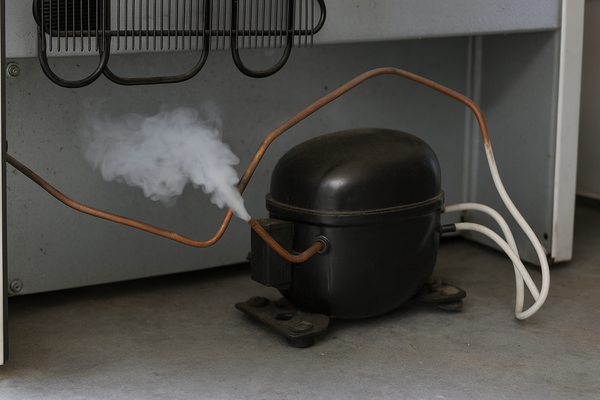
Are you worried that your refrigerator might be leaking Freon? If so, you’re not alone.
Many people are unaware of the signs that their fridge is malfunctioning until it’s too late. Freon leaks can lead to inefficiency, higher electricity bills, and even health concerns. But how can you tell if your refrigerator is leaking this crucial coolant?
Imagine opening your fridge, expecting to find your groceries cool and fresh, only to discover they’re warm and spoiled. It’s a frustrating scenario that nobody wants to experience. Understanding the signs of a Freon leak can help you avoid this inconvenience and protect your home. We’ll explore the telltale signs that your refrigerator might be leaking Freon and what you can do about it. Get ready to uncover the secrets that will keep your fridge running smoothly and your food safe.

Credit: www.allaustinrepairs.com
Common Causes Of Freon Leaks
Freon leaks in your refrigerator can cause serious cooling problems and increase energy bills. Identifying the common causes of these leaks helps you address the issue quickly and avoid costly repairs. Understanding where and why leaks occur lets you take control of your appliance’s health.
Worn Out Seals And Gaskets
Seals and gaskets keep the refrigerant contained within your fridge’s system. Over time, these parts can dry out, crack, or become brittle due to age or frequent door openings. If you notice your refrigerator door doesn’t close tightly or feels loose, worn seals could be allowing Freon to escape.
Have you checked the rubber lining around your fridge door lately? Replacing these seals is often a simple fix that prevents leaks and keeps your fridge running efficiently.
Corroded Refrigerant Lines
Refrigerant lines carry Freon throughout your fridge to cool different sections. These metal lines can corrode due to moisture or chemical exposure, causing tiny holes or cracks. Even a small puncture can lead to a significant Freon leak over time.
Look for oily spots or residue near the lines, which might indicate a leak. Regular maintenance and inspections can catch corrosion early before it damages your refrigerator further.
Damaged Compressor Components
The compressor is the heart of your fridge’s cooling system, pumping Freon through the coils. If compressor parts become worn or damaged, they can create leaks or reduce pressure, affecting performance. Strange noises or your fridge running nonstop could signal compressor issues.
Have you experienced uneven cooling or temperature swings? These symptoms often point to compressor problems that may cause Freon leaks and require professional attention.
Signs Of A Freon Leak
Detecting a Freon leak early can save your refrigerator from serious damage. Freon is essential for cooling. Signs of a leak often appear in the appliance’s performance and appearance. Spotting these signs helps you act fast and avoid costly repairs.
Unusual Frost Or Ice Build-up
Frost or ice may form where it usually doesn’t. This build-up can appear on the freezer walls or coils. It means the refrigerant is not circulating properly. The leak causes uneven cooling, resulting in excess frost.
Warm Refrigerator Interior
The fridge may feel warmer than normal inside. Items might spoil faster or not stay cold enough. This happens because the cooling system loses its power. A Freon leak reduces the fridge’s ability to keep a low temperature.
Hissing Or Bubbling Noises
You might hear strange sounds like hissing or bubbling. These noises often come from the back or inside the fridge. They indicate gas escaping from the refrigerant lines. Such sounds are a clear sign of a leak.
Increased Energy Bills
Your electricity bill may rise without reason. A leaking fridge works harder to stay cold. This extra effort uses more energy over time. Higher bills can be a hidden signal of a Freon leak.
Health And Safety Concerns
Refrigerator Freon leaks pose serious health and safety risks. Recognizing these dangers helps protect your home and family. The gas can affect breathing and the environment. Knowing when to act can prevent harm and keep everyone safe.
Potential Respiratory Issues
Freon is a chemical that can irritate the lungs. Breathing in Freon may cause coughing, shortness of breath, or chest tightness. People with asthma or lung problems are more vulnerable. Prolonged exposure can lead to dizziness or headaches. Always ensure good ventilation if you suspect a leak.
Environmental Impact
Freon is harmful to the ozone layer. It contributes to global warming and climate change. Even small leaks add up to bigger environmental damage. Proper disposal and repair reduce these risks. Avoid releasing Freon into the air to protect nature.
When To Evacuate The Area
Strong chemical smells or visible gas clouds call for quick action. Evacuate if anyone feels dizzy, nauseous, or has trouble breathing. Leave doors and windows open to air out the space. Call emergency services if symptoms worsen. Do not re-enter until professionals say it is safe.

Credit: www.townappliance.com
How To Confirm A Freon Leak
Confirming a freon leak in your refrigerator is essential to avoid costly repairs and keep your appliance running efficiently. Knowing the right ways to detect a leak can save you time and frustration. Let’s explore practical methods you can use to identify if freon is escaping from your fridge.
Using A Leak Detection Kit
A leak detection kit is a handy tool that helps you find freon leaks quickly. These kits often include a UV dye that you add to your refrigerator’s system. After running the fridge for a few hours, use the UV light included to inspect for glowing spots where the dye has escaped.
These kits are affordable and easy to use, even if you’re not a professional. However, make sure to follow the instructions carefully to get accurate results. Have you ever tried using one? It’s surprising how small leaks can be spotted this way.
Professional Inspection
If you’re unsure about handling chemicals or tools, a professional technician is your best bet. Experts use specialized electronic leak detectors or refrigerant analyzers to pinpoint leaks accurately. They also check for hidden problems that might not be obvious during a DIY inspection.
Hiring a professional can save you money in the long run by fixing the problem early. Plus, they can safely recharge your refrigerator with the correct amount of freon. Would you rather risk a small mistake or get peace of mind from an expert?
Diy Methods To Spot Leaks
You don’t always need fancy tools to suspect a freon leak. One simple trick is to listen for hissing sounds near the coils or compressor—this can indicate escaping gas. Another way is to look for oily residue or frost buildup around the fridge’s cooling components.
Smell can also be a clue; a chemical or sweet odor may suggest refrigerant leakage. While these signs don’t confirm a leak on their own, they help you decide if it’s time to test further or call a professional. What signs have you noticed in your refrigerator that made you suspicious?
Steps To Take If You Suspect A Leak
Suspecting a Freon leak in your refrigerator calls for quick action. Taking the right steps helps protect your appliance and home. Acting fast reduces damage and health risks.
Here are important steps to follow when you sense a leak. These actions keep you safe and prepare for proper repair.
Turning Off The Refrigerator
Switch off the refrigerator immediately to stop the leak from spreading. Unplug the appliance from the power outlet. This prevents electrical hazards and further damage. Keep the door open slightly for ventilation but avoid sealing it shut.
Contacting A Certified Technician
Reach out to a licensed HVAC or appliance repair technician. Only trained professionals can handle Freon safely. They will locate and fix the leak properly. Avoid trying to repair or refill the Freon yourself. This ensures compliance with safety and environmental rules.
Temporary Measures To Minimize Damage
- Move food items to a cooler or another working fridge.
- Keep the room ventilated by opening windows or using fans.
- Avoid inhaling strong chemical smells near the fridge.
- Do not use sharp objects on the appliance to find leaks.
- Keep children and pets away from the area.

Credit: www.searshomeservices.com
Preventing Future Freon Leaks
Preventing future Freon leaks in your refrigerator saves money and protects the environment. Small leaks grow over time and reduce cooling efficiency. Taking simple steps helps keep your appliance in good shape.
Regular Maintenance Tips
Clean the coils at least twice a year to remove dust and dirt. Check door seals for cracks or gaps that let cold air escape. Inspect the refrigerator for unusual noises or frost buildup. Schedule professional service every few years to check refrigerant levels and system health.
Proper Usage Habits
Avoid overloading the fridge as it blocks air circulation and strains the compressor. Keep the door closed tightly and open it only when necessary. Place hot food outside to cool before storing inside. Maintain a steady temperature between 37°F and 40°F to reduce stress on the system.
When To Replace Old Equipment
Older refrigerators often develop leaks due to wear and tear. Consider replacement if your fridge is over 10 years old and repairs are frequent. New models use eco-friendly refrigerants and are more energy efficient. Upgrading reduces the risk of Freon leaks and lowers electricity bills.
Frequently Asked Questions
How Can I Detect A Freon Leak In My Refrigerator?
Look for warm spots, ice buildup, or hissing sounds near the coils. These signs often indicate a Freon leak in refrigerators.
What Are Common Symptoms Of Freon Leakage?
Symptoms include poor cooling, increased energy bills, and strange odors. These issues suggest your refrigerator might be losing Freon gas.
Is It Safe To Use A Refrigerator Leaking Freon?
No, using a refrigerator leaking Freon can be hazardous. Freon exposure can harm health and reduce appliance efficiency.
How Do Professionals Find Freon Leaks?
Technicians use electronic leak detectors or UV dye tests. These methods accurately locate Freon leaks in refrigerators.
Conclusion
A leaking Freon in your refrigerator can cause cooling problems. Watch for signs like warm food or strange noises. Detecting leaks early saves money and prevents damage. Call a professional for safe Freon handling and repair. Keep your fridge working well and your food fresh.
Regular checks help avoid big issues later. Stay alert to any changes in performance. Taking quick action protects your home and health.