Your refrigerator is the unsung hero of your kitchen, tirelessly working to keep your food fresh and your drinks cool. But what happens when it starts losing its chill?
If you’ve noticed your fridge isn’t as cold as it used to be, you might wonder if it needs more Freon. Freon is the lifeblood of your refrigerator’s cooling system, and without it, your fridge can’t do its job. But how do you know if your refrigerator needs a Freon boost?
Is it something you can easily detect, or do you need to call in the experts? In this guide, we’ll uncover the signs that hint your fridge might be running low on Freon, helping you save time, money, and keep your cool. Keep reading, and you’ll discover the secrets to maintaining your refrigerator’s performance without the hassle.

Credit: www.allaustinrepairs.com
Signs Of Low Freon
Signs of low Freon in a refrigerator show up through changes in its performance. These signs can help identify a Freon problem early. Noticing them can save from costly repairs and spoiled food. Pay attention to how your refrigerator feels and sounds. Here are some common signals that Freon might be low.
Warm Interior Temperatures
The refrigerator should keep food cold and fresh. A warm fridge interior means it is not cooling properly. Low Freon reduces the cooling power inside the fridge. Check if the temperature feels higher than usual. This is often the first sign of Freon loss.
Frost Buildup In Freezer
Frost or ice buildup inside the freezer is unusual. It happens when the cooling system works harder but fails to cool. Low Freon can cause uneven cooling and moisture freeze. Look for thick frost layers on freezer walls or shelves. This indicates an issue with the refrigerant.
Unusual Noises
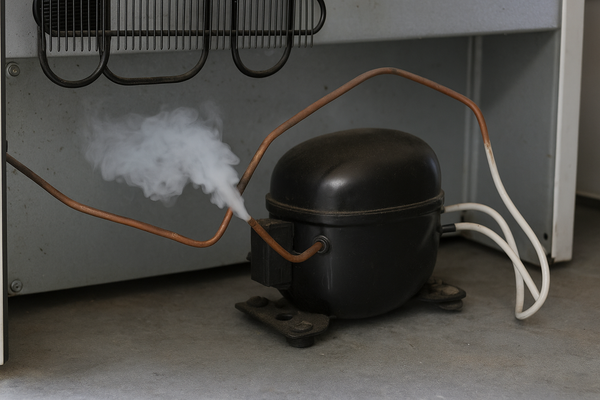
Strange sounds from the fridge can signal a Freon leak. Hissing or bubbling noises may come from the coolant system. These noises happen when Freon escapes from pipes or coils. Listen carefully for any new or odd sounds. They warn about possible Freon problems.
Longer Running Cycles
The refrigerator normally cycles on and off to maintain temperature. Longer running times mean it struggles to cool the interior. Low Freon forces the compressor to run more often and longer. This wastes energy and wears out parts faster. Notice if your fridge runs almost continuously.
Checking For Refrigerant Leaks
Checking for refrigerant leaks is a key step in figuring out if your refrigerator needs Freon. Leaks not only reduce cooling efficiency but can also cause damage over time. Catching signs early helps you avoid expensive repairs and keep your fridge running smoothly.
Oil Residue Around Coils
Look closely at the coils inside or behind your fridge for any oily spots. Refrigerant leaks often carry oil from the system, leaving a greasy residue on or near the coils. If you spot this, it’s a strong hint that your fridge might be losing refrigerant.
Have you noticed any sticky or shiny patches where the coils meet other parts? This could be a subtle sign of trouble. Don’t ignore these small clues—they often point to where the refrigerant is escaping.
Hissing Sounds
Pay attention to unusual noises coming from your refrigerator, especially a faint hissing sound. This noise can mean refrigerant is leaking under pressure. Try to isolate where the sound is coming from—often it’s near the compressor or tubing.
Hissing isn’t always obvious, so listen closely during quieter times at home. If you hear it, it’s a clear signal you need to get your fridge checked before the problem worsens.
Visible Damage To Components
Inspect the fridge’s components for cracks, dents, or corrosion, particularly around the coils and pipes. Physical damage can create openings for refrigerant to escape. Even small cracks can lead to significant leaks over time.
Think about whether your fridge has been bumped or moved recently. Such incidents can cause hidden damage that results in leaks. Spotting these issues early helps you act before your fridge stops cooling properly.
Impact Of Low Freon On Performance
Low Freon levels in your refrigerator can seriously affect how well it performs. Freon is essential for the cooling process, and without enough of it, your fridge struggles to maintain the right temperature. This decline in performance can lead to frustrating problems that impact your daily life and food safety.
Food Spoilage Risks
When Freon runs low, the fridge can’t keep things cold enough. This means your fresh fruits, vegetables, and leftovers spoil faster than usual. You might notice that ice cream melts quickly or milk sours sooner, which is a clear sign your refrigerator is not cooling properly.
Have you ever opened your fridge only to find food that looks off or smells strange? That could be due to low Freon causing inconsistent temperatures inside. It’s not just an inconvenience—it’s a risk to your health.
Increased Energy Consumption
A fridge with low Freon has to work much harder to keep cool. The compressor runs longer and more frequently, which uses more electricity. This means your energy bills can spike without any change in your usage habits.
Think about your last electricity bill—was it higher than usual? If your fridge is old or sounds like it’s running nonstop, low Freon might be the culprit. Fixing this not only protects your food but also saves you money on energy costs.
When To Call A Professional
Deciding when to call a professional for your refrigerator is important. Some signs of Freon issues require expert help. Trying to fix refrigerant problems alone can be risky and may worsen the damage.
Refrigerant handling needs special care and tools. Professionals have the skills and equipment to work safely and correctly. They know how to check for leaks and recharge the system without causing harm.
Handling Refrigerant Safely
Freon is a chemical that requires careful handling. Direct contact can harm your skin and lungs. It is also bad for the environment if released improperly.
- Only trained people should touch refrigerants.
- Special tools are needed to avoid leaks.
- Proper disposal of old refrigerant is important.
Improper handling can cause injury or damage to your fridge. Professionals follow safety rules to protect you and your home.
Authorized Technician Services
Certified technicians have the right licenses to work with refrigerants. They can diagnose the exact problem quickly and accurately.
- They test for leaks using special equipment.
- They refill the correct amount of Freon.
- They ensure your refrigerator runs efficiently after the service.
Calling an authorized technician saves time and prevents extra costs. It keeps your fridge running well and extends its life.
Preventive Maintenance Tips
Preventive maintenance helps your refrigerator run smoothly. It also reduces the risk of Freon leaks. Small actions today save costly repairs tomorrow. Follow these tips to keep your fridge in top shape.
Regular Cleaning
Clean the coils at the back or bottom of your fridge. Dust and dirt block airflow. This makes the compressor work harder. Wipe door seals to keep them tight. A good seal keeps cold air inside and stops Freon loss.
Monitoring Temperature Settings
Keep the fridge temperature between 37°F and 40°F. Freezers should stay at 0°F. Too cold or too warm can cause problems. Check the settings often. Use a thermometer to confirm the actual temperature.
Scheduling Inspections
Have a professional check your refrigerator yearly. They can spot small Freon leaks early. Inspections also ensure all parts work well. Timely repairs extend your fridge’s life and efficiency.

Credit: www.searshomeservices.com

Credit: www.townappliance.com
Frequently Asked Questions
How Can I Tell If My Refrigerator Is Low On Freon?
If your fridge isn’t cooling properly, it may be low on Freon. Look for warm spots or frost buildup inside. Also, unusual noises can indicate a refrigerant leak. A technician can confirm and safely recharge the Freon if needed.
What Are Common Signs Of Freon Leaks In Refrigerators?
Common signs include warm cooling, ice buildup on coils, and hissing sounds. Your fridge may run constantly without cooling well. These issues suggest Freon leaks that require professional repair to restore proper function.
Can I Add Freon To My Refrigerator Myself?
No, adding Freon requires special tools and certification. Handling refrigerants improperly can be dangerous and illegal. Always hire a licensed technician to diagnose and recharge your refrigerator safely and correctly.
How Often Does A Refrigerator Need Freon Recharge?
Refrigerators typically don’t need Freon recharged unless there is a leak. Properly sealed systems maintain refrigerant levels for years. If cooling issues arise, have a technician check for leaks before adding Freon.
Conclusion
A refrigerator low on Freon shows clear signs you can spot. Strange noises, warm spots, or frost buildup all hint at trouble. Acting quickly helps avoid bigger problems and costly repairs. Regular checks keep your fridge running smoothly and food fresh.
Don’t ignore unusual changes in cooling or sounds. Simple steps can save time and money in the long run. Stay alert and keep your fridge in good shape.