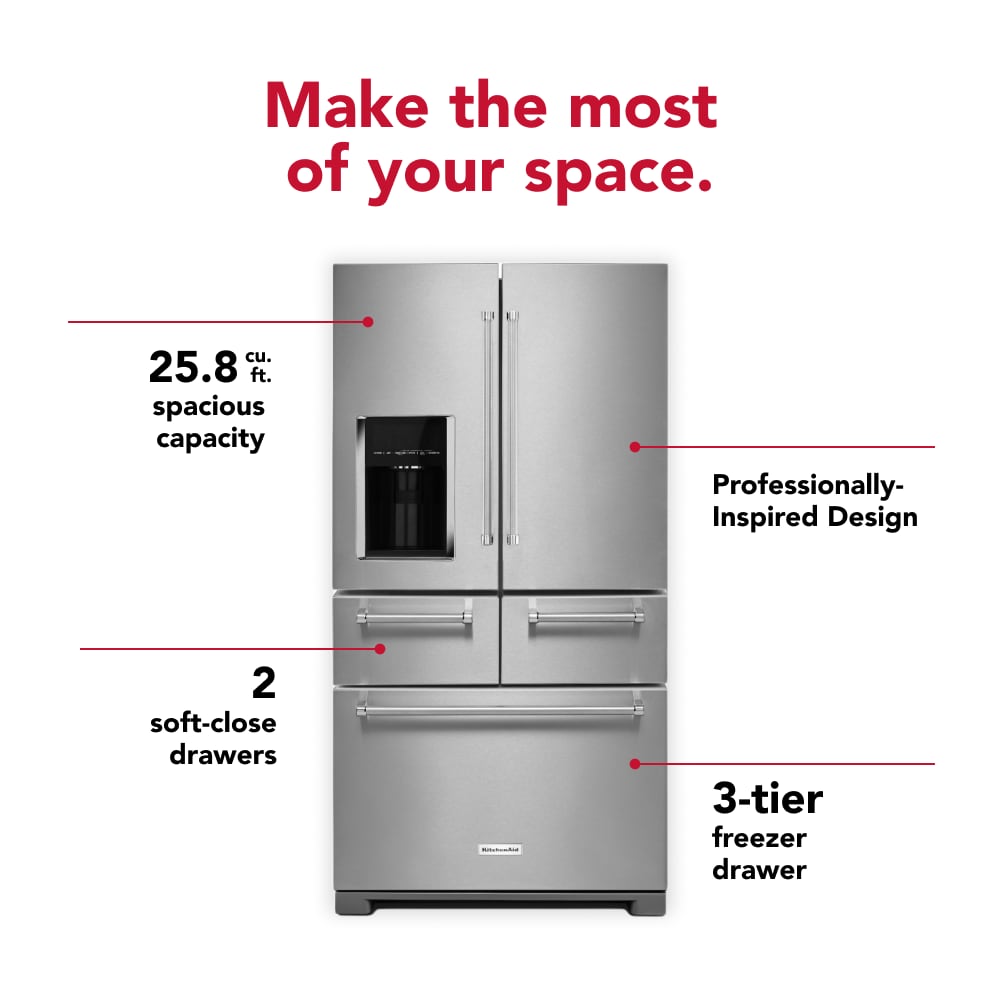
When you’re shopping for a new refrigerator, you might be thinking about its size, style, and energy efficiency. But have you ever considered how much it weighs?
Understanding the weight of a typical refrigerator is more important than you might think. Whether you’re planning a move, curious about delivery logistics, or just keen to know how your new appliance might impact your kitchen floor, knowing its weight can help you make informed decisions.
We’ll delve into the factors that affect refrigerator weight and why it matters to you. Stick around to discover everything you didn’t know you needed to know about refrigerator weight.

Credit: romanmover.com
Average Weight Of Refrigerators
The average weight of refrigerators varies by size and type. Knowing the weight helps when moving or installing a fridge. It also affects shipping and delivery options. Most refrigerators weigh between 100 to 400 pounds. Size and design play a big role in the weight differences.
Weight Range By Size
Small refrigerators usually weigh between 100 and 150 pounds. These are compact models for dorms or offices. Medium-sized fridges typically range from 150 to 250 pounds. They fit well in most homes and apartments. Large refrigerators can weigh from 250 up to 400 pounds. These models often have extra features and bigger capacities.
| Refrigerator Size | Average Weight (lbs) |
|---|---|
| Compact (Under 10 cu. ft.) | 100 – 150 |
| Mid-size (10-20 cu. ft.) | 150 – 250 |
| Full-size (20+ cu. ft.) | 250 – 400 |
Weight Differences By Type
Top-freezer models are usually lighter, weighing about 150 to 250 pounds. Side-by-side refrigerators tend to be heavier, often between 250 to 350 pounds. French door fridges often weigh the most, sometimes reaching 350 to 400 pounds. Built-in models are heavier due to extra materials and installation parts.
- Top-Freezer: 150 – 250 lbs
- Side-by-Side: 250 – 350 lbs
- French Door: 350 – 400 lbs
- Built-In: 300 – 450 lbs
Credit: www.homedepot.com
Weight By Refrigerator Types
The weight of a refrigerator varies significantly depending on its type and design. Understanding these differences can help you plan for delivery, installation, or even moving your appliance. Let’s break down typical weights by popular refrigerator styles, so you know what to expect for each.
Top-freezer Models
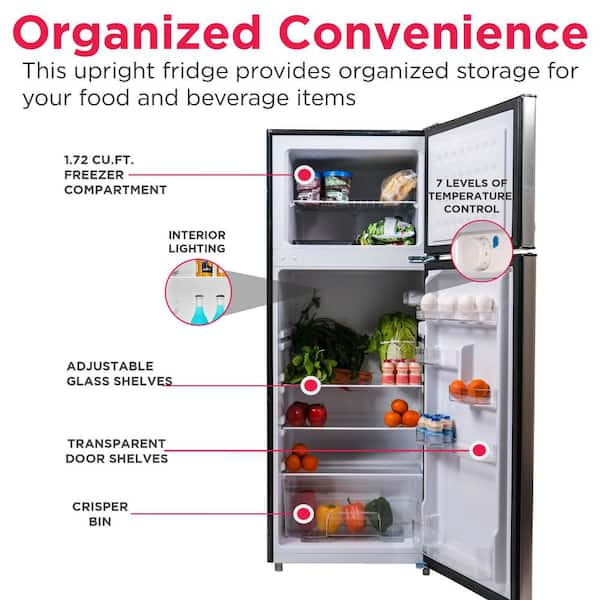
Top-freezer refrigerators are often the lightest among full-sized models. Most of these units weigh between 150 to 250 pounds. Their simpler design and smaller size make them easier to move and install.
Have you noticed how compact these models tend to be? That’s partly why they’re popular in apartments or smaller kitchens where weight and space matter.
Bottom-freezer Models
Bottom-freezer refrigerators are usually heavier, ranging from 200 to 300 pounds. The freezer drawer at the bottom adds extra weight and complexity to the structure.
If you’re considering one, think about whether your floors and pathways can support this additional weight during delivery. It can make a difference when navigating staircases or narrow hallways.
Side-by-side Models
Side-by-side refrigerators typically weigh between 250 to 350 pounds. Their vertical design with two doors adds bulk and weight. These models often include more features, which can increase the overall mass.
Do you have enough space to accommodate the width and weight of these units? Planning ahead can save you from surprises during installation.
French Door Models
French door refrigerators are among the heaviest, often tipping the scales at 300 to 400 pounds. The combination of wide doors and a bottom freezer contributes to their substantial weight.
While they offer great style and storage, you should prepare for a more challenging move. Are you ready to enlist help or hire professionals to manage this?
Compact Refrigerators
Compact refrigerators are the lightest, usually weighing between 40 to 80 pounds. Their small size makes them perfect for dorm rooms, offices, or as secondary fridges.
If you want something easy to carry or relocate, a compact model is a smart choice. Have you ever tried moving a large fridge alone? Compact units save you that hassle.
Factors Influencing Refrigerator Weight
Several factors affect the weight of a typical refrigerator. Understanding these can help you choose the right model for your space and needs. Weight varies widely due to design and features.
Materials Used
Refrigerators are made from different materials that impact weight. Steel and aluminum frames add strength but increase weight. Plastic components are lighter but less durable. Glass shelves and doors add extra pounds too.
Capacity And Dimensions
Bigger refrigerators weigh more due to larger size and volume. Capacity is measured in cubic feet. A compact fridge may weigh under 100 pounds. Large models, like side-by-side or French door fridges, can weigh over 300 pounds.
Additional Features
Extra features add weight to refrigerators. Built-in ice makers, water dispensers, and digital controls require extra parts. Some models have multiple compressors or heavy insulation for energy efficiency. These add to the overall weight significantly.
Credit: mygoodmovers.com
Why Weight Matters
Weight plays a key role in choosing a refrigerator. It affects many aspects beyond just lifting it. Understanding why weight matters helps in making smart decisions. It impacts moving, energy use, and the fridge’s strength. Knowing these points guides you to the best choice for your needs.
Moving And Installation
Heavier refrigerators need more effort to move. You may need extra help or special tools. Doors and floors must handle the weight safely. Installation can take longer with heavy models. Lighter fridges are easier to carry and fit through doorways.
Energy Efficiency
Weight can affect how much energy a fridge uses. Heavier fridges often have more insulation inside. This helps keep cold air in and saves power. Some heavy models use energy better than light ones. Check the energy rating, not just the weight.
Durability And Build Quality
Weight often shows the build quality of a fridge. Heavier fridges usually have stronger parts. Metal shelves and thick walls add weight and last longer. Light fridges may feel less sturdy and wear out faster. Consider weight as a sign of durability and value.
Tips For Handling Heavy Refrigerators
Handling a heavy refrigerator needs care and the right approach. Moving these appliances without proper steps can cause injuries and damage. Follow key tips to keep the process safe and smooth. Knowing how to lift, what tools to use, and when to call for help makes a big difference.
Safe Moving Techniques
- Clear the path before you start moving the fridge.
- Bend your knees and keep your back straight when lifting.
- Use slow, steady movements to avoid sudden shifts.
- Work with a partner to share the weight evenly.
- Keep the refrigerator upright to protect its parts.
Tools And Equipment
- Dollies or hand trucks help carry heavy loads easily.
- Straps secure the refrigerator and prevent slipping.
- Furniture sliders protect floors and ease movement.
- Gloves improve grip and protect your hands.
- Measuring tape ensures the fridge fits through doorways.
Hiring Professionals
Professionals bring experience and equipment to handle heavy fridges safely. They reduce risks of injury and damage. Choose movers with good reviews and proper insurance. This option saves time and stress during big moves. It is worth the cost for peace of mind.
Weight Information On Product Labels
Weight information on product labels helps buyers understand the size and handling needs of refrigerators. It gives clear data for transport and installation planning. This info can avoid surprises when moving or fitting the appliance in a home.
Finding Weight Details
Look for the weight on the product label or specification sheet. This label is usually on the side or back of the refrigerator. Sometimes, weight is listed under “Specifications” or “Technical Details.”
Retail websites often include weight in the product description. Manuals and brochures also show this data. If missing, ask the seller or check the manufacturer’s site.
Interpreting Specifications
Weight on labels often shows two numbers: net and gross weight. Net weight means the fridge alone. Gross weight includes packaging and accessories.
Use net weight for moving and placing the fridge. Gross weight helps during shipping or delivery. Weight is usually in pounds (lbs) or kilograms (kg).
Remember, larger refrigerators weigh more. Compact models weigh less, often under 100 kg (220 lbs). Full-size fridges can weigh 150 kg (330 lbs) or more.
Frequently Asked Questions
How Much Does A Standard Refrigerator Weigh?
A standard refrigerator typically weighs between 200 to 400 pounds. The exact weight depends on its size, model, and features. Compact refrigerators are lighter, while larger models with more compartments weigh more. Knowing the weight helps in planning transportation and installation.
What Factors Affect A Refrigerator’s Weight?
A refrigerator’s weight depends on its size, materials, and internal components. Larger models with steel bodies and extra features weigh more. Built-in ice makers and multiple doors add to the weight. Energy-efficient models may use lighter insulation but still vary.
Can Refrigerator Weight Impact Delivery Costs?
Yes, refrigerator weight directly impacts delivery and shipping costs. Heavier units require more handling and special equipment. Delivery companies may charge extra for heavier or larger refrigerators. Knowing the weight helps you estimate delivery fees and prepare accordingly.
Why Is Knowing A Refrigerator’s Weight Important?
Knowing a refrigerator’s weight is crucial for safe moving and installation. It helps determine if you need extra help or special equipment. Weight knowledge prevents damage to floors and walls during transport. It also informs proper vehicle choice for moving.
Conclusion
A typical refrigerator usually weighs between 150 and 300 pounds. Size and features affect the weight a lot. Knowing the weight helps with moving and installation. Always check the specs before buying or moving a fridge. This way, you avoid surprises and stay safe.
Remember, a heavier fridge may need more help to move. Keep these points in mind for a smooth experience.