If you’ve ever found yourself puzzled about refrigerants and their classifications, you’re not alone. The world of HVAC and refrigeration can seem complex, but understanding it is crucial, especially when it comes to safety and efficiency.
Among the many refrigerant classifications, A2L refrigerants have gained significant attention. But which of the following is classified as an A2L refrigerant? You’re about to uncover the answer, and it’s more relevant to you than you might think. Whether you’re a homeowner, a technician, or simply curious, this knowledge can impact your choices and the environment around you.
Imagine making informed decisions that not only help you save money but also contribute to a greener planet. Keep reading to discover which refrigerants fall into the A2L category and why it matters to you.

Credit: www.achrnews.com
A2l Refrigerants Basics
A2L refrigerants are a newer class of refrigerants designed for better safety and lower environmental impact. They are gaining attention in HVAC and refrigeration industries due to stricter regulations on traditional refrigerants. Understanding the basics of A2L refrigerants helps in choosing the right options for cooling systems.
Classification Criteria
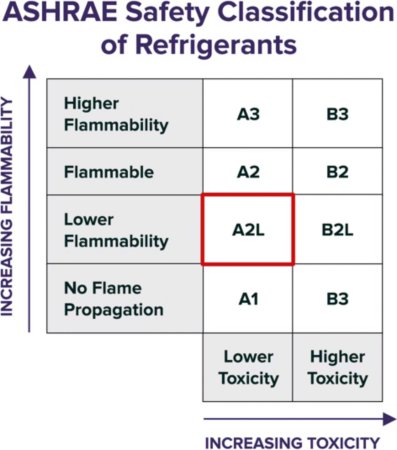
A2L refrigerants are classified based on their flammability and toxicity. The “A” stands for lower toxicity. The “2L” indicates mild flammability with low flame speed. This means they are less flammable than highly flammable refrigerants but still require careful handling. The classification follows international standards such as ASHRAE Standard 34.
- Lower toxicity than other refrigerants
- Mildly flammable with a slow flame spread
- Meet specific safety standards for use
Safety And Environmental Impact
A2L refrigerants have lower global warming potential (GWP) compared to older refrigerants. They reduce harm to the environment while maintaining efficiency. Despite mild flammability, safety measures can manage risks effectively. Proper system design and installation are key to safe use. These refrigerants support the transition to greener cooling technologies.

Credit: www.daikinapplied.com
Common A2l Refrigerants
A2L refrigerants are gaining popularity for their lower environmental impact combined with mild flammability. Understanding the common types helps you choose the right refrigerant for your cooling needs. Let’s look at some of the most widely used A2L refrigerants and what makes them stand out.
R-32
R-32 is one of the most common A2L refrigerants used today. It offers excellent energy efficiency compared to older refrigerants. You might find it in many modern air conditioners and heat pumps because it reduces greenhouse gas emissions while maintaining performance.
However, R-32 has mild flammability, so safety precautions are necessary during installation and servicing. Have you checked if your technician is trained to handle such refrigerants? That’s a critical step to ensure safety in your home or business.
R-1234yf
R-1234yf is popular in automotive air conditioning systems. It’s chosen for its low global warming potential and compatibility with existing equipment. Many car manufacturers switched to R-1234yf to meet strict environmental regulations without compromising cooling efficiency.
One surprising fact is that despite its flammability, it’s considered safe under controlled conditions. If you own a vehicle using this refrigerant, make sure your mechanic is aware of the specific handling requirements to avoid risks.
R-1234ze
R-1234ze is another A2L refrigerant often used in commercial refrigeration and heat pump applications. It offers a good balance between safety and environmental benefits. Many businesses choose it to reduce their carbon footprint while maintaining reliable cooling performance.
Its slightly different chemical properties make it suitable for systems designed to minimize flammability risks. Are you planning to upgrade your commercial cooling system? Understanding the specific advantages of R-1234ze could help you make a smarter choice.
Benefits Of A2l Refrigerants
A2L refrigerants offer a promising option for those looking to balance performance with environmental responsibility. These refrigerants combine safety features with efficiency, making them an attractive choice for modern cooling systems. Understanding their benefits can help you decide if they fit your specific needs.
Energy Efficiency
A2L refrigerants typically require less energy to achieve the same cooling effect compared to traditional refrigerants. This means lower electricity bills and reduced strain on your HVAC system. Have you noticed how some air conditioners run longer but don’t cool as well? Switching to an A2L refrigerant could change that experience for you.
Besides saving energy, these refrigerants often enable systems to run quieter and with less wear and tear. That’s a win for both your comfort and your equipment’s lifespan.
Lower Global Warming Potential
One of the biggest advantages of A2L refrigerants is their significantly reduced impact on the environment. These refrigerants have a much lower Global Warming Potential (GWP) than older options like R-410A. This means using them helps slow down climate change, something every user can feel good about.
Choosing A2L refrigerants can also prepare your home or business for future regulations, which increasingly favor low-GWP solutions. Isn’t it better to stay ahead of the curve rather than face costly upgrades later?

Credit: www.fermag.com
Applications Of A2l Refrigerants
A2L refrigerants have become popular due to their low global warming potential and mild flammability. These refrigerants fit well in many cooling and heating systems. Their unique properties make them a preferred choice for new equipment and retrofits.
Using A2L refrigerants helps reduce environmental impact. They provide efficient cooling with improved safety measures. Various industries adopt these refrigerants for different applications.
Residential Hvac
A2L refrigerants are widely used in home heating and cooling systems. They work well in air conditioners and heat pumps. Their low flammability allows safer use in residential areas. These refrigerants offer energy-efficient performance with less harm to the environment.
Automotive Air Conditioning
Car manufacturers use A2L refrigerants in vehicle air conditioning systems. These refrigerants help reduce emissions from cars. They cool quickly and maintain comfortable cabin temperatures. Their mild flammability requires special safety designs in vehicles.
Commercial Refrigeration
Supermarkets and stores use A2L refrigerants in refrigeration units. They cool food and beverages effectively while lowering greenhouse gas emissions. These refrigerants fit well in display cases, walk-in coolers, and freezers. Their use supports stricter environmental regulations in commercial settings.
Safety Considerations
Safety is crucial when working with A2L refrigerants. These refrigerants have low flammability, so handling them correctly reduces risks. Proper safety steps protect workers and equipment from accidents. Understanding safety rules helps maintain a safe environment during use and storage.
Handling Precautions
Always wear protective gear such as gloves and goggles. Avoid smoking or open flames near A2L refrigerants. Store them in well-ventilated areas to prevent gas buildup. Use tools and equipment designed for low flammability refrigerants. Never mix A2L refrigerants with incompatible substances. Follow manufacturer guidelines for charging and recovery processes. Train all personnel on emergency response and safe handling.
Leak Detection Methods
Detecting leaks quickly limits hazards and damage. Use electronic leak detectors designed for A2L refrigerants. These devices sense small amounts of gas in the air. Visual inspection also helps identify signs of leaks like frost or oil stains. Employ soap bubble solutions to check joints and connections. Regular maintenance and monitoring prevent unnoticed leaks. Promptly repair leaks to maintain safety and system efficiency.
Future Trends In A2l Refrigerants
The future of A2L refrigerants is shaping up with clear trends. These refrigerants offer lower global warming potential and mild flammability, making them a focus in cooling technologies. Understanding future trends helps businesses and consumers prepare for upcoming changes.
Regulatory Changes
Governments worldwide tighten rules on refrigerants to reduce environmental harm. Many countries are phasing out high global warming potential gases. A2L refrigerants fit new standards due to their low impact.
Regulations will likely push wider adoption of A2L types in HVAC and refrigeration. Safety guidelines are evolving to handle mild flammability safely. This encourages manufacturers to innovate safer systems using A2L refrigerants.
Emerging Alternatives
New A2L refrigerants are entering the market with improved properties. Scientists focus on creating blends that balance efficiency and safety. These alternatives aim to meet stricter environmental and safety demands.
Companies explore natural refrigerants and synthetic blends as future options. Each offers benefits like lower emissions and compatibility with existing equipment. Research continues to find cost-effective and eco-friendly A2L solutions for various applications.
Frequently Asked Questions
What Defines An A2l Refrigerant?
A2L refrigerants are low flammability, mildly flammable refrigerants. They have a lower flammability risk than A3 types but are more flammable than A1 types, making them a safer alternative with moderate fire risk.
Which Refrigerants Are Classified As A2l?
Common A2L refrigerants include R-32, R-1234yf, and R-1234ze. These are widely used in HVAC systems for their efficiency and lower environmental impact.
Why Choose A2l Refrigerants Over Others?
A2L refrigerants offer a balance between safety and environmental benefits. They have low global warming potential and moderate flammability, making them ideal for modern refrigeration and air conditioning.
Are A2l Refrigerants Safe For Home Use?
Yes, A2L refrigerants are considered safe for residential HVAC systems. Proper handling and installation ensure minimal fire risk and compliance with safety standards.
Conclusion
A2L refrigerants offer a safer, eco-friendly option for cooling systems. These refrigerants have low flammability and low global warming potential. Choosing the right A2L refrigerant helps reduce environmental impact. It also meets modern safety standards in HVAC and refrigeration. Understanding which refrigerants are A2L improves system design and operation.
Always check product labels and safety data before use. This knowledge supports better decisions for energy and safety. Keep learning about refrigerants to stay updated and responsible.